What an Alberta Mule Deer Hunt Costs
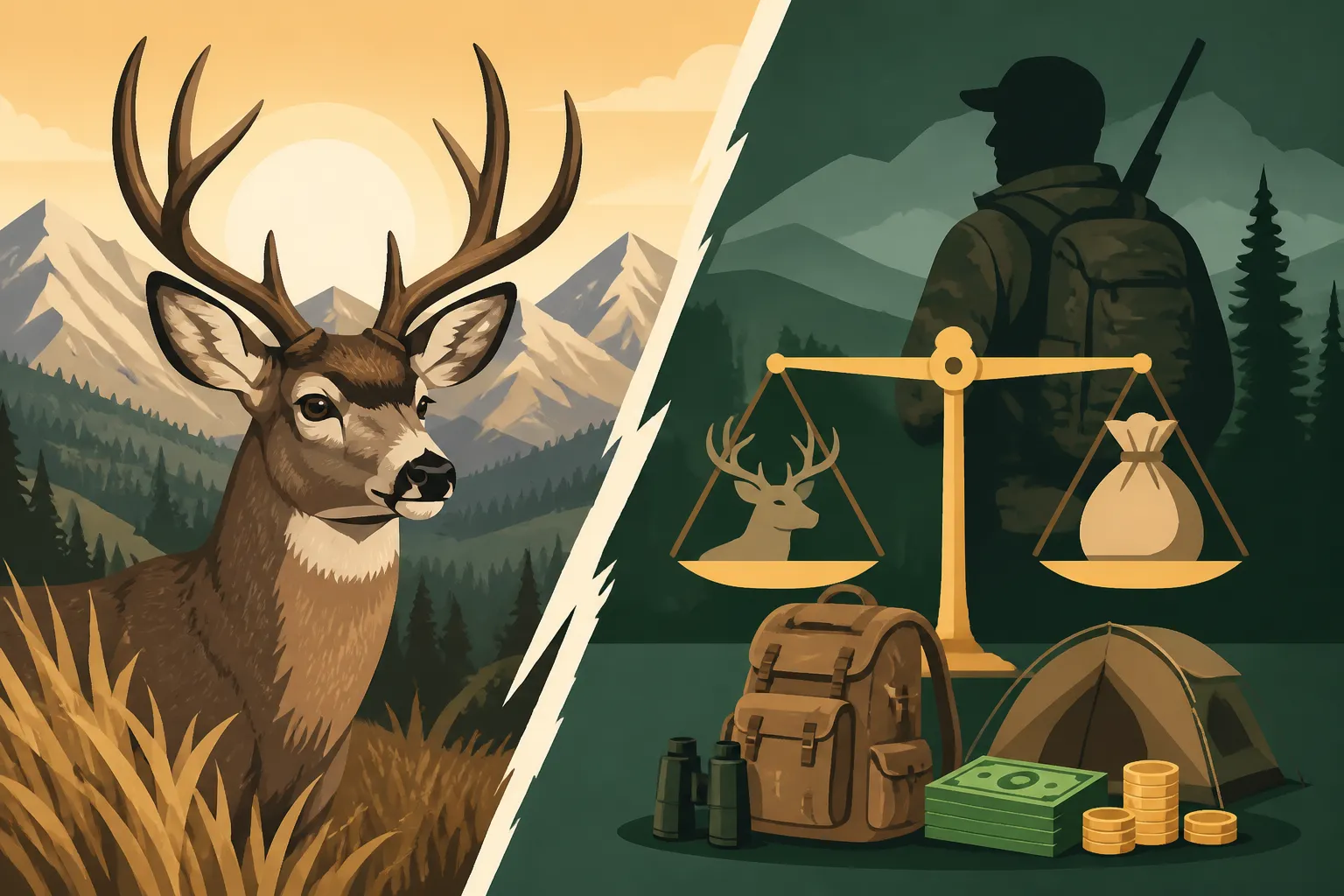
Dreaming of chasing a trophy mule deer across Alberta's rugged badlands or sprawling prairie? It's a vision many hunters share, but the excitement can quickly turn to a bit of a headache when you start looking at the price tag. Figuring out what an Alberta mule deer hunt really costs can feel like trying to hit a prairie buck at 500 yards in a crosswind – confusing and potentially expensive if you're not prepared. This guide is here to break down the expenses, uncover hidden fees, and help you understand the true investment in your mule deer adventure.
The Overall Investment for an Alberta Mule Deer Hunt
Let's be upfront: hunting mule deer in Alberta, especially if you're coming from out-of-province or out-of-country, is a significant financial commitment. This isn't a quick weekend trip to the local woodlot. You're investing in a specialized experience, often involving professional guides, extensive logistics, and access to prime hunting grounds. Many hunters come to Alberta specifically for the chance at a mature mule deer buck, and that demand naturally influences pricing.
When you start to explore guided hunt options, you'll quickly realize there's a broad spectrum of what different outfitters charge. This range isn't arbitrary; it reflects everything from the caliber of the outfitter and their reputation for success, to the amenities they offer, the duration of the hunt, and the specific region you'll be hunting. It’s not just about the moment you pull the trigger; it's about the entire experience leading up to it, and what happens afterward. The "cost" isn't a single number, but a sum of many parts.
Understanding the Sticker Price Versus True Cost
The initial price quoted by an outfitter is often just the beginning. While it covers the core guiding service, there are almost always additional expenses that savvy hunters account for. Think of it like buying a new vehicle – the advertised price gets you the base model, but once you add the features, taxes, and fees, the final number is always higher. It’s essential to look beyond the headline figure and dig into the details of what's included and, more importantly, what isn't.
Many hunters, especially those new to booking guided trips, can get caught off guard by these extra costs. It's not that outfitters are trying to be deceptive; it's just that there's a standard list of things that are universally not part of the core package because they vary so much from hunter to hunter. We'll dive into these specifics shortly, but the key takeaway here is to budget for more than just the advertised hunt price. A good rule of thumb is to factor in an additional percentage on top of the base cost for all the incidentals.
Key Factors That Influence Mule Deer Hunt Pricing
So, what exactly makes one mule deer hunt more expensive than another? There's a whole constellation of factors at play, and understanding them will help you evaluate different packages and decide where you want to prioritize your investment. It’s never just a simple case of "more money equals bigger buck," though there can certainly be a correlation with access to prime ground and experienced guides.
From the length of your stay to the type of accommodations, every detail contributes to the overall cost. Alberta offers a diverse landscape, from the wide-open southern prairies to the broken coulees of the badlands, each presenting unique hunting challenges and requiring different outfitting approaches. An outfitter specializing in remote, horseback hunts in rugged country will naturally have different operational costs than one running truck-based hunts on private farmland.
Duration and Seasonality of the Hunt
The number of days you're actually hunting in the field is a primary driver of cost. Most guided mule deer hunts run for a set number of days, commonly between five to seven hunting days. Naturally, a longer hunt means more days for the outfitter to cover guide wages, food, fuel, and lodging, increasing the overall price. If you're looking for a quick, intense experience, shorter hunts might be available, but they also reduce your opportunities for success.
The timing of your hunt within the season also matters. The peak of the mule deer rut, typically in late November, is often the most sought-after time to hunt these magnificent animals. Hunts booked during this prime window often come at a premium due to high demand and the increased potential for encountering larger, more active bucks. Hunting the Rut in Early November is a popular time for a reason, and outfitters know it. Booking outside of this peak, perhaps in the early archery season or the general rifle season before the rut kicks in, might offer slightly more budget-friendly options, though success can be more challenging.
Guide-to-Hunter Ratio and Level of Service
The level of personalized attention you receive is another significant cost factor. A one-on-one guide-to-hunter ratio, where you have a dedicated guide solely focused on your hunt, will always be more expensive than a two-on-one or even a three-on-one arrangement. With a dedicated guide, you benefit from their undivided attention, faster responses to changing conditions, and a more tailored approach to your hunting style and physical capabilities.
Two-on-one hunts are a popular option, where two hunters share one guide. This can be a great way to reduce costs, especially if you're hunting with a friend or family member. However, it means coordinating two hunters' expectations and movements, which can sometimes impact flexibility. Some outfitters also offer semi-guided hunts or drop camps, where you might have less direct guiding and more autonomy, which can be a much more economical choice if you have the experience and are comfortable with more self-reliance in the field.
Location, Access, and Trophy Potential
Where you hunt within Alberta makes a big difference. Prime private land with limited hunting pressure, especially land known for consistently producing large, mature mule deer, will command a higher price for access. Outfitters who have secured exclusive hunting rights to such properties pass that cost along to the hunter. Public land hunts might be less expensive in terms of land access, but often require more effort to find unpressured animals and might involve more rugged terrain or extensive scouting.
Access methods also play a role. Hunts requiring extensive use of ATVs, 4×4 vehicles, or even horses to reach remote areas will have higher logistical costs than those primarily conducted from a truck on well-maintained roads. Outfitters specializing in Hunting Mule Deer in the Badlands Coulees or other specific, challenging terrains often incur higher operational expenses. Furthermore, outfitters with a strong track record of putting clients on record-book animals often price their hunts at a premium, reflecting their experience, scouting efforts, and knowledge of specific trophy-producing areas. Websites like BookYourHunt or GoHunt can sometimes provide insights into an outfitter's typical success rates and trophy quality, which can help justify perceived higher costs.
Deciphering What's Included and What's Extra
Understanding the "all-inclusive" claim on an outfitter's website is paramount. While some hunts truly bundle almost everything, it's far more common for certain items to be explicitly excluded from the base price. This isn't a trick; it's simply a reflection of personal choice and varying regulations. Always get a detailed list of inclusions and exclusions in writing before booking.
It’s easy to get excited about the prospect of a hunt and skim over the fine print. However, those small details can add up quickly. A missing item here or there might not seem like much on its own, but combine a few "not included" items, and you could be looking at a substantial sum that wasn't in your initial budget. This is where meticulous planning and asking direct questions really pay off.
Common Inclusions in a Guided Mule Deer Hunt
Generally, a guided mule deer hunt package will include:
- Guiding Services: The expertise of a professional guide for the duration of your hunt. This is the core offering and what you're primarily paying for.
- Accommodations: This can range from comfortable lodge settings with private rooms to rustic cabins, wall tents, or even spike camps in more remote areas. The type of lodging will directly impact the comfort level and overall cost.
- Meals: Most outfitters provide hearty, home-cooked meals, snacks, and non-alcoholic beverages throughout your stay. It's often prepared to fuel hunters for long days in the field.
- Field Transportation: Getting you to and from hunting areas, whether by truck, ATV, UTV, or sometimes even horseback in more rugged terrain.
- Field Care of Game: This includes skinning, caping, and quartering your harvested animal in the field, ready for transport back to camp.
- Basic Meat Storage/Preparation for Transport: Often, this means keeping the meat cool in camp and preparing it for your departure, though further processing might be an extra.
These inclusions form the backbone of your hunting experience, ensuring you have the guidance, sustenance, and logistical support needed for a successful trip.
Typical Exclusions and Additional Costs to Budget For
Now for the often-overlooked part – the extra costs. These are almost universally not included in the base price and must be budgeted separately.
- Hunting Licences and Tags: You are responsible for purchasing your own Alberta Wildlife Identification Number (WIN) card, Wildlife Certificate, and the specific mule deer tag. Non-resident hunters typically need to hunt with an outfitter or a designated resident "hunter host," and the costs for non-resident licenses are considerably higher than for residents. Look into Alberta Resident Deer Licence Cost or Alberta Non-Resident Deer Licence Cost.
- Travel Expenses: This includes your airfare or fuel costs to get to Alberta and then to the outfitter's designated meeting point. For international travelers, consider visa costs if applicable.
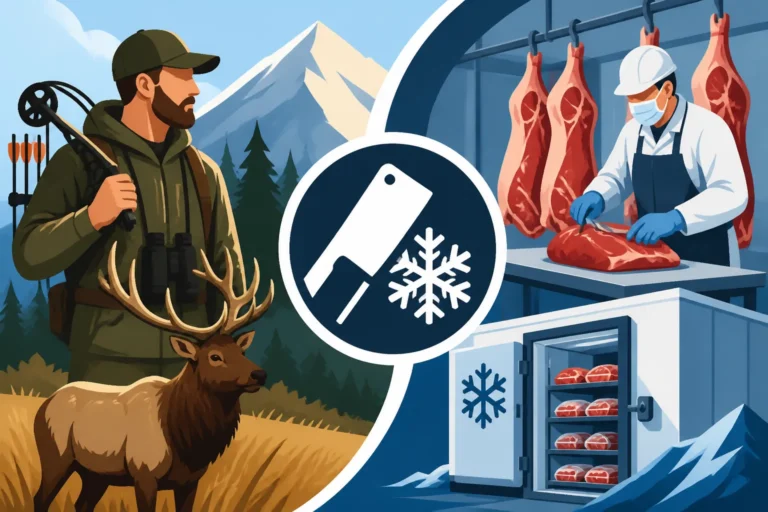
- Meat Processing and Taxidermy: While field dressing is usually included, having your meat professionally cut, wrapped, and frozen for travel is almost always an extra cost. The same goes for any taxidermy work on your trophy, and the cost of shipping antlers or capes home. You might need to find a local butcher near camp to get your meat processed after the hunt.
- Gratuities for Guides and Camp Staff: Tipping your guide and other camp staff (cooks, wranglers) is customary and expected. This is a significant additional cost, and it's important to budget appropriately for it. Check out How Much to Tip an Alberta Guide for more details.
- Personal Gear and Ammunition: You'll need your own hunting clothing, footwear, rifle/bow, and ammunition. While an outfitter might have some spare gear, they won't equip you entirely.
- Alcoholic Beverages: If you enjoy an adult beverage after a successful day in the field, you'll generally need to supply your own.
- Pre and Post-Hunt Accommodations: If you arrive a day early or depart a day late, any hotel stays outside of the hunting camp are your responsibility.
- Export Permits: For international hunters taking their trophies or meat home, there may be specific permits required beyond the initial hunting tags.
- Insurance: Travel insurance, hunt cancellation insurance, and perhaps even additional liability insurance are wise considerations, especially for larger investments. Learn about Travel Insurance for a Hunting Trip.
To give you a clearer picture, here's a table summarizing common inclusions and exclusions:
| Feature/Service | Typically Included | Typically Excluded | Notes |
|---|---|---|---|
| Guiding | Yes (professional guide) | No | Ratio (1:1, 2:1) affects price |
| Accommodation | Yes (lodge, cabin, tent camp) | No (pre/post-hunt hotels) | Varies by outfitter quality and remoteness |
| Meals & Non-Alc Drinks | Yes (all meals, snacks, water) | Yes (alcoholic beverages) | Bring your own if desired |
| Field Transportation | Yes (trucks, ATVs, sometimes horses) | No (travel to/from meeting point) | From meeting point to hunting areas |
| Game Care (Field) | Yes (field dressing, caping, quartering) | No (meat processing, taxidermy) | Budget for professional processing and trophy prep |
| Hunting Licences/Tags | No | Yes (WIN Card, Wildlife Cert, Mule Deer Tag) | Must purchase separately, research costs |
| Gratuities | No | Yes (for guides and staff) | Customary and expected, significant expense |
| Personal Gear | No | Yes (clothing, rifle, ammo, optics) | Bring all your own hunting equipment |
| Export/Import Permits | No | Yes (for international trophy/meat transport) | Check regulations for your home country and Alberta |
| Insurance | No | Yes (travel, hunt cancellation, liability) | Highly recommended for protecting your investment |
Strategies for Finding the Right Value
So, with all these variables, how do you navigate the landscape of Alberta mule deer hunt costs and ensure you're getting good value for your money? It comes down to thorough research, clear communication, and honest self-assessment of your budget and expectations.
Remember, "value" isn't always about the lowest price. Sometimes, paying a bit more for a reputable outfitter with excellent references, better success rates, or a more comfortable camp can actually provide better overall value in terms of a positive experience and successful hunt. The last thing you want is to cut corners and regret it during your once-in-a-lifetime adventure.
Researching Outfitters and Comparing Packages
Start your research early, often a year or more in advance, especially for prime rut dates. Utilize online resources like BookYourHunt or GoHunt to browse different outfitters, read reviews, and get a general sense of pricing structures. These platforms can be a great starting point, but always follow up directly with outfitters to get detailed quotes.
When contacting outfitters, be specific about what you're looking for. Ask for a complete breakdown of what's included and excluded. Don't be afraid to ask for references from past clients, and actually follow up with them. Inquire about average trophy size, success rates, and the physical demands of the hunt. An outfitter's answers to these questions will reveal a lot about their operation and whether it aligns with your expectations. Don't forget to ask about Alberta Deposit and Cancellation Terms.
Understanding What You're Paying For
A higher price often reflects specific advantages:
- Exclusive Access: Outfitters with access to large tracts of prime private land or limited public land allocations often have higher success rates and larger average trophy sizes due to less pressure and better habitat management.
- Experienced Guides: Guides with decades of experience in a specific region, who know the land and the animals intimately, are invaluable. Their expertise dramatically increases your chances of success.
- Comfort and Amenities: Luxurious lodges, gourmet meals, and dedicated camp staff add to the cost but can make the overall experience more enjoyable, especially after long, cold days in the field.
- Logistical Support: Remote hunts requiring significant transportation, specialized equipment (like horses), or extensive scouting efforts are more expensive to run.
- Reputation: Outfitters with a long-standing positive reputation for ethical practices, client satisfaction, and consistent success will often be at a higher price point.
Think about what aspects of the hunt are most important to you. Is it the biggest possible buck? The comfort of the camp? The adventure of a remote backcountry hunt? Prioritizing these elements will help you justify the cost and choose the right outfitter. For example, if you're set on Hunting Mule Deer on a Prairie Ridge in a specific WMU, finding an outfitter with proven success there is key.
Tips for Managing Your Budget
- Book Off-Peak or Shorter Hunts: If your budget is tight, consider booking a hunt earlier in the season (outside the rut) or opting for a slightly shorter duration if available.
- Go with a Partner: A two-on-one guided hunt significantly reduces the per-person cost compared to a one-on-one experience.
- Consider Semi-Guided or Drop Camps: If you have backcountry experience and the ability to navigate and hunt independently, these options can cut down on guide fees.
- DIY Your Travel: Drive if possible to save on airfare, and pack your own snacks and non-alcoholic drinks to avoid buying them at inflated prices in remote areas.
- Be Realistic About Trophies: While everyone dreams of a giant, obsessing over "record book" animals can sometimes push you towards more expensive hunts in highly competitive areas. Focus on a mature, healthy animal you'd be proud to take.
- Start Saving Early: Begin setting aside money specifically for your hunt well in advance. This allows you to pay for deposits and final balances without stress.
- Understand Payment Schedules: Outfitters usually require a deposit upfront, with the balance due closer to the hunt date. Be aware of these deadlines and plan accordingly. Learn about When Deposits Are Due and Whether They Refund.
A guided Alberta mule deer hunt is an incredible experience that many hunters cherish for a lifetime. By thoroughly understanding the costs involved, from the base package to the various exclusions, you can plan effectively, manage your budget, and ensure your adventure is everything you dreamed it would be.
Disclaimer
This article is for general informational purposes only and does not constitute professional advice. Laws, prices and regulations vary by location and change over time. Consult a qualified professional for guidance on your specific situation.