What the Alberta Wildlife Certificate Costs
Navigating the world of hunting regulations in Alberta can sometimes feel like trying to find your way through a dense patch of aspen at dusk – a little disorienting, and you don't want to miss anything crucial. One often-asked question, and frankly, a common point of confusion for both seasoned and new hunters, revolves around the Alberta Wildlife Certificate. It’s a mandatory piece of your hunting puzzle, and understanding not just its cost, but what it actually is and why it's required, is absolutely essential before you even think about heading afield. This guide will meticulously break down the true cost of the Alberta Wildlife Certificate and illuminate its vital role in the province's wildlife management.
The Foundation: What Exactly is an Alberta Wildlife Certificate?
Many hunters, especially those new to Alberta or coming from other jurisdictions, might find themselves scratching their heads when they encounter the "Wildlife Certificate" alongside their WIN card and specific game licences. It can feel like just another hurdle, another fee in a long line of expenses associated with hunting. But trust me, this certificate is far from just an arbitrary charge; it's a foundational element of Alberta's conservation strategy, designed to ensure the future of our wild spaces and the incredible animals that call them home.
More Than Just a Piece of Paper: Its Purpose in Conservation
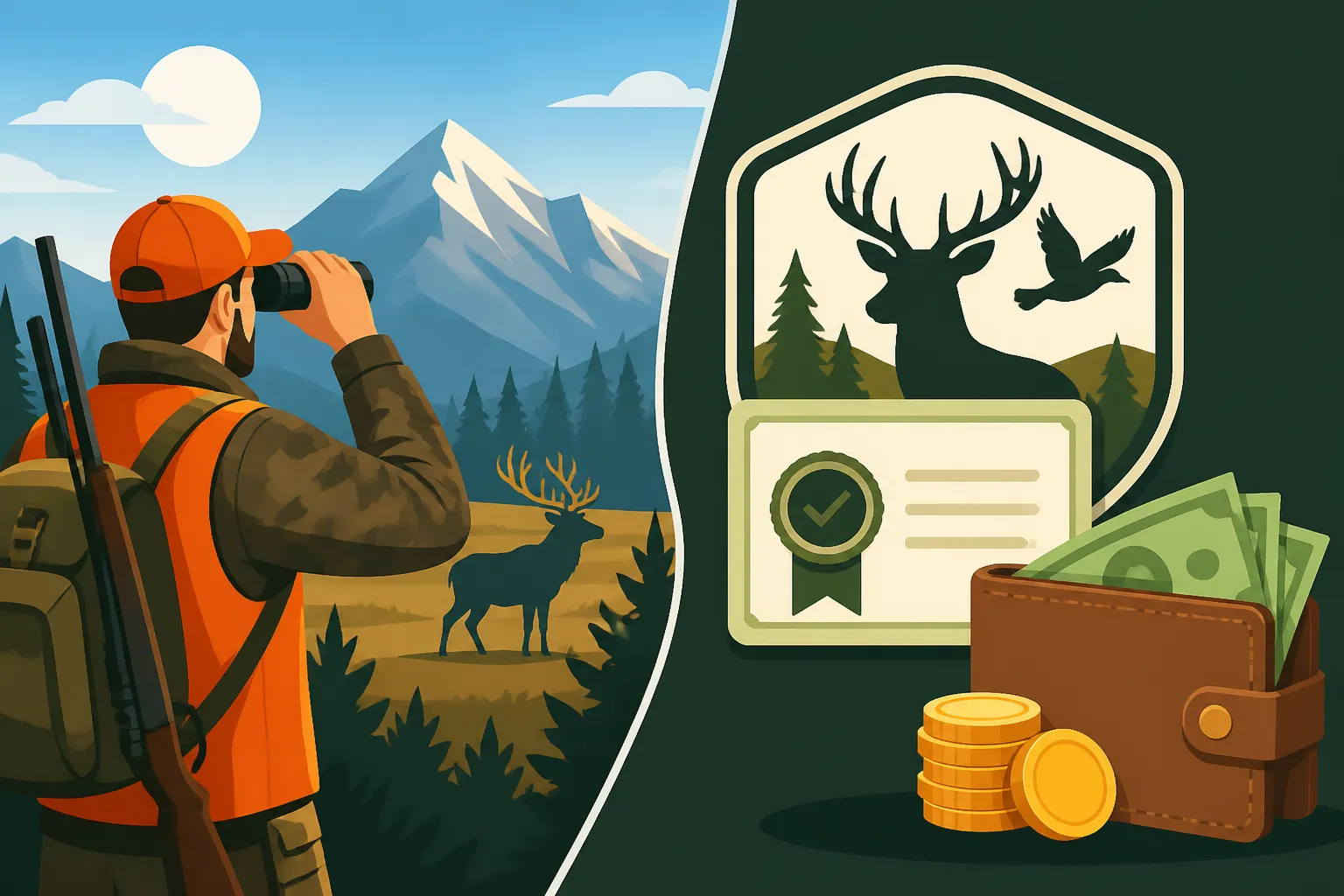
At its core, the Alberta Wildlife Certificate isn't a hunting licence in itself. Instead, it's an annual fee that grants you the privilege to engage in specific wildlife-related activities, most notably applying for draws or purchasing hunting licences for big game and game birds. Think of it as your entry ticket into Alberta's wildlife management system. The funds generated from these certificates don't just disappear into a general government fund; they are specifically earmarked for critical conservation efforts. This includes everything from habitat restoration projects, crucial scientific research into wildlife populations, and disease monitoring (like CWD initiatives), to supporting educational programs for hunters and managing enforcement efforts to protect wildlife from poaching.
Every dollar spent on a Wildlife Certificate contributes directly to the health and sustainability of Alberta's diverse ecosystems. It's an investment in the very resources we cherish as hunters. It's easy to overlook this when you're just trying to get your tags sorted, but knowing that your contribution directly impacts the future of hunting here can make that small fee feel a lot more significant.
Distinguishing It from Your WIN Card and Hunting Licences
It's absolutely vital to understand how the Wildlife Certificate fits into the broader picture of your hunting credentials, especially in relation to your WIN card and actual hunting licences. Your WIN (Wildlife Identification Number) card is essentially your permanent ID with Alberta Fish and Wildlife. It's a one-time purchase, albeit with a renewal fee every five years, and it's unique to you. You can think of Getting an Alberta WIN Card as your initial step into the system; without it, you can't even begin to participate.
Once you have your WIN card, the Wildlife Certificate comes into play. As mentioned, this is the annual permit that allows you to then purchase or apply for specific hunting licences. These specific licences are what grant you the legal right to harvest a particular animal, such as a white-tailed deer, moose, or a specific species of duck. So, the sequence is: WIN card (your ID) -> Wildlife Certificate (your annual privilege to hunt) -> Specific Hunting Licences (your tags for particular animals). Each piece is necessary, and one does not substitute for the other. Without the Wildlife Certificate, you simply cannot legally acquire any big game or game bird licences in Alberta, regardless of how many priority points you've accumulated for a special draw.
Decoding the Dollars: Current Costs and Where Your Money Goes
When it comes to the actual cost, Alberta has a tiered system, much like many other provinces and states, to reflect the different levels of contribution from residents and non-residents to the province's wildlife resources. These fees are set to ensure that everyone who participates in hunting or other wildlife activities is contributing to the management and conservation efforts that make these opportunities possible.
Resident vs. Non-Resident Fees: A Tale of Two Tiers
The cost of your Alberta Wildlife Certificate will vary depending on your residency status. For Alberta Residents, the fee is kept quite modest, acknowledging their ongoing contributions through provincial taxes and direct involvement in the local conservation landscape. As of the current regulations, a resident Wildlife Certificate typically costs around $8.00 plus GST, bringing the total to approximately $8.40. This is an annual fee, meaning you’ll pay it once for each hunting year (which runs from April 1st to March 31st).
For Non-Resident Canadian hunters, those coming from other provinces or territories within Canada, the fee is higher, reflecting that they are not directly contributing to Alberta’s provincial tax base that supports these programs. A Non-Resident Canadian Wildlife Certificate currently sits at approximately $60.00 plus GST, making the total roughly $63.00.
Finally, for Non-Resident Alien hunters, which primarily refers to hunters from outside Canada (such as the United States), the fee is the highest. This higher rate accounts for the fact that they are not Canadian taxpayers and often require additional administrative oversight, especially if they are also using an outfitter. A Non-Resident Alien Wildlife Certificate is approximately $100.00 plus GST, totaling around $105.00.
This tiered pricing ensures fairness in contribution and helps maintain the funding levels necessary for robust wildlife management programs across the province.
| Certificate Type | Base Cost (Approx.) | Total Cost (Including GST, Approx.) | Validity Period |
|---|---|---|---|
| Alberta Resident | $8.00 | $8.40 | Annual |
| Non-Resident Canadian | $60.00 | $63.00 | Annual |
| Non-Resident Alien | $100.00 | $105.00 | Annual |
| Federal Migratory Bird | $17.00 | $17.00 | Annual |
Note: All costs are approximate and subject to change by the Government of Alberta and Federal regulations. Always verify current prices before purchase.
The Mandatory Federal Migratory Game Bird Permit and Conservation Stamp
While not part of the provincial Alberta Wildlife Certificate, if your hunting plans include chasing ducks, geese, or sandhill cranes, you'll need an additional federal permit. This is the Federal Migratory Game Bird Hunting Permit. This permit is a requirement across Canada for anyone hunting migratory birds, and it costs approximately $17.00. Importantly, the purchase of this federal permit automatically includes the Canadian Wildlife Habitat Conservation Stamp. This stamp is another crucial piece of the conservation puzzle, with 90% of its proceeds dedicated to projects that conserve, restore, and enhance wetland and upland habitats across Canada. So, while it's a separate federal requirement, it works hand-in-hand with your provincial efforts to safeguard waterfowl and their critical staging and nesting areas. You can learn more about The Canadian Wildlife Habitat Conservation Stamp and its impact on habitat preservation.
It’s easy to focus on just the big game tags, but if migratory birds are on your radar, remember to factor in this additional permit. It’s a small cost for a big impact on the future of North American waterfowl.
Your Path to Purchase: How and Where to Get Certified
Once you understand what the Alberta Wildlife Certificate is and how much it costs, the next logical step is figuring out how to get your hands on one. Fortunately, the process is streamlined and generally quite accessible, whether you prefer the convenience of online transactions or the personal touch of a physical vendor.
Navigating the AlbertaRELM Online Portal
For most hunters, especially those who are comfortable with online transactions, the AlbertaRELM (Renewable Resources and Recreation Licence Management) website is the primary and most efficient method for purchasing your Wildlife Certificate and all your other licences. This platform is available 24/7, making it incredibly convenient to sort out your permits anytime, anywhere.
The process is straightforward:
- Access AlbertaRELM: Head to the official AlbertaRELM website. You'll need your WIN card number to log in or create an account if you haven't already.
- Select Your Certificate: Once logged in, navigate to the section for purchasing licences. You'll find an option to purchase your Wildlife Certificate. Make sure you select the correct residency type (Resident, Non-Resident Canadian, or Non-Resident Alien).
- Add to Cart and Checkout: Add the certificate to your shopping cart, along with any other licences you might need for the upcoming season. This is also where you'd typically apply for special licence draws or buy general licences. Remember that Buying Licences on albertarelm.com is where you'll handle most of your Alberta hunting administrative tasks.
- Payment and Confirmation: Follow the prompts to complete your purchase using a credit card. Once successful, you'll receive a confirmation and digital copies of your certificates and licences. While you can usually carry a digital copy on your phone, it's always wise to print physical copies as a backup, especially when heading into areas with no cell service.
This online portal is also where you'll go to check the status of your draw applications, review your licence history, and even perform tasks like Renewing a WIN Card Online when the time comes. Hunters meticulously planning their trips using mapping tools like GoHunt, often check their licence status on AlbertaRELM right after pinpointing their hunting zones.
Traditional Routes: Authorized Vendors and Retailers
For those who prefer a more traditional approach, or who might need some in-person assistance, Alberta’s Wildlife Certificates can also be purchased through a network of authorized vendors across the province. These typically include:
- Sporting Goods Stores: Major retailers like Cabela's, Bass Pro Shops, and many independent local sporting goods stores.
- Tackle Shops: Many smaller fishing and hunting shops are authorized to sell licences.
- Some General Stores/Service Stations: In more remote areas, it’s not uncommon to find a local general store that acts as a vendor.
Purchasing in person offers the benefit of being able to ask questions directly, which can be invaluable for new hunters or those with unique circumstances. The staff at these locations are usually well-versed in the regulations and can help ensure you get exactly what you need. However, keep in mind that these vendors operate during regular business hours, and popular times, such as just before a season opener, can mean longer wait times. Whether you're heading out to scout new areas or just need to grab a last-minute licence, knowing both options are available is key.
Beyond the Purchase: Important Considerations for Hunters
Getting your Alberta Wildlife Certificate is a critical first step, but understanding its implications and limitations is just as important. It’s part of a larger framework designed to ensure responsible and sustainable hunting practices. Overlooking these nuances can lead to misunderstandings or, worse, unintended legal issues.
A Common Misconception: It's Not Your Hunting Licence
I can't stress this enough: the Wildlife Certificate is not a hunting licence itself. This is probably the most common point of confusion. It does not grant you the right to hunt any specific animal or in any specific season. Instead, it's the pre-requisite that allows you to then purchase the actual hunting licences and tags you need. Think of it like a driver's licence: you need one to legally operate a vehicle, but it doesn't give you permission to drive any vehicle, like a semi-truck, without additional endorsements or specific class licences.
You must always carry your Wildlife Certificate along with your specific big game or game bird licences while hunting. Failure to do so can result in fines and other penalties, as you won't be able to prove you have the legal right to be pursuing game. Remember, Alberta Hunting Licences and What They Cost covers the specifics of these individual animal tags, which are distinct from the foundational Wildlife Certificate. For those planning their hunting seasons, whether with detailed maps from GoHunt or simple pencil and paper, always double-check that you have both your current Wildlife Certificate and the appropriate game tags for the species you are pursuing.
Validity Period, Renewals, and Staying Compliant
The Alberta Wildlife Certificate is an annual certificate. This means it has an expiry date, and you'll need to purchase a new one each year to continue participating in hunting or draw applications. Typically, the certificate is valid for the provincial hunting year, which generally runs from April 1st of one year to March 31st of the next. It’s vital to be aware of this annual cycle. Many hunters will purchase their new Wildlife Certificate at the start of the provincial fiscal year (April 1st) or well in advance of the special licence draw application deadline to ensure they are fully prepared.
Falling into the trap of letting your certificate expire can be frustrating. You might miss out on draw applications, or even worse, find yourself in the field with expired paperwork, which can lead to serious consequences. Just as you’d check When Hunting Licences Expire for your specific tags, make it a habit to confirm your Wildlife Certificate’s validity. Set a reminder in your phone or mark it on your calendar for an annual renewal.
The Tangible Impact of Your Contribution to Conservation
It's easy to just pay the fee and move on, but it’s worth taking a moment to appreciate where your money goes. Every single Wildlife Certificate purchased funnels funds directly into crucial wildlife and habitat conservation programs throughout Alberta. This investment ensures that the very landscapes and animal populations we cherish remain healthy and vibrant for generations to come.
These funds support:
- Habitat Management: Think about the Alberta Conservation Association Access Sites you might hunt, or the countless acres of public land. Your certificate money helps fund projects like wetland restoration, forest management, and creating crucial wildlife corridors.
- Wildlife Research and Monitoring: Biologists rely on these funds to conduct surveys, track animal populations, study disease prevalence (like CWD in deer, which you can learn more about by searching for "Which WMUs Require a Deer Head Submission"), and understand migration patterns. This data is essential for setting sustainable hunting seasons and limits.
- Enforcement and Education: Funds also go towards supporting Fish and Wildlife officers who patrol our wild areas, enforce regulations, and investigate poaching. Programs like Alberta's Report a Poacher Line are partly sustained by these contributions. Additionally, hunter education courses, which you can find out more about by searching for Alberta Hunter Education Course Requirements, benefit from this funding, ensuring new hunters are well-informed and ethical.
- Species Recovery: From specific projects aimed at threatened species to general ecosystem health initiatives, your fee plays a part.
In essence, your Alberta Wildlife Certificate isn't just a fee; it's a direct investment in the future of Alberta's wildlife and the hunting heritage we all share. When you're using resources like GoHunt to explore remote corners of the province, remember that the healthy ecosystems you're observing are often a direct result of the collective contributions from hunters like you.
Disclaimer
Please note that hunting regulations, licence costs, and season dates in Alberta can change. Always consult the most current Alberta Hunting Regulations Guide and the AlbertaRELM website for the definitive and up-to-date information before planning and executing your hunt. The information provided here is for general guidance and informational purposes only.