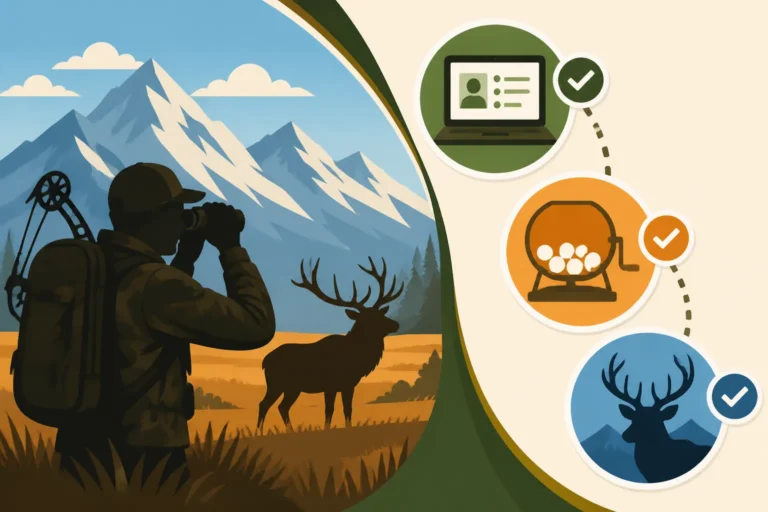
Why Getting Drawn Resets Your Points
It can be incredibly frustrating when you've diligently built up priority points for years, hoping to draw that elusive special license, only to have them disappear after one successful draw. Many hunters feel like they're starting from scratch, and it often leaves them wondering if the system is truly fair. This guide will unpack exactly why Alberta's draw system works this way, focusing on the mechanics of why getting drawn resets your points and how you can best navigate it for future hunts.
Understanding Alberta's Special Licence Draw System
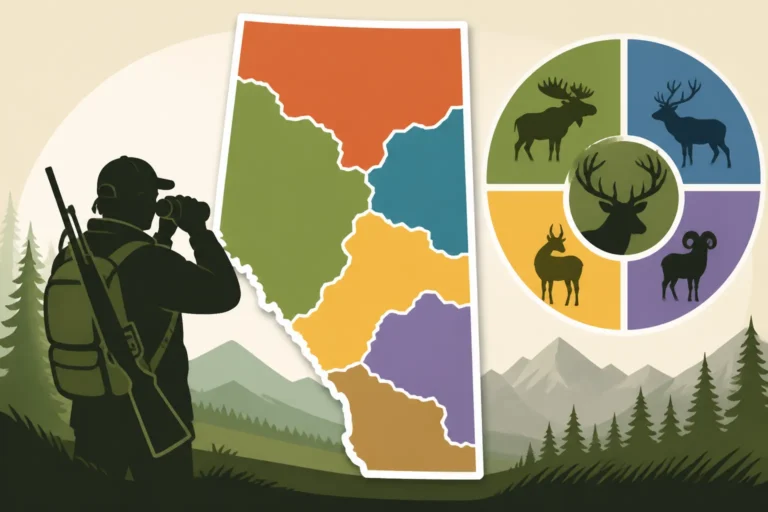
Alberta’s special license draw system is designed to allocate limited hunting opportunities for certain species and specific Wildlife Management Units (WMUs) in a way that attempts to be equitable over time. Unlike general tags you can simply purchase over the counter, special licenses are for high-demand species like moose, elk, mountain goat, and pronghorn, as well as non-trophy sheep and a handful of WMU-specific sheep draws, or for antlered deer in particular areas where populations might need more controlled harvest. The core mechanism here is the priority point system, which many hunters mistakenly think acts like a banked balance.
How Priority Points Accumulate
Every year you apply for a special license and are unsuccessful in drawing it, you gain a priority point for that specific species. It’s a simple system on the surface. These points are species-specific, meaning if you apply for an antlered moose license and don't get it, you earn a moose priority point. If you simultaneously apply for an antlered elk license and also don't draw, you earn an elk priority point. These points are not universal; they don't transfer between species. For instance, having 5 moose points doesn't help you draw a sheep licence. The idea behind accumulating these points is to give long-term applicants a better chance over time. The more points you have, the higher your chances become in subsequent draws, theoretically moving you up the "queue." You can even choose to apply for a "priority only" selection without applying for a specific tag, which ensures you gain a point without the risk of drawing a less desirable tag or WMU. This can be a smart play for those eyeing highly competitive hunts that might take a decade or more to draw.
The Role of Draws in Wildlife Management
The draw system isn't just about fairness to hunters; it's a critical tool for wildlife management. Alberta Fish and Wildlife uses these draws to manage game populations in specific WMUs, ensuring sustainable harvest levels. For example, if a moose population in a certain WMU is thriving, they might issue more tags, increasing draw odds. Conversely, if a population is struggling due to harsh winters or disease, fewer tags will be issued, making those draws much tougher to secure. This careful allocation prevents over-harvesting and helps maintain healthy ecosystems. It also allows managers to direct hunting pressure to certain areas. For instance, if an elk herd is causing agricultural damage in a specific zone, more antlerless elk tags might be made available to help mitigate the problem. The specific number of Alberta's Special Licence Draws available each year directly reflects these management objectives, and understanding these objectives can sometimes help hunters strategize where to apply for better odds.
The "Why" Behind the Point Reset
This is where the rubber meets the road, and where much of the frustration often comes from. The system is designed to rotate opportunities, ensuring that a broader range of hunters eventually get a chance at a special license, rather than continually favouring those with the highest points year after year.
Preventing Point Hoarding and Perpetual Advantage
Imagine if your priority points simply kept accumulating indefinitely, even after a successful draw. What would happen? Over time, a small group of hunters would amass an astronomical number of points, making it virtually impossible for new or less-experienced hunters to ever draw a desirable tag. They would perpetually hold the highest priority, effectively creating an exclusive club for the most sought-after hunts. The current system, by resetting your points for a specific species after you've successfully drawn a special license for it, prevents this "point hoarding." It creates a cyclical rotation of opportunities. Once you've had your turn at a high-demand tag, your points for that species go back to zero, allowing others who have been patiently accumulating points to move up in the queue. This mechanism ensures that the pool of potential successful applicants refreshes regularly, giving everyone a more realistic chance over a longer period. It encourages participation from a wider demographic of hunters in Alberta.
The Principle of Equitable Opportunity
At its heart, the point reset is about equitable opportunity. The system aims to give everyone who participates a fair shake at drawing a special license within a reasonable timeframe, depending on the popularity of the WMU and species. While it might sting to see those hard-earned points disappear, consider the alternative. Without the reset, the excitement of the draw would largely vanish for most hunters, as the same few individuals would consistently draw the best tags. This would undermine the very spirit of hunting access and participation that the system is trying to foster. The reset acknowledges that once you’ve experienced the privilege of a special license hunt, it’s time to step aside and let another dedicated hunter have their turn. It’s a mechanism for distributing a finite resource (special hunting tags) among a large and passionate hunting community. This commitment to equitable access is a cornerstone of Alberta’s wildlife management philosophy.
Navigating the Draw System After a Reset
So, you've successfully drawn a coveted tag, enjoyed your hunt, and now your priority points for that species are back to zero. What next? Does it mean you're out of luck for years? Not necessarily. There are strategic ways to continue applying and enjoying the Alberta hunting experience.
Strategic Application Choices for Future Draws
Just because your points for one species reset doesn't mean you can't apply for other special licenses. This is a crucial distinction. If you drew an antlered moose tag in WMU 400, your moose points reset, but your elk, sheep, or deer points remain untouched. This allows for a multi-species application strategy. Many hunters focus on building points for a highly coveted tag (like a special sheep WMU draw or high-point elk WMUs), while simultaneously applying for easier-to-draw tags for other species that might offer a fun hunt in the interim. You could spend years building up points in a special sheep draw such as WMU 410 or 437, but still apply for a general whitetail license or an antlerless deer special license in a local WMU without affecting your sheep points. Tools like GoHunt can be incredibly useful here, providing data on draw odds by WMU and species, allowing you to make informed decisions about where to spend your priority points and when to apply for priority-only. Understanding How Alberta's Draw Application Works in detail is key to maximizing your chances.
Party Applications and Point Averaging
Another strategy involves party applications. When you apply as a party, the system takes the average of all applicants' priority points and uses that average for the draw. If successful, all members of the party who receive a tag will have their points reset for that species. This can be beneficial for hunters with lower points to draw a high-point tag by applying with someone who has significantly more points. Conversely, a hunter with high points can help a friend or family member draw a tag, knowing their points will reset too. It's a trade-off: you might draw sooner, but you also reset your hard-earned points. This is a great way to introduce new hunters, like youth or spouses, to special license opportunities, or for friends to share a memorable hunting experience. Just remember that everyone in the party must be eligible, including having their Alberta's WIN Card and Wildlife Certificate up-to-date.
Let's look at a simplified example of how priority points might work:
| Species | Year 1 (Unsuccessful) | Year 2 (Unsuccessful) | Year 3 (Unsuccessful) | Year 4 (Successful Draw) | Year 5 (After Reset) |
|---|---|---|---|---|---|
| Moose | 1 | 2 | 3 | 4 | 0 |
| Elk | 1 | 2 | 3 | 0 | 1 |
| Pronghorn | 1 | 0 | 1 | 2 | 3 |
| Bighorn Sheep | 1 | 2 | 3 | 4 | 5 |
In this example, the hunter applied for Moose, Elk, and Pronghorn every year, and Bighorn Sheep from Year 1-3. In Year 2, they applied for priority only for Pronghorn (indicated by 0), then drew an Elk tag in Year 4, resetting their Elk points. They chose not to apply for Moose in Year 4 and instead put in for Sheep (perhaps aiming for a truly high-point hunt and not wanting to "waste" a year). This table illustrates how points are species-specific and how a successful draw only impacts that specific species. It also shows the strategy of sometimes applying for a 'priority only' option to keep building points for a desired species, as seen with Pronghorn in Year 2 and Bighorn Sheep in Year 4. Many hunters consult data sources, including those found on platforms like GoHunt, to gauge Minimum Points for a Popular WMU for specific species and plan their long-term application strategy effectively.
Managing Expectations and Long-Term Planning
The draw system often requires a long-term mindset. It's not about immediate gratification but about consistent participation and strategic planning. While a reset can feel like a setback, it’s an integral part of how the system ensures broader access. Instead of viewing it as losing points, think of it as "using" your accrued priority to gain a valuable hunting opportunity. After a reset, you have a fresh slate for that species, allowing you to begin accumulating points again, or shift your focus to other species you haven't drawn for yet. It's important to keep track of Alberta Draw Deadlines and Result Dates to ensure you never miss an application window, as a missed year means a lost opportunity to gain a point. Some hunters even diversify by applying for different WMUs or different antler categories (antlered vs. antlerless) for the same species to increase their odds, understanding that successfully drawing a lesser-desired tag will still reset those specific points. For instance, you might apply for an antlerless moose tag in one area, knowing that it's an easier draw and might get you out hunting sooner, even if it resets your moose points for a bull tag you've been building points for. You can find detailed information on these types of options when navigating the Alberta's Special Licence Draws online portal.
The Alberta hunting landscape is vast and diverse, offering opportunities for everything from Whitetail Hunting in Alberta in the parkland to Moose Hunting Alberta's Boreal Forest. Even if you just had a successful draw and your points reset, there are always other adventures to plan. Perhaps it’s time to look into the Bighorn Sheep Draw Rules and Limits for a hunt, or consider a general tag for a new experience, like Waterfowl Hunting Alberta's Grain Fields.
Conclusion
The Alberta special license draw system, with its priority point resets, is fundamentally designed for equitable opportunity and sustainable wildlife management. While it can be a source of frustration to see your hard-earned points vanish after a successful draw, this mechanism prevents a few individuals from monopolizing the most coveted tags. It ensures that the chance to hunt special species and WMUs rotates among the dedicated hunting community, offering a renewed cycle of anticipation and opportunity. By understanding how points accumulate, why they reset, and employing strategic application choices, you can continue to engage with Alberta's rich hunting heritage for many years to come, perhaps even using a platform like GoHunt to help you plan.
Disclaimer
The information provided in this guide is for general informational purposes only and does not constitute legal advice. Hunting regulations in Alberta are subject to change. It is the responsibility of every hunter to consult the most current official Alberta Hunting Regulations prior to engaging in any hunting activities. Always prioritize safety, ethical hunting practices, and respect for wildlife and private land.