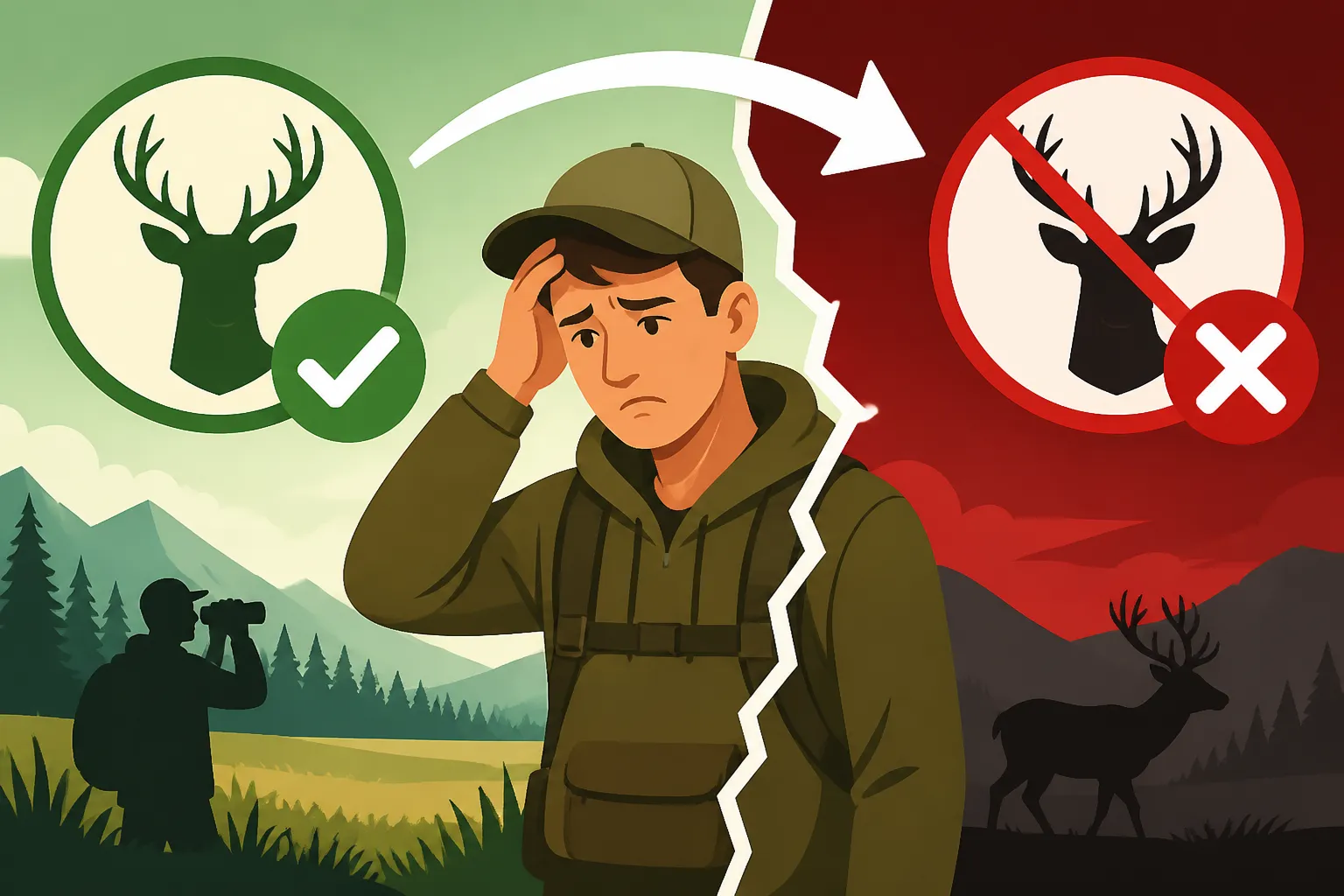
Losing General Licence Eligibility After a Draw
It’s a common scenario: you’ve spent weeks poring over regulations, dreaming of that big buck, and you’ve finally put in for a special draw, hoping to secure that coveted tag. But what happens if you’re successful? A lot of hunters wonder if winning a special draw means you automatically forfeit your chance at a general licence for the same season. It’s a frustrating hurdle to navigate, trying to understand how drawing a special licence might impact your eligibility for other general tags you were planning on picking up. This guide aims to clear up that confusion, helping you understand how Alberta's special draw system interacts with your general hunting licence options.
Understanding Alberta's Licence System Basics
Navigating the various types of hunting licences in Alberta can sometimes feel like trying to decipher an ancient map, especially when you're just getting started or trying to plan a multi-species hunt. The province employs a layered system designed to manage wildlife populations effectively while still providing ample opportunity for hunters.
General vs. Special Licences
At its heart, Alberta's hunting licence system distinguishes between "general" and "special" licences. Understanding this fundamental difference is crucial before you even start thinking about draw results.
General Licences are typically what you'd call "over-the-counter" tags. These are licences you can purchase directly, without having to apply through a draw, often starting when the hunting seasons open. They're usually available for common big game species like white-tailed deer and sometimes elk, in specific Wildlife Management Units (WMUs) where populations are robust enough to support general harvest. For example, many WMUs across Alberta have a general white-tailed deer season, allowing you to simply purchase your licence and head out. You'll need an Alberta Hunting Licences and What They Cost and a valid Alberta's WIN Card and Wildlife Certificate before you can buy any of these, of course. These licences often provide broad opportunities, but they might come with specific restrictions, such as "antlered only" or "antlerless only," depending on the WMU and the season dates. The intent behind general licences is to provide accessible hunting opportunities for a wide range of hunters.
Special Licences, on the other hand, are the ones you have to apply for through a lottery-style draw system. These are typically reserved for species where population numbers need closer management, or for specific WMUs that experience high hunter demand or have limited harvest quotas. Think of species like moose, elk in many popular WMUs, mountain goats, and pronghorn – these are almost exclusively available through the draw, while bighorn sheep are a mixed case, since resident class 1 (trophy) licences are bought rather than drawn, and draws cover resident class 2 (non-trophy) sheep, a handful of WMU-special class 1 sheep draws, and non-resident Canadians. The province uses these draws to distribute hunting pressure, manage herd health, and ensure sustainable harvesting. You can apply for these through the albertarelm.com portal, and there's a specific window for when applications open and close each year. For a deep dive into this, check out our guide on Alberta's Special Licence Draws.
The Role of the Priority Point System
When it comes to special licences, Alberta employs a priority point system. This system is designed to reward hunters who have been unsuccessful in previous draws, slowly increasing their odds of success over time. It’s a way to try and make the system fairer, ensuring that dedicated hunters eventually get their turn at highly sought-after tags.
Here's how it generally works: for most draw-only species, if you apply for a special licence and are unsuccessful, you receive a priority point for that species. The more points you accumulate, the better your chances in subsequent draws for that same species. However, and this is a key point, if you are successful and draw a special licence, your accumulated priority points for that specific species reset back to zero for the next draw cycle. This ensures that everyone gets a chance eventually and prevents one hunter from holding all the high-priority points indefinitely. Understanding this system, as detailed in Alberta's Draw Priority Point System, is crucial for long-term hunt planning, especially if you have your sights set on a hard-to-draw species like mountain goat. It also means you need to be very strategic about which species you apply for, knowing that success might come at the cost of your banked points.
The Core Rule: When a Special Draw Affects General Eligibility
This is where the rubber meets the road and often causes the most confusion for hunters. You've diligently applied for your special draw, and lo and behold, you actually drew that coveted tag! Congratulations! But now you're wondering, "Does this mean I can't buy that general whitetail tag I also wanted?" The answer, like most things in hunting regulations, is nuanced, but there's a core principle at play.
The "One Antlered Big Game Animal" Rule
Alberta's regulations are primarily built around managing the harvest of individual animals of a specific species. The critical rule to understand is that, generally, a hunter is allowed to harvest one antlered big game animal of the same species per hunting season. This rule applies whether that antlered animal is taken on a general licence or a special licence.
Let's break this down with some real-world examples:
- Antlered White-tailed Deer: If you apply for and successfully draw an antlered white-tailed deer special licence in, say, WMU 200, this typically means you cannot then purchase a general antlered white-tailed deer licence for any other WMU in the province for that same hunting season. You’ve used your one "antlered white-tailed deer" opportunity for the year. It doesn't matter if the general season is in a different zone; the restriction applies to the species province-wide (with some very specific exceptions that are rare and always clearly outlined in the regulations).
- Antlered Mule Deer: Similarly, if you draw an antlered mule deer special licence, you've typically filled your opportunity for an antlered mule deer for the season. You cannot buy a general antlered mule deer licence. This is why tools like GoHunt are so valuable when planning, as they can help you understand the specific WMU regulations and how these rules apply.
- Moose or Elk: If you successfully draw an antlered moose special licence, you generally cannot then go out and purchase another general antlered moose licence. The same applies to antlered elk where general licences exist (though most antlered elk opportunities are draw-only).
It's crucial to stress that this rule typically applies to the same species. So, drawing an antlered moose licence would not prevent you from purchasing a general antlered white-tailed deer licence, as they are different species. However, you must always double-check the current Alberta hunting regulations for any specific exceptions or changes that might apply to particular WMUs or species combinations. These rules are put in place to ensure sustainable populations and fair hunting opportunities for everyone.
Antlerless Licences and Their Interaction
The situation gets a little more complex when we talk about antlerless licences. Sometimes, drawing an antlerless special licence might not disqualify you from purchasing a general antlered licence for the same species. This is a key distinction and a common area of misunderstanding.
Consider this: Alberta issues antlerless special licences to manage specific female populations, often in WMUs where herd numbers are high or agricultural damage is a concern. If you apply for and draw an antlerless white-tailed deer special licence, for example, in many WMUs, you would still be eligible to purchase a general antlered white-tailed deer licence. This is because you are still within the "one antlered big game animal per species" rule, as your special licence was for an antlerless animal.
However, this isn't a universal truth across all species or all WMUs. There are specific instances and WMU-specific rules where an antlerless draw might influence your ability to purchase other licences, or where the special licence itself might be your only opportunity for that species in that WMU, regardless of sex.
Example Scenario:
- Scenario A: You draw an Antlerless Whitetail Special Licence in WMU 200. The regulations for WMU 200 also allow for a General Antlered Whitetail Licence. In this case, you can often still purchase the General Antlered Whitetail Licence because you have not yet harvested an antlered whitetail.
- Scenario B: You draw an Antlerless Mule Deer Special Licence in WMU 150. For mule deer, the regulations might specify that any special licence for mule deer (antlered or antlerless) means you cannot then obtain a general mule deer licence for the season.
The takeaway here is that you absolutely must consult the current year's Alberta Hunting Regulations guide. Look specifically at the "General Seasons" and "Special Licences" sections for the species and WMUs you are interested in. The interaction between antlered and antlerless tags, and general versus special, will be clearly laid out there. Don't assume; verify. Being aware of What Alberta Rules Changed This Year is also critical, as these regulations can shift annually based on wildlife management goals.
Navigating the System to Maximize Opportunities
Alberta's hunting regulations, while sometimes feeling like a maze, are designed to offer diverse hunting opportunities while ensuring sustainable wildlife populations. For a dedicated hunter, understanding how to strategically plan your applications can significantly increase your chances of having a successful and fulfilling season.
Strategic Draw Applications
Planning your draw applications is almost as important as the hunt itself. It’s a chess game, not checkers, and thinking a few moves ahead can prevent disappointment. Many hunters fall into the trap of simply applying for the species they want most, without considering the broader implications for their general licence eligibility.
- Prioritize Draw-Only Species First: If your heart is set on a species that is only available through a draw, like mountain goat or specific moose and elk hunts, these should be your top priority. Since you can’t get a general licence for them anyway, drawing one won’t impact your general eligibility for other species. This ensures you’re going after the hardest-to-get tags without compromising easier-to-obtain ones. A look at Which Alberta Species Are Draw-Only will confirm this for you.
- Research Draw Odds and Historical Data: Before applying, take the time to research the draw odds for your desired WMUs and species. Websites and apps like GoHunt can be invaluable resources, offering historical data on success rates, priority point requirements, and hunter numbers. This information allows you to make an educated guess about your chances of drawing a tag. If the odds for an antlered special licence are very low, you might consider saving your priority points or applying for an antlerless tag if that's a viable option that won't conflict with your general licence plans.
- Understand Application Timelines: Knowing When Alberta's Draw Applications Open and especially Alberta's Draw Application Deadline is crucial. Missing a deadline means missing an opportunity entirely. Furthermore, understanding When Alberta Draw Results Are Posted is key. You should ideally wait for these results before making any final decisions on purchasing general licences for species that might conflict with a successful draw. This allows you to adapt your plans based on whether you drew a tag or not. For example, if you applied for an antlered whitetail special licence and didn't draw, you know you're clear to purchase a general antlered whitetail licence.
Specific Scenarios and Considerations
Let’s run through a few common scenarios that illustrate how these rules play out and what you need to consider:
- Drawing an Antlered Mule Deer vs. General Whitetail: Suppose you were successful in drawing an antlered mule deer special licence in a WMU known for big bucks. This means you’ve secured your opportunity for an antlered mule deer for the season. Does this prevent you from purchasing a general antlered white-tailed deer licence? Typically, no. Since mule deer and white-tailed deer are different species, the "one antlered animal per species" rule means you can often pursue both, provided you have the appropriate licences. This allows for fantastic combo hunt opportunities in areas where both species thrive.
- Drawing an Antlered Whitetail Special vs. General Whitetail in the Same WMU: This is where you need to be careful. If you draw an antlered whitetail special tag in WMU 200, and WMU 200 also has a general antlered whitetail season, you cannot buy another general antlered whitetail licence. Your drawn special licence is your antlered whitetail tag for the year. This is a common point of contention where hunters might feel they're losing an opportunity, but it's consistent with the management principles. Remember, Why You Cannot Cancel a Special Licence once drawn, further solidifies this point.
- Supplemental Antlerless Licences: Alberta sometimes offers supplemental antlerless licences. These are typically available after the main draws and are often designed to further reduce specific populations. These supplemental licences usually do not impact your eligibility for an antlered licence of the same species, but again, always verify in the regulations. They can be a great way to extend your season or fill the freezer after your primary tag is filled. You can learn more about Alberta General Licences Without a Draw and how they might combine with these supplemental options.
Always remember that the specific wording in the annual Alberta Hunting Regulations is the final authority. Changes can occur year-to-year, so relying on last year's knowledge can lead to issues.
Practical Tips and Where to Find Official Information
Successfully navigating Alberta’s hunting licence system, especially with the intricacies of special draws impacting general eligibility, boils down to diligence and knowing where to find the authoritative information. Don’t rely on campfire stories or outdated forum posts; go straight to the source.
Reviewing the Alberta Hunting Regulations Annually
This cannot be stressed enough: read the current year's Alberta Hunting Regulations every single year. Wildlife management is dynamic, and regulations can change due to population fluctuations, habitat concerns, or even shifts in hunter pressure. What was true last year might not be true this year.
- Where to find them: The official Alberta Hunting Regulations are available online, typically on the Government of Alberta's website (mywildalberta.ca). You can usually download a PDF version or view an interactive online guide. Many tackle shops and licence issuers also have print copies available. You can also find out Where to Read Alberta's Hunting Regulations for direct access.
- Key sections to scrutinize: Pay particular attention to:
- General Hunting Season Dates and Bag Limits: This section will clearly state which species are available via general licence, in which WMUs, and with what restrictions (e.g., antlered only).
- Special Licence Draw Results and Regulations: This outlines the rules specific to each draw, including how a successful draw impacts other licence purchases. It will confirm whether an antlerless draw for a specific species frees you up for a general antlered tag, or if any drawn tag for that species means you’re done for the year.
- Definitions: Familiarize yourself with definitions like "antlered," "antlerless," and "trophy sheep" or "trophy goat" as these directly relate to what you can legally harvest.
- The Albertarelm.com portal: This is your central hub for all things licensing. You’ll use it to purchase your WIN Card, Wildlife Certificate, apply for draws, and buy general licences. It’s also where your draw results will be posted. Regularly checking your account on albertarelm.com is a good habit, especially during the draw period and when general licences go on sale.
Planning Your Season Around Draw Results
Effective planning can save you a lot of headache and ensure you don’t miss out on opportunities. It means being flexible and having backup plans.
- Wait for Draw Results: As mentioned, always wait until When Alberta Draw Results Are Posted before finalizing your general licence purchases for potentially conflicting species. If you applied for an antlered moose special licence, don't buy a general antlered moose licence (if one were even available) until you know if you were successful in the draw. Once you're drawn, that's your tag. If you weren't, you're free to pursue other general options.
- Develop Alternative Plans: What if you don't draw your dream tag? Don't let that derail your entire season. Have a backup plan. This could involve focusing on a more accessible general season species in a different WMU, or considering a different type of hunt altogether (e.g., switching from big game to Waterfowl Hunting Alberta's Grain Fields if you don’t draw your deer tag). Using tools like GoHunt can assist you in identifying alternative WMUs or species that offer good general season opportunities, complete with mapping and access information, allowing you to quickly pivot your plans.
- Consider Party Applications: If you’re hunting with a group, consider applying as a party for some draws. This can simplify planning if everyone is successful or unsuccessful together, ensuring no one is left out or in a conflicting licensing situation. However, understand how party applications affect priority points.
By meticulously reviewing the regulations, understanding the interplay between general and special licences, and planning your season strategically, you can maximize your hunting opportunities in Alberta. It might seem like a lot of homework, but a well-informed hunter is a successful and ethical hunter.
| Licence Type Drawn | Species Type | Impact on General Antlered Licence for Same Species | Impact on General Antlerless Licence for Same Species |
|---|---|---|---|
| Special Antlered (e.g., Moose) | Moose | Disqualifies (one antlered animal rule) | Varies (usually unaffected, but check specific WMU) |
| Special Antlered (e.g., Whitetail) | Whitetail Deer | Disqualifies (one antlered animal rule) | Varies (usually unaffected, but check specific WMU) |
| Special Antlerless (e.g., Whitetail) | Whitetail Deer | Usually Permitted (check specific WMU rules) | Disqualifies (one antlerless animal from draw) |
| Special Antlerless (e.g., Mule Deer) | Mule Deer | Usually Permitted (check specific WMU rules) | Disqualifies (one antlerless animal from draw) |
| Draw-Only Species (e.g., Mountain Goat) | Bighorn Sheep | N/A (no general Bighorn season) | N/A (no general Bighorn season) |
Note: This table provides a general guideline. Always refer to the current year's Alberta Hunting Regulations for precise rules and WMU-specific details.
Disclaimer
This article is for general informational purposes only and does not constitute professional advice. Laws, prices and regulations vary by location and change over time. Consult a qualified professional for guidance on your specific situation.