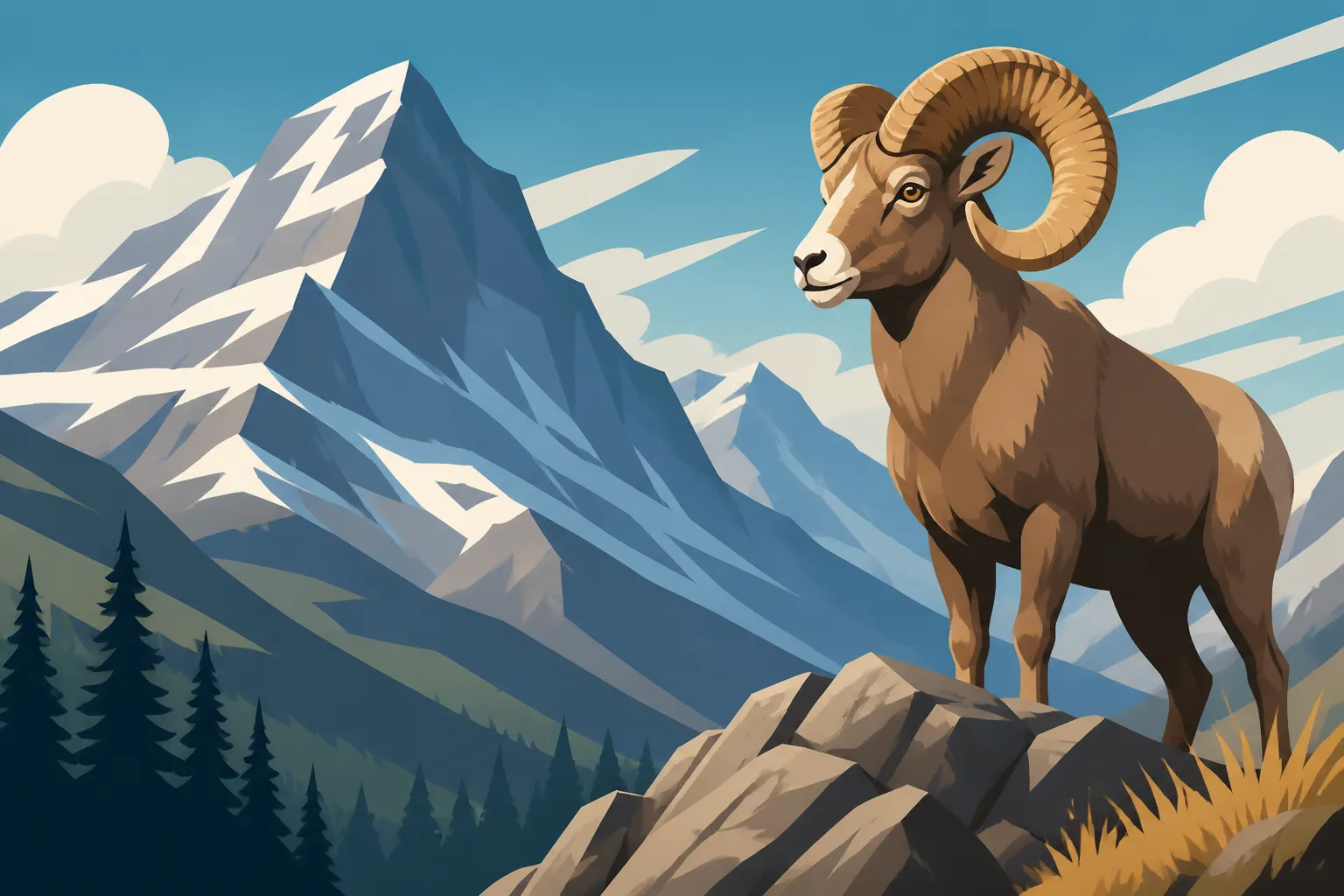
Bighorn Sheep in Alberta’s Mountains
For many hunters, the pursuit of a bighorn sheep in Alberta's rugged mountains represents the pinnacle of big game hunting. It's a journey fraught with physical challenge, mental fortitude, and often, years of anticipation, all for a chance at one of North America's most iconic species. This comprehensive guide will walk you through everything you need to know about hunting bighorn sheep in Alberta, from understanding their habitat and behavior to navigating the draw system, preparing your gear, and executing a successful, ethical hunt.
The Majestic Bighorn Sheep of Alberta
Bighorn sheep are truly incredible animals, perfectly adapted to live in some of the most unforgiving landscapes on earth. In Alberta, they call the dramatic peaks and valleys of the Rocky Mountains home, carving out an existence that few other species could endure. Their presence is a testament to the wildness of our western province, and encountering them in their element is an awe-inspiring experience, even if you’re just observing.
Why Alberta's Mountains Are Prime Bighorn Habitat
Alberta's segment of the Rocky Mountains, particularly the eastern slopes, provides an ideal mosaic of habitat for bighorn sheep. This isn't just a coincidence; it's a finely tuned ecological balance. The geology of these mountains, characterized by steep, rocky cliffs, exposed ridges, and deep coulees, offers essential escape terrain from predators like wolves and cougars. These sheer faces and rocky outcrops are places where sheep can quickly ascend, leaving predators struggling below.
Beyond the safety of the cliffs, the alpine and subalpine meadows provide crucial forage. During the warmer months, these areas burst with nutrient-rich grasses, forbs, and shrubs that fuel the sheep's growth, particularly the massive horn development seen in mature rams. In areas like the Bighorn Backcountry or the Livingstone Range, the combination of high-quality feed and inaccessible escape routes creates perfect sheep country. The climate also plays a significant role; while harsh, the deep snows of winter often accumulate in lower elevations, pushing ungulates down, but bighorns prefer the wind-scoured ridges where snow cover is minimal, allowing them to access sparse but vital forage. This constant challenge hones their physical prowess and resilience, contributing to the robust health of Alberta’s herds.
Understanding Bighorn Sheep Ecology and Behavior
To truly hunt bighorn sheep effectively, you need to think like a sheep. Understanding their social structure and daily routines is paramount. Bighorns typically live in sexually segregated herds for much of the year. Ewes and lambs, along with younger rams, form maternal bands that often stick to higher elevations and more precipitous terrain, focused on raising their young and avoiding predators. Adult rams, on the other hand, often form bachelor herds, which can sometimes be found at slightly lower elevations or in more accessible terrain during the early and late seasons, though they will also use the steep stuff. These bachelor groups are often smaller and more focused on foraging, with a clear dominance hierarchy establishing itself long before the rut begins.
The rut, or breeding season, typically kicks off in November and extends into December. This is when the spectacular head-butting clashes between rams occur, a truly incredible display of strength and dominance as they vie for breeding rights. Lambing usually takes place in late spring, around May or June, with ewes seeking out secluded, protected ledges to give birth. Throughout the day, sheep will feed in open areas, often moving to higher ground or specific bedding sites as the day progresses. They are creatures of habit to a degree, often using the same migration corridors, watering sources, and bedding areas year after year, especially if undisturbed. Learning these patterns through diligent scouting and observation is the foundation of a successful sheep hunt. Their eyesight is legendary, and they use it to their advantage, often spotting hunters long before being seen themselves.
Identifying and Judging Bighorn Rams
The objective of most bighorn sheep hunters is to harvest a mature ram, typically one with a full curl or close to it, indicating an older, dominant animal. However, simply seeing a sheep isn't enough; you need to be able to accurately judge its age and horn development from a distance, often across vast expanses of mountain terrain. This skill comes from experience, keen observation, and a thorough understanding of what defines a legal, mature ram.
Key Characteristics of a Mature Ram
The legal definition of a bighorn ram in Alberta requires it to be at least a "three-quarter curl" on at least one side. However, ethical hunters often aim for a "full curl" or beyond, which typically indicates a ram of 7-8 years or older. Judging a full-curl bighorn ram involves looking at several key features. The most obvious is the curl itself: does the horn tip extend past the eye and continue in a downward and forward arc, indicating a full 360-degree rotation from the base? Beyond the curl, pay close attention to the mass of the horn. Older rams will have significantly heavier bases and maintain that mass further out along the horn. This is often more telling than just the length or spread.
Another crucial indicator is "brooming," which refers to the tips of the horns being worn down or broken off from fighting or rubbing. While a ram might not have a perfect full curl, heavy brooming often signifies an old warrior that has seen many ruts and is a truly mature animal. Finally, looking for the annual growth rings on the horn can help you estimate age. These rings are less distinct than on deer antlers but can provide a rough guide. A ram with heavy bases, significant brooming, and a horn that clearly sweeps past the eye socket is generally a mature, legal animal. The Alberta regulations are specific, so always review the current guide before heading out.
The Art of Spotting and Glassing for Sheep
Glassing is not just a technique for sheep hunting; it is the technique. Unlike hunting in dense timber, sheep hunting is primarily an ocular sport, requiring immense patience and top-tier optics. You'll spend countless hours behind your binoculars or spotting scope, meticulously dissecting every rock, patch of snow, and clump of timber on a distant mountain face. High-quality optics are not a luxury here; they are an absolute necessity. Look for binoculars in the 10×42 or 12×50 range, paired with a powerful spotting scope, ideally 60-80x magnification with a large objective lens, on a sturdy tripod. Brands like Swarovski, Zeiss, Kowa, and Vortex are common choices among serious sheep hunters, offering the clarity and light transmission needed to pick apart a mountainside at extreme distances. Resources like GoHunt are excellent for researching and comparing the latest in high-performance optics, ensuring you get the best tools for the job.
The technique itself involves finding a vantage point that allows you to see a large expanse of sheep habitat, then systematically grid-searching the terrain. Don't rush. Start with a wide field of view, then narrow it down, looking for anything that seems "out of place." Sheep often blend incredibly well with their surroundings, their dull coats mimicking the rocks and their forms camouflaged by shadows. Look for horizontal lines in a vertical world, a patch of white against a dark rock face, or movement where there should be none. Pay particular attention to feeding areas in the mornings and evenings, and bedding areas on ledges or under overhangs during midday. Overcast days can sometimes offer better contrast than bright, harsh sunlight, which can create mirage and glare. Persistence is key; a ram that was invisible an hour ago might suddenly appear as it shifts its position. Learning to properly glass alpine basins for bighorn sheep is a skill that will define your success.
Where Alberta's Record Bighorns Are Found
Alberta holds a special place in the world of bighorn sheep hunting. Our province consistently produces some of the largest rams, with numerous entries in Boone and Crockett and Pope and Young record books. This isn't just luck; it's a combination of robust genetics, excellent habitat, and careful wildlife management through a licensing system that limits pressure on older rams.
Historical Hotspots and Trophy Potential
While every mountain WMU in Alberta has the potential to produce a trophy ram, certain areas have historically gained a reputation for consistently yielding larger sheep. WMUs like 400 (Sheep River), 402 (Ghost River), 404 (Kananaskis), 406 (Spray Valley), 408 (Brazeau), 410 (Ram River), 412 (Nordegg), and 416 (Cadomin/Grande Cache) are often discussed among sheep hunters. These regions offer vast expanses of prime bighorn habitat, often with limited access, allowing rams to reach full maturity. The Bighorn Backcountry, for instance, encompasses a significant portion of this prime range, providing the necessary remoteness and forage.
It's crucial to understand that "trophy potential" isn't merely about the location on a map; it's about the health of the entire herd and the age structure within it. WMUs that are meticulously managed, often with difficult access that naturally reduces hunter pressure, tend to foster an older age class of rams. This allows individual sheep to reach their genetic potential for horn growth, leading to the exceptional animals Alberta is known for. While specific names might come up in hushed tones around campfires, the true secret lies in the ecological health of the area and the dedication of the hunter.
Factors Contributing to Exceptional Ram Growth
Several interconnected factors contribute to the phenomenal horn growth and body size seen in Alberta’s bighorn rams. First and foremost is nutrition. During the spring and summer, the high-quality forage available in the alpine and subalpine meadows, rich in protein and minerals, directly translates to horn development. Years with ample rainfall and good growing seasons typically precede years with exceptional ram growth, as the sheep have access to abundant, nutrient-dense food sources.
Secondly, a healthy age structure within the herd is vital. Alberta’s licensing system, which includes limited-entry draws for some sheep licences, naturally limits the harvest of younger rams. This allows a significant proportion of rams to survive into older age classes (7+ years), giving their horns the time needed to fully develop that impressive mass and curl. Lastly, genetics play an undeniable role. Alberta's bighorn population has a strong genetic predisposition for large horns, a trait that has been naturally selected over millennia in this challenging environment. When you combine these factors—superior nutrition, sufficient age, and strong genetics—you create the perfect recipe for world-class rams.
The Alberta Bighorn Sheep Draw System
Hunting bighorn sheep in Alberta is not a walk-up affair. Alberta residents can buy class 1 (trophy) sheep licences without entering a draw, while draws exist for resident class 2 sheep (draw 29), five resident WMU-special class 1 draws (410, 437, 444/446, 408 and 438) and non-resident Canadians for class 1 sheep (draw 31). Understanding these options is the first step in your Alberta sheep hunting journey.
Navigating the Special Licence Draw
The Alberta special licence draws are notoriously challenging, and the bighorn sheep draw is arguably the toughest of them all. Unlike general licences which can be purchased over the counter, special licences are allocated through a lottery system where applicants apply for specific Wildlife Management Units (WMUs) and species. For the WMU-special bighorn sheep draws, the odds of drawing a tag in any given year can be quite low. Resident class 1 licences outside those special draws do not require a draw at all. Understanding Alberta's Special Licence Draws and how to play the long game is essential.
The system is built on a priority point model. Each year you apply for a draw and are unsuccessful, you gain a priority point for that species. The more points you have, the higher your chance of success in subsequent draws. However, once you successfully draw a special licence, your priority points for that species reset to zero. A priority-only option exists in the 410, 437, 444/446 and 408 draws, while the 438 draw and the non-resident Canadian draw do not apply the draw priority system. Researching past draw statistics, available on the Alberta government website, is crucial to understanding the minimum priority points typically required for a particular WMU. This data can inform your strategy, whether you choose to apply for the most popular WMUs with the lowest odds, or try for lesser-known areas that might require fewer points.
Planning Your Application and Managing Expectations
Given the low odds and the investment of priority points, strategic planning for your bighorn sheep draw application is paramount. You can apply as an individual or as a party (up to four hunters), but applying as a party means everyone in the party must have the same or lower number of priority points as the lowest-point member, and if drawn, all party members' points reset. For most bighorn draws, applying individually is the norm, allowing each hunter to maximize their own accumulated points.
It's also about managing expectations. The reality is that drawing a tag in one of the special WMU bighorn sheep draws can be a multi-year commitment. This means cultivating patience and enjoying the process of scouting and learning about the species. Resources like GoHunt can provide valuable insights into draw odds and trends, helping hunters make informed decisions. Don't simply pick a WMU at random; research the habitat, access, and historical success rates. Consider which WMU you'd realistically want to spend potentially weeks hunting in. The emotional investment in the draw process can be significant, so preparing yourself for the long haul is as important as the physical training you'll undertake once you finally do draw a tag. Many hunters find joy in the anticipation and the learning journey itself, viewing the hunt as the culmination of years of dedication. Understanding Alberta's Draw Priority Point System thoroughly will allow you to plan for a successful application.
Essential Gear for an Alberta Sheep Hunt
A bighorn sheep hunt in Alberta is a true backcountry expedition, often demanding days or even weeks spent far from any roads or comforts. The gear you choose is not just about convenience; it’s about survival and success in an unforgiving mountain environment. Every item in your pack must be carefully considered for its weight, durability, and necessity.
Clothing and Footwear for Extreme Mountain Conditions
The weather in Alberta's mountains is notoriously unpredictable, capable of shifting from warm sunshine to freezing rain, snow, or high winds in a matter of hours. Therefore, a robust layering system is absolutely critical. Start with high-quality merino wool or synthetic base layers that wick moisture away from your skin. Avoid cotton at all costs, as it retains moisture and loses its insulating properties when wet. Your mid-layers should provide warmth without excessive bulk, such as fleece or lightweight puffy jackets.
For your outer shell, invest in a waterproof and windproof jacket and pants combination that can stand up to prolonged exposure. Look for technical fabrics like Gore-Tex or similar membranes. These layers need to be breathable enough to prevent you from overheating during strenuous climbs but protective enough to keep the elements out during glassing sessions or unexpected storms. Insulation is key, so pack a warm, packable down or synthetic puffy jacket for evenings and cold mornings. When it comes to footwear, there's no compromising. You need high-quality, stiff-soled mountain boots that offer ankle support, waterproofness, and exceptional durability for navigating scree fields, steep climbs, and rocky terrain. Pair these with gaiters to keep out snow and debris. I've seen too many hunts cut short by blisters or wet feet. Boots for a Foothills Hunt are a good starting point, but for true alpine conditions, aim for mountaineering-grade footwear. Try on boots with the specific socks you plan to wear, and break them in extensively before your hunt to prevent painful issues in the field.
Backpacking and Survival Equipment
Your backpack is your life support in the sheep mountains. Choose a high-quality internal frame pack with a capacity of 60-80 liters, designed for multi-day backcountry trips and capable of carrying heavy loads of meat and camp gear. Beyond your clothing, essential backpacking and survival equipment includes a lightweight, four-season tent that can withstand high winds and snow. Your sleeping system should include a warm sleeping bag rated for at least -10°C to -20°C (10°F to 0°F) and a comfortable, insulated sleeping pad to prevent heat loss to the ground.
For sustenance, pack lightweight, high-calorie dehydrated meals, along with a reliable water filtration system or purification tablets, as natural water sources can be limited or contaminated. Navigation tools are non-negotiable: a GPS device with pre-loaded maps, a physical map (and map case), and a compass are all essential. Familiarize yourself with these tools beforehand. A comprehensive first-aid kit, bear spray, a headlamp with extra batteries, fire-starting materials, and an emergency shelter are also critical. Given the remote nature of sheep country, an emergency communication device like a satellite messenger or satellite phone is highly recommended for safety. When heading into these remote areas, physical fitness for an Alberta sheep hunt is paramount, as is the ability to be self-sufficient and prepared for any eventuality. Every ounce in your pack should serve a purpose, but never at the expense of safety or essential functionality.
Techniques for Hunting Bighorn Sheep in Alberta
Hunting bighorn sheep is a physically demanding and mentally challenging endeavor that requires a blend of skill, patience, and a deep understanding of mountain hunting tactics. It's a game of chess played on a vertical board, where every move must be deliberate and well-considered.
The Stalk and Approach in Rugged Terrain
Once you've spotted a ram worth pursuing, the true test begins: the stalk. This is often the most critical and difficult part of the hunt. The primary goal is to approach within shooting range without alerting the sheep, which means utilizing every available piece of cover, paying meticulous attention to wind direction, and moving with extreme caution. Bighorns have incredible eyesight, so slow, deliberate movements are essential. Often, a stalk can take hours, even days, as you navigate treacherous terrain, waiting for the sheep to move into a more favorable position or for a cloud to obscure your approach.
You must constantly monitor the wind. Sheep have an excellent sense of smell, and a swirling wind can carry your scent for long distances, blowing your stalk before it even begins. Use terrain features like ridges, coulees, and timber patches to conceal your movement. Sometimes, a full circle around a mountain is required to get above the sheep or to approach from a blind spot. Be prepared to crawl, army-crawl, or even slide to maintain a low profile. Patience is your most valuable asset during a stalk; rushing will almost certainly lead to a busted hunt. Remember that safety is paramount when moving through steep, broken country, especially when focused on a target. Assess your route carefully for loose rock, drop-offs, and unstable footing.
Accessing Remote Sheep Country
Alberta's premier bighorn sheep country is often synonymous with its most remote and rugged landscapes. These aren't areas you can typically drive into. Accessing these areas often requires significant effort and planning, but the reward is fewer hunters and undisturbed sheep. Backpacking into Alberta's Bighorn country is the most common method for resident hunters. This means loading up your pack with several days, or even weeks, worth of gear and supplies and hiking deep into the mountains. This requires a high level of physical fitness and self-sufficiency, as resupply points are non-existent.
For hunters who draw a coveted tag in certain remote WMUs, or for non-residents who require an outfitter, horseback access on an Alberta sheep hunt can be an invaluable tool. Outfitters often maintain strings of tough mountain horses and mules capable of carrying heavy loads and navigating difficult terrain, allowing hunters to penetrate further into the backcountry with less physical strain. This conserves energy for the actual hunting and stalking. Additionally, Alberta's Public Land Use Zones (PLUZs) play a critical role in providing access to these remote areas. These zones often have specific regulations regarding off-highway vehicle use, camping, and other activities, all designed to manage the impact on these pristine environments while providing public access. Understanding the rules for the specific PLUZ you're hunting in is essential for legal and ethical access. Whether on foot or horseback, getting deep into sheep country is often the biggest hurdle to overcome, and it requires careful planning, preparation, and an unwavering commitment to the journey.
Post-Harvest Care and Regulatory Compliance
Successfully harvesting a bighorn ram is an immense achievement, but the work is far from over. Proper post-harvest care ensures you honor the animal by preserving the meat and trophy, while also adhering to all of Alberta's stringent hunting regulations.
Field Dressing and Meat Care in the Mountains
The first priority after a successful harvest is to begin the field dressing process immediately to cool the meat. In the cold mountain air, this is often easier than in warmer climates, but still critical to prevent spoilage. You'll need a sharp knife, game bags, and a plan for quartering the animal. Due to the remote locations and difficult terrain, most sheep hunters quarter the animal on the spot, removing all four quarters, backstraps, tenderloins, neck meat, and anything else edible. The hide and head, if keeping as a trophy, will also need to be packed out.
Once quartered, the meat needs to be cooled as quickly and thoroughly as possible. Hang meat in breathable game bags in a shady, airy spot, away from direct sunlight. If temperatures are above freezing, consider packing ice or dry ice if feasible, though this is rarely practical in true sheep country. Meat care in Alberta's cold and warm swings is a crucial skill. If you are several days from the trailhead, you'll need to meticulously protect the meat from flies, dirt, and scavengers. The sheer weight of a bighorn ram, especially its massive horns, means you'll likely be making multiple trips to pack out your harvest, or relying on horses if you're with an outfitter. Always prioritize getting the meat off the mountain quickly and in good condition, minimizing waste as required by law.
Tagging, Reporting, and CWD Submission
Adhering to Alberta's regulatory requirements is non-negotiable. Immediately after the harvest, your special bighorn sheep tag must be securely affixed to the animal. The specific instructions for tag placement are detailed in the Alberta Hunting Regulations. Failure to properly tag your animal can result in severe penalties. Once you're out of the mountains and have access to reliable internet, you must report your harvest online through the AlbertaRELM system. This data is vital for wildlife managers to track harvest rates and monitor population health.
Beyond tagging and reporting, Alberta has specific requirements for Chronic Wasting Disease (CWD) testing, particularly in certain WMUs. While CWD is more commonly associated with cervids (deer, moose, elk), Alberta's CWD Testing Requirements also apply to bighorn sheep from designated CWD surveillance zones. You will be required to submit the head of your harvested ram to a designated CWD freezer location. It's crucial to check the current regulations for the specific WMU you hunted in to determine if CWD submission is mandatory. These regulations are in place to monitor and control the spread of wildlife diseases and are a vital part of responsible wildlife management. Understanding and following all these rules ensures you're not only a successful hunter but also a responsible conservationist.
Respecting the Resource and Ethical Hunting
Hunting bighorn sheep in Alberta is a privilege, not a right. The opportunity to pursue such an iconic animal in a pristine wilderness demands the highest standards of respect for the resource, the land, and the traditions of ethical hunting. This ethos ensures the long-term sustainability of these majestic animals for future generations.
Conservation Efforts and Sustainable Hunting
Hunters are, and always have been, the frontline of wildlife conservation. In Alberta, a significant portion of hunting licence fees directly funds wildlife management, habitat conservation, and research programs. Alberta’s licensing system for bighorn sheep is a prime example of sustainable hunting, carefully controlling harvest rates to ensure healthy, stable populations. Each tag issued represents a carefully calculated decision to maintain the delicate balance of the ecosystem.
Beyond financial contributions, ethical hunters play a crucial role in monitoring wildlife populations and reporting concerns to wildlife authorities. Respecting wildlife means not just following the letter of the law but also the spirit. It means making a clean, ethical kill, minimizing suffering, and ensuring no meat is wasted. It also means leaving the land as you found it, if not better. The value of an Alberta bighorn sheep tag extends far beyond the animal itself; it represents a commitment to conservation and the wild landscapes these incredible creatures inhabit. Participating in this hunt connects you to a long legacy of stewardship.
Responsible Practices in Alpine Environments
The alpine environments where bighorn sheep reside are fragile and easily impacted. Responsible hunting practices are paramount to preserving these delicate ecosystems. Adhere strictly to Leave No Trace principles: pack out everything you pack in, including all garbage and even food scraps. Minimize your impact on vegetation and soil, especially in sensitive areas above the treeline. Camp in established sites if available, or choose durable surfaces away from water sources.
When traveling through these landscapes, be mindful of other wildlife. Give ample space to other sheep, goats, or bears you may encounter. Avoid disturbing nesting birds or sensitive plant communities. For mapping and navigation, tools like GoHunt provide detailed topography and land status, helping hunters understand their surroundings and minimize off-trail impact. Safety is also a critical component of responsible hunting. Always inform someone of your hunting plans, including your route and expected return date. Hunt with a partner when possible, and ensure you have the skills and equipment to handle emergencies in remote terrain. The extreme nature of mountain hunting means that preparation and caution are not just good ideas, they are essential. Hunting Alberta's Mountain WMUs and their access means being a good steward of that unique landscape. By embracing these responsible practices, hunters ensure that the wild beauty and incredible wildlife of Alberta's mountains will endure for generations to come.
| Characteristic | Immature Ram (3-5 Years) | Middle-Aged Ram (5-7 Years) | Mature Ram (7+ Years, Full Curl) |
|---|---|---|---|
| Horn Curl | Often less than 3/4 curl, tips point upwards or slightly back. | Approaching full curl, tips nearing the eye or jawline. | Horns sweep past the eye and jawline, completing a full 360-degree curl. |
| Horn Mass | Relatively thin at the base, tapering quickly. | Good mass at the base, begins to carry further out. | Heavy, thick bases; mass carried well out onto the horn, often showing deep annuli. |
| Brooming | Minimal to none. | May show some light brooming on horn tips from fighting. | Often heavily broomed, tips may be broken or worn flat. |
| Body Size | Smaller body, more slender appearance. | Solid body, still growing. | Large, blocky body; powerful build with a thick neck. |
| Behavior | Often in mixed-sex groups or smaller bachelor groups; more cautious. | More confident, may challenge younger rams. | Dominant in bachelor groups, less wary, often seen in specific ram hangouts. |
Disclaimer
Please be aware that hunting regulations in Alberta are subject to change. It is your responsibility as a hunter to consult the most current Alberta Hunting Regulations, available through Alberta Environment and Protected Areas (AEPA), before planning and undertaking any hunt. This guide is for informational purposes only and does not supersede official government regulations.