Wall Tent Camps in Alberta’s Backcountry
There’s a unique kind of challenge and reward that comes with truly getting away from it all, especially when you’re chasing big game in Alberta. For many of us, the idea of a deep backcountry hunt, far from pavement and cell service, feels like the ultimate escape. But that escape often requires a reliable, comfortable base camp that can withstand the elements and serve as a true home away from home. That's where the venerable wall tent comes into its own, providing a rustic yet surprisingly comfortable sanctuary in Alberta’s wildest landscapes. This guide will walk you through the ins and outs of making a wall tent camp your backcountry headquarters, from setting it up to living comfortably in it.
The Enduring Appeal of Wall Tent Camps in Alberta's Wilds
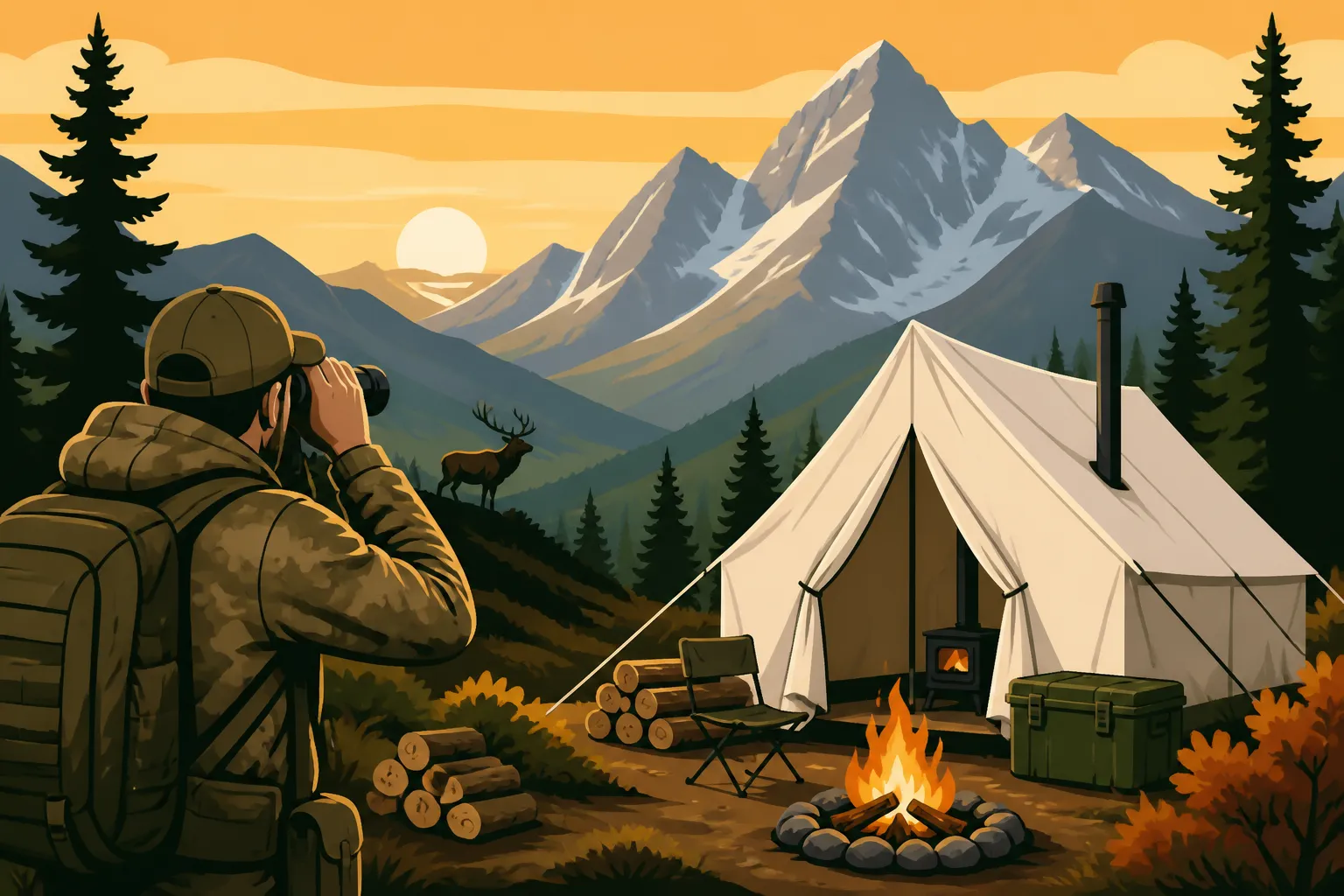
When you picture a classic hunting camp in the wilderness, chances are a wall tent springs to mind. There’s something deeply nostalgic and incredibly practical about these canvas structures. They represent a commitment to the hunt, a willingness to immerse yourself fully in the landscape, and a promise of warmth and shelter when the weather turns nasty, which it often does in Alberta’s expansive backcountry.
The Classic Backcountry Experience: What Makes a Wall Tent Special
Unlike backpacking tents or even smaller canvas shelters, a wall tent offers true standing room and the ability to heat a substantial interior space with a wood stove. This isn’t just about comfort; it’s about endurance. Being able to stand up, stretch, dry wet gear, and warm yourself by a crackling fire after a long day afield can be the difference between a miserable trip and a memorable one. It transforms a simple sleep-over into a proper expedition base camp. We’re talking about a space where you can strategize, eat real meals, and truly relax, rather than just hunker down. It’s the kind of camp that fosters camaraderie and tales around the stove, a true connection to the hunting heritage that runs deep in Alberta.
Many hunters find that the wall tent experience itself is a significant part of the adventure. There's a satisfaction in setting up a sturdy, functional camp that becomes your haven. The sound of rain on canvas, the smell of woodsmoke, and the warmth radiating from the stove create an atmosphere that simply can't be replicated by modern, lightweight shelters. It’s a deliberate choice to slow down, embrace the elements, and live simply, but comfortably, in the wild.
Why Wall Tents for Extended Stays: Comfort and Practicality in Remote Areas
Hunting in Alberta, particularly for species like moose or elk in the boreal forest or deep in the foothills, often means committing to an extended stay far from any amenities. Hauling in groceries, water, and extra gear for a week or more isn't feasible with just a backpack. This is where wall tents shine. Their larger footprint allows for cots, tables, and a dedicated cooking area, making long durations much more manageable. You can bring more substantial food, dry goods, and even a small cooler for perishables, allowing for a more varied and nutritious diet than dehydrated meals alone.
The ability to maintain a consistent internal temperature with a wood stove is also invaluable. Alberta's weather can be notoriously unpredictable, with warm fall days quickly giving way to freezing nights or even early blizzards. A good wall tent with a properly burning stove provides a reliable sanctuary from wind, snow, and bone-chilling cold. This warmth means better sleep, which translates to more energy and focus for the hunt itself. It also allows you to dry out gear, ensuring you always head out with warm, dry boots and clothes, which is paramount for safety and comfort in demanding conditions.
The Types of Backcountry a Wall Tent Suits
Wall tents are incredibly versatile and can be found in various backcountry settings across Alberta. From the dense, boggy expanses of the northern boreal forest to the rugged river valleys of the foothills and even certain accessible pockets of the mountains, they serve as crucial hunting platforms. Their robust construction and ability to shed heavy snow make them ideal for regions that see significant precipitation or early winter conditions.
Consider hunting areas where access might be limited to quads or horseback, but where you still want a comfortable base for several days. Think of setting up on an old cutline deep in moose country, or tucked into a timber pocket in the foothills for elk. These are the scenarios where a wall tent excels. They offer a semi-permanent camp solution that maximizes comfort without sacrificing the remote feel of a true wilderness hunt. However, they aren't meant for true backpack hunting where every ounce counts; rather, they are for hunts where you can reasonably get your gear to a desired location and establish a solid base.
Essential Gear and Setup for Your Alberta Wall Tent Camp
Setting up a wall tent camp isn't like pitching a dome tent. It requires forethought, the right equipment, and a bit of elbow grease. But the payoff in comfort and utility is immense.
Choosing Your Wall Tent and Stove System
When it comes to the tent itself, canvas weight and treatment are critical. Look for a heavy-duty canvas, often 10-12 oz, treated for water and mildew resistance. The size will depend on your group and how long you plan to stay. For two to four hunters, a 10×12 or 12×14 foot tent offers a good balance of space and manageability. Larger tents, like 14×16 or 16×20, are fantastic for bigger groups or if you plan to spend a lot of time in camp, but they are significantly heavier and more challenging to set up.
The stove is the heart of a wall tent camp. A well-designed wood stove with a spark arrestor and damper is non-negotiable for safety and efficiency. Stoves come in various sizes; match the stove size to your tent dimensions to ensure adequate heating. Look for models with a flat top for cooking, and a sturdy, collapsible pipe system that packs down easily. Remember to bring plenty of seasoned firewood, or plan to cut it on-site if regulations allow and you have the proper tools and permits. Never underestimate how much wood a stove can consume in a cold Alberta night.
| Item Type | Key Considerations | Why It Matters for Wall Tents |
|---|---|---|
| Tent Canvas | 10-12 oz treated canvas | Durability, weather resistance, longevity |
| Tent Frame | Internal or external pole system | Ease of setup, interior space, stability |
| Wood Stove | Size, material, spark arrestor, damper | Efficient heating, cooking, fire safety |
| Stove Pipe | Collapsible, proper diameter | Safe exhaust, packability |
| Floor | Heavy-duty tarp or custom fit | Cleanliness, insulation, moisture barrier |
| Sleeping | Cots, sleeping pads, cold-weather bags | Comfort, warmth, off-ground sleeping |
| Lighting | Propane lanterns, LED string lights | Ambiance, visibility in camp |
| Cooking | Camp stove (backup), pots, utensils | Meal preparation, hot drinks |
| Water | Filters, jugs, collapsible containers | Hydration, cooking, washing |
Beyond the Canvas: Critical Camp Gear and Supplies
A wall tent is just a shell without the right interior. Cots or sleeping pads raised off the ground are essential for warmth and comfort. Don't skimp on your sleeping bags; Alberta nights can be brutally cold, even inside a heated tent. Hunting Alberta Winter Weather Safely emphasizes just how quickly conditions can change. Bring a heavy-duty tarp for a floor to keep dirt and moisture out, and a small area rug can add a touch of home.
For cooking, while the wood stove is great, a separate propane camp stove offers quick boiling water and a reliable backup. You'll need durable pots, pans, plates, and utensils. Don't forget a substantial cooler or two for food storage, especially if you're taking advantage of general season opportunities for species like deer. For longer trips, consider robust dry boxes to keep food and gear safe from rodents and moisture. First aid kits, repair kits for the tent and stove, and plenty of light sources like propane lanterns and battery-powered LED strings are also crucial. Make sure you have a reliable communication device, such as a satellite messenger, as cell service will likely be non-existent. Emergency Plans in Alberta's Backcountry outlines further safety considerations.
Site Selection and Environmental Considerations
Choosing the right location for your wall tent camp is paramount. Look for a relatively flat, well-drained area, preferably with some natural shelter from strong winds, like a stand of mature timber. Proximity to a reliable water source is a huge plus, but ensure it's safe to filter or treat. Consider access for packing in your gear; you don't want to drag a heavy tent and stove through thick bush if you can avoid it. An old logging road or seismic line can be perfect for access.
Environmental impact is also a major consideration. Always practice Leave No Trace principles. Minimize your footprint, pack out everything you pack in, and dispose of human waste properly. If cutting firewood, ensure you have permission and only take deadfall, following any specific regulations for the area. Building a safe fire ring for outside cooking or warmth, distinct from the stove, should also be done with care, ensuring it's completely extinguished before leaving. Familiarize yourself with Camping Rules on Alberta Crown Land before you head out.
Navigating the Logistics of a Wall Tent Hunt in Alberta
A wall tent hunt isn't just about the gear; it's about the planning, access, and knowing the rules.
Accessing Remote Wall Tent Locations
The very nature of a wall tent camp implies a hunt in a more remote setting. This means thinking critically about how you’ll get your substantial amount of gear to your chosen spot. For many areas in Alberta, this involves using an All-Terrain Vehicle (ATV) or side-by-side. These machines can haul heavy loads over rough trails, making quick work of what would be an arduous hike with pack frames. Remember to check local Public Land Use Zone (PLUZ) regulations, as not all areas permit motorized access, or may have seasonal restrictions. Quad and Side-by-Side Rules on Crown Land provides specific guidance.
For truly deep wilderness or mountainous regions, horses might be your only viable option. Outfitters specializing in pack trips can transport your wall tent and supplies into areas inaccessible by vehicle. Hunting Alberta's Mountain WMUs and Their Access highlights the challenges and rewards of such ventures. Alternatively, some determined hunters might choose to make multiple trips on foot with heavy-duty pack frames, but this is incredibly demanding and usually reserved for shorter distances from a primary vehicle access point. Regardless of your method, scouting the access route beforehand is crucial to avoid unpleasant surprises.
Permits, Regulations, and Crown Land Rules
Before you even load up, you need to know where you can legally set up a wall tent. In Alberta, most wall tent camping occurs on Crown Land, specifically within designated Public Land Use Zones (PLUZs) or other general Crown Land areas. Each PLUZ has its own set of rules regarding random camping, motorized access, and firewood collection. It's not a free-for-all, and understanding these regulations is critical to avoid fines or disrupting other users.
You'll need an Alberta hunting license and relevant tags for the species you're pursuing in that specific Wildlife Management Unit (WMU). Ensure you have permission if you're even contemplating private land, which is rare for wall tent setups. For any Crown Land, specifically check the Alberta Public Land Use Zones website for the precise rules pertaining to your intended area. Some zones might require random camping permits, while others allow it freely. Always err on the side of caution and verify the latest regulations, as they can change. Setting up a wall tent in a protected area or on private land without explicit permission is a serious offense.
Food, Water, and Game Care in a Backcountry Camp
Sustaining yourself and your hunting partners in a wall tent camp means meticulous planning for food and water. For water, consider a large, durable water jug for your primary supply, supplemented by a reliable water filter or purification tablets for refilling from natural sources. Don't underestimate daily water needs for drinking, cooking, and basic hygiene.
Food planning is an art form for longer trips. While freeze-dried meals have their place, the beauty of a wall tent is the ability to cook more elaborate, comforting meals. Think about hardy stews, chili, breakfast burritos, and plenty of snacks. Pre-prep ingredients at home to minimize work in camp. Store all food in bear-resistant containers or hung from a bear pole if in active bear country.
And, of course, the ultimate goal: game care. If you're successful, you'll need a plan for processing and preserving your harvest. Meat Care in Alberta's Cold and Warm Swings is a must-read, as fluctuating temperatures can quickly spoil meat. Have game bags, knives, a sharpening steel, and a small bone saw ready. In a wall tent camp, you often have the space to hang meat overnight (properly protected from scavengers) before packing it out. Consider how you will quarter and cool the animal, especially in warmer early season hunts.
The Realities: Advantages and Challenges of Wall Tent Hunting
While the romance of a wall tent hunt is strong, it's important to go in with eyes wide open about both its unparalleled benefits and its inherent difficulties.
The Unmatched Comfort and Basecamp Potential
The primary advantage of a wall tent is the sheer level of comfort it provides in a remote setting. The ability to stand up, move around, and dry wet gear by a roaring wood stove is a game-changer for multi-day hunts. It creates a genuine basecamp where hunters can return each evening, warm up, refuel, and recharge. This isn't just about luxury; it significantly boosts morale and physical well-being, directly contributing to hunting success. Imagine coming back soaked and frozen after a long stalk, knowing a warm, dry haven awaits you. That feeling is priceless.
Furthermore, a wall tent allows for a more organized camp. With space for cots, a table, and shelves, gear can be stored efficiently, keeping the tent tidy and preventing lost items. It creates a social hub where hunting stories are shared, plans are made for the next day, and lifelong memories are forged. This aspect is particularly valuable for group hunts, fostering teamwork and camaraderie that can make the difference on a challenging trip. For hunters looking to truly immerse themselves in a wilderness experience without sacrificing all creature comforts, the wall tent is hard to beat. If you're planning on using an outfitter, it's worth checking out resources like BookYourHunt or GoHunt, as many offer wall tent camps as part of their packages, giving you a turnkey backcountry experience.
The Physical Demands and Preparation Required
While wall tents offer comfort, getting them set up and maintaining them is no small feat. Hauling a heavy canvas tent, a steel stove, and all the associated gear into the backcountry requires significant physical exertion. Even with ATV access, there's still a lot of lifting, dragging, and physical labor involved in setting up the frame, pitching the tent, and preparing the interior. This is not a hunt for the unprepared or those with physical limitations, unless you have ample assistance.
Once set up, the work doesn't stop. Keeping the wood stove fed, especially in colder weather, is a constant chore. This means frequent trips to collect or cut firewood, often in deep snow or challenging terrain. Water also needs to be sourced and transported, and general camp maintenance, like cleaning and organizing, becomes part of the daily routine. A wall tent hunt demands a level of self-sufficiency and resilience that some other hunting styles don't. It's a commitment that starts long before you even leave home, involving fitness training and detailed logistical planning.
Weather, Wildlife, and Unexpected Backcountry Scenarios
Alberta’s backcountry is wild, and a wall tent camp is fully exposed to its temperament. Extreme weather can roll in quickly, from blizzards that dump feet of snow overnight to sudden, powerful windstorms that test your tent's anchoring. You must be prepared for anything, ensuring your tent is securely pitched and your gear is weatherproof. Hunting Alberta Winter Weather Safely provides crucial advice for these conditions.
Wildlife encounters are also a distinct possibility. While bears are typically denning during the late fall hunting seasons, they can still be active, and other animals like wolves, coyotes, and various rodents are always present. Proper food storage and camp hygiene are essential to avoid attracting unwanted visitors. The remoteness of a wall tent camp also means that any emergency, from a hunting accident to a medical issue, becomes significantly more serious. Access to help is limited, and response times will be extended. Having a comprehensive first-aid kit, knowing basic wilderness first aid, and carrying a satellite communication device are absolutely vital. Always let someone know your exact itinerary and expected return time. This type of hunting requires a heightened sense of awareness and preparedness for the unexpected.
Disclaimer
This article is for general informational purposes only and does not constitute professional advice. Laws, prices and regulations vary by location and change over time. Consult a qualified professional for guidance on your specific situation.