Alberta Migratory Bird Permits
Hunting migratory birds in Alberta can feel like navigating a maze of paperwork and rules, especially when you're trying to figure out if you need just one licence or several, and who issues what. It's a common frustration for both seasoned hunters and newcomers, trying to ensure you're compliant with both provincial and federal regulations. This comprehensive guide is designed to clarify all your questions about Alberta migratory bird permits, ensuring you have everything you need to hit the fields and potholes legally and confidently.
Understanding the Foundation: Your Alberta Hunter's Toolkit
Before you even think about migratory birds specifically, it's crucial to understand the foundational requirements for any hunting activity in Alberta. The province has a layered system that ensures hunters are educated, identifiable, and have paid their dues to wildlife conservation. Don't let the bureaucratic hurdles scare you off; think of these as your entry passes to some of the best hunting experiences in Canada. It's all about ensuring sustainable practices and responsible hunting.
The Essential WIN Card and Wildlife Certificate
Every hunter in Alberta, resident or non-resident, must possess a Wildlife Identification Number (WIN) card. This isn't just a piece of plastic; it's your permanent client identification with Alberta Environment and Parks. It allows the province to track your licences, draws, and ensure you meet all the necessary prerequisites for hunting. Without a valid WIN card, you simply cannot purchase any hunting licences or apply for draws.
Alongside your WIN card, you'll need an annual Alberta Wildlife Certificate. This certificate acts as your general permission to hunt within the province for a given season, provided you have the appropriate species-specific licences. Think of it as your annual subscription to hunting in Alberta. It's a mandatory purchase and covers the general costs of wildlife management and conservation efforts that benefit all species, including migratory birds. Many hunters get their WIN card and Wildlife Certificate sorted out well before the season, often while researching Alberta Hunting Licences and What They Cost.
The Alberta Hunter Education and Conservation Course
For most new hunters in Alberta, completing the Alberta Hunter Education and Conservation Course is a non-negotiable step. This course covers everything from firearm safety and wildlife identification to ethical hunting practices and the legal framework governing hunting in the province. It's designed to create responsible, knowledgeable hunters who understand their role in conservation. Even if you've hunted elsewhere, or if you're an experienced shooter, the specific provincial nuances covered in this course are invaluable.
While there are specific exemptions for those who previously held Alberta hunting licences or certain military/police training, for the vast majority, this course is a rite of passage. It ensures a baseline of knowledge and responsibility across the hunting community. Successfully completing this course is usually a prerequisite to obtaining your first Wildlife Certificate and subsequently any game bird licences. You can find more information about Alberta Hunter Education Requirements online.
Navigating the Federal Layer: Canadian Migratory Game Bird Hunting Permits
This is where the federal aspect comes into play, and it’s a critical distinction for migratory bird hunters. While the province manages resident game birds like grouse and partridge, migratory birds like ducks, geese, and sandhill cranes fall under federal jurisdiction due to their cross-border movements. This means an additional permit is required, issued by the Government of Canada.
Who Needs a Federal Permit and Why
Anyone hunting migratory game birds anywhere in Canada, including Alberta, needs a Canadian Migratory Game Bird Hunting Permit. It's not just a suggestion; it's a legal requirement enforced by Environment and Climate Change Canada. This permit allows the federal government to regulate harvest levels, collect data on hunting activity, and fund conservation initiatives that protect migratory bird populations and their habitats across North America. The funds from these permits directly support wetlands and upland habitat projects through the Canadian Wildlife Habitat Conservation Stamp.
This permit is necessary whether you're targeting ducks in a flooded pothole, setting up a goose spread in a stubble field, or pursuing sandhill crane. It's a universal requirement for these species, regardless of your residency status in Alberta or Canada. So, even if you're a long-time Alberta resident with all your provincial paperwork in order, you cannot legally hunt migratory birds without this federal permit.
Purchasing Your Federal Permit and Canadian Wildlife Habitat Conservation Stamp
The federal migratory game bird hunting permit isn't something you get at a local sporting goods store counter anymore. It’s primarily purchased online through the Environment and Climate Change Canada website or Canada Post. When you purchase this permit, you are also automatically required to purchase the Canadian Wildlife Habitat Conservation Stamp. This stamp is an integral part of the permit and is affixed to the physical permit. The revenue from the sale of these stamps is directed towards habitat conservation projects across the country, making every purchase a direct contribution to the future of migratory birds.
It's a straightforward online process, but it's essential to do it before you head out. Don't wait until opening morning to realize you haven't got this critical piece of paper. The cost is usually quite modest, but the impact of those funds on habitat preservation is significant. Once purchased, print a copy of your permit and stamp, and carry it with you at all times while hunting migratory birds.
Important Rules and Regulations Specific to the Federal Permit
Beyond simply possessing the permit, there are several federal regulations that all migratory bird hunters must adhere to. These often pertain to daily bag limits and possession limits, which dictate how many birds of each species you can harvest in a day and how many you can have in your possession at any given time. These limits are critical for managing populations and are strictly enforced. Exceeding them can result in hefty fines and penalties.
Another key federal rule is the requirement to use non-toxic shot when hunting migratory birds. This rule is in place to prevent lead poisoning in birds that ingest spent shot pellets while feeding. Non-Toxic Shot for Alberta Waterfowl is a must, and it applies to all migratory bird hunting, including ducks, geese, cranes, and snipe. Using lead shot for these species is illegal and can have severe environmental consequences. Always double-check your ammunition to ensure it's approved non-toxic shot (steel, bismuth, tungsten, etc.) before heading into the field.
Alberta's Specifics: Provincial Migratory Bird Regulations
While the federal government sets the broad strokes for migratory bird hunting, Alberta also has its own specific regulations that hunters must follow. These provincial rules often overlay or complement the federal ones, providing more localized management and sometimes stricter limits or unique season dates depending on specific Wildlife Management Units (WMUs). This is where things can get a bit confusing, so careful attention to detail is paramount.
Provincial Season Dates and Bag Limits
Alberta's hunting regulations outline specific season dates and bag limits for various migratory bird species within different zones of the province. While the federal permit is universal, the actual dates you can hunt and the number of birds you can harvest will depend on the provincial regulations for your specific hunting area. For instance, Alberta Duck Season Dates and Goose Season Dates by Zone can vary significantly between the North, Central, and South hunting zones. It's not uncommon for seasons to open or close at different times, or for daily bag limits to be adjusted based on local population assessments and migration patterns.
For example, a hunter pursuing Hunting Alberta's Sandhill Crane Season might find different regulations than someone focused on ducks in the same general area, or different rules if they move from the parkland zone to the northern boreal forest. Always consult the current Alberta Guide to Hunting Regulations to confirm the specific dates and limits for the species you intend to hunt and the WMU you'll be in. This is your definitive source for provincial rules and overrides any general information you might find elsewhere.
Non-Toxic Shot Requirements and Their Importance
As mentioned, federal law mandates non-toxic shot for migratory birds. Alberta reinforces this with its own regulations. This isn't just a suggestion; it's a critical environmental protection measure. Lead shot, when ingested by birds, causes lead poisoning, which can be fatal. This can happen when birds sift through sediment for food, picking up spent pellets. Raptors and scavengers can also be poisoned by eating birds that have lead shot embedded in their tissues.
The move to non-toxic shot has been a massive step forward in waterfowl conservation. Modern non-toxic alternatives like steel, bismuth, and various tungsten alloys are highly effective and perform well in the field. While they might behave slightly differently than lead, with practice, hunters can easily adapt. Understanding these requirements is fundamental to responsible waterfowl hunting in Alberta, ensuring you're not inadvertently harming the very wildlife you cherish.
Decoys, Blinds, and Ethical Hunting Practices
Alberta's regulations also touch upon ethical hunting practices, including the use of decoys and blinds. While general hunting ethics apply across the board, specific nuances for migratory birds often relate to ensuring fair chase and preventing undue stress on bird populations. For example, laws often dictate how close you can be to bait, or the use of electronic calls, although specific regulations vary. For most waterfowl hunters, setting up a realistic decoy spread, like when Setting a Goose Spread in Swathed Barley, and camouflaging yourself in a blind is standard practice and perfectly legal.
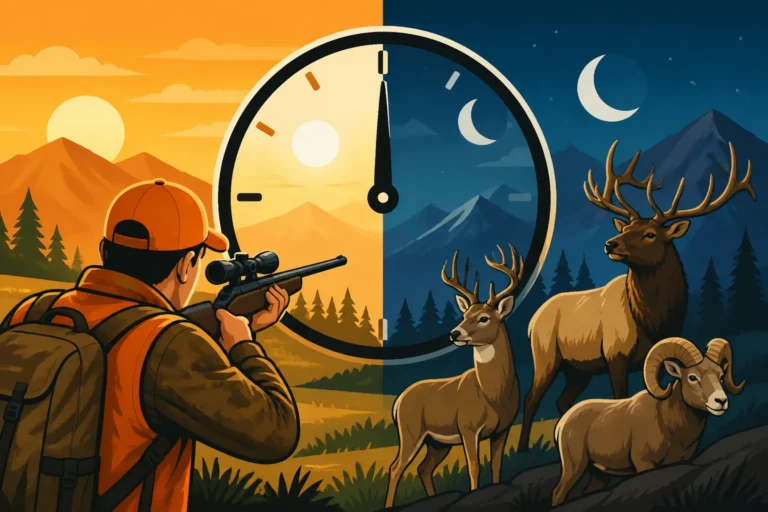
However, always be mindful of local bylaws or specific land access rules that might restrict blind construction or vehicle access. Beyond legality, ethical hunting dictates clean kills, quick retrieval of downed birds, and respectful treatment of the land. It’s also important to remember that provincial regulations define legal hunting hours, typically from one-half hour before sunrise to one-half hour after sunset, for most game birds. Adhering to these principles ensures that the hunting tradition remains respected and sustainable for future generations.
Planning Your Hunt: Species, Zones, and Access
With the permits and regulations sorted, the next step is to plan your actual hunt. Alberta is a diverse province, offering incredible opportunities for various migratory bird species across different landscapes. Understanding these elements will significantly improve your chances of a successful and rewarding experience.
Key Migratory Bird Species in Alberta
Alberta is a critical staging ground and breeding area for a vast array of migratory birds, making it a duck and goose hunter's paradise. The province lies within the Central Flyway, meaning millions of birds pass through annually.
- Ducks: You'll find a wide variety of duck species, including mallards, pintails, wigeon, gadwall, green-winged and blue-winged teal, and various divers like canvasbacks and redheads. Which Ducks Nest in Alberta's Pothole Country is a common question, as the prairies are often called "the duck factory" for a reason. Each species has its preferred habitat, from small prairie potholes to large lakes and rivers.
- Geese: Canada geese are abundant, but you'll also encounter Greater White-fronted Geese (often called Specklebellies), and Snow Geese. When Snow Geese Pass Through Alberta can be a spectacle, with hundreds of thousands moving through the province, especially in late season. Hunting different species of geese often requires slightly different tactics, whether it's Field Hunting Geese in Alberta Stubble or setting up massive spreads for snows.
- Sandhill Cranes: Alberta also offers unique opportunities for Sandhill Cranes, which migrate through the province in significant numbers. Their distinctive calls and large size make for an exciting hunting experience, although their season and bag limits are typically more restricted.
- Other Migratory Birds: Don't forget about other species like Common Snipe and American Coot, which also fall under migratory bird regulations and can offer additional hunting opportunities.
Understanding Hunting Zones and Their Impact
Alberta is divided into several migratory bird hunting zones – North, Central, and South. These zones have distinct opening and closing dates and sometimes different bag limits to account for varying migration patterns and local populations. Birds generally arrive and depart earlier in the northern zones and later in the southern ones, influenced by weather and food availability. It's absolutely crucial to identify which zone you'll be hunting in and to check the specific regulations for that zone.
For example, a hunter chasing early-season mallards might focus on the North Zone, while someone hoping for late-season snow geese might target the South Zone. The difference in dates can be several weeks, making proper zone identification non-negotiable for legal hunting. Planning your hunt around these zones is key to maximizing your time and opportunities, especially if you're targeting specific birds at their peak migration.
Gaining Access for Waterfowl Hunting
Access to prime migratory bird hunting ground in Alberta is a combination of public and private land opportunities. Much of the best waterfowl hunting takes place on private agricultural land, particularly stubble fields where ducks and geese feed. This means securing landowner permission is often essential. Getting Permission for a Goose Field requires polite, respectful interaction with landowners, often well in advance of the season. Always ask first, respect their property, and leave gates as you found them. Building good relationships with landowners can lead to consistent access for years.
Public land options also exist, including numerous Crown land parcels, Provincial Grazing Reserves, and certain designated Public Land Use Zones. Additionally, organizations like the Alberta Conservation Association (ACA) manage various conservation sites that offer public access for hunting. These lands often feature small wetlands, potholes, or river stretches that can hold migratory birds. Resources like the GoHunt platform can be invaluable for identifying potential hunting spots, including public lands and even some private land that offers access. Using mapping tools to find Scouting Fields for Alberta Waterfowl or identifying key feeding areas and flight paths can give you a significant edge.
Common Pitfalls and Pro Tips for Migratory Bird Hunters
Even with all the permits and regulations understood, there are always those little things that can trip you up or make your hunt less successful. A little foresight and some practical advice can go a long way in ensuring a smooth and enjoyable migratory bird season.
Avoiding Common Permit and Regulation Mistakes
The biggest mistake hunters make is often assuming that one permit covers everything, or that rules are the same year to year. Never assume. The regulations can change annually, so always consult the most current Alberta Guide to Hunting Regulations and the federal migratory bird regulations before each season.
- Forgetting the Federal Permit: This is perhaps the most common oversight. You have your Alberta Wildlife Certificate and your game bird licence, but if you forget that separate federal permit and stamp, you're hunting illegally when targeting ducks or geese.
- Incorrect Shot Type: Using lead shot for migratory birds is a quick way to earn a hefty fine. Ensure all your shells are clearly marked non-toxic.
- Misinterpreting Zones or Dates: Hunting in the wrong zone or outside of legal season dates for that specific area is another frequent error. Always double-check your WMU and corresponding dates.
- No Landowner Permission: Trespassing is illegal and can damage the reputation of all hunters. Always secure explicit permission before hunting on private land. Tools like GoHunt might help identify land ownership, but a face-to-face conversation is always best for gaining access.
Practical Advice for a Successful Season
Success in migratory bird hunting often comes down to scouting, preparation, and adaptability.
- Scout, Scout, Scout: Waterfowl are creatures of habit, but those habits can change daily based on weather, feed, and pressure. Spend time Scouting Fields for Alberta Waterfowl before your hunt. Look for flight paths, feeding patterns, and where birds are loafing. Early morning and late evening scouting trips can be incredibly informative.
- Weather is Key: Migratory bird movement is heavily influenced by weather. Cold fronts, snow, and strong winds can push new birds into an area or move existing ones out. Pay close attention to the forecast and be prepared to adjust your plans. Sometimes, the nastier the weather, the better the hunting!
- Decoy Spreads Matter: Whether you're targeting ducks in a Pothole Hunting Ducks on Small Water or geese in a huge field, a realistic and well-placed decoy spread is crucial. Research different spreads for the species you're after and practice setting them up efficiently.
- Dress for the Elements: Alberta's weather can be unpredictable. Layers are your friend. Waterproof and windproof outerwear is essential, as is good insulation. Cold, wet hunters don't stick it out long enough for the best shooting opportunities.
Using Technology for Better Scouting
In today's hunting world, technology can be a game-changer, especially for migratory bird hunters trying to locate birds and understand access. Mapping applications, like those found within GoHunt's robust platform, offer invaluable aerial imagery, land ownership overlays, and public land boundaries. This allows you to identify potential feeding fields, water bodies, and assess access points even before you leave the house. You can pinpoint specific fence lines, isolated potholes, or areas of cover that might hold birds.
Furthermore, many hunters use weather apps to track fronts and wind direction, which are critical for setting up decoys and anticipating bird movements. Online resources and forums can also provide real-time updates on migration patterns, allowing you to gauge when different species might be moving into your chosen Alberta WMU Before Season. Embrace these tools to enhance your scouting efforts and make the most of your time in the field, turning what used to be guesswork into informed decisions.
| Permit/Certificate Type | Issuer | Purpose | Cost (Approx.) | Required For | Notes |
|---|---|---|---|---|---|
| WIN Card | Alberta Prov. | Permanent hunter ID, prerequisite for all licences | $8-$10 | All Hunting (Big Game, Game Bird, Migratory) | Lifetime ID, must be valid. |
| Alberta Wildlife Certificate | Alberta Prov. | Annual general hunting permission & conservation contribution | $25-$30 | All Hunting (Big Game, Game Bird, Migratory) | Annual purchase, mandatory. |
| Alberta Game Bird Licence | Alberta Prov. | Allows hunting of specific game bird species (Upland & Migratory) | $20-$30 | Game Bird Hunting (Includes Migratory) | Required in addition to federal permit for migratory birds. |
| Canadian Migratory Game Bird Hunting Permit | Federal (ECCC) | Specific federal permission for migratory game birds, funds conservation | $15-$20 | Migratory Bird Hunting (Ducks, Geese, Cranes) | Mandatory for all migratory birds, includes Conservation Stamp. |
| Canadian Wildlife Habitat Conservation Stamp | Federal (ECCC) | Integrated with federal permit, funds habitat projects | Included | Migratory Bird Hunting (Ducks, Geese, Cranes) | Automatically purchased with federal permit, vital for conservation. |
Disclaimer
The information provided in this guide is for general informational purposes only and does not constitute legal advice. Hunting regulations in Alberta and Canada are subject to change. It is the hunter's sole responsibility to consult the official Alberta Hunting Regulations and the federal Migratory Birds Regulations published by Environment and Climate Change Canada each season to ensure full compliance with all current laws and regulations. Failure to do so may result in fines or penalties.