When Alberta’s Draw Applications Open
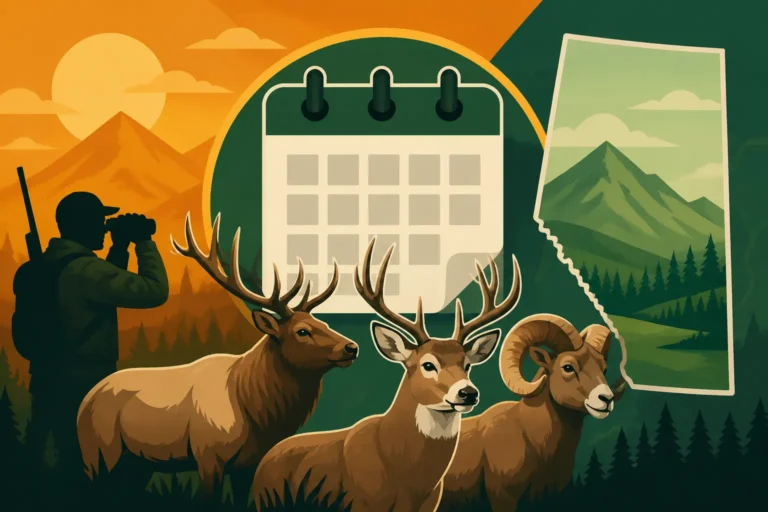
There's nothing quite as frustrating as meticulously planning your Alberta hunting season, scouting spots, and dreaming of that tag, only to realize you've missed the crucial window to even apply for the species you want. It's a gut punch that many hunters have felt. This guide is here to ensure you understand exactly when Alberta's special licence draw applications open, so you can mark your calendar, be prepared, and significantly increase your chances of securing those coveted tags.
Understanding Alberta's Special Licence Draw System
Alberta's hunting draws are a unique beast, and if you're new to the province or haven't navigated the system before, it can feel a bit overwhelming. But it's a vital process for accessing many of our most sought-after big game animals.
Why Draws are Necessary in Alberta
The primary reason Alberta employs a draw system for certain species and areas is straightforward: conservation and fair allocation. Imagine if everyone could simply buy a tag for a bull moose in a prime management unit – those populations would quickly dwindle under immense pressure. Instead, the province uses draws to manage harvest levels, ensuring healthy wildlife populations for future generations of hunters. This means that species like moose, elk, mountain goat, and even some whitetail and mule deer opportunities in specific Wildlife Management Units (WMUs) are regulated through a limited number of special licences, while bighorn sheep are handled differently: residents can buy class 1 (trophy) sheep licences, with draws limited to class 2 (non-trophy) sheep and a handful of WMU-special class 1 draws. These draws help distribute hunting pressure and provide a fair chance for resident hunters to pursue these magnificent animals. It's a system designed to keep our wild places wild and our hunting opportunities sustainable.
The WIN Card and Wildlife Certificate Prerequisite
Before you even think about applying for a special licence draw, there are two absolutely non-negotiable items you need in your possession: an Alberta Wildlife Identification Number (WIN) Card and a valid Wildlife Certificate. These aren't just suggestions; they are the fundamental keys to unlocking any hunting opportunity in Alberta. Your WIN Card is your unique identifier within the provincial system, a bit like a hunter's ID number, and it's mandatory for purchasing any hunting or fishing licence, applying for draws, or even registering for hunter education courses. Without an active WIN Card, the system simply won't let you proceed with any licence transaction.
The Wildlife Certificate, on the other hand, is proof that you're eligible to hunt in Alberta for the current licence year. It covers the administrative costs associated with wildlife management and conservation efforts. Think of it as your annual permission slip to participate. You must have both your WIN Card and your Wildlife Certificate active and up-to-date before you can submit a draw application. Many a hunter has been caught off guard, scrambling to renew their WIN Card or purchase a Wildlife Certificate on the application deadline day, only to find themselves running out of time. Don't let that be you! Make it a habit to check these early in the spring, well before the draw window even opens. You can find more detailed information on acquiring these essentials in our guides, "Getting an Alberta WIN Card" and "What the Wildlife Certificate Covers".
Key Dates and Application Windows for Alberta Draws
Knowing when the application period opens is half the battle won. Get these dates wrong, and your hunting plans could be derailed before the season even begins.
General Application Opening Dates
For the vast majority of Alberta's special licence draws, the application period typically kicks off in early April. While the exact date can shift slightly from year to year, usually by a day or two, you can reliably expect the system to open for applications in the first week of April. This is a critical time for resident hunters, as it marks the beginning of the annual scramble for those coveted draw tags. The Alberta Environment and Parks (AEP) website, specifically the Alberta RELM (Recreational Online Licence and Permit) system, is where all the magic happens. This is your go-to portal for purchasing licences, applying for draws, and checking results.
It's absolutely paramount to be ready on or very close to that opening date. While it's not a first-come, first-served system (your application's submission time within the window doesn't affect your odds, only your priority points do), getting it done early ensures you don't forget or run into last-minute technical glitches. Imagine waiting until the last few days only to find your internet is down or the system is experiencing heavy traffic. That stress is entirely avoidable. So, mark your calendars for early April, set a reminder, and be prepared to jump onto albertarelm.com. Keep an eye on official announcements from Alberta Fish and Wildlife for the precise opening date each year. And remember, while the opening is in April, the deadline usually isn't until late May or early June, giving you a good window, but don't procrastinate! For more details on the submission timeframe, check out "Alberta's Draw Application Deadline".
Species-Specific Application Periods and Considerations
While the general application window for most big game draws opens in early April, it's worth noting that the system allows you to apply for multiple species within that broad window. However, there are nuances and considerations for different animals:
- Moose, Elk, Mountain Goat, and Pronghorn: These are the big players in the draw system. Bighorn sheep are the exception: residents buy class 1 (trophy) sheep licences rather than drawing for them, and draws exist only for class 2 (non-trophy) sheep (draw 29) and a few WMU-special class 1 draws. Their application periods generally align with that early April opening, and you'll typically submit your choices for these species at the same time. You'll apply for specific WMUs for each species, understanding that your priority points will dictate your chances. If you're eyeing a bull moose in the boreal forest or a trophy pronghorn on the prairie, this is your main window. For those interested in improving their chances, resources like GoHunt offer data-driven insights into draw odds for specific WMUs, which can be invaluable when making your selections. You might find our posts "Alberta Moose Draw Odds by WMU" and "Alberta Pronghorn Draw Odds by WMU" helpful in strategizing your applications.
- Antlerless Deer (Whitetail and Mule Deer) Supplemental Licences: While general tags for antlered deer are often available over the counter, supplemental antlerless licences for specific WMUs are typically handled through a draw system as well. However, the application period for these supplemental antlerless draws often opens later in the summer, usually around July. These draws provide additional opportunities to harvest antlerless deer in areas where populations might need extra management, or where landowners are experiencing crop damage.
- Second Chance and Leftover Licences: After the main draw results are posted (usually mid-June), any remaining special licences that weren't allocated through the draw (or were declined) are often put up for sale on a first-come, first-served basis. These "leftover" licences typically become available in late June or early July and can present excellent opportunities for hunters who weren't successful in the main draw, or those who simply want an additional tag. These also have specific, albeit later, opening dates, so staying informed is crucial.
Here's a quick overview of typical draw application opening times for common species:
| Species | Typical Draw Application Opens | System for Application |
|---|---|---|
| Moose | Early April | albertarelm.com |
| Elk | Early April | albertarelm.com |
| Bighorn Sheep | Early April | albertarelm.com |
| Mountain Goat | Early April | albertarelm.com |
| Pronghorn | Early April | albertarelm.com |
| Antlerless Deer (Initial) | Early April | albertarelm.com |
| Antlerless Deer (Supplemental) | Mid-Summer (July) | albertarelm.com |
| Leftover Licences | Late June / Early July | albertarelm.com (First-Come) |
Always consult the current Alberta Guide to Hunting Regulations for the most accurate and up-to-date information, as dates can change annually.
Navigating the Application Process and Avoiding Pitfalls
Applying for draws can be a bit like navigating a maze, but with a bit of foresight and careful attention, you can make the process smooth and stress-free.
Setting Up Your Account and Staying Informed
Your journey through the Alberta draw system begins and ends with the Alberta RELM (Recreational Online Licence and Permit) website, which can be found at albertarelm.com. If you haven't already, creating an account on this platform is your first critical step. Don't wait until the draw applications open to do this! Set up your account well in advance, ensure all your personal details (including your WIN Card number) are correct and current. It's a simple process, but it requires a bit of time and attention. Having your account squared away means you can log in on the opening day and focus solely on selecting your draw choices.
Beyond just setting up your account, staying informed is key. The Alberta Fish and Wildlife website is your official source for all regulatory updates, season dates, and draw information. Make it a habit to check it regularly in the lead-up to April. Many veteran hunters also subscribe to newsletters from Alberta Environment and Parks or follow their social media channels for direct announcements about draw openings and changes to regulations. Utilizing online tools like GoHunt can also be incredibly beneficial. Platforms like this aggregate official data and often provide alerts, helping you stay on top of application windows, specific WMU information, and draw odds. For a deeper dive into the technical side, check out "How Alberta's Draw Application Works".
Common Mistakes and How to Prevent Them
Even experienced hunters can stumble through the draw process if they're not careful. Here are some of the most common pitfalls and how you can proactively avoid them:
- Missing the Application Deadline: This is arguably the biggest heartbreak. You might know when the applications open, but if you forget the closing date, all your planning goes out the window. As mentioned, while applications open in early April, they typically close in late May or early June. Don't get complacent. Set multiple reminders in your calendar for both the opening and closing dates.
- Incorrect WMU Choices: Simply picking a WMU that sounds good isn't enough. You need to research the WMUs thoroughly for the species you're pursuing. What are the population trends? What are the draw odds? Is the terrain suitable for your hunting style? Many hunters make the mistake of applying for WMUs with abysmal draw odds without understanding the priority point system, effectively wasting their application.
- Not Understanding Priority Points: Alberta uses a priority point system, especially for high-demand species like certain Moose tags and the WMU-special sheep draws (410, 437, 444/446 and 408). If you apply and are unsuccessful, you gain a priority point. The more points you have, the better your chances in subsequent years. However, if you get drawn for your first choice, your priority points for that species reset to zero. Many hunters don't grasp this fully and are surprised when their points vanish. Our article "How Priority Points Build and Reset" delves into this in detail. Furthermore, understanding the impact of drawing a licence on your priority can be crucial, as outlined in "Why Getting Drawn Resets Your Points".
- Incomplete Applications: It sounds simple, but ensure you hit that final "submit" button and receive a confirmation. Sometimes, hunters navigate all the selections but forget to finalize the process, leading to a rejected application. Double-check your choices, review the summary, and confirm submission.
- Expired WIN Card or Wildlife Certificate: As discussed, these are prerequisites. An expired WIN Card or a missing Wildlife Certificate will prevent your application from going through. Check these weeks before the draw opens.
Using Resources Like GoHunt for Optimal Planning
In today's digital age, hunters have access to incredible tools that can simplify the draw application process and dramatically improve planning. One such valuable resource is GoHunt. This platform isn't just about tracking when Alberta's draw applications open; it's a comprehensive hub designed to give you an edge in your hunting endeavors.
GoHunt allows you to:
- Stay Updated on Draw Dates: While you should always cross-reference with official Alberta Fish and Wildlife sources, platforms like GoHunt often provide timely notifications and clearly display application opening and closing dates for various species across different WMUs. This acts as an excellent secondary reminder system.
- Research WMUs in Depth: GoHunt provides detailed information on Wildlife Management Units, including harvest statistics, success rates, and terrain analysis. This helps you make informed decisions when selecting your draw choices, moving beyond guesswork.
- Analyze Draw Odds and Priority Points: Understanding your chances of drawing a tag is crucial. GoHunt often compiles historical draw data, allowing you to see the minimum priority points required for specific tags in previous years. This insight is gold when you're trying to decide between a long-shot trophy WMU and a more realistic option to build points or secure a tag.
- Mapping and Scouting Tools: Beyond the draw, GoHunt offers robust mapping features. You can explore public land boundaries, analyze topography, and even identify potential hunting spots long before you ever set foot in the field. This can be particularly useful when scouting an Alberta WMU Before Season and helps you visualize what you're applying for.
By integrating a resource like GoHunt into your pre-season planning, you're not just reacting to deadlines; you're proactively strategizing, making more informed choices, and ultimately increasing your enjoyment and success in the Alberta hunting season.
What Happens After the Application Opens (and Closes)
Once you've successfully navigated the application opening and submitted your choices, the next phases involve a bit of patience and strategic thinking.
The Waiting Game and Result Announcements
After the application window closes (typically in late May or early June), there's a period of anticipation before draw results are announced. This "waiting game" can feel like an eternity, filled with checking your email and logging into your RELM account multiple times a day. However, Alberta Fish and Wildlife are usually very consistent with their timelines. Generally, special licence draw results are posted around mid-June. You'll typically receive an email notification or see the results directly when you log into your albertarelm.com account.
It’s crucial to understand that getting drawn is exciting, but it also carries responsibilities. If you are successful, you'll need to purchase your special licence promptly. There’s a deadline for this, and if you miss it, your hard-earned tag could be forfeited. So, once results are posted, check them immediately and take action. To learn more about when you can expect to hear back, our article "When Alberta Draw Results Are Posted" provides further details.
Post-Draw Licences and Second Chances
Even if you weren't successful in the primary draw, or perhaps you're looking for an additional opportunity, the hunting season isn't over. Alberta’s system often provides "second chances" through various means:
- Leftover Special Licences: As mentioned earlier, any special licences that weren't issued through the main draw (either because there were fewer applicants than available licences, or because successful applicants didn't purchase their tag) are made available for purchase on a first-come, first-served basis. These usually become available in late June or early July. These can be fantastic opportunities, especially for species in less-pressured WMUs or for antlerless tags. You'll need to be quick on the trigger as these can sell out very fast!
- Supplemental Antlerless Licences: Beyond the primary draw, Alberta sometimes offers additional antlerless deer licences later in the summer, generally around July. These are often targeted at specific WMUs to help manage deer populations and reduce agricultural damage. These also typically involve a draw application process, separate from the spring big game draw.
- General Licences: For many species, such as general antlered whitetail and mule deer, black bear, wolf, and coyote, you can purchase "general" licences directly, without going through a draw. These are usually available starting in mid-August. This means that even if you strike out on all your draw applications, you can still participate in a significant amount of hunting during the season. Understanding the different types of licences and their availability is key to a full and successful hunting season. Again, keeping an eye on official announcements and using tools like GoHunt can help you stay informed about when these various opportunities arise throughout the summer and fall.
Disclaimer
Please remember that hunting regulations, season dates, and draw processes can change annually. While this guide provides general information, always consult the current Alberta Guide to Hunting Regulations on the official Alberta Environment and Parks website (albertarelm.com) for the most accurate and up-to-date details before planning your hunt. Your safety and adherence to all laws are your responsibility.