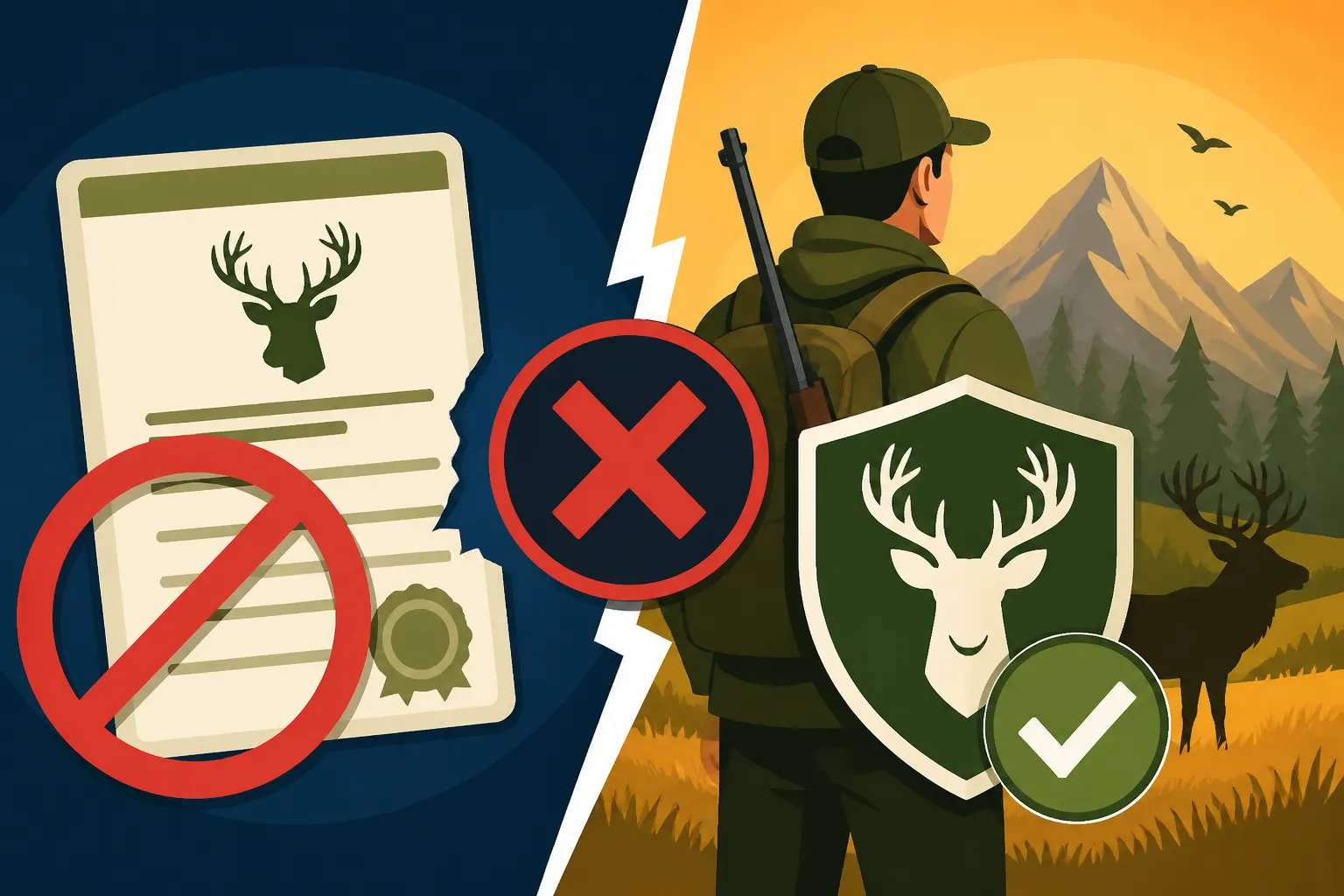
Why You Cannot Cancel a Special Licence
It’s a situation many of us have faced: you apply for an Alberta special licence draw with the best intentions, dreaming of that big bull moose or elusive bighorn sheep. Then, life throws a curveball – a new job, a family emergency, or an unexpected injury – and suddenly, those carefully laid plans are in jeopardy. The frustration is real when you realize that, unlike many other purchases, an Alberta special licence cannot simply be cancelled or refunded once the draw is complete. This guide will help you understand why this policy exists, what it means for you as a hunter, and how to navigate the system to avoid future disappointment.
The Foundations of Alberta's Special Licence Draw System
Alberta's hunting draws are a cornerstone of its wildlife management strategy, designed to fairly allocate limited hunting opportunities for certain species or in specific Wildlife Management Units (WMUs). These aren't just random lotteries; they're an integral part of maintaining healthy animal populations and providing quality hunting experiences. Understanding how these draws operate is crucial to appreciating why a "no cancellation" policy is in place.
The Commitment of Applying for a Draw
When you submit an application for an Alberta special licence draw, you're not just throwing your hat in the ring; you're making a formal commitment. This commitment is underpinned by the expectation that if you are successful, you intend to purchase and use that licence. The draw system is built on this premise of intent. Imagine if everyone who applied could simply change their mind or cancel their tag if a better opportunity arose later in the year. The entire system would quickly devolve into chaos, making it impossible to manage wildlife effectively or ensure fair access for all hunters. The province invests significant resources into administering these draws, from processing applications to managing priority points and allocating tags. This process is time-sensitive and resource-intensive, and cancellations would add layers of complexity and cost that would ultimately detract from the system's efficiency and fairness.
How Special Licences Differ from General Licences
It's important to distinguish between special licences and general licences in Alberta. General licences, such as those for white-tailed deer or certain seasons for black bear, are typically purchased over-the-counter or online without a draw. These often have broad seasons and areas, and while still regulated, they don't involve the same allocation complexity as special licences.
Special licences, on the other hand, are for species or WMUs where hunting pressure needs to be tightly controlled to manage populations or ensure high-quality hunts. Think of species like moose, elk, mountain goat, or pronghorn, or specific antlered deer tags in popular WMUs, as well as non-trophy sheep and some WMU-specific trophy sheep draws. These are highly coveted tags, and access is limited. The process for these requires you to participate in Alberta's Special Licence Draws through the online system, typically months before the season even begins. The deadlines for these draws are strict, and the results are often eagerly awaited, with thousands of hunters vying for a limited number of opportunities. The table below highlights some key differences:
| Feature | General Licences | Special Licences |
|---|---|---|
| Species/Area | Common species, widespread WMUs | Limited, high-demand species/WMUs |
| Acquisition | Over-the-counter, online, no draw required | Via a competitive draw application |
| Availability | Generally available for purchase throughout season | Limited number of successful applicants per WMU |
| Cancellation | Usually refundable before season start (check rules) | Not refundable or transferable once drawn |
| Purpose | Broad hunting access | Controlled harvest, population management, quality hunts |
This distinction is key to understanding the non-cancellation policy. Because special licences are a finite, highly sought-after resource allocated through a competitive process, allowing cancellations would undermine the entire mechanism designed to distribute these opportunities fairly.
Understanding the "No Cancellation" Policy
The inability to cancel a special licence once you've been drawn is one of the most frequently asked questions and, frankly, one of the biggest frustrations hunters face. It feels counterintuitive in a world where we're used to flexible bookings and easy refunds. However, from the perspective of wildlife management and ensuring a fair system for all, this policy is essential.
Administrative Burden and Draw Integrity
Imagine the administrative nightmare if thousands of successful draw applicants decided to cancel their licences after the results were posted. Each cancellation would require processing, potentially re-running parts of the draw, or re-allocating tags – a logistical impossibility on the scale of Alberta's hunting program. The system is designed to run once, efficiently, to determine who gets what. How Alberta's Draw Application Works involves complex algorithms to factor in priority points, party applications, and WMU choices. If successful applicants could simply back out, the integrity of this intricate system would be compromised.
Moreover, the deadlines for Alberta Draw Deadlines and Result Dates are set well in advance. These dates allow for the processing of applications, the running of the draw, and the notification of successful hunters, giving them time to plan their hunts. Introducing cancellations would necessitate a whole secondary system for re-issuing tags, which would delay everything and cause immense confusion. The current approach, while rigid, ensures clarity and efficiency in a process that affects tens of thousands of hunters annually.
Fairness to Other Hunters and Wildlife Management Goals
Perhaps the most crucial reason for the no-cancellation policy is fairness to other hunters. When you apply for a special licence, you are competing against countless other individuals who also desire that opportunity. Many hunters spend years building up Alberta's Draw Priority Point System for a chance at a coveted tag. If you are drawn and then cancel, that opportunity is effectively wasted for that season. It means another hunter, who might have been just one priority point or one random number away from success, missed out because your spot was taken and then given up.
Wildlife management objectives also play a significant role. Special licences are issued based on specific harvest quotas for each WMU and species, determined by biologists to maintain healthy populations. If a significant number of tags are drawn but not used due to cancellations, it could lead to under-harvest in certain areas, potentially impacting population goals or local ecosystem balance. While one unused tag might not make a huge difference, many could. The goal is to maximize the utilization of allocated tags to meet these biological objectives, and a no-cancellation policy helps ensure that once a tag is allocated, it has the highest chance of being used.
Impact on Draw Odds and Priority Points
The draw system in Alberta, like many others, uses a priority points system for species where demand far outstrips supply. When you apply for a draw and are successful, your priority points for that species are typically reset, as detailed in Why Getting Drawn Resets Your Points. This is a critical mechanism designed to give everyone a fair chance over time. If you could cancel a licence after being drawn and have your points reinstated, it would fundamentally break the fairness of this system. It would allow hunters to "game" the system, applying for multiple options, taking the best one, and cancelling the rest without penalty to their accumulated priority points.
Consider a scenario where a hunter applies for both a coveted antlered moose tag in a prime WMU and an antlerless moose tag in another, less popular WMU, just in case. If they get the antlered tag, they might want to cancel the antlerless one to preserve their points. This would directly disadvantage other hunters who were solely focused on that antlerless tag and played by the rules. The policy ensures that once you are drawn and accept the licence, you bear the consequences, which includes the reset of your priority points. This encourages thoughtful application and reinforces the seriousness of the commitment.
What Happens If Your Plans Change
Life is unpredictable, and despite the best planning, circumstances can arise that make it impossible to use a special licence you've been drawn for. While the "no cancellation" policy can feel harsh, it's important to understand the realities of what happens next.
Financial Loss and Forfeiture
The most immediate consequence of not being able to use a special licence is the financial loss. When you are drawn for a special licence, you are typically prompted to purchase it. Once purchased, that money is non-refundable. For a resident hunter, What an Alberta Draw Application Costs might be minimal for the application itself, but the licence fee for species like moose or elk can be substantial. For non-residents, these fees are even higher. That money is simply forfeited if you don't hunt. It’s a tough pill to swallow, especially if the reason you can't hunt is beyond your control. This makes careful planning and a realistic assessment of your availability paramount before you even consider applying.
Selling or Transferring Your Licence (You Can't)
A common question that arises from hunters who can no longer use their tag is whether they can sell it or transfer it to another hunter. Unfortunately, this is strictly prohibited under Alberta's hunting regulations. Licences are issued specifically to the individual who applied and was successful in the draw. They are not transferable, and any attempt to sell or transfer a licence is a serious violation that could result in fines, loss of hunting privileges, and other penalties. This rule is in place to prevent commercialization of draw tags, ensure fairness, and prevent potential black markets for coveted licences. It also helps in tracking harvest data accurately, as the individual who registers the animal must be the one who legally holds the tag.
Dealing with Unexpected Life Events
When unexpected life events – whether it’s a sudden job requirement, a family illness, or a personal injury – derail your hunting plans, it's incredibly disheartening. While the system doesn't offer a refund or transfer, there are a few things to keep in mind. First, acknowledge that it's okay to feel frustrated, but understand that the regulations are in place for broader reasons. Second, if your specific situation is particularly dire or involves unforeseen severe circumstances, you might be able to contact Alberta Environment and Protected Areas (AEPA) or the wildlife division. While a refund is highly unlikely, explaining your situation might offer some clarity or a slim chance for exceptional circumstances, though this is rare and not something to count on. In most cases, the licence will simply go unused. It’s a hard lesson, but it reinforces the importance of being as certain as possible about your availability when you hit that "submit" button for a draw.
Tips for Applying Responsibly
Given that special licences are non-refundable and non-transferable, the best strategy is to be incredibly diligent and responsible in your application process. A little foresight can save you a lot of heartache and wasted money down the road.
Researching Before You Apply
The first step to responsible application is thorough research. Don't just pick a WMU because you heard it held big animals. Dive deep into the specific regulations for that area and species. Understand the season dates, access restrictions, and any specific rules (e.g., antler point restrictions). Tools like the Alberta hunting regulations summary, online forums, and mapping applications can be invaluable. You can also explore specific WMU information such as Alberta's 219 Wildlife Management Units to understand their terrain, access points, and typical success rates. Knowing the ground you plan to hunt, or at least having a solid scouting plan, before you apply is critical. Are there areas that require Backpack Hunting Alberta's Bighorn Country, or is it accessible by truck? Will you need special permits for certain areas within the WMU? These are all questions to answer before applying.
Planning Your Hunt Dates Carefully
Beyond just knowing the season dates, you need to realistically assess your own availability. Look at your work schedule, family commitments, and other potential conflicts for the entire hunting season. It's not enough to be free on opening weekend; you need to consider the whole window. Are you applying for a late-season tag that might require you to be out Hunting Alberta Winter Weather Safely? Do you have the vacation time available? If you're applying as a party, ensure all members are equally committed and have checked their schedules. This might sound obvious, but countless hunters get caught out because they assume they'll "figure it out" later, only to find they can't make the dates work. Consider buffer days for travel, scouting, and unexpected delays.
Using Tools like GoHunt for Better Decisions
In today's digital age, there are fantastic resources available to help you make informed decisions about your draw applications. Platforms like GoHunt offer detailed draw odds, application strategies, and in-depth WMU analysis. They often compile historical draw data, success rates, and even unit-specific information that can be incredibly difficult to piece together on your own. Using such tools can help you understand the true competitiveness of your desired tag and assist in selecting backup WMUs or species choices that align better with your priority points and realistic chances of drawing.
By leveraging these resources, you can better understand the nuances of Alberta's Draw Application Deadline and strategize your choices. They can help you calculate your odds, evaluate the potential for a quality hunt in a particular unit, and ensure that your application is as well-thought-out as possible. While GoHunt and similar services can't guarantee you a tag, they empower you with data to reduce the risk of drawing a licence you ultimately can't use. Remember, the goal isn't just to get drawn, it's to get drawn for a hunt you can actually participate in and enjoy. Before applying, you should also consider if you will be Hunting Deep Cold Late in the Season and what gear and preparations that might entail.
Disclaimer
The information provided in this guide is for general informational purposes only and is not intended as legal advice or a substitute for reviewing the official Alberta hunting regulations. Hunting regulations can change frequently, and it is the hunter's responsibility to consult the most current Alberta hunting regulations summary and any relevant government websites before applying for any licence or going hunting. Always verify information with official sources.