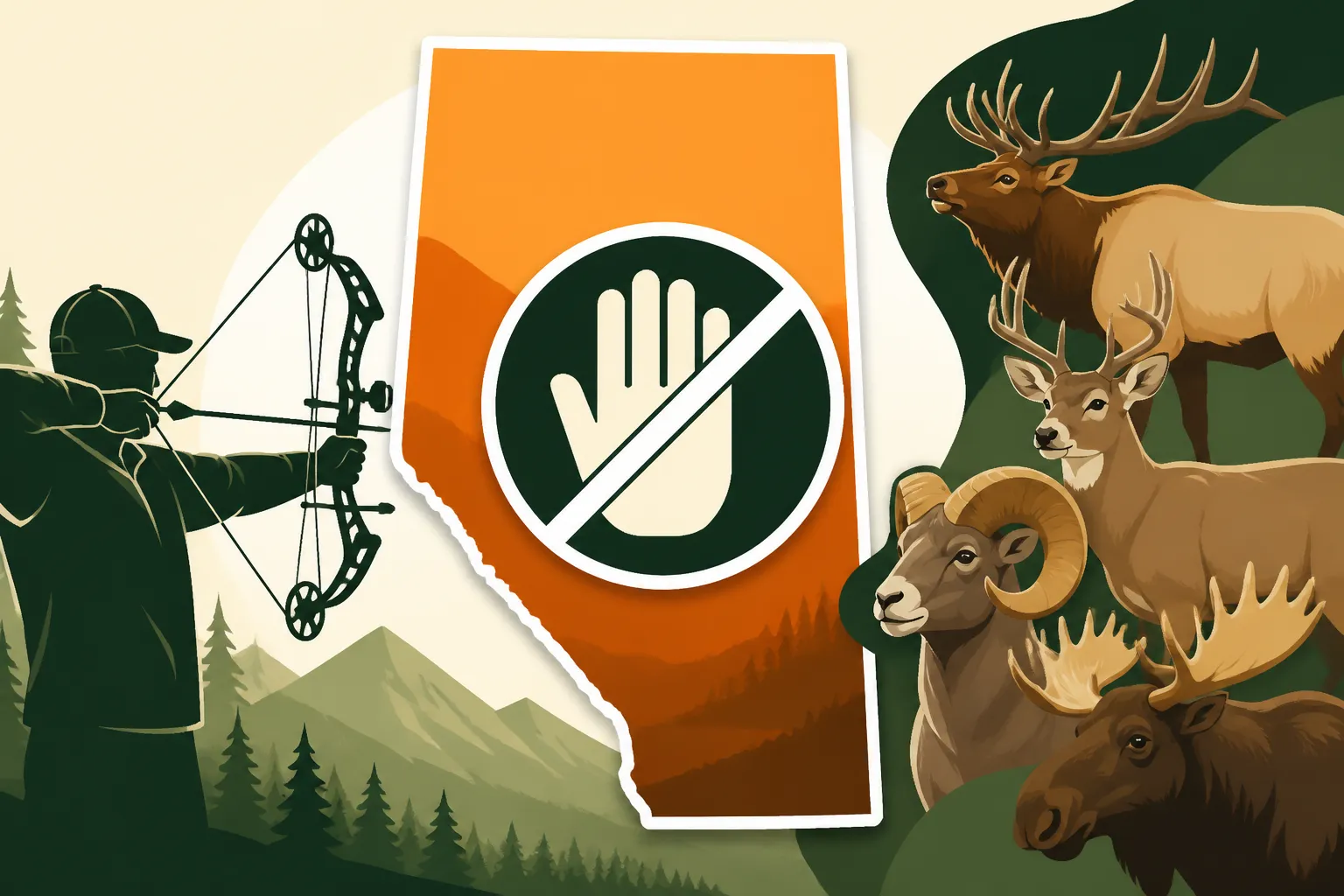
Which Alberta Species Are Draw-Only
It can feel like you need a secret decoder ring just to figure out Alberta's hunting regulations, especially when it comes to understanding what species require a special draw. Many of us have spent hours poring over the regulations, only to walk away with more questions than answers. This guide is here to untangle the complexities of Alberta's draw-only species, helping you plan your next big adventure with confidence.
Understanding Alberta's Draw System for Big Game
Alberta's draw system is one of those things that can either fill a hunter with anticipation or dread, depending on how many priority points they've accrued and how long they've been waiting for that coveted tag. It's not just a lottery; it's a sophisticated management tool designed to maintain healthy wildlife populations and provide fair opportunities for hunters. If you've ever felt frustrated by the "draw-only" designation, know that it's a critical component of sustainable hunting in this province.
Why Some Species Are Draw-Only
The primary reason certain big game species in Alberta are relegated to a draw system is conservation and population management. Think about it: if everyone could hunt certain animals every year, their populations would quickly dwindle. Species that are naturally less abundant, have specific habitat requirements, or are highly sought after by hunters need stricter control over harvest numbers. By allocating a limited number of special licences through a draw, the province can carefully manage pressure on these herds, ensuring that there are animals for future generations to enjoy. This helps prevent overharvesting in specific areas and allows wildlife biologists to respond to population fluctuations, habitat changes, or other environmental factors more effectively. It’s all about balance, making sure we don’t love our hunting opportunities to death.
The Basics of Applying for a Draw
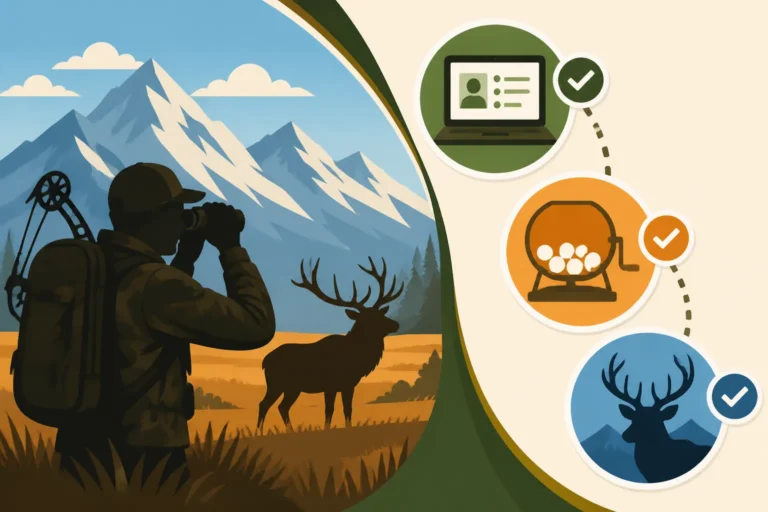
Before you can even dream of drawing one of Alberta's most sought-after tags, you'll need to make sure your foundational ducks are in a row. First and foremost, every hunter needs an Alberta WIN Card and a current Wildlife Certificate. These are your entry tickets into the world of Alberta hunting. The actual draw application process is done online through the AlbertaRELM portal. You choose the species, the Wildlife Management Unit (WMU) you wish to hunt, and then cross your fingers. The application window is typically in the spring, with results usually posted by late June or early July. It's a nail-biting time for many, as the dream of a special tag hangs in the balance. Understanding how the application works is one thing, but knowing the species that fall under this category is the first step in building a successful strategy. To dive deeper into the specifics, check out our guide on Alberta's Special Licence Draws.
The Big Game Species You Must Draw For
Alright, let's get down to brass tacks. Which of Alberta's magnificent big game animals are truly draw-only? While some species like whitetail deer, mule deer, moose, and elk have general season opportunities in many WMUs, there are specific situations and, more importantly, specific species that always require a draw. These are often the hunts of a lifetime, demanding significant planning and, sometimes, years of patiently accumulating priority points.
Bighorn Sheep: The Ultimate Mountain Challenge
If there’s one hunt in Alberta that embodies the pinnacle of big game hunting, it’s the pursuit of bighorn sheep. These majestic animals inhabit the highest, most rugged peaks of Alberta's Rocky Mountains, making their hunting a true test of physical endurance and mental grit. Due to their limited population numbers, specific habitat, and the immense demand from hunters worldwide, bighorn sheep hunting is tightly regulated. Alberta residents buy class 1 (trophy) sheep licences rather than drawing for them, while class 2 (non-trophy) sheep licences for residents (draw 29) and a handful of WMU-special class 1 draws (410, 437, 444/446, 408 and 438) are allocated by draw, and non-resident Canadians can apply for class 1 sheep through draw 31, a once-in-a-lifetime draw. Non-resident aliens (non-Canadians) still need an outfitter. It's a hunt that demands respect, preparation, and a healthy dose of luck. If you're dreaming of this adventure, start researching their habitat and movement by reading Bighorn Sheep in Alberta's Mountains.
Mountain Goat: High Country Elusiveness
Another incredibly challenging and highly sought-after draw-only species is the mountain goat. These incredible animals thrive in the steepest, most remote rock faces and high-altitude terrain of Alberta's mountains. Their elusive nature and specialized habitat mean their populations are naturally smaller and more sensitive to hunting pressure. Like bighorn sheep, mountain goat tags are extremely limited, and drawing one requires considerable patience and a high number of priority points. A successful mountain goat hunt isn't just about finding the animal; it's about navigating treacherous terrain, enduring harsh weather, and often packing out meat and a trophy from some of the most inaccessible places on earth. This isn't a casual hunt; it's an expedition that demands peak physical condition and meticulous planning.
Pronghorn: Prairie Speedsters
Shifting gears from the mountains to the vast, open plains of southern Alberta, we encounter the pronghorn. Often mistakenly called "antelope," these incredible animals are the fastest land mammals in North America. Their keen eyesight and ability to cover ground at incredible speeds make them a challenging and exciting quarry. However, due to their specific prairie habitat, which is often intermingled with agricultural land, and the need to carefully manage herd health, pronghorn hunting in Alberta is strictly by draw. Tags are allocated to specific WMUs in the prairie region, and while the draw odds can sometimes be better than for sheep or goats, it still requires an application and often some priority points to secure a tag. If you're intrigued by these magnificent creatures, explore Pronghorn on Alberta's Southern Prairie.
Moose in Prime Zones
Now, here's where it gets a little more nuanced. While many WMUs in Alberta's Boreal Forest and Foothills offer general season moose tags, some of the most sought-after moose hunting opportunities, particularly for antlered bulls in high-density areas, are indeed draw-only. This typically applies to specific WMUs that either have exceptionally strong moose populations, sensitive habitats, or experience very high hunter demand. These special draw tags help distribute hunting pressure and ensure a sustainable harvest of mature animals. If you're targeting a trophy bull in a renowned area, you'll likely be entering a draw. This differentiation is crucial: don't assume all moose hunting requires a draw, but certainly, the prime opportunities do. Our in-depth look at Moose Across Alberta's Boreal and Foothills can help you identify these zones.
Elk in High-Demand WMUs
Much like moose, elk hunting in Alberta presents a mix of general and draw-only opportunities. In many areas, especially the Foothills and certain agricultural zones where elk populations are robust and sometimes cause crop damage, general antlered and even antlerless elk tags are available. However, the most coveted elk tags – often for mature bulls in specific, high-demand WMUs or for antlerless elk in areas with very controlled harvest objectives – are allocated through the special licence draw. These draws are put in place to manage specific herds, alleviate pressure in certain areas, or simply ensure fairness in highly sought-after regions. If you're hoping to chase bugling bulls in a famous elk haunt, you'll almost certainly need to apply for a draw. For more information, you might find our article on Elk in Alberta's Mountains and Farmland helpful.
Specific Mule Deer and Whitetail Draws
For Alberta's deer species, it's generally a different story than sheep or goats. Mule deer and whitetail deer are widely available through general licences in many WMUs. However, there are important exceptions where special draws come into play. These primarily include antlerless deer draws in specific WMUs, which are implemented to manage local populations, particularly in agricultural areas where deer can cause significant crop depredation. Occasionally, a special antlered mule deer draw might exist for a very specific, high-quality WMU to control trophy pressure or manage an isolated herd. For most hunters, a general deer licence will cover their needs, but always check the regulations for your chosen WMU, as local conditions can lead to specific draw requirements for either whitetail or mule deer. You can learn more about these fascinating creatures in our guides, White-Tailed Deer, Alberta's Most Hunted Big Game and Mule Deer in Alberta's Open Country.
To summarize the draw-only species:
| Species | Primary Reason for Draw | Typical Habitat | Draw Difficulty (General) | Notes |
|---|---|---|---|---|
| Bighorn Sheep | Low Population, High Demand | High Mountain Basins, Cliffs | Very High | Trophy hunt of a lifetime; often decades of priority points required. |
| Mountain Goat | Low Population, Remote Habitat | Steep Alpine Rock Faces | Very High | Extreme physical demands; limited, specialized habitat. |
| Pronghorn | Population Management, Habitat | Open Prairie, Grasslands | Moderate to High | Controlled access to specific prairie WMUs. |
| Moose (specific) | High Demand, Population Control | Boreal Forest, Foothills Rivers | Moderate to High | Only in certain WMUs; general tags available elsewhere. |
| Elk (specific) | High Demand, Population Control | Foothills, Mountain Valleys | Moderate to High | Only in certain WMUs; general tags available elsewhere, especially for antlerless. |
| Mule Deer (specific) | Population Control (Antlerless) | Prairie, Badlands, Parkland | Low to Moderate | Primarily for antlerless tags or specific antlered buck management zones. |
| Whitetail Deer (specific) | Population Control (Antlerless) | Parkland, Agricultural Land | Low to Moderate | Primarily for antlerless tags in specific high-density agricultural areas. |
Navigating the Draw: Tips for Success
So, you've decided which draw-only species you want to pursue. Now comes the strategic part: how do you maximize your chances of actually drawing a tag? This isn't just about luck; it's about understanding the system and making informed decisions.
Priority Points and What They Mean
One of the most critical aspects of Alberta's special licence draw system is the priority point system. For every year you apply for a draw-only species and don't get drawn, you accrue a priority point for that specific species. When you do eventually draw a tag, your priority points for that species reset to zero. This system is designed to give long-term applicants a better chance over time, making those truly rare tags eventually attainable for persistent hunters. Understanding your current priority points, and the average points required for certain WMUs and species, is paramount. Many hunters rely on tools like GoHunt to analyze historical draw odds and current priority point requirements, giving them a real edge in planning. It’s not just about having a high number; it’s about strategically applying to WMUs where your points might give you the best chance. You can get a full rundown on how this system operates by reading our post on Alberta's Draw Priority Point System.
Researching WMUs and Draw Odds
Simply applying for a "moose" tag isn't enough; you need to apply for a moose tag in a specific WMU. Each Wildlife Management Unit has its own unique set of regulations, population dynamics, and draw odds. What might be a tough draw in one WMU could be a relatively easier draw in another. This is where meticulous research comes into play. You need to scrutinize the Alberta hunting regulations, paying close attention to the WMU-specific details for your target species. Look at historical draw success rates, population trends, and habitat conditions. A solid research platform, such as GoHunt, can help you sift through the data and identify WMUs where your priority points give you a realistic chance. Don't just blindly apply to the most popular units; sometimes a less-known WMU can offer excellent opportunities with significantly better draw odds.
Considering Party Applications
For many of Alberta's draw-only species, you have the option to apply as a party. This means you and a buddy (or a group, depending on the species and rules) can submit a single application together. The benefit? If anyone in your party draws, everyone in the party draws a tag. The downside? Your party's application will be processed using the lowest priority points among all members. So, if you have 10 points and your buddy has 2, your party application goes in with 2 points. This can be a great strategy for friends who want to hunt together and have similar priority points, or if someone has very high points and is willing to "burn" them to help a friend get a tag. However, it's crucial to understand this dynamic, as it could inadvertently reduce your chances for those highly coveted tags if you're applying with someone with significantly fewer points. Weigh the pros and cons carefully, and ensure everyone understands the implications before submitting a party application. It's a fantastic way to share the experience, but make sure it aligns with everyone's individual draw strategy.
Disclaimer
The information provided in this guide is for general informational purposes only and does not constitute legal advice. Hunting regulations in Alberta are subject to change. It is the responsibility of every hunter to consult the most current official Alberta hunting regulations prior to hunting.