Where Sharp-Tailed Grouse Dance in Spring
Finding a sharp-tailed grouse lek in the spring is one of those truly magical experiences that connects you deeply with Alberta's wild heart. It's not just about the hunt; it's about understanding the intricate dance of nature. For many hunters, myself included, simply witnessing these birds perform their ancient courtship ritual is a reward in itself. This guide aims to demystify where and how you can experience these incredible displays, helping you locate the precise habitats where sharp-tailed grouse gather to dance each spring.
The Mesmerizing Ritual of the Lek
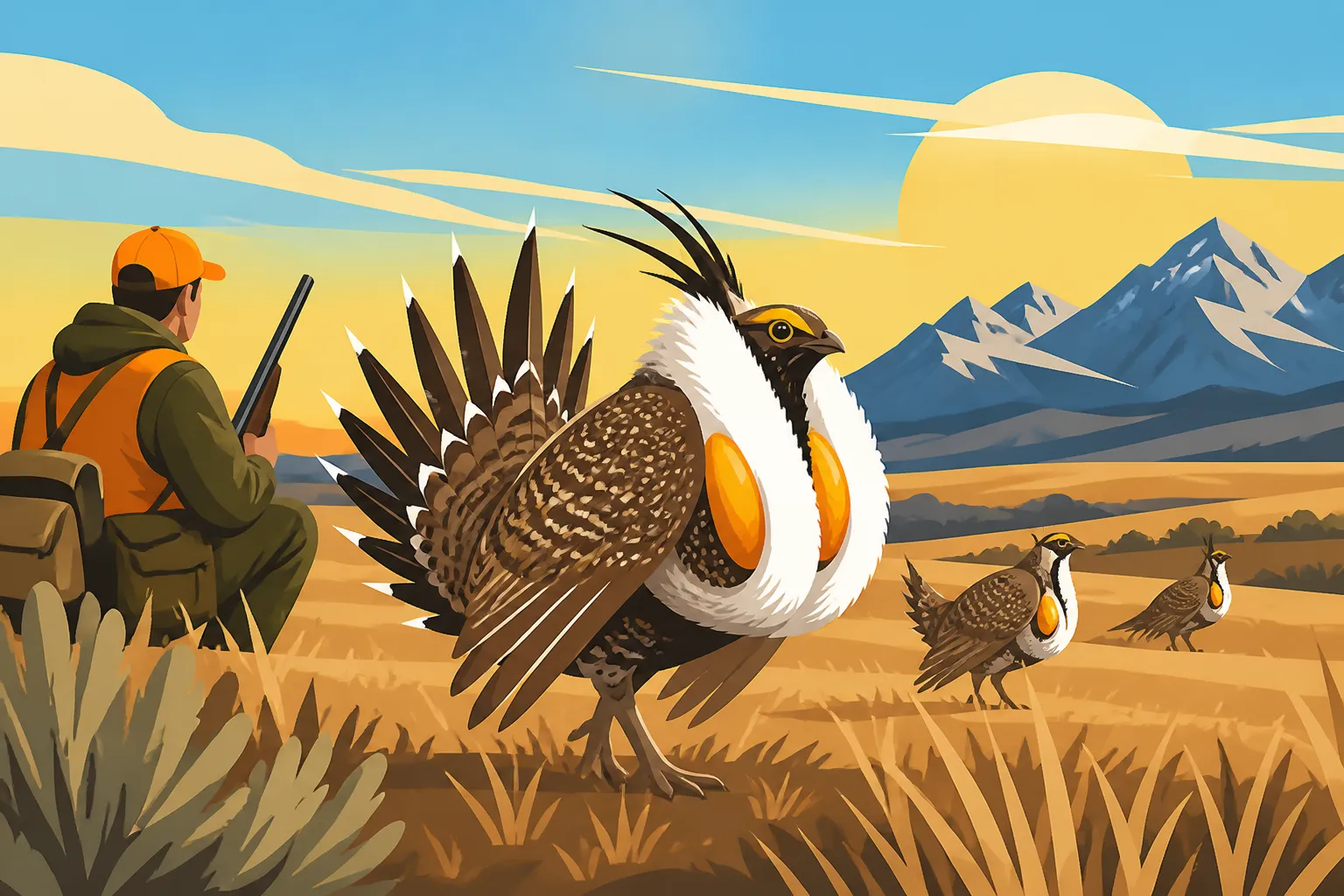
Before we dive into where they dance, let's talk about why and what this "dance" actually is. Sharp-tailed grouse, often affectionately called "sharptails" by those of us who chase them, have a fascinating mating ritual that takes place on communal display grounds known as leks. These leks are specific, open areas where male grouse gather at dawn and dusk, primarily during April and May, to perform elaborate courtship dances for the visiting females. It's a spectacle of stomping feet, rattling tail feathers, inflated purple air sacs on their necks, and unique cooing calls that carry across the quiet prairie.
Imagine standing on a cool spring morning, the first hint of orange painting the eastern sky, and suddenly hearing that distinct, almost hollow "coo-coo-coo" carrying on the crisp air. As the light grows, you start to see them—dozens of male grouse, often in groups, puffing themselves up, stamping their feet in a rapid-fire rhythm, and vibrating their tail feathers like castanets. Each male has his own small territory within the lek, aggressively defending it from rivals while trying to impress the discerning hens. Females will visit multiple leks, observe the males, and then select a mate. This ritual is a cornerstone of their breeding cycle, and it dictates where you'll find them concentrated during this crucial time of year. Understanding this behavior is the first step to knowing where to look, whether you're scouting for future hunting spots or simply hoping to witness a truly wild phenomenon.
Prime Alberta Habitats for Sharp-Tailed Grouse Leks
Sharp-tailed grouse aren't found just anywhere; they have very specific habitat requirements that dictate where their leks will be established. In Alberta, these birds are quintessential residents of our native grasslands and parkland zones. They thrive in areas that offer a mosaic of open grassy areas for their leks, interspersed with taller cover for roosting and nesting, and a good food supply of seeds, buds, and insects.
Native Prairie Grasslands
The vast native prairie grasslands of southeastern Alberta are arguably the most iconic sharp-tailed grouse country. Here, where the buffalo once roamed, you'll find expansive stretches of unbroken grass, often gently rolling hills and coulees. Leks are typically established on slight rises or knolls that offer good visibility for the displaying males. These elevated spots allow the males to be seen more easily by females flying in, and also help them keep an eye out for predators like coyotes or raptors. Think short-grass and mixed-grass prairie, often with sagebrush or low shrub cover providing adjacent protection. Hunting a Native Grassland Pasture can often lead you to the edges of these prime lekking locations. The ground cover needs to be relatively sparse to allow for their rapid foot-stomping dance, but not so barren that it offers no concealment. Look for areas that haven't been heavily tilled or grazed, where the natural grass structure remains intact.
Aspen Parkland Bluffs and Edges
Moving north and west into Alberta's aspen parkland, the habitat shifts, but sharp-tailed grouse adapt. Here, the leks are often found on the edges of aspen bluffs, in large natural clearings, or on slight rises within expansive grasslands that are punctuated by islands of trees. The "parkland" name perfectly describes this landscape: groves of trembling aspen and balsam poplar trees interspersed with open meadows and fields. These areas provide the diverse cover the birds need, with the open spaces serving as perfect lek sites. You might find a lek in a pasture that borders a thick stand of poplars, or in a large hayfield that's been left uncultivated for a few years. The key is that balance between open ground for the dance and nearby woody cover for escape, roosting, and nesting. Scouting Hunting Alberta's Aspen Parkland Bluffs can often reveal these transition zones where sharp-tailed grouse thrive, providing both the cover and the open ground they need.
Agricultural Edges and Fallow Fields
While sharptails prefer native habitats, they are remarkably resilient and can often be found utilizing agricultural landscapes, especially where farmland borders wilder areas. Leks can pop up in fallow fields, along the edges of cultivated land, or even in large hayfields that aren't harvested until later in the summer. These areas, particularly in the drier southern parts of the province, can offer the open ground required for their displays. However, these leks are often more vulnerable to disturbance from farming operations. When Hunting Hungarian Partridge on Alberta Farms, you might notice suitable sharp-tail habitat nearby. The critical factor is access to undisturbed ground for the lek and sufficient surrounding cover for safety and food. A low-lying hill in an unseeded field, or a well-drained rise in a large pasture, could easily host a dancing ground. Using scouting tools like GoHunt to examine aerial photography can help you pinpoint these subtle rises and edges within agricultural zones.
How to Find a Sharp-Tailed Grouse Lek
Finding a lek isn't always easy, but it's incredibly rewarding. It requires patience, a keen eye, and an understanding of their behavior. The best time to actively search is during the peak of their breeding season, typically from mid-April to mid-May.
Listen for Their Distinctive Calls
The first and often most effective way to locate a lek is to listen. Their calls, a series of low cooing sounds punctuated by a "gobble" or "rattle," carry surprisingly far in the still morning air. You'll want to be out before sunrise, ideally arriving at your chosen scouting area when it's still dark, allowing the landscape to awaken around you. Position yourself on a slight rise or in an open area with good visibility, then simply stop, listen, and let the sounds of the prairie guide you. The calls are most intense during the first hour or two after sunrise and again in the hour before sunset. On calm mornings, these sounds can travel for a mile or more, giving you a good starting point. If you hear what sounds like multiple birds calling from a specific direction, you're likely on the right track. Many hunters find that a calm, slightly overcast morning is ideal for listening, as wind can easily mask their calls.
Look for Visual Cues and Sign
Once you've identified a general area through listening, you can start looking for visual cues. Sharp-tailed grouse often leave tell-tale signs around their leks. Look for areas of disturbed ground, where their rapid foot-stomping has worn away vegetation or created small, circular depressions. You might find droppings concentrated in these areas, or even shed feathers from their vigorous displays. Old leks are often reused year after year, so if you find an area with signs of past activity, it's worth checking out again. Utilizing satellite imagery on platforms like GoHunt can be incredibly helpful here. Look for subtle open rises in otherwise dense grass, or distinct, worn patches within fields. Sometimes, a change in vegetation type, like a patch of shorter grass amidst taller fescue, can indicate a potential lek site. Binoculars are your best friend during this phase of scouting; scan large open areas, looking for small movements or concentrations of birds as the light begins to break.
Timing is Everything
As mentioned, the best time to find leks is during the spring breeding season, typically April and May. The peak activity usually occurs a couple of weeks after the snow has melted and before the vegetation grows too tall. Morning and evening are the prime viewing times, with activity often starting even before the sun crests the horizon. On colder or windier days, activity might be less intense, but they generally still show up. If you're planning a trip specifically to witness a lek, plan for multiple mornings or evenings to maximize your chances, as weather and other factors can influence their attendance. For those interested in sharp-tailed grouse season dates and limits, knowing the lek locations in spring can provide invaluable intel for fall hunting, as the birds will often remain in the general vicinity. Understanding Why Sharptail Numbers Rise and Fall can also provide context for the local bird population you might encounter.
| Aspect | Prime Lek Habitat Type | Key Visual Cues | Optimal Time to Observe |
|---|---|---|---|
| Location | Native Prairie Grasslands | Open knolls, slight rises, sparse grass | April-May, Dawn/Dusk |
| Location | Aspen Parkland Edges/Clearings | Clearings near bluffs, large pastures | April-May, Dawn/Dusk |
| Location | Agricultural Fallow/Field Edges | Uncultivated rises, field borders | April-May, Dawn/Dusk |
| Sound Cues | Long-distance cooing, gobbling | Concentrated droppings, worn ground | Calm mornings/evenings |
| Safety | Nearby escape cover (shrubs, trees) | Vigilant bird behavior, predator awareness | Minimal human disturbance |
Ethical Observation and Conservation
Once you've managed to locate a sharp-tailed grouse lek, it's paramount to approach the experience with respect and a strong commitment to ethical observation and conservation. These are wild animals engaged in a critical part of their life cycle, and human disturbance can have negative impacts.
Minimize Disturbance
When approaching a lek, do so quietly and slowly, ideally before the birds arrive, or by gradually getting closer with binoculars from a distance. Use any available cover, like a vehicle, a fence line, or natural depressions in the terrain, to conceal yourself. Avoid walking directly into the lek or making sudden movements that could scare the birds away. If the grouse flush or stop their display due to your presence, you're too close or making too much noise. Retreat immediately and try a different vantage point or come back another day. The goal is to be an unseen observer, allowing the natural drama to unfold without interference. Remember, these leks are vital for their reproductive success, and scaring them off repeatedly could compromise their breeding efforts.
Respect Private Property and Land Access
Much of Alberta's sharp-tailed grouse habitat, especially in the prime prairie and parkland areas, is on private land. Always ensure you have explicit permission from the landowner before accessing any private property, whether for scouting, hunting, or simply observing wildlife. A friendly knock on the door and a clear explanation of your intentions can go a long way. Many landowners appreciate responsible individuals who respect their property. Public lands, such as Provincial Grazing Reserves, may offer access, but always confirm regulations for use, especially regarding vehicle access or specific closures. Consulting resources like Alberta's Recreational Access Mapping Tool can help identify land ownership and access rules. This respect for land, whether private or public, is a core tenet of responsible hunting and wildlife viewing in Alberta.
Supporting Sharp-Tailed Grouse Conservation
Sharp-tailed grouse populations, like many grassland birds, face challenges from habitat loss and fragmentation. As hunters and wildlife enthusiasts, we have a responsibility to support their conservation. Many organizations work to preserve and restore native grasslands, which directly benefits sharp-tails. Participating in habitat enhancement projects, supporting conservation groups, and purchasing conservation stamps all contribute to the long-term health of these incredible birds. Understanding their needs and sharing that knowledge responsibly helps foster a greater appreciation for sharp-tailed grouse and their unique place in Alberta's natural heritage. This dedication helps ensure that future generations will also have the opportunity to witness the spectacle of Where Sharp-Tailed Grouse Dance in Spring.
Disclaimer
This article is for general informational purposes only and does not constitute professional advice. Laws, prices and regulations vary by location and change over time. Consult a qualified professional for guidance on your specific situation.