What Drought Does to Alberta Game
Drought conditions in Alberta reduce water availability and forage quality, causing severe physiological stress and disease vulnerability for game animals.
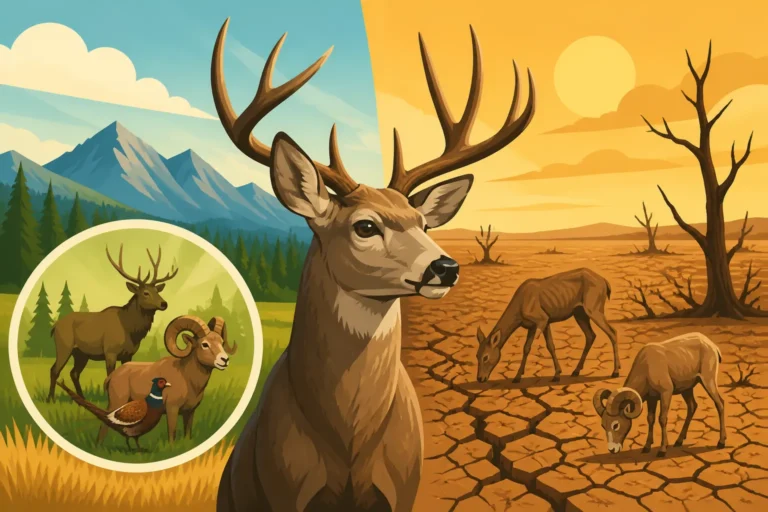
Drought conditions in Alberta reduce water availability and forage quality, causing severe physiological stress and disease vulnerability for game animals.
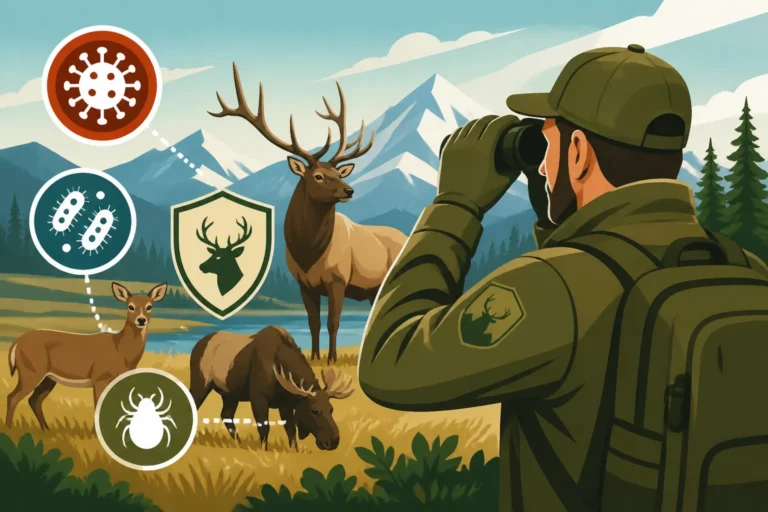
Chronic Wasting Disease in Alberta deer and elk involves abnormal prions, neurological decline, and mandatory hunter testing.
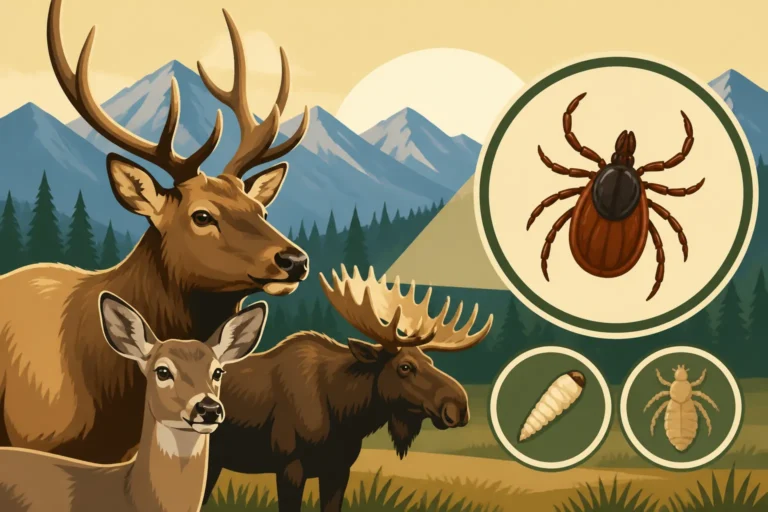
Alberta big game hunters learn to identify winter ticks, deer keds, and lungworms, ensuring safe meat handling practices.
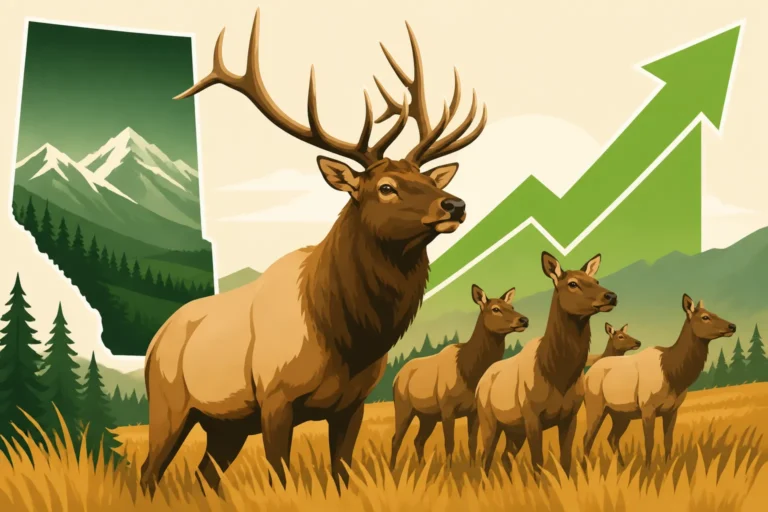
Alberta elk populations are growing due to historical conservation efforts, adaptable herbivore diets, and favorable land use changes.
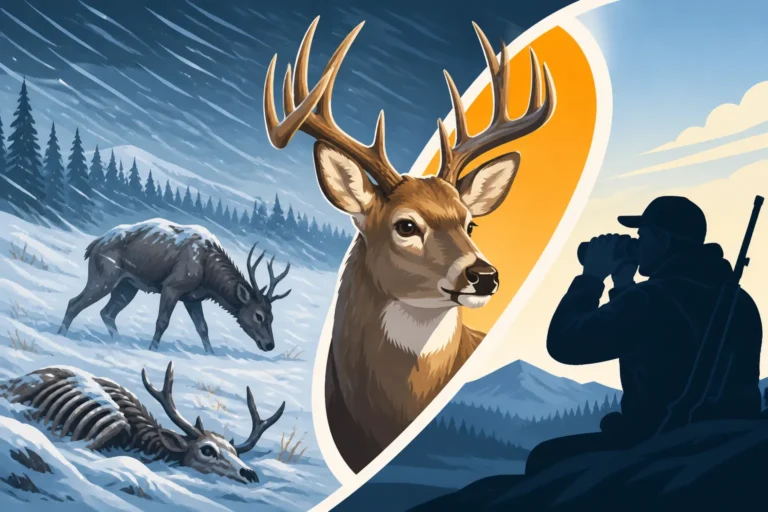
Alberta winter weather culls game populations through deep snow, extreme cold, and scarce food resources like woody browse.
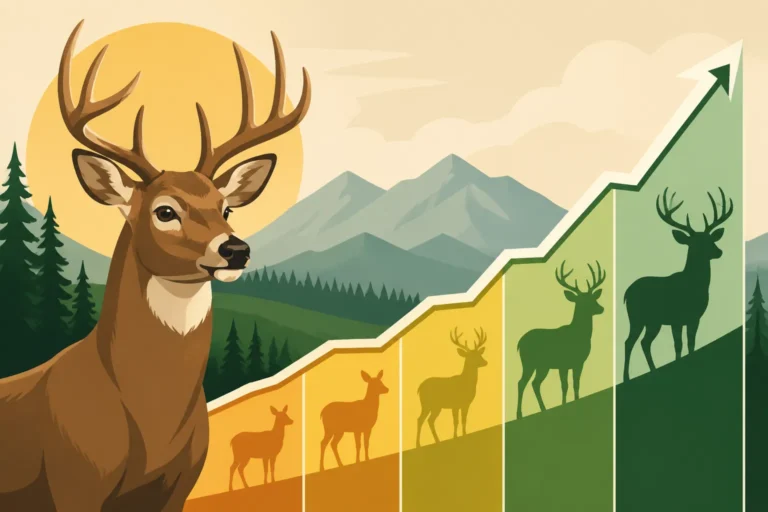
Alberta deer populations over the past ten years shaped by severe weather, shifting habitats, and Chronic Wasting Disease.
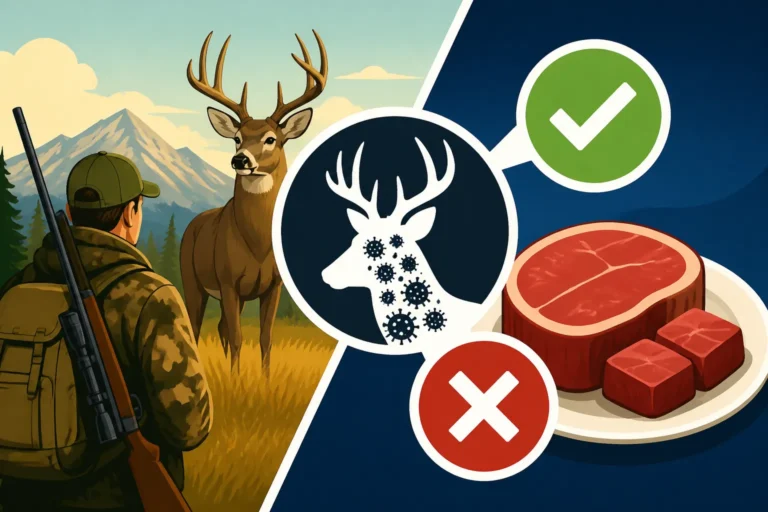
Chronic Wasting Disease in Alberta deer and elk explains safety risks and official agency advice regarding meat consumption.
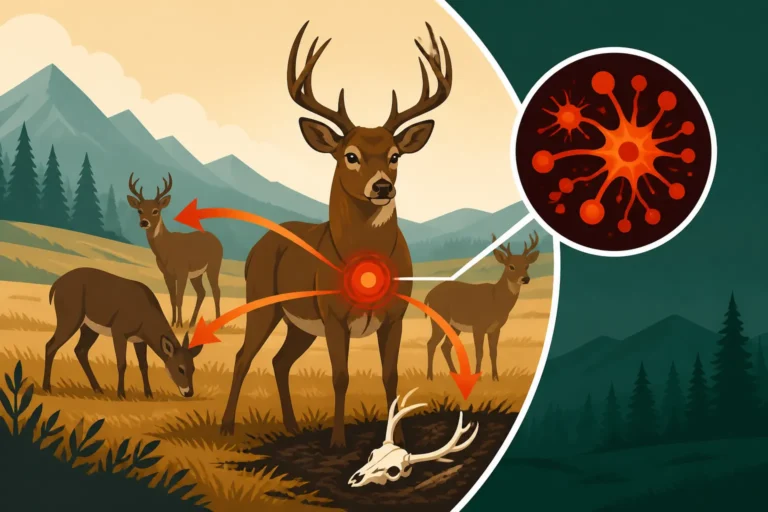
Chronic wasting disease spreads through deer herds via direct contact and persistent prions contaminating the environment.

Chronic Wasting Disease testing data reveals which Alberta species show the highest positive rates for this fatal neurological condition.
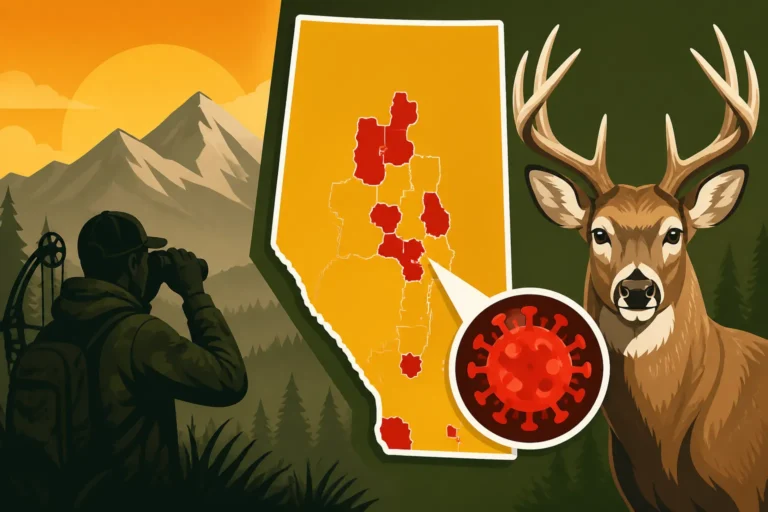
Chronic Wasting Disease surveillance data in Alberta reveals neurological impacts on deer, elk, moose, and caribou herds.