Moose Numbers in the Boreal Versus Foothills
Alberta moose populations in the Boreal Forest and Foothills regions differ significantly in habitat density and hunting access challenges.
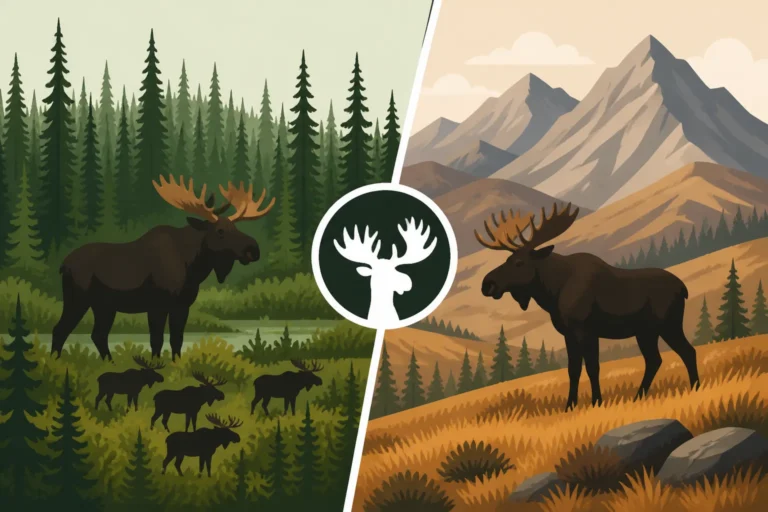
Alberta moose populations in the Boreal Forest and Foothills regions differ significantly in habitat density and hunting access challenges.
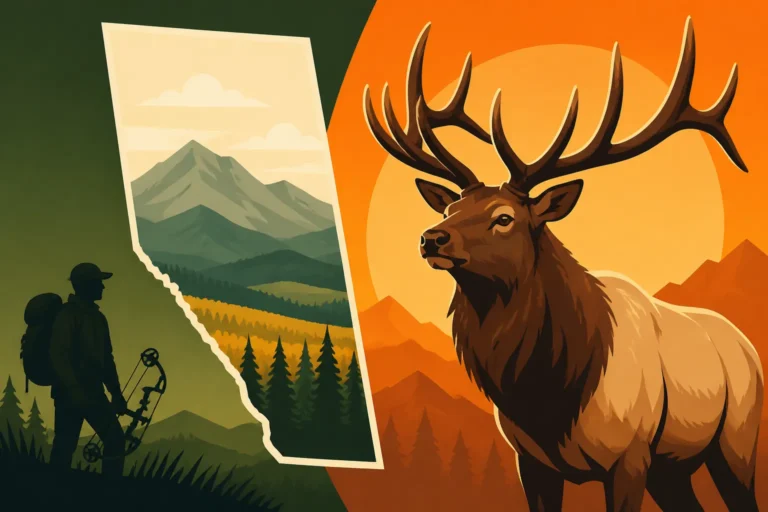
Alberta moose habitats, winter survival rates, and age factors between eight and twelve years determine where hunters find giant bulls.
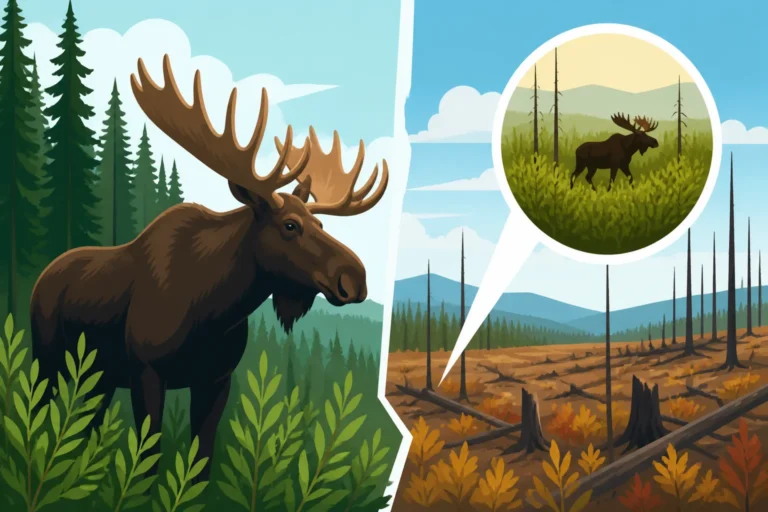
Alberta moose habitat preferences explain why these animals move to cutlines and burned areas for new willow and aspen growth.
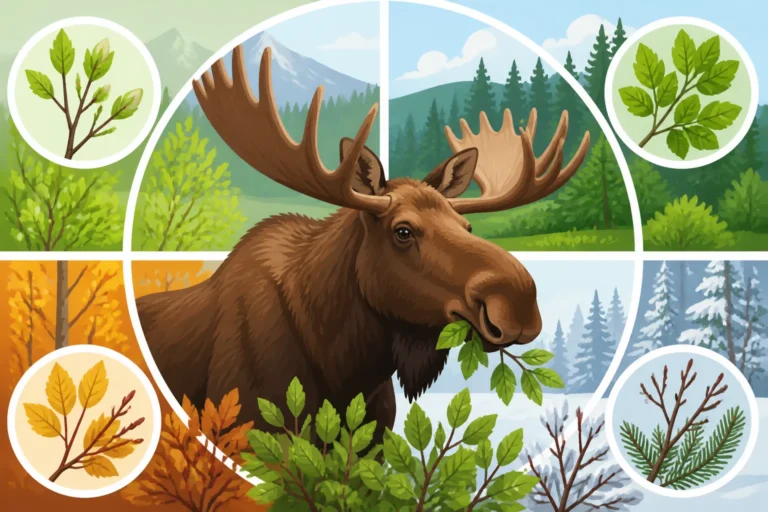
Alberta moose seasonal diets change from tender spring shoots and sodium-rich aquatic plants to summer woody browse and forbs.
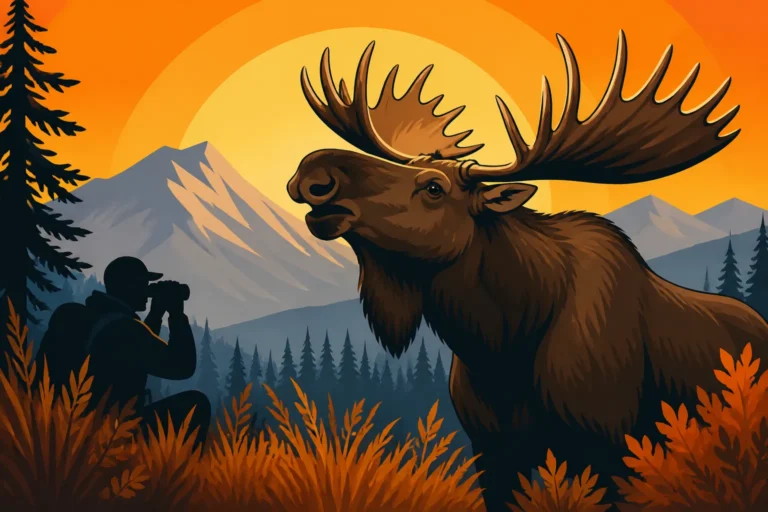
Alberta moose rut timing details the October peak, pre-rut signs, and post-rut behavior for hunters planning trips.
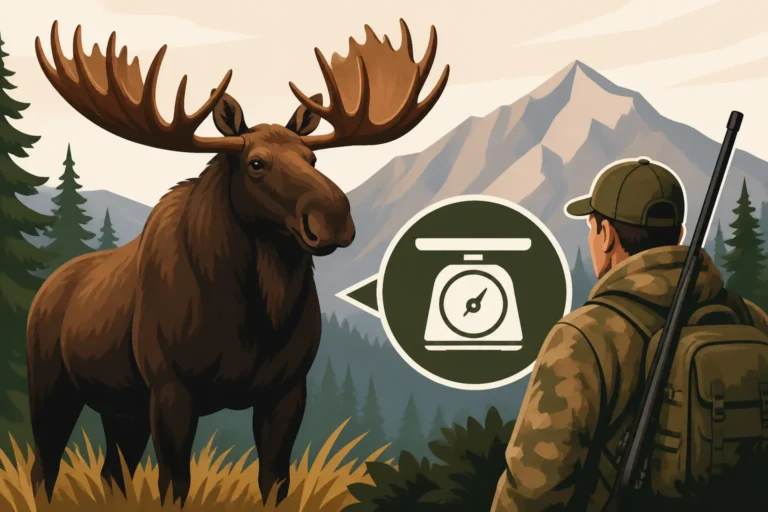
Mature Alberta bull moose weigh 1,000 to 1,200 pounds alive, with field dressing reducing that mass by 25 to 35 percent.
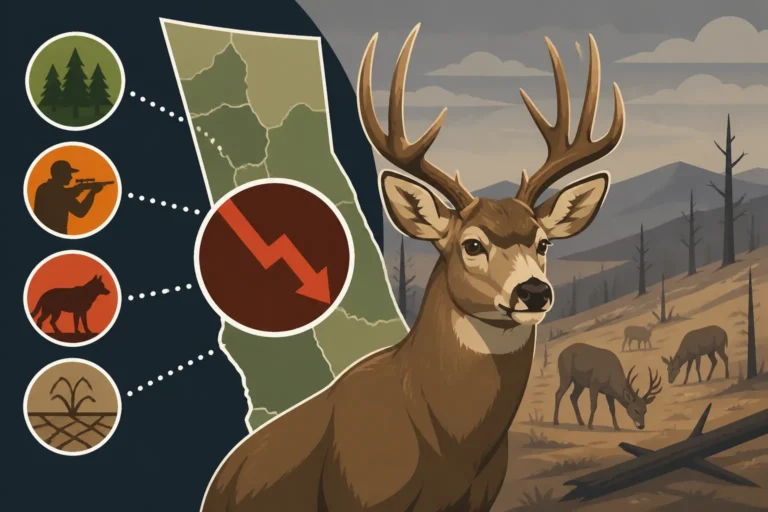
Mule deer population declines in Alberta Wildlife Management Units stem from habitat loss, industrial development, and harsh winters.
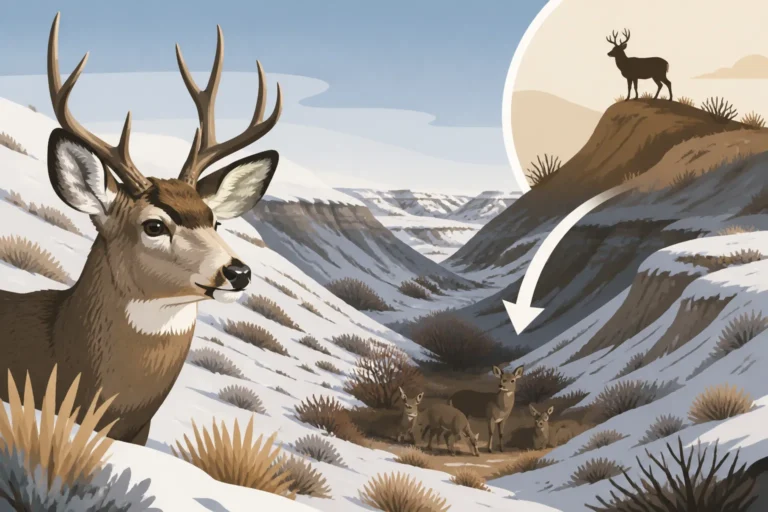
Alberta mule deer survive winter winds by using coulees for thermal shelter, woody browse access, and predator escape routes.
Alberta record mule deer scoring rules, Boone and Crockett categories, and precise antler measurement methods for hunters.
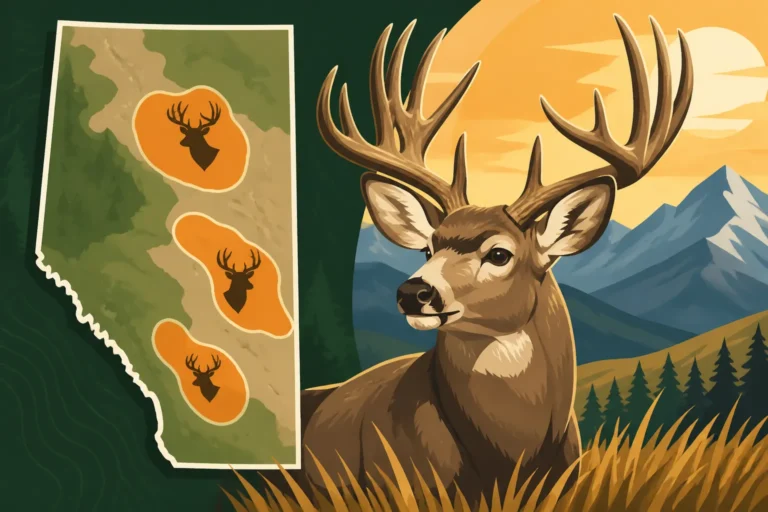
Alberta mule deer require high quality nutrition and ages between 4.5 and 7.5 years to reach massive sizes in specific landscapes.