Where Alberta’s Pronghorn Range Ends
Alberta pronghorn range boundaries span the southern prairies between Highway 1, the U.S. border, and the Saskatchewan provincial border.
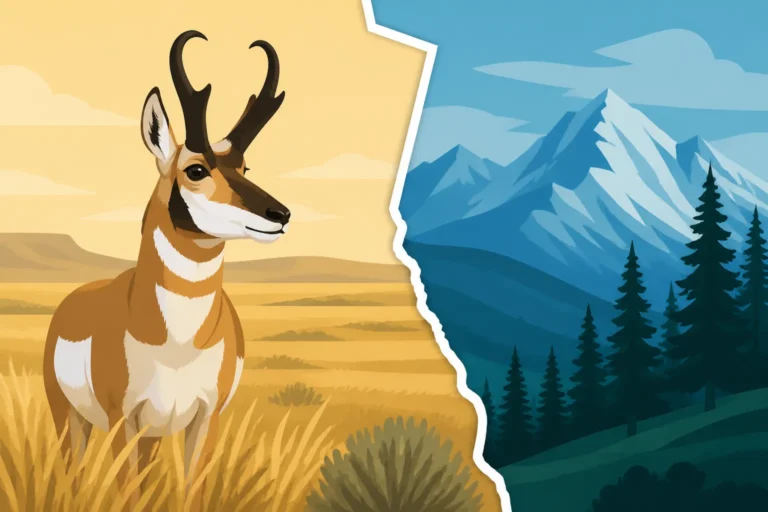
Alberta pronghorn range boundaries span the southern prairies between Highway 1, the U.S. border, and the Saskatchewan provincial border.
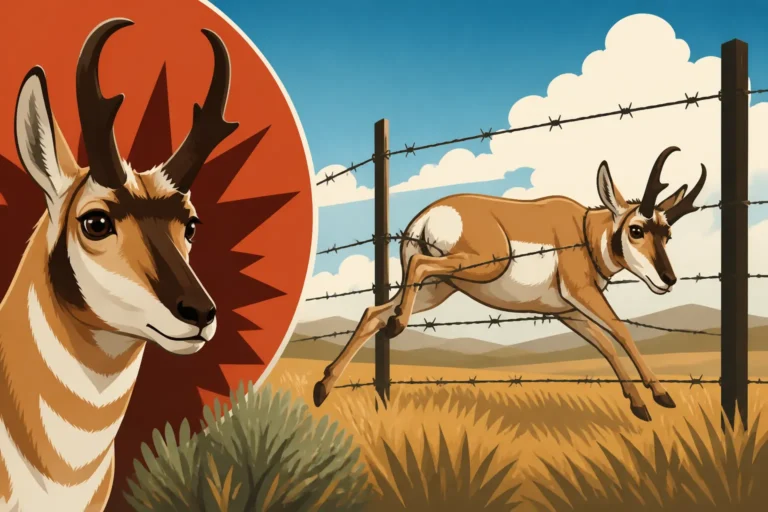
Alberta pronghorn face deadly fence barriers because their biology prevents jumping, disrupting seasonal migrations and herd survival.
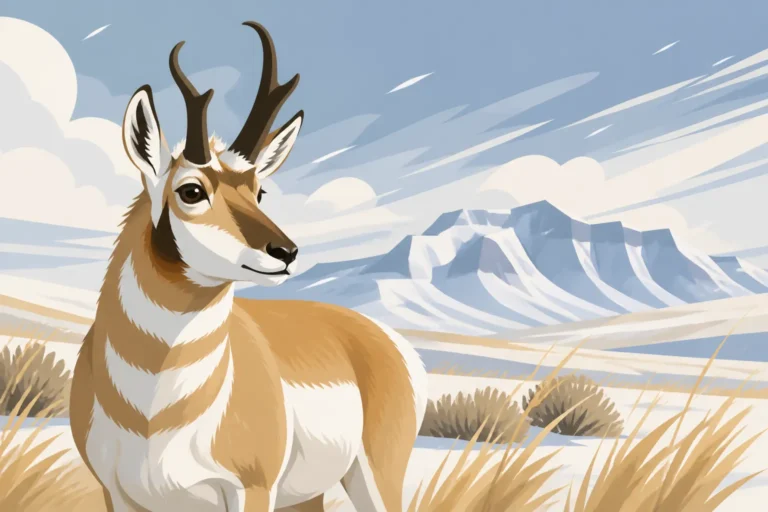
Pronghorn winter survival strategies on the Alberta prairie include localized migration, forming large herds, and finding sparse vegetation.
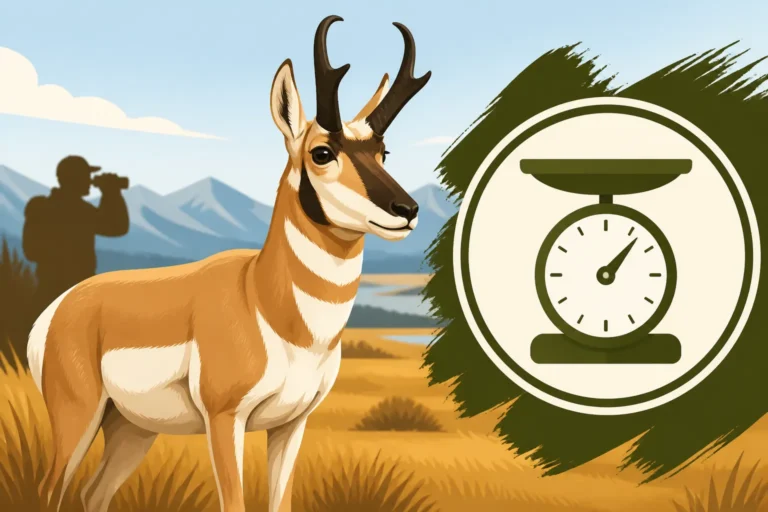
Mature Alberta pronghorn bucks weigh one hundred to one hundred forty pounds live, yielding a dressed weight around sixty-five to seventy-five percent.
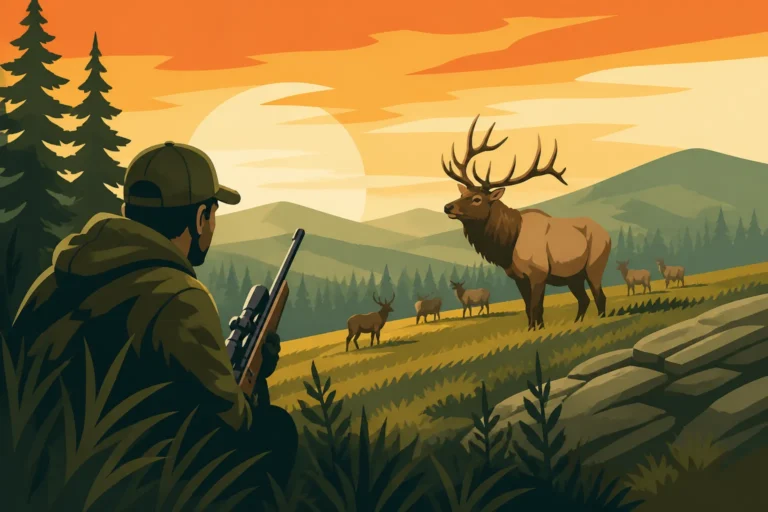
The Cypress Hills elk herd in southeastern Alberta thrives on an elevated plateau, offering hunters a unique prairie ecosystem.
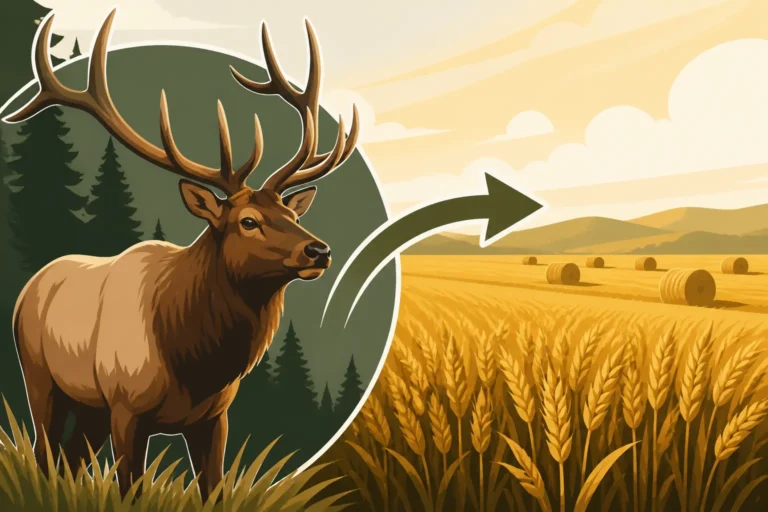
Alberta elk leave deep timber for agricultural fields to gain high-energy nutrition, winter fat reserves, and panoramic predator visibility.
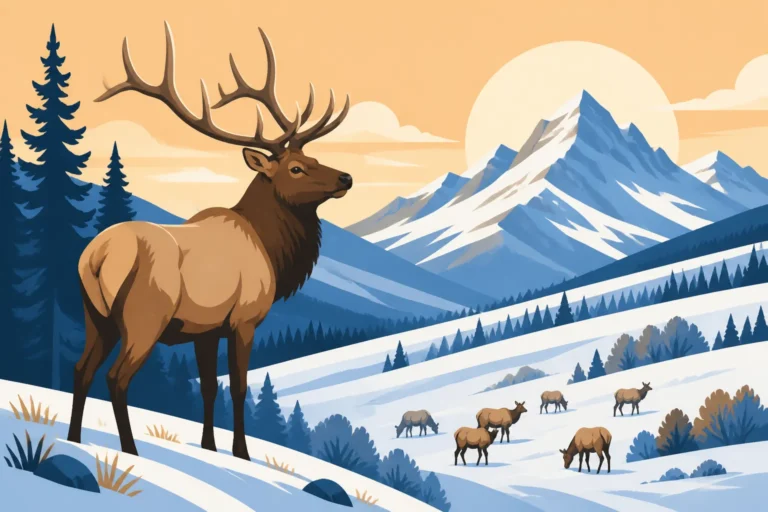
Alberta elk winter movements, mature conifer thermal cover, and food sources explain where herds relocate when snow falls.
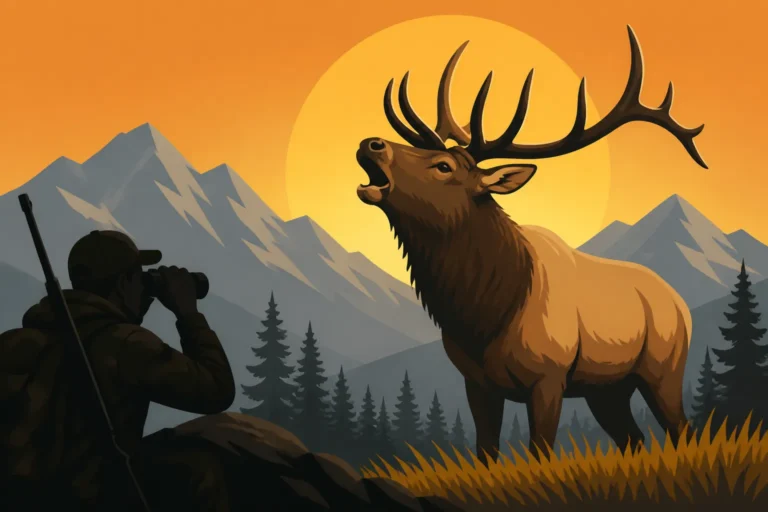
The Alberta elk rut progression from late August through October explains bugling activity and hunt timing for bulls.
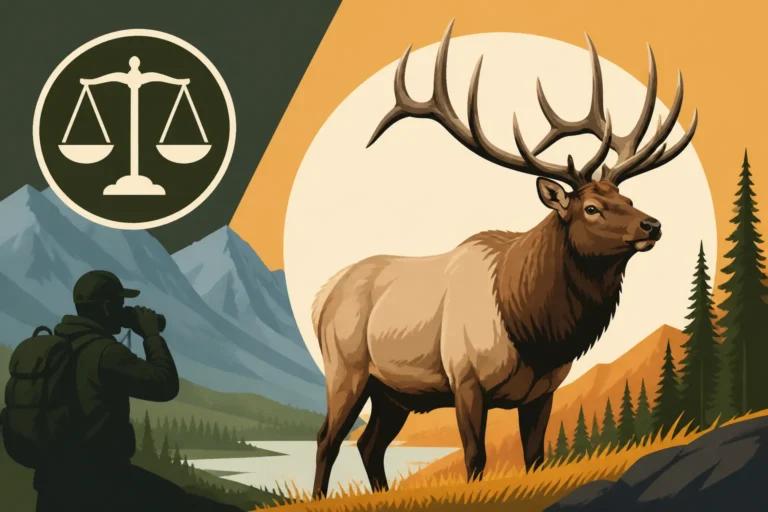
Mature Alberta bull elk weigh six hundred to nine hundred pounds live and four hundred to six hundred fifty field dressed.
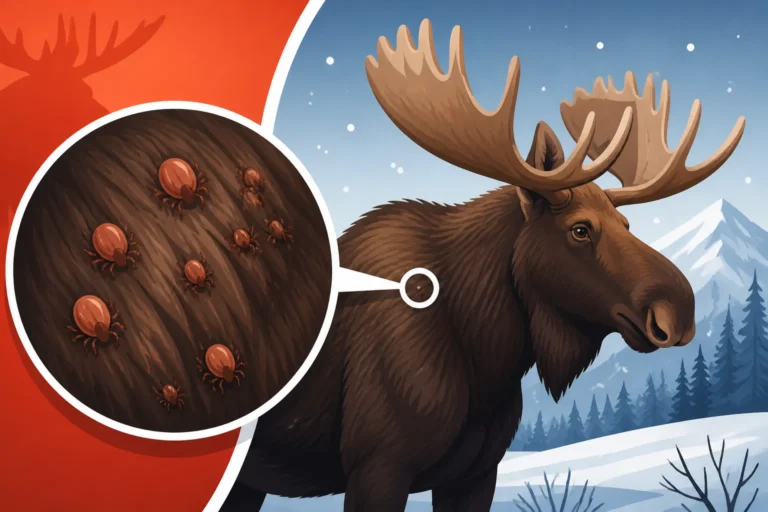
Winter tick larvae attach to Alberta moose in autumn, causing severe blood loss, anemia, and hair loss known as ghost moose.