How Winter Ticks Affect Alberta Moose
It's late winter or early spring in Alberta, and you're out scouting, or maybe just enjoying a last crisp walk through the bush. Suddenly, you catch a glimpse of a moose, but something's off. Its coat looks thin, patchy, almost ragged, with large sections of hair rubbed away, revealing pale skin underneath. It might even be walking slowly, looking a bit lethargic. You’ve likely just witnessed the unfortunate impact of winter ticks, a pervasive and often devastating challenge that our magnificent Alberta moose face year after year. This guide will walk you through exactly what winter ticks are, how they affect moose from the inside out, and what these tiny parasites mean for the health and future of our northern giants.
Understanding the Winter Tick Life Cycle
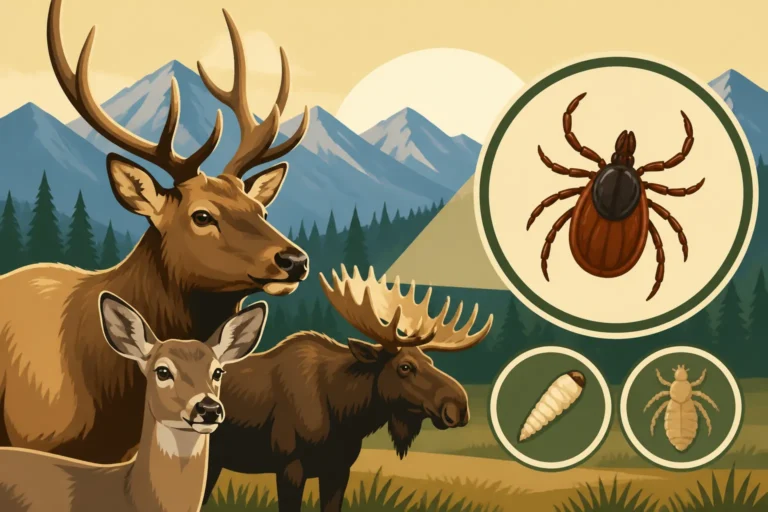
Winter ticks, scientifically known as Dermacentor albipictus, are a far cry from the tiny deer ticks or dog ticks you might encounter during the warmer months. These aren't just an annoyance; they're a serious health threat to moose because of their unique, single-host life cycle. Unlike other ticks that drop off between stages, the winter tick spends its entire parasitic life, from larva to adult, on one single animal. This means once a moose picks them up, those ticks are there for the long haul, slowly draining its vitality over several months.
The Autumn Onslaught and Winter Feeding
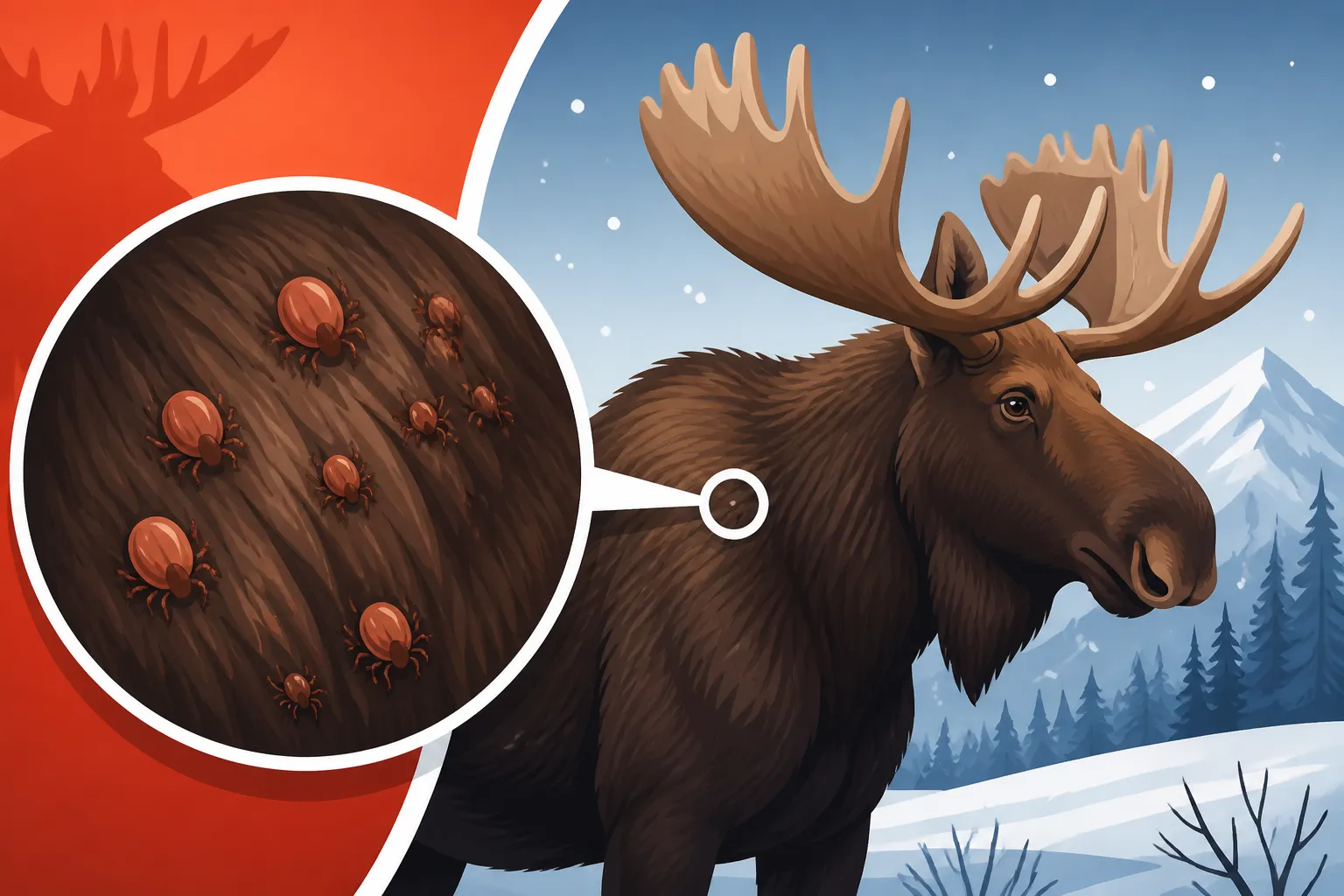
The saga begins in the fall, typically from late September through October, when hungry, microscopic winter tick larvae "quest" on vegetation. They cluster together on grasses and shrubs, patiently waiting for a host to brush by. Moose, with their massive bodies and often solitary habits of pushing through dense brush, are particularly efficient at collecting these tiny hitchhikers. A single moose can unknowingly pick up tens of thousands of these larvae in just a few short weeks. Once attached, these minuscule parasites begin their slow, steady feeding throughout the long Alberta winter. They’re not just a nuisance, they’re a continuous drain, like having thousands of tiny straws constantly siphoning off blood. It's a relentless siege that doesn't let up, setting the stage for more severe problems later in the season.
The Spring Bloom and Its Devastating Impact
As winter loosens its grip and spring approaches, the tick's life cycle accelerates. By late winter and early spring, these tiny larvae have matured into nymphs and then into engorged adults, feeding ravenously. This is when the true damage becomes catastrophic. Imagine thousands upon thousands of ticks, now much larger and far more active, feasting non-stop on a single animal. The cumulative blood loss can be immense, leading to severe anemia, extreme weakness, and profound stress for the moose. This intense irritation causes the moose to rub incessantly against trees and rocks, desperately trying to dislodge the parasites. This constant scratching and rubbing is what leads to the highly visible, characteristic patches of hair loss that define the "ghost moose" phenomenon we often hear about. Calves and cows that have just given birth are especially vulnerable during this critical period, often succumbing to the combined stress of blood loss, malnutrition, and the demands of survival.
Visible Signs and Health Consequences for Moose
When you spot a moose in the spring, and it looks like it’s had a really rough winter, there’s a good chance winter ticks are to blame. The signs are often unmistakable, going beyond just looking a bit thin. These visible cues are actually indicators of a much deeper, more severe physiological battle raging within the animal. It’s a heartbreaking sight to witness, and it speaks volumes about the toll these tiny parasites take.
The "Ghost Moose" Phenomenon
The most striking and widely recognized symptom of heavy winter tick infestation is what has become known as the "ghost moose" phenomenon. This refers to moose that have rubbed off significant portions of their dark brown winter coat, leaving behind large, pale, almost white patches of skin and undercoat. The constant, maddening itch from thousands of feeding ticks drives the moose to rub against anything they can find – trees, rocks, even the ground – in a desperate attempt to find relief. This isn't just cosmetic; the removal of their thick, insulating winter hair exposes their skin to the elements, making them far more susceptible to hypothermia during spring thaws and cold snaps. Beyond the cold, these lighter, patchy coats make them stand out starkly against the dark forest backdrop, increasing their visibility to predators like wolves and bears. If you're using tools to plan your hunts, like those offered by GoHunt, you might even notice that areas where you've previously spotted healthy, dark-coated moose now show signs of these lighter, struggling animals, indicating a localized problem.
From Anemia to Starvation: The Medical Realities
The visible hair loss is merely the tip of the iceberg. Beneath the surface, the medical realities for a tick-laden moose are dire. The sheer volume of blood consumed by tens of thousands of ticks leads to severe anemia, leaving the animal weak, lethargic, and significantly compromised. This profound weakness means they have less energy to forage effectively for food, especially when emerging from a harsh Alberta winter where nutritional reserves are already low. They become trapped in a vicious cycle: the ticks drain their blood and energy, leading to constant rubbing that further expends calories and compromises their insulation, which in turn reduces their ability to forage for the sustenance they so desperately need. This spiraling decline can quickly lead to malnutrition, secondary infections, and ultimately, starvation. Younger calves and yearlings are particularly susceptible, as their smaller body mass means they have less blood to spare and fewer reserves to draw upon, making them prime candidates for mortality. It's a cruel process that often leaves these majestic animals severely debilitated or dead before summer truly arrives.
Factors Influencing Tick Loads and Moose Vulnerability
It's not just a random draw of the luck whether a moose gets hit hard by winter ticks. There are several key factors, both environmental and related to the moose population itself, that can significantly influence the severity of a tick infestation. Understanding these dynamics helps us grasp why some areas or certain individuals seem to suffer more than others, creating regional differences in the health of our moose herds.
The Role of Climate and Habitat
The climate plays a monumental role in the success of winter tick populations. Warmer autumns, for instance, extend the period during which tick larvae can quest on vegetation, increasing the window for moose to pick them up. Similarly, milder winters can lead to higher survival rates for engorged adult ticks that drop off in the spring, ready to lay eggs for the next cycle. Deep snow, while often challenging for moose movement, can actually reduce their exposure to questing ticks by keeping them higher off the ground and away from the tick-laden underbrush. Conversely, in areas where snow cover is intermittent or shallower, moose might spend more time traversing dense thickets, maximizing their contact with waiting tick larvae. Certain habitat types, particularly areas with dense willow and alder thickets, can act as natural "tick traps," providing ideal conditions for questing larvae to gather and wait for their hosts. So, while a harsh Alberta winter can indeed be tough on moose in terms of energy expenditure, a mild winter can paradoxically exacerbate the tick problem, leading to more widespread and severe infestations.
Population Density and Disease Transmission
Moose population density is another critical factor. When moose populations are high in a particular Wildlife Management Unit (WMU) or region, there's a greater chance for tick larvae to find a host. The more moose there are browsing and moving through the same areas during the autumn questing period, the easier it is for the ticks to latch on. This isn't just about ticks though; a weakened, anemic moose is far more vulnerable to other stresses. It makes them easier prey for predators like wolves, less able to fend off other diseases, and generally reduces their overall fitness. High tick loads, therefore, don't just kill moose directly through blood loss; they weaken the animals to a point where they become susceptible to a cascade of other health issues. Wildlife managers closely monitor moose populations, recognizing that a healthy balance is key to mitigating the spread and impact of parasites like the winter tick. If you're interested in Moose Numbers in the Boreal Versus Foothills, understanding how these populations fluctuate can give you insight into areas that might be more prone to tick issues.
Management and Conservation Efforts in Alberta
The challenges posed by winter ticks to Alberta's moose populations are significant, but they aren't going unnoticed. Wildlife agencies, researchers, and conservation groups are actively engaged in understanding, monitoring, and seeking strategies to mitigate the impact of these pervasive parasites. While directly "treating" wild moose is largely impractical, a multi-faceted approach focusing on herd health and habitat is underway.
Monitoring and Research in Alberta
Wildlife biologists in Alberta, and across North America, are continuously monitoring moose populations for signs of winter tick infestations. This involves aerial surveys, ground observations, and sometimes even post-mortem examinations of deceased animals to assess tick loads and their physiological impact. The data collected helps identify hot spots, track the severity of infestations year-to-year, and understand long-term trends in moose health. This research is crucial for making informed management decisions, such as setting hunting quotas that account for herd health challenges. While direct intervention against ticks in a wild, vast landscape like Alberta's Boreal forest or foothills is incredibly complex, continuous research into moose ecology, tick biology, and environmental factors is vital. For example, understanding What Moose Eat Through the Year can help researchers link nutritional status to tick resilience. Advanced mapping and data aggregation tools, like those you find on platforms such as GoHunt, can be invaluable for wildlife agencies and researchers to identify trends and hot zones, helping them visualize where tick impacts might be most pronounced.
What Hunters Can Do
As hunters, we are often the eyes and ears on the ground, witnessing the health of the wildlife we pursue firsthand. Our observations are incredibly valuable. If you encounter a moose exhibiting severe hair loss or signs of being a "ghost moose" during your season, reporting these observations to Alberta Fish and Wildlife is important. Documenting the location, date, and condition of the animal can provide critical data points for researchers. Ethical considerations also come into play; encountering a severely compromised animal might influence your hunting decisions. While we can't individually solve the tick problem, being informed and observant allows us to contribute to the larger conservation effort. When you're out Hunting Moose Along Cutlines and Seismic Lines or glassing a burn, pay attention not just to antler size, but to overall body condition and coat health. Using scouting tools like GoHunt, you can even mark potential areas of concern on your maps to help track your own observations over time. Understanding How Winter Ticks Affect Alberta Moose is the first step in being a more responsible and informed conservationist.
Here's a quick comparison of what you might see in a healthy moose versus one heavily affected by winter ticks:
| Feature | Healthy Moose (Late Winter/Early Spring) | Tick-Affected Moose (Late Winter/Early Spring) |
|---|---|---|
| Coat Appearance | Thick, dark, uniform brown; full and insulating | Patchy, dull, ragged; significant hair loss, especially on shoulders, neck, flanks, and hindquarters; pale skin showing |
| Hair Color | Rich, dark brown to black | Pale, almost white patches where hair has been rubbed off |
| Body Condition | Robust, muscular, generally good fat reserves | Appears thin, gaunt, ribs may be visible, lethargic |
| Behavior | Active, alert, foraging, moving with purpose | Listless, slow-moving, standing still for extended periods; excessive rubbing on trees/objects |
| Overall Health | High energy, resilient | Weak, anemic, stressed, vulnerable to other factors |
Disclaimer
This article is for general informational purposes only and does not constitute professional advice. Laws, prices and regulations vary by location and change over time. Consult a qualified professional for guidance on your specific situation.