Hunting a Burned Block Three Years On
Three-year-old burned blocks in Alberta offer big game forage, security cover, and actionable strategies for successful hunting.
Find ground you can hunt.
National forest, BLM, and state land — WMAs, walk-in programs, unit boundaries, access rules, and how to get permission on private ground.
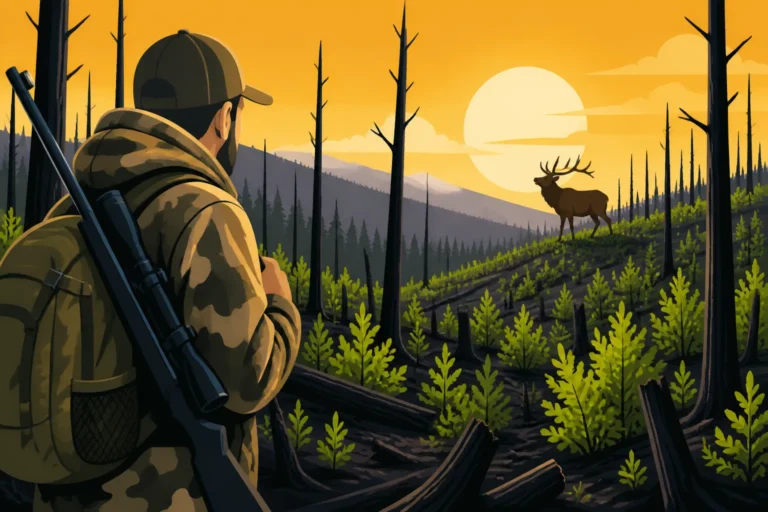
Three-year-old burned blocks in Alberta offer big game forage, security cover, and actionable strategies for successful hunting.
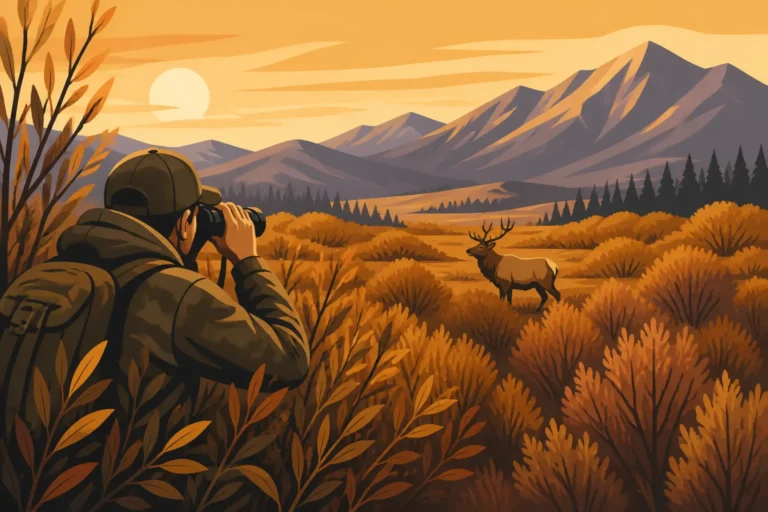
Alberta foothills willow flats provide big game bedding and food, offering hunters prime locations to find deer and moose.
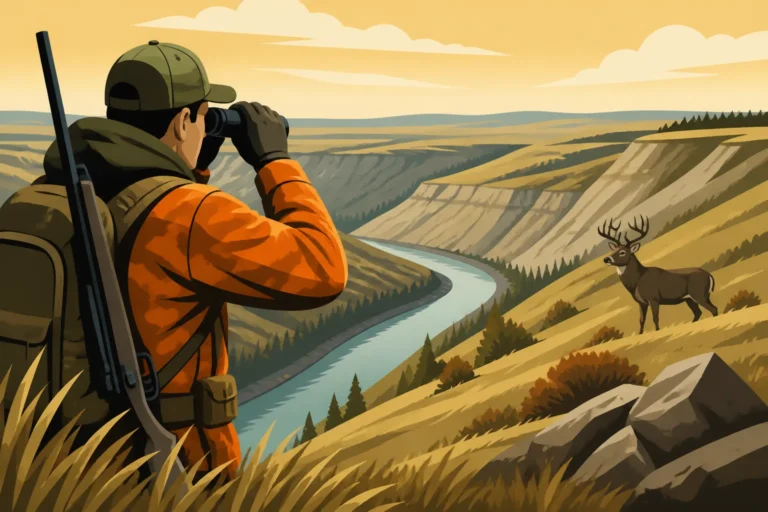
Alberta river coulees and waterways like the Red Deer River provide wildlife habitat and travel corridors for deer, elk, and moose.
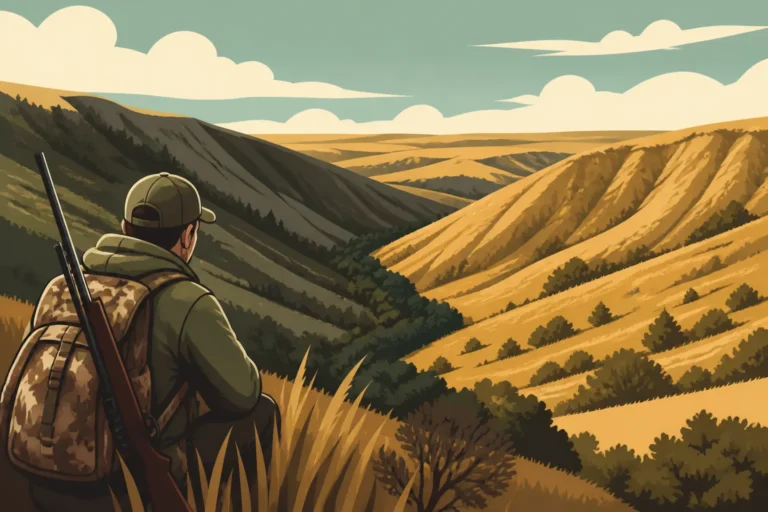
Coulee junctions in Alberta act as natural funnels that concentrate deer movement and provide vital shelter and water resources.
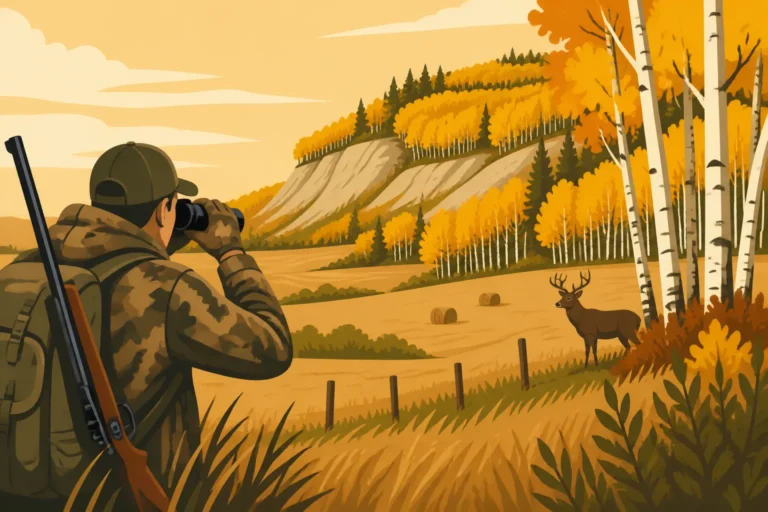
Aspen bluffs in Alberta agricultural landscapes offer deer sanctuary, concealment, and food, explaining how to hunt them successfully.
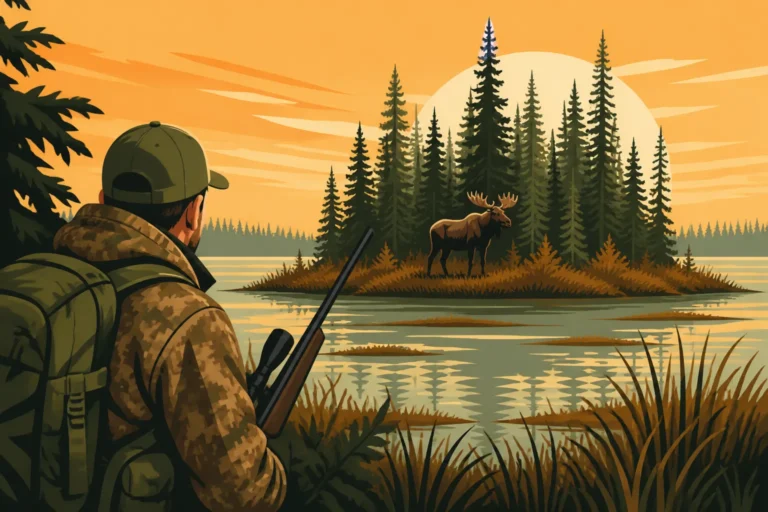
Alberta muskeg timber islands provide vital dry bedding and thermal cover for big game animals like moose and black bears.
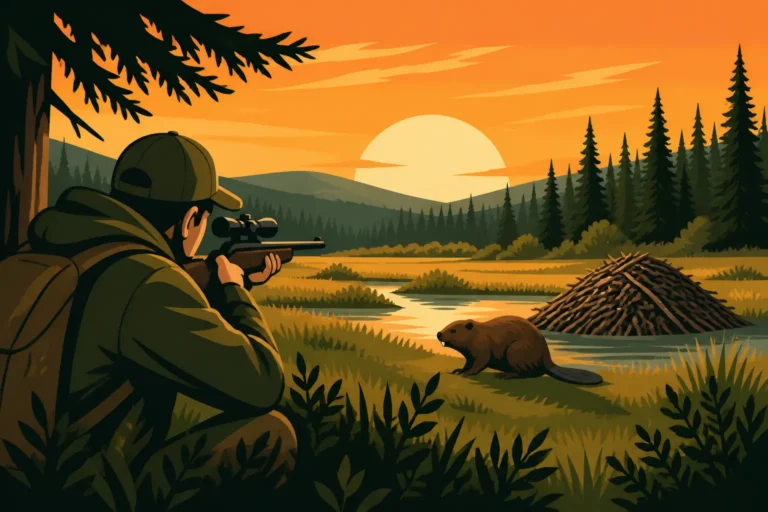
Alberta beaver meadows offer boreal hunters concentrated wildlife habitats, reliable water sources, and productive big game food.
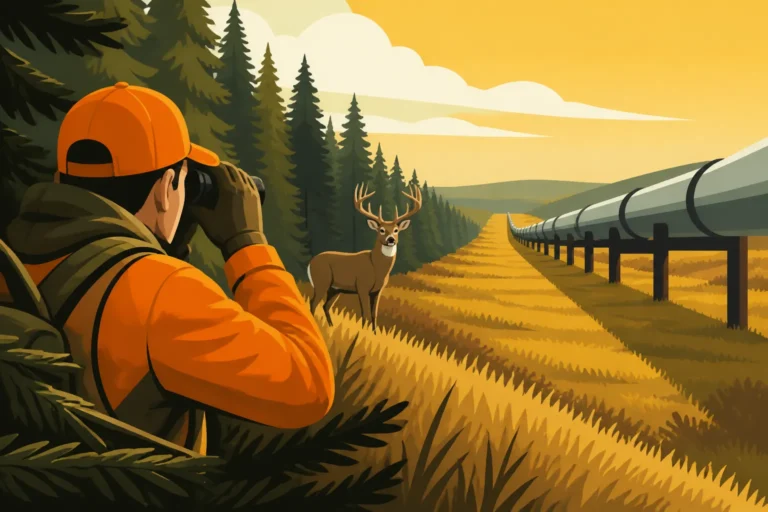
Alberta pipeline corridors span up to fifty meters wide, creating travel routes and edge habitat for deer, moose, and elk.
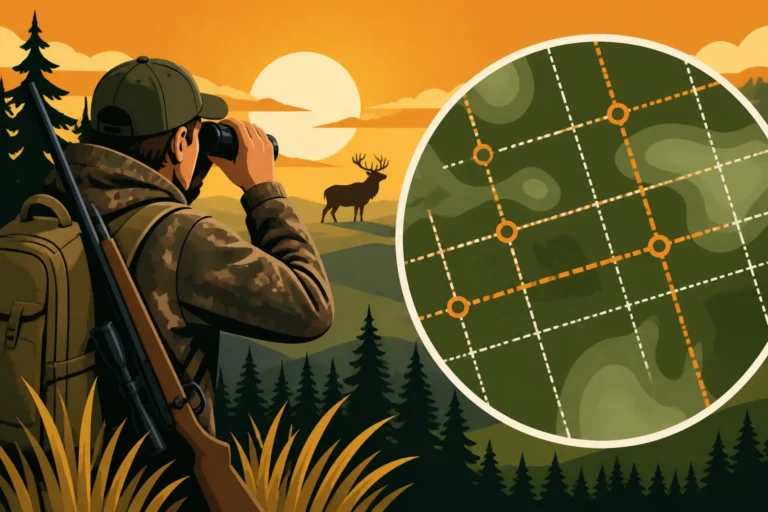
Old seismic lines in Alberta serve as hidden wildlife corridors and feeding grounds for deer, moose, elk, and bear.
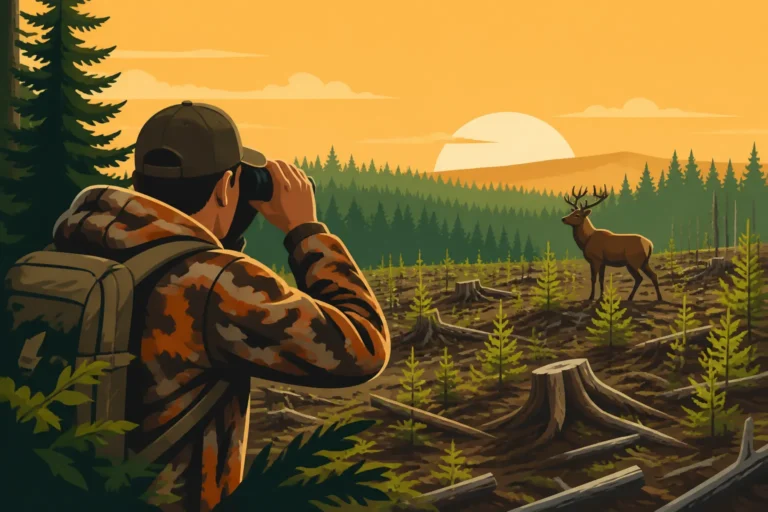
Second-year cutblocks in Alberta offer abundant wildlife forage and open sightlines, creating ideal hunting opportunities for deer, moose, and elk.