Hunting a Burned Block Three Years On
When a wildfire sweeps through a landscape, leaving behind a scorched canvas, many hunters initially view it as a total loss. It's a natural reaction to see the devastation and assume the game has simply vanished. But if you're willing to look beyond the immediate aftermath and understand the incredible resilience of nature, you'll discover that a burned block, particularly three years on, can transform into an absolute honey hole for big game. This guide will help you understand the ecological rebirth happening in these areas and provide actionable strategies to turn what others see as a wasteland into your next successful Alberta hunt.
The Phoenix Effect: Understanding Burned Block Ecology After Three Years
It's easy to look at a recently burned forest and see only destruction. Trees are blackened, the understory is gone, and the ground is covered in ash. But nature has a remarkable way of regenerating, and wildfires are often a critical part of a healthy forest ecosystem. A three-year-old burned block is far from the barren moonscape it might have been in year one. Instead, it's a vibrant, evolving landscape that often provides incredible advantages for game species.
From Ash to Abundance: What Happens Post-Fire
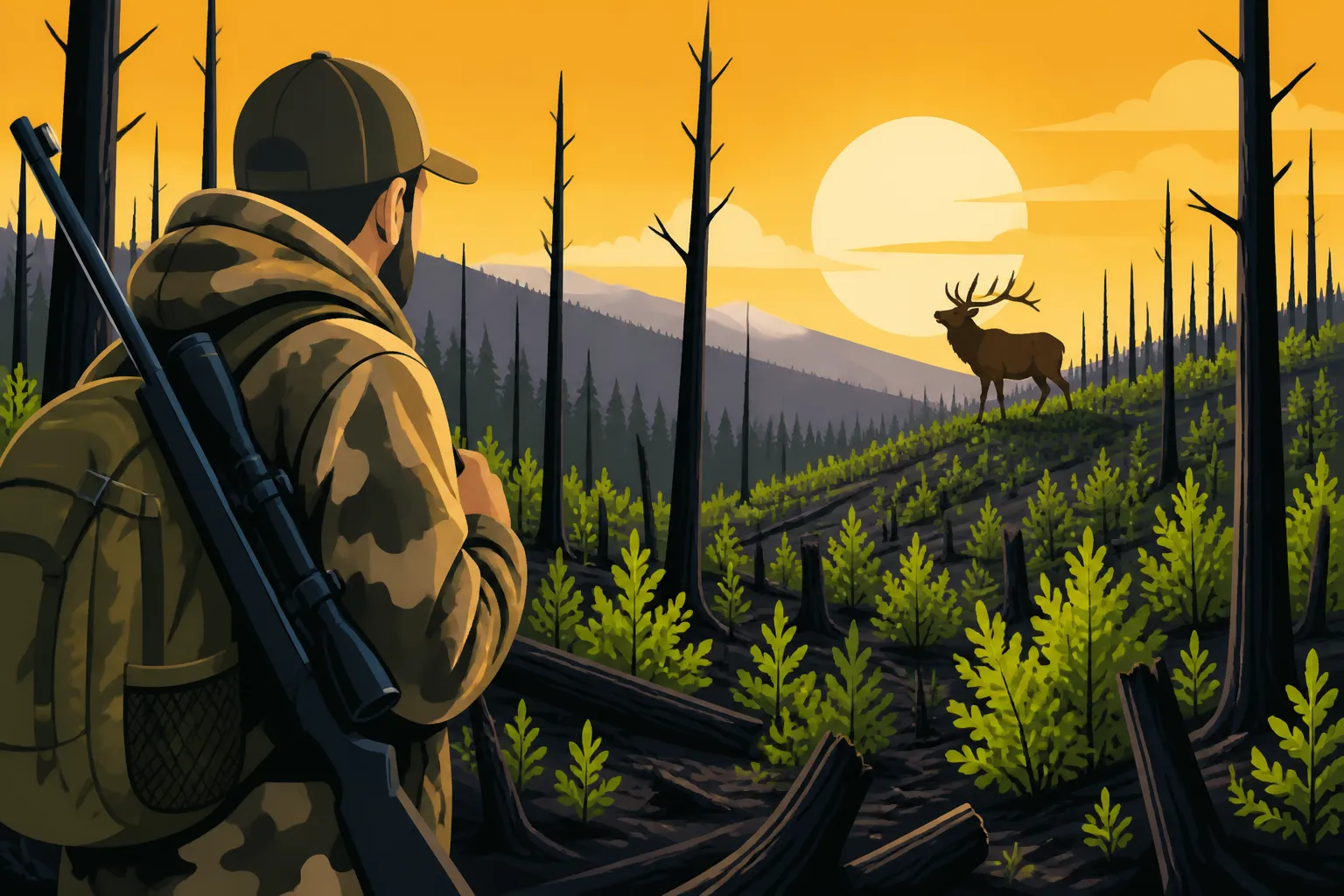
In the first year after a fire, the ground might be largely bare, with some pioneering grasses and forbs starting to emerge. The soil, enriched by ash, becomes incredibly fertile. By year two, this growth accelerates. Fast-growing plants, often highly palatable to deer and moose, explode in abundance. Now, at year three, you're looking at a well-established carpet of new vegetation. The canopy, if it was destroyed, is still largely open, allowing sunlight to reach the forest floor, fueling this lush undergrowth. What you often find is a dense mosaic of fireweed, various grasses, willow, aspen suckers, and other preferred browse. This is a crucial distinction from an unburned, mature forest where the dense canopy often shades out much of the ground-level forage.
The lack of dense overhead cover, while seeming counter-intuitive, often benefits game. It creates clear sightlines for both animals and hunters, and the downed timber, though a navigational challenge for us, provides immediate bedding cover and security for deer, moose, and elk. The rich forage means animals don't have to travel far to feed, concentrating their activity within the burn itself. You might think animals would shy away from such a dramatic change, but the abundance of fresh, nutritious food often outweighs the initial discomfort. This landscape is actively attracting and holding animals, especially those focused on putting on weight before winter. What Wildfire Changes Game Range dives deeper into these ecological shifts.
Structural Changes: Cover and Security in a New Light
Beyond the explosion of food, a three-year-old burn offers unique structural changes that benefit game. While the large trees might be dead or still standing as "snags," they offer far less canopy cover. This increased light penetration is precisely what drives the vegetation growth mentioned earlier. However, the fallen timber creates a whole new type of cover. These tangled messes of logs, often crisscrossed and piled high, provide excellent security for deer, moose, and even bears. They can bed down in these natural fortresses, invisible from even a short distance, while still having access to abundant food.
The edges of the burn, where it transitions into unburned forest, become incredibly important travel corridors. Animals will often use the thick cover of the unburned timber for safety during the day, then filter into the regenerating burn to feed at dusk and dawn. These edges, along with any unburned pockets or islands of timber within the burn, are critical areas to focus your scouting and hunting efforts. Understanding these dynamics is key to success, as outlined in Hunting a Burned-Over Boreal Block.
Identifying Key Game Habitat in Older Burns
Hunting a three-year-old burn isn't about aimlessly wandering through the devastation. It's about recognizing the subtle signs of recovery and identifying the specific features that game animals are now utilizing. This requires a shift in perspective from traditional forest hunting, where dense timber might be the focus, to one where open areas and regenerating patches become the hotspots.
Lush Regeneration: The Food Source
The most significant draw for big game in a three-year-old burn is undoubtedly the explosion of new, palatable vegetation. Look for dense patches of:
- Fireweed: This vibrant purple flower is often one of the first plants to colonize burned areas and is a favored browse for many species.
- Aspen and Willow Suckers: After a fire, aspen and willow trees often send up numerous young shoots from their root systems. These tender, nutritious shoots are highly sought after by moose, deer, and elk.
- Grasses and Forbs: Various grasses and broad-leafed plants (forbs) will create a thick ground cover, providing continuous grazing opportunities.
These areas, especially where they are thick and waist-high, are where animals will spend significant time feeding. Think of it as a natural buffet. Your goal is to identify these high-quality feeding zones, particularly those near some form of escape cover. This regeneration is what makes burned ground so attractive, contrasting sharply with the older, less diverse undergrowth of mature forests.
Unburned Pockets and Edges: Security and Transition Zones
While the overall block might be burned, it's rare for a fire to consume absolutely everything. You'll often find "islands" of unburned timber within the larger burned area, or fingers of timber that survived along creeks or ravines. These unburned pockets are absolutely critical. They provide:
- Thermal Cover: A place for animals to escape the direct sun or strong winds, something a burned area often lacks due to the absence of a canopy.
- Visual Security: Dense cover where animals can bed down and feel safe from predators, including hunters.
- Familiarity: Old growth might represent a familiar bedding area or travel route that animals continue to use, even as the surrounding landscape changes.
Similarly, the edges where the burned area meets unburned forest are prime locations. Animals will often stage in the unburned timber during daylight hours, then move into the regenerating burn to feed during low light. These transition zones are natural funnels for game movement. Hunting a Shelterbelt Between Two Fields offers insights into how animals use edge habitat, which can be applied to burn edges. Utilize satellite imagery tools like onX Hunt or GoHunt to meticulously scout these edges and unburned islands from home, long before you ever step foot on the ground. These applications often have historical imagery options that can show you the extent of the burn and the survival of these pockets.
Water Sources and Natural Travel Corridors
Just like in any other habitat, water is an essential draw. If there are any creeks, springs, or even temporary water pockets within or adjacent to the burned block, they will attract game. Animals need to drink, and these water sources become natural congregation points, especially in drier periods. Check these areas for fresh tracks and droppings.
Beyond water, look for natural travel corridors. Even in a chaotic burn, animals tend to follow the path of least resistance. This could be:
- Old Game Trails: Surprisingly, some main game trails can persist through a burn, though they might be harder to discern.
- Ridges and Drainage Bottoms: Topographical features like the tops of ridges or the bottoms of small drainage channels can offer easier travel than navigating a dense tangle of fallen logs.
- Unburned Strips: Any narrow strip of unburned timber, even a fence line or a small treed creek bottom, will be heavily utilized as a travel route.
- Edges of Major Blowdowns: While huge blowdowns are a pain for hunters, animals will often skirt their edges rather than trying to push through the densest parts.
By understanding how animals utilize these features, you can predict their movements and position yourself accordingly. Hunting a Foothills Bench Above a Creek describes how topography influences game movement, a principle that remains true even in a burned landscape.
Strategic Hunting: Tactics for a Three-Year-Old Burn
Hunting a three-year-old burned block requires a different approach than hunting untouched timber. The landscape has changed dramatically, and so must your tactics. It demands careful scouting, patience, and often a willingness to adapt on the fly.
Pre-Season Scouting: Your Best Friend
Before you ever set foot with your rifle or bow, extensive pre-season scouting is paramount. Start from home with digital mapping tools. onX Hunt is invaluable here. Zoom in and identify:
- Burn Boundaries: Clearly define where the fire stopped and intact forest begins.
- Unburned Pockets: Mark every island or finger of green timber within the burn.
- Topographical Features: Look for ridges, valleys, and creek beds that might offer travel corridors.
- Access Points: Note how you can get into and out of the area, considering potential challenges from fallen timber.
Once you've done your digital homework, boots on the ground are essential. Walk the edges, explore those unburned pockets, and look for fresh sign: tracks, droppings, rubs, and beds. Pay close attention to the density and type of regeneration. Is it mostly fireweed, or are there abundant aspen suckers? This tells you what animals are eating. A good scouting trip might feel slow, but it's the foundation of a successful hunt in this unique environment. Don't be afraid to put in the miles; what seems like a mess to you is often a haven for game.
Effective Hunting Techniques
Due to the altered visibility and terrain, certain hunting methods shine in three-year-old burns:
- Still-Hunting and Slow Stalking: With the increased visibility in many parts of a burn (due to lack of canopy) but also the potential for dense ground cover (new growth and fallen timber), moving slowly and deliberately is crucial. Take a few steps, stop, and glass for several minutes. Look for horizontal lines (the back of an animal) in a vertical world (stumps, snags, new growth). The crunch of ash and fallen branches can make quiet movement difficult, so use the wind to your advantage and be extra cautious with your foot placement.
- Elevated Positions (Where Possible): If there are any mature, unburned trees on the edges or in surviving pockets, an elevated stand can offer an incredible advantage. The open canopy of the burn often means you can see much further into it than you would in a dense forest. Even a portable ground blind set up against a fallen log pile on a well-used game trail can work wonders. However, finding suitable trees for stands can be challenging in severely burned areas.
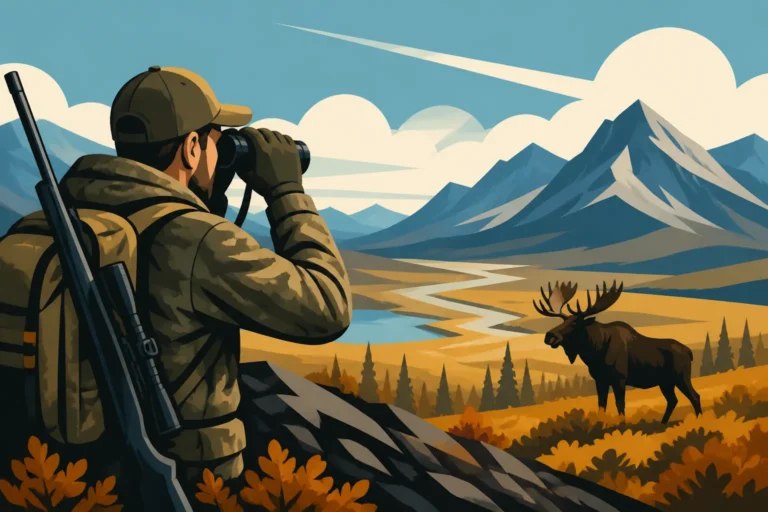
- Spot-and-Stalk: In areas with more open regeneration and rolling terrain, spot-and-stalk can be highly effective for mule deer or even elk. Get to a high point on the edge of the burn, glass thoroughly during prime feeding times (early morning, late evening), and identify animals. Once spotted, carefully plan your stalk, using the new growth, downed timber, and terrain features for cover. Spot-and-Stalk Mule Deer in Alberta offers excellent strategies applicable here.
- Calling: For moose and elk, calling can be very effective in burns. The more open landscape allows calls to carry further, and the thick regenerating browse can hold animals close. Cow and calf calls for moose, or soft bugles for elk, can draw curious animals out of thick pockets of timber or dense regeneration. Calling a Bull Moose in the Rut or Bugling to a Foothills Bull Elk provide great starting points.
When hunting burned areas, especially for species like Moose Across Alberta's Boreal and Foothills or White-Tailed Deer, Alberta's Most Hunted Big Game, remember that their patterns will be dictated by the new food sources and the remaining or newly formed cover.
| Feature | Description Three Years Post-Burn | Game Utilization | Hunting Implications |
|---|---|---|---|
| New Growth | Dense carpets of fireweed, aspen suckers, grasses. | Primary food source, attracting heavy feeding activity. | Focus on these areas, especially at dawn/dusk. High likelihood of encountering feeding animals. |
| Fallen Timber | Extensive crisscrossing logs, often piled high. | Excellent bedding cover, security from predators, travel impediments. | Animals bed here. Hunters must move slowly and deliberately, use logs for cover. |
| Unburned Pockets | Small islands or strips of mature, intact timber. | Thermal cover, visual security, familiar bedding areas. | Hunt the edges, consider stand placement within or adjacent to these pockets. |
| Open Canopy | Few mature trees providing overhead cover. | Increased sunlight for vegetation, enhanced visibility for hunters. | Good for glassing from elevated positions. Animals might feel exposed in the open. |
| Ash/Dirt Trails | Old trails might be covered by ash or new growth. | Can be harder to discern, but still preferred travel routes if clear. | Look for subtle depressions, fresh tracks. Use mapping apps to confirm old routes. |
Navigating the Aftermath: Safety and Gear in Burned Blocks
Hunting in a burned block presents unique challenges that demand specific gear and a heightened awareness of safety. It's not just about finding game; it's about navigating a drastically altered and potentially hazardous landscape.
Unique Hazards of Burned Terrain
- Snags and Widowmakers: Dead standing trees (snags) are often unstable and can fall with little warning, especially in high winds. Be constantly aware of your surroundings, and never set up camp or a stand directly under a snag. "Widowmakers" are broken branches lodged precariously in trees, ready to fall. This is perhaps the most significant physical danger in a burned area.
- Ash Pits and Root Burn-Outs: The ground can be deceptive. Areas where stumps or root systems have completely burned out can leave hidden holes or tunnels under the surface, which can collapse under your weight. These ash pits can be deep, hot (if the fire is still smoldering underground, though unlikely three years later, caution is still warranted), and can cause serious injury. Test the ground ahead of you in suspicious areas.
- Navigation Challenges: Familiar landmarks, such as specific tree stands, rock formations, or even creek bends, may be gone or dramatically altered. This can lead to disorientation. Rely heavily on your GPS or a mapping app like onX Hunt which will maintain all your pre-marked waypoints and property lines, regardless of the surface changes. Reading an Alberta WMU Map Before You Go and Scouting With Satellite Imagery in Alberta are excellent resources to prepare for this.
- Footing and Noise: The ground can be a mix of soft ash, unstable soil, and countless fallen logs. This makes quiet movement incredibly difficult and increases the risk of trips and falls.
- Weather Exposure: Without the forest canopy, you'll be more exposed to sun, wind, and rain. Be prepared for colder conditions and faster heat loss, especially if caught in a sudden weather change, as highlighted in Hunting Alberta Winter Weather Safely.
Essential Gear for Burned Block Hunting
Beyond your standard hunting kit, consider these additions or specific gear choices when heading into a burned area:
- Robust Footwear: High-top, waterproof boots with excellent ankle support are non-negotiable. You'll be traversing uneven terrain, climbing over logs, and potentially sinking into soft ash.
- Durable Clothing: Your clothing will get snagged, dirty, and potentially stained by ash. Choose tough, tear-resistant fabrics. Blaze orange is still a must for safety.
- Navigation Tools: A reliable GPS unit or a smartphone with a fully downloaded offline mapping app (like onX Hunt or GoHunt) is absolutely critical. Ensure you have backup power, as your phone battery will drain quickly. Mark your vehicle, proposed travel routes, and any significant features.
- First-Aid Kit: A comprehensive first-aid kit, including supplies for cuts, sprains, and potential burns, is more important than ever.
- Communication Device: Cell service is often spotty in backcountry areas, especially after a fire. Carry a satellite messenger (like a Garmin inReach or Zoleo) for emergencies. What Happens If You Get Stuck in the Bush emphasizes the importance of communication and preparedness.
- Saw/Axe: A small folding saw or hatchet can be useful for clearing shooting lanes or making a path through particularly dense blowdowns, though always be mindful of regulations regarding cutting on public land.
- Water and Snacks: You'll expend more energy navigating the difficult terrain, so bring ample water and high-energy snacks.
- Dust Mask/Bandana: If it's dry, ash can become airborne and irritate your lungs. A simple bandana or dust mask can offer some relief.
Hunting a burned block three years on is an adventure. It's a testament to nature's resilience and an opportunity to witness an ecosystem in recovery. By understanding the ecological changes, knowing where to look for game, and prioritizing safety, you can turn these often-overlooked areas into some of your most rewarding hunting grounds. Hunting Alberta's Boreal Forest Country frequently sees burns, making these strategies highly relevant.
Disclaimer
This article is for general informational purposes only and does not constitute professional advice. Laws, prices and regulations vary by location and change over time. Consult a qualified professional for guidance on your specific situation.