When Alberta Bulls Drop Their Antlers
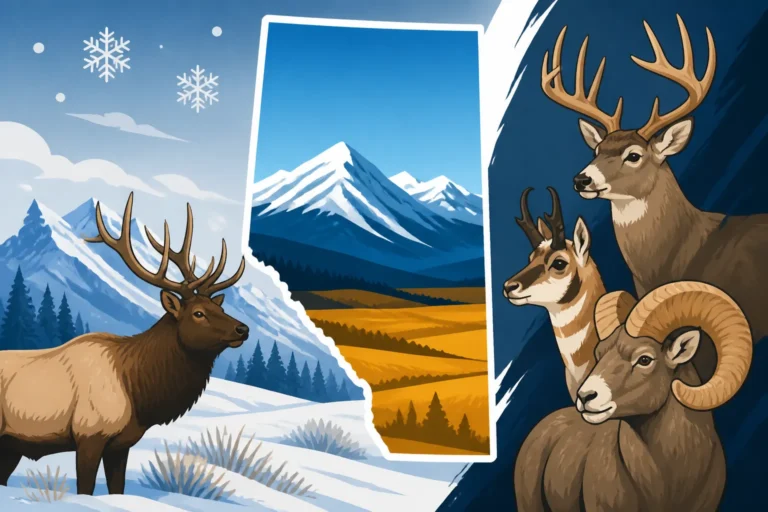
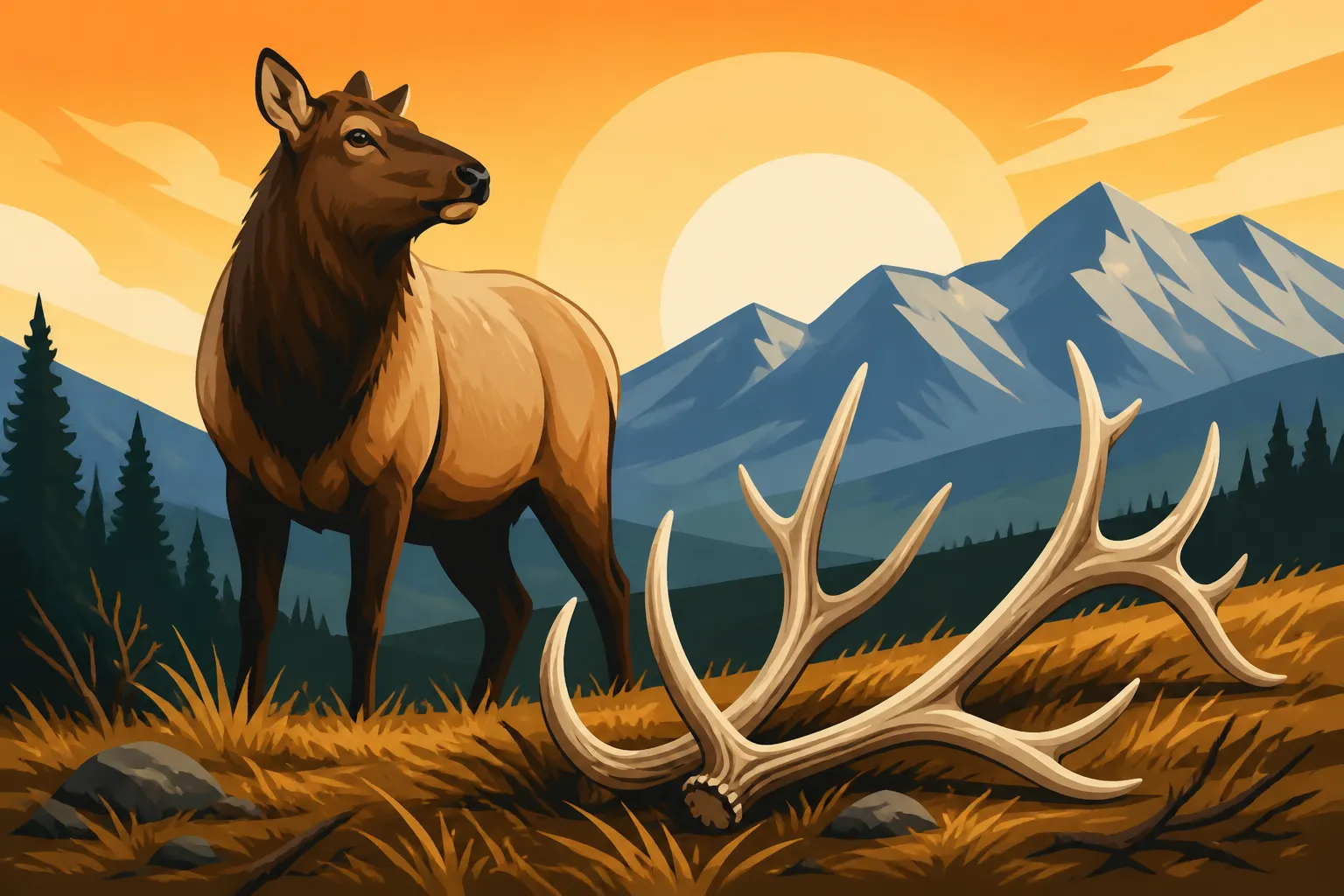
The crunch of snow underfoot, the crisp Alberta air, and the tantalizing thought of finding a freshly dropped elk antler – it's a feeling every shed hunter knows. But the mystery of when those majestic headpieces hit the dirt can be as elusive as the bulls themselves. Many of us spend countless hours searching, often wondering if we’re too early, too late, or simply looking in the wrong spots. This guide is here to shed some light (pun intended!) on the timing and science behind when Alberta's bull elk drop their antlers, helping you maximize your chances of finding that prized shed.
The Typical Antler Drop Window for Alberta Elk
For many hunters and outdoor enthusiasts, knowing when to hit the woods for shed antlers is a delicate balance of timing and patience. Jump in too early, and you risk spooking vulnerable animals still holding their headgear. Wait too long, and you might find that eager rodents or other shed hunters have beaten you to the punch. In Alberta, there's a general window that most experienced shed hunters key into, but it’s rarely a hard and fast rule.
The General Timeline: February to April
Generally speaking, the primary antler drop period for bull elk in Alberta typically runs from late February through to April. This is when the vast majority of bulls, having recovered somewhat from the strenuous rut, begin to shed their antlers. The physiological process is fascinating: as daylight hours increase and the bull's testosterone levels plummet after the breeding season, a specialized layer of cells, known as the abscission layer, forms at the base of the pedicle. This layer weakens the connection between the antler and the skull, eventually leading to the antler detaching and falling off.
Think of it like this: an elk has just spent months battling, breeding, and running himself ragged during the fall rut. His body has been in overdrive, fueled by testosterone. Once that energy expenditure declines and the hormone levels drop, his body shifts priorities. Instead of maintaining those massive antlers, it starts to reallocate resources for recovery and survival through the winter. This means the antlers become a luxury the bull can no longer afford to carry, and they're discarded. While some early birds might drop a little sooner, and some holdouts a bit later, late winter and early spring are prime time. The timing can also vary slightly across Alberta's diverse landscapes, with bulls in the foothills and mountains sometimes holding onto their antlers a little longer due to perhaps more consistent cold, while those in agricultural areas might be more variable based on their diet.
Factors Leading to Earlier or Later Drops
While February to April is a solid guideline, not all bulls read the same calendar. Several key factors can influence whether a bull sheds his antlers earlier or holds onto them longer than his peers. It’s not just about the date on the calendar; it's about the bull's individual circumstances.
First and foremost is the overall health and body condition of the animal. A bull that went into the rut in peak physical shape, managed to maintain good nutrition throughout the winter, and avoided major injuries or significant stress, might hold his antlers longer. His body has the reserves to do so. Conversely, a bull that was run down hard during the rut, perhaps had to fight off multiple rivals, or simply didn't find enough quality forage during a tough winter, is more likely to drop his antlers sooner. His body is conserving every bit of energy it can, and shedding antlers quickly is one way to lighten the load and redirect calcium and other minerals to critical bodily functions. Age also plays a role; very old bulls, whose bodies are generally declining, or very young bulls, who haven't fully matured, can sometimes drop earlier. Mid-prime bulls, in their peak physical condition, often hold onto their antlers the longest. Think of it like an athlete: a well-conditioned, healthy athlete can recover from exertion faster and maintain peak performance longer. An elk's antlers are a sign of his health and vigor, and when that vigor dips, the antlers are often the first thing to go.
Key Influencers on When Bulls Shed Their Antlers
Understanding the general timeline is a great start, but to truly become a proficient shed hunter, you need to dig deeper into the "why" behind the timing variations. It's not just random; there are powerful environmental and biological cues at play that dictate when an Alberta bull finally drops his hard-earned headgear.
Winter Severity and Food Availability
One of the biggest drivers for antler drop timing is the severity of the winter and the availability of good food. Alberta winters can be notoriously harsh, with deep snow and prolonged periods of bitter cold. When the snow is deep, elk have to expend significantly more energy just to move around, let alone to dig through the snow to find forage. This increased energy expenditure, combined with potentially scarce or low-quality food, puts immense stress on a bull's system. When a bull is battling to survive, his body will prioritize essential functions over maintaining antlers.
A really tough winter, therefore, often leads to an earlier general antler drop across the population. Bulls simply can't afford the metabolic cost of carrying around heavy bone on their heads. They need to conserve every calorie to stay warm and move. Conversely, a mild winter with easy access to plenty of forage can mean bulls hold their antlers longer. Their bodies aren't under the same survival pressure, so they can maintain the antlers for an extended period. This is where tools like GoHunt can be invaluable. By looking at satellite imagery and historical data on snowfall and vegetation, you can get a clearer picture of how a particular winter might impact the local herd's nutrition and, consequently, their antler drop schedule. Understanding Where Alberta's Elk Herds Winter and the quality of those winter ranges gives you a huge advantage.
Post-Rut Condition and Stress Levels
Beyond the winter itself, the condition a bull is in after the intense breeding season, or rut, plays a massive role. The rut is incredibly taxing. Bulls are constantly sparring, chasing cows, and often going days with very little to eat. They burn through an incredible amount of their body fat and muscle mass. A bull that had a particularly demanding rut – perhaps he was the dominant bull in a large herd and had to fight off many challengers – will be more depleted than a bull who had a quieter season.
This post-rut exhaustion directly impacts their ability to hold antlers. The more run down a bull is, the sooner his body will signal the need to shed and recover. Furthermore, stress from other sources can also hasten the drop. High predator pressure in their wintering grounds, or even significant human disturbance from logging, recreation, or early shed hunters, can add to their stress load. When an elk is constantly on alert or being pushed around, his system is under duress, leading to hormonal changes that can trigger an earlier antler drop. It’s a survival mechanism, shedding unnecessary weight and diverting resources to fleeing or fighting.
Identifying Prime Shed Hunting Locations
Finding an elk shed isn't just about knowing when they drop; it's also about knowing where they're most likely to be when it happens. Elk are creatures of habit, especially in winter, and their movements are dictated by survival needs: food, water, and security.
Wintering Grounds and Thermal Cover
As winter sets in across Alberta, elk seek out specific areas that offer the best chance of survival. These are often their primary wintering grounds. You're looking for places that provide thermal cover – dense stands of timber, particularly conifers, that block wind and trap warmth. South-facing slopes are gold because they catch the sun's rays, melting snow faster and exposing valuable forage like grasses and shrubs. These areas provide both warmth and accessible food sources, making them natural magnets for elk during the coldest months.
Bulls will spend a significant amount of time in these areas, often bedding down and feeding, increasing the chances of an antler falling there. Look for areas with a mix of mature timber and open patches where they can browse. A good strategy is to find a south-facing slope with a thick timber stand at the top or on its flanks. Elk will move from the timber out into the open to feed when conditions allow, then retreat back into the cover. Focus your search along these transition lines. Identifying these areas is crucial for success, and resources like Where Alberta's Elk Herds Winter can give you a general idea of where to start your research for specific WMUs.
Travel Corridors and Feeding Areas
Elk don't just stay in one spot; they move between bedding areas, feeding grounds, and water sources. These routes become worn trails, often funneling through natural pinch points in the landscape. These travel corridors are prime locations for finding sheds, especially if an antler is jarred loose by a jump or a rub against a tree branch. Think about how deer use trails; elk are similar, just on a larger scale.
Look for fence lines, particularly older ones, where elk might jump over and dislodge an antler. Creek crossings, shallow riverbanks, and narrow passes between hills or dense bush are also excellent spots. When it comes to feeding areas, agricultural fields that border timber or heavy cover are hotspots. Elk will often move out into these fields at dusk and dawn to feed on residual grain or hay, and they might drop an antler while casually grazing. The edges of these fields, especially where they enter or exit cover, are particularly productive. Using a mapping platform like GoHunt can help you overlay game trails and identify these critical travel and feeding zones from the comfort of your home, before you even step foot in the bush. This kind of digital scouting is invaluable for pinpointing likely spots for Hunting Elk on Alberta Grain Land.
Bedding Sites and Ridge Tops
Elk spend a significant portion of their day bedding down, resting, and chewing their cud. These bedding sites are often in thick cover, providing security and protection from the elements. A bull might drop an antler while lying down, so systematically searching these dense areas can be highly rewarding. Look for flattened grass or snow, fresh droppings, and broken branches indicating recent elk presence. Often, these bedding areas will be on ridge tops or elevated benches, which offer a strategic view of the surrounding area, allowing the elk to spot potential threats.
Ridge tops are also often exposed to wind, which can help clear snow, making food more accessible. As such, these elevated areas can serve as both feeding and bedding locations. Look for areas where dense timber meets a more open ridge, or where natural features create a sheltered bowl on a ridge line. Don't be afraid to push into the thick stuff; many sheds are found by those willing to go where others won't. Remember, if it looks like a good place for an elk to feel safe and comfortable for a long period, it's a good place to find a shed.
Strategies for a Successful and Ethical Shed Hunting Season
Shed hunting is more than just a walk in the woods; it’s a strategic endeavor that requires patience, preparation, and a deep respect for the wildlife you're observing. To maximize your chances of finding those elusive antlers while minimizing your impact, a thoughtful approach is key.
Timing Your Expeditions Wisely
The "when" of shed hunting isn't just about when the antlers fall, but when you should go looking for them. Heading out too early, when many bulls are still carrying their antlers, can have detrimental effects. Spooking winter-stressed elk can cause them to expend crucial energy, pushing them further into their winter reserves and potentially impacting their survival or even triggering an earlier, stress-induced antler drop. The goal is to let nature take its course.
A good rule of thumb for Alberta is to wait until late March or early April, once the bulk of the antler drop has occurred and snow conditions start to become more manageable. However, this is highly dependent on the year's specific winter conditions. After a particularly harsh winter, you might consider waiting a bit longer into April to ensure the snow has receded enough to make walking easier and visibility better. If there was heavy snow that recently melted, the sheds might be lying on fresh, visible ground. Conversely, too much snow can bury them, making a search almost impossible. Pay attention to local conditions and try to time your trips for when the snow has melted in the critical wintering areas, but before spring growth fully obscures the ground. Don't forget to prioritize safety when heading out in potentially lingering winter conditions; read up on Hunting Alberta Winter Weather Safely.
Leverage Modern Scouting Tools
In today's age, technology offers incredible advantages for shed hunters. Gone are the days of aimlessly wandering; now, you can perform extensive digital scouting before you even lace up your boots. Satellite imagery and topographic maps are your best friends. Platforms like GoHunt allow you to zoom in on specific areas, identify south-facing slopes, locate dense thermal cover, pinpoint potential travel corridors, and even spot old logging roads or seismic lines that could serve as access points or elk pathways.
By studying these maps, you can identify areas that fit the criteria for prime wintering habitat and travel routes. Look for subtle changes in vegetation, breaks in timber, or topographical features that would funnel animals. You can mark potential hotspots on your phone or GPS device, creating a strategic plan for your boots-on-the-ground search. This not only saves you countless hours of unproductive walking but also allows you to focus your energy on the most promising areas. Getting familiar with Scouting With Satellite Imagery in Alberta will dramatically improve your success rate.
Respecting Land and Wildlife
As with any outdoor pursuit, ethical considerations and respect for the land and wildlife are paramount in shed hunting. Always know whose land you're on. Public land in Alberta offers fantastic opportunities, and resources like Finding Access on Alberta Crown Land can help you navigate where you can legally access. However, much of Alberta is private land, and retrieving sheds from these areas absolutely requires prior permission from the landowner. Failing to do so is trespassing and can damage the reputation of all outdoor enthusiasts. Always adhere to Alberta Landowner Permission Law and err on the side of caution.
When you are out in the field, whether public or private, be mindful of the elk themselves. If you encounter elk while shed hunting, give them a wide berth. Do not push them, pursue them, or cause them undue stress. Remember, they are often in a vulnerable state, having just survived the winter, and their survival is far more important than your shed collection. Pack out everything you pack in, leave no trace, and be respectful of other users of the land, whether they are other shed hunters, hikers, or cross-country skiers. Being a responsible and ethical shed hunter ensures that these opportunities remain open for everyone for years to come.
When Alberta Bulls Drop Their Antlers: A Quick Reference
Understanding the nuances of antler drop can be complex, so here's a quick reference table summarizing the general timeline and the key factors that influence it for Alberta elk.
| Factor | Typical Impact on Antler Drop Timing | Notes and Considerations |
|---|---|---|
| General Timeline | Late February – April (Peak) | Some variability based on region and individual bull. |
| Winter Severity | Harsh winter (deep snow, prolonged cold) -> Earlier drop | High energy expenditure for movement and foraging. |
| Mild winter (less snow, moderate temps) -> Later drop | Less stress, better energy conservation. | |
| Food Availability | Poor nutrition -> Earlier drop | Body reallocates resources for survival, not antler retention. |
| Abundant, high-quality forage -> Later drop | Sufficient energy reserves to maintain antlers longer. | |
| Post-Rut Condition | Exhausted, depleted body condition -> Earlier drop | High metabolic cost from breeding season. |
| Good body condition post-rut -> Later drop | Stronger physiological state to hold antlers. | |
| Age of Bull | Very young or very old bulls -> Potentially earlier drop | Developing or declining physiology. |
| Prime-age bulls (3-8 years) -> Often later drop | Peak health and vigor. | |
| Stress & Disturbance | High predator pressure, human disturbance -> Earlier drop | Increased stress hormones can accelerate shedding. |
| Daylight Hours | Increasing daylight (late winter) -> Triggers physiological change | Primary hormonal cue for antler shedding. |
This table provides a general guide, but remember, every bull is an individual, and conditions can vary widely from one winter to the next and even from one valley to the next.
Disclaimer
This article is for general informational purposes only and does not constitute professional advice. Laws, prices and regulations vary by location and change over time. Consult a qualified professional for guidance on your specific situation.