Hunting the McLean Creek Area
Finding quality public land hunting opportunities in Alberta can feel like a constant battle, especially when you're trying to escape the crowds and still have a realistic shot at big game. Many hunters look to the vast landscapes of our province, but few areas present as unique a blend of accessibility and challenge as the McLean Creek Public Land Use Zone (PLUZ). This guide is designed to walk you through everything you need to know to plan a successful and enjoyable hunt in this popular yet demanding region, from understanding its layout to nailing down effective hunting strategies.
Understanding the McLean Creek Public Land Use Zone
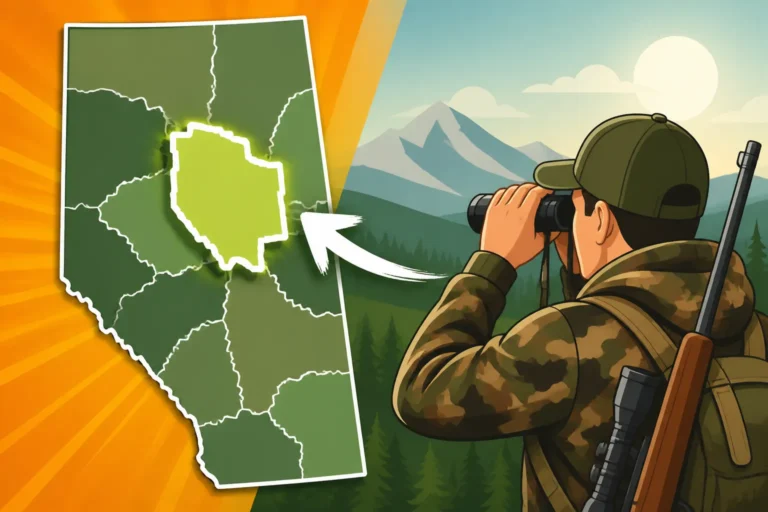
The McLean Creek Public Land Use Zone, often just called McLean Creek, is a gem nestled in Alberta's Central Foothills, southwest of Calgary. It’s an area that holds incredible appeal for outdoor enthusiasts of all kinds, and hunters are definitely among them. The biggest challenge often isn't the terrain itself, but rather understanding how to navigate the multi-use aspect of a PLUZ while still pursuing game effectively. It can feel like a puzzle, balancing your hunting goals with the presence of other recreational users.
The Public Land Use Zone (PLUZ) Concept
First off, what exactly is a PLUZ? In Alberta, Public Land Use Zones are specific areas of Crown Land managed for various recreational and industrial uses, often including hunting. McLean Creek is a prime example. These zones are designed to manage access and activities, meaning there are specific rules about where you can drive your quad, where you can camp, and even specific times certain activities are allowed. This is a crucial distinction from general Crown Land, where rules might be broader. It's not just "open season" on everything, everywhere. Think of it as a designated multi-use playground, and as hunters, we're sharing the sandbox. This means extra diligence in scouting and being mindful of other users. For a deeper dive into these areas, check out Alberta's Public Land Use Zones Explained.
For hunters, this means your preparation needs to be meticulous. You can't just show up and expect to wander wherever you please. There are designated trails for Off-Highway Vehicles (OHVs), and going off-trail can lead to fines and environmental damage. Knowing these boundaries is paramount, not just for compliance but for safety and ethical hunting. It also means that prime hunting spots might be a little further from easy access, requiring more effort to get into areas less disturbed by casual recreationalists. This shared-use environment is often the biggest frustration for hunters looking for solitude, but with the right approach, McLean Creek can still offer incredible experiences.
Terrain and Habitat Characteristics
McLean Creek’s terrain is quintessential foothills country. You're looking at a mix of rolling hills, steep ridges, deep valleys, and thick timber pockets, all interspersed with open clearings and riparian zones along creeks and rivers. Elevation changes can be significant, ranging from around 1,400 to 2,000 meters (4,600 to 6,500 feet). This isn't flat prairie hunting, nor is it high alpine sheep country. It’s a rugged, physical landscape that demands good boots and a decent level of fitness. The vegetation is primarily coniferous forest (spruce, pine, fir) mixed with aspen stands, especially in lower elevations and along water sources.
This diverse habitat is precisely what makes McLean Creek so appealing to big game. The dense timber provides excellent cover, while the interspersed clearings and creek bottoms offer crucial feeding areas. It’s a dynamic environment where game can quickly move from open feeding grounds to dense security cover. Understanding these transitions is key to locating animals. Think about how deer and elk use these varying cover types – bedding in the thick stuff during the day and moving to edges or open pockets to feed in the early morning and late evening. The hydrological features, like McLean Creek itself and its tributaries, are also critical, providing water and lush vegetation. If you're looking for an area that truly feels like you're hunting in the mountains without being in the highest peaks, McLean Creek delivers. It’s a challenging but rewarding landscape that forces you to think like the animals you’re pursuing.
Species to Hunt in McLean Creek
McLean Creek, like much of Alberta's foothills, is a diverse ecosystem supporting several desirable big game species. While it's not known for record-breaking trophies across the board, it offers solid opportunities for hunters willing to put in the effort. The presence of multiple species means you can often target more than one animal during your hunt, adding to the adventure.
Deer: Whitetails and Muleys
Both white-tailed deer and mule deer call the McLean Creek area home. Whitetails tend to favour the denser timber, aspen pockets, and creek bottoms, utilizing the thick cover for security. You'll find them especially along the transition zones where heavy bush meets more open clearings or old logging roads. They're often shy and elusive, requiring patient hunting and an understanding of their travel corridors. White-Tailed Deer, Alberta's Most Hunted Big Game provides excellent background on these animals. Look for whitetail sign in the form of rubs, scrapes, and tracks along pinch points and funnels in the bush.
Mule deer, on the other hand, often prefer the more open, broken country of the ridges and south-facing slopes, although they will move into timber for cover. They are often spotted glassing higher slopes or along the edges of larger clearcuts. Their larger ears and bounding gait are distinctive. When hunting mule deer, focus on using your optics to pick apart distant hillsides and coulees. The challenge in McLean Creek is that both species co-exist, and understanding their preferred habitat within this mixed terrain is crucial. It’s not uncommon to spot a whitetail working a creek bottom and a muley silhouetted on a ridge line within the same day. For more on mule deer habitat, consider reading Mule Deer in Alberta's Open Country.
Elk Opportunities
Elk are another highly sought-after species in McLean Creek, and the foothills country provides ideal habitat for them. These majestic animals thrive in the mix of timber for cover and open meadows for grazing. You'll often find elk herds moving between these areas, particularly during the rut when bulls are vocal and active. Bugling season in the foothills can be exhilarating, offering some of the most exciting hunting experiences. However, elk are smart and wary, and hunting pressure in a multi-use area like McLean Creek can make them even more challenging.
Successful elk hunting here often involves getting off the beaten path, away from the easily accessible trails. They'll use the remotest pockets of timber and the steepest slopes to escape pressure. During the archery season, focusing on water sources and wallows can be productive. Later in the rifle season, they often move to the heaviest timber or onto private lands adjacent to the PLUZ for sanctuary. Patience, good glass, and covering ground are essential. Understanding Bugling Elk in Alberta's Foothills can give you a real edge during the early seasons. While you might not find the sheer numbers of elk as in some of Alberta's more remote mountain ranges, McLean Creek provides a challenging and rewarding pursuit for those dedicated to chasing these iconic animals.
Bear and Other Predators
Black bears are common residents of McLean Creek. They emerge from hibernation in the spring, often seeking out fresh green growth on south-facing slopes and in creek bottoms. Fall brings them to berry patches and areas with abundant mast crops as they prepare for winter. Hunting black bears can be a thrilling experience, and McLean Creek offers both spring and fall seasons. Success often comes from spotting them feeding in clearcuts or along natural openings, or by setting up a bait site in permitted areas, though rules on baiting can be strict in PLUZs. Black Bears in Alberta's Forests and Foothills offers more context on these adaptable animals. Always be bear aware when hunting in this area, regardless of what you're pursuing.
Beyond bears, you might encounter wolves and coyotes, both of which are huntable species in Alberta with open seasons and generous limits. While not typically the primary target for most hunters in McLean Creek, they present additional opportunities. Coyotes are more common in the open areas and edges of the PLUZ, while wolves tend to stick to the deeper timber and more remote sections. Calling techniques can be effective for both predators. Being aware of their presence adds another layer of wilderness experience to your hunt. Remember to check all current regulations for specific seasons and methods for all species before you head out.
Navigating Access and Regulations
Hunting in any Public Land Use Zone, especially one as popular and dynamic as McLean Creek, requires a solid understanding of access points and regulations. It’s not just about finding game; it’s about knowing where you can legally be, what you can do, and how to minimize your impact. The rules can sometimes feel like a maze, but clarity is key for a successful, ethical, and legal hunt.
The Ins and Outs of PLUZ Access
Access into McLean Creek is primarily via designated public access roads and a network of OHV trails. Many hunters will drive to a parking area and then utilize an OHV to get deeper into the zone, or simply hike in from the roadside. It’s absolutely critical to stick to marked trails with your vehicles. Venturing off-trail with an OHV is not only illegal but can cause significant environmental damage and quickly get you into trouble. The beauty of these areas is that they offer varied access, but that also comes with the responsibility to adhere to the rules. Always consult the official PLUZ maps and regulations before heading out.
One of the biggest frustrations for hunters is that these designated trails are also used by recreational dirt bikers, quadders, and mountain bikers. This means you're often sharing the backcountry, and the noise and activity can push game into less accessible areas. To find undisturbed hunting ground, you might need to hike significantly further from the main trails or focus on areas less appealing to casual users, like steep, brushy slopes that are tougher to traverse. Planning your hunt for weekdays, if possible, can also help you avoid some of the weekend crowds. Always be respectful of other users; we're all sharing this beautiful landscape. For more on general vehicle rules, check out Vehicle Rules on Alberta Crown Land.
Understanding Special Regulations and Zones
McLean Creek, being a PLUZ, often has specific rules that go beyond general provincial hunting regulations. These might include restrictions on camping, fire bans, or even seasonal closures of certain trails to protect wildlife or sensitive habitats. For instance, some areas might have specific rules about firearms or bowhunting within certain distances of developed campsites or recreational areas. It's not enough to just know the provincial big game regulations; you need to know the specific nuances of the McLean Creek PLUZ itself.
Always check the latest Alberta Regulations Summary for details specific to the Wildlife Management Units (WMUs) that cover McLean Creek. This is your bible for legal hunting. Additionally, the Alberta government's public lands website often has specific advisories or maps for PLUZs, detailing any current closures or temporary restrictions. Don’t rely on old maps or word-of-mouth; always confirm the most up-to-date information. Understanding these nuances will prevent unwelcome surprises and ensure your hunt is compliant. This vigilance is crucial for every hunter, every season.
Leveraging Mapping Tools for Planning
In today's hunting world, digital mapping tools are an absolute game-changer, and they are especially invaluable when hunting complex areas like McLean Creek. Gone are the days of relying solely on paper maps, though carrying one as a backup is always a good idea. Platforms like onX Hunt and GoHunt provide detailed satellite imagery, topographical maps, and, crucially, layers showing public and private land boundaries, PLUZ boundaries, and even designated trails. This is where your pre-hunt scouting truly begins.
Before you even step foot in the area, you can use these tools to identify potential access points, locate the boundaries of the PLUZ, mark areas of heavy timber, clearings, and water sources. You can find old logging roads or cutlines that might offer quieter access away from main trails. onX Hunt in particular is excellent for marking waypoints, drawing routes, and even sharing your locations with hunting partners. You can see precisely where you are in relation to the PLUZ boundary, helping you avoid accidental trespass or straying into restricted zones. Similarly, GoHunt offers incredible data layers that can inform your decisions on where to focus your efforts. These tools allow you to visualize the terrain, identify bottlenecks and natural funnels, and plan your approach with surgical precision, saving you countless hours of wandering aimlessly in the bush. For a comprehensive guide on using these powerful tools, consult Scouting With Satellite Imagery in Alberta and Reading Alberta's Crown Land Layers on onX.
Strategies for Success in McLean Creek
Hunting in McLean Creek is a rewarding endeavour, but it demands careful planning and adaptable strategies. The unique blend of challenging foothills terrain, mixed habitat, and shared public land use means that a "one-size-fits-all" approach simply won't cut it. To truly maximize your chances of success, you need to think strategically, both before and during your hunt.
Effective Scouting in Mountain Foothills
Scouting is paramount, especially in a dynamic environment like McLean Creek. Your pre-season work will pay huge dividends. Start with those digital mapping tools we talked about: identify promising areas with a good mix of cover and feed, potential bedding sites, and travel corridors. Look for terrain features that might funnel game, such as saddles between ridges, creek crossings, or the edges of dense stands of timber. Focus on areas that are harder to access, as these often receive less pressure from other users.
Once you’ve identified some promising spots on a map, the next step is boots on the ground (or tires on the trail, for OHV access). Get into the area before the season opens to look for fresh sign: tracks, rubs, scrapes, and droppings. Pay attention to game trails and how they connect different habitat types. During this time, you can also assess the level of recreational use in specific spots. If you find an area heavily impacted by dirt bikes or hikers, you might need to adjust your focus. Scouting should also include observing animal movement patterns. Are deer and elk moving more at dawn and dusk, or are they active throughout the day in secluded pockets? These observations will inform your hunting approach. Don’t forget to consider how weather patterns might influence game movement; a sudden cold snap or snow can change everything.
Hunting Techniques for McLean Creek's Terrain
Given the varied terrain, a combination of hunting techniques will likely be most effective. Still-hunting or slow-stalking through the timber and along creek bottoms can be very productive, especially for whitetails and bears. Move slowly, pause frequently, and use your binoculars to pick apart the dense cover. Look for horizontal lines (an animal's back or belly) in a vertical world of trees. The key is patience and an ability to melt into the landscape.
For mule deer and elk, particularly during the archery season or early rifle season, spot-and-stalk tactics from higher vantage points can work well. Find a good glassing knob early in the morning or late in the evening and meticulously scan opposing slopes, clearcuts, and open pockets. Once you spot an animal, the real work begins: planning a careful stalk that uses terrain and wind to your advantage. For elk, calling can be incredibly effective, especially during the rut. Setting up in a good location, making a few calls, and waiting for a response can draw a bull in. Remember, the noise from other recreational users can sometimes mimic game sounds, so develop a keen ear. Consider practicing Hunting a Foothills Bench Above a Creek for a better understanding of how animals use this specific terrain.
Essential Gear for a McLean Creek Hunt
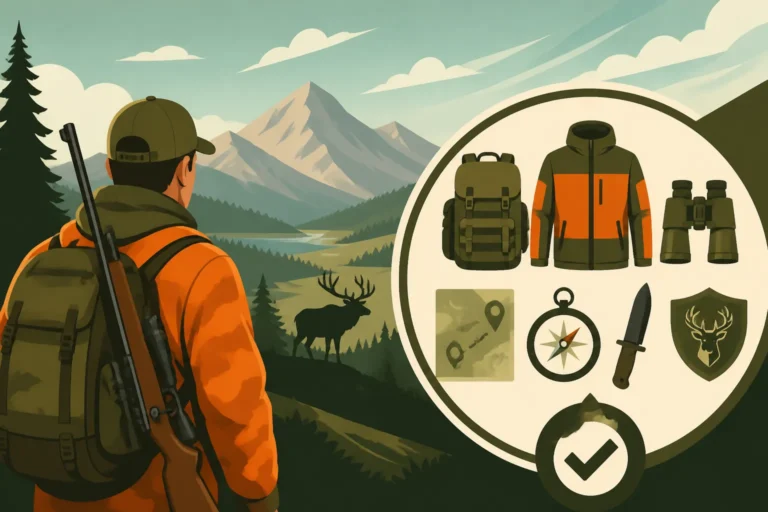
Your gear selection needs to be robust and adaptable for the McLean Creek area. This is not casual hunting; the terrain can be steep, the weather can change quickly, and you'll likely be putting in some serious miles. Here's a quick rundown of essentials:
- Footwear: High-quality, waterproof, ankle-supporting hiking boots are non-negotiable. You'll be traversing uneven, often wet, ground.
- Layered Clothing: Alberta weather is famously unpredictable. Dress in layers, including a good base layer, insulating mid-layers, and a waterproof/windproof outer shell. Blaze orange is a requirement during rifle seasons.
- Optics: Good binoculars (10×42 or 10×50) are essential for glassing. A spotting scope can be very useful for identifying distant animals and judging trophy quality, especially for mule deer and elk.
- Navigation: Your GPS device or smartphone with a reliable hunting app (
onX Hunt,GoHunt) is crucial. Carry a power bank to keep your devices charged, and a traditional compass and map as backup. - Backpack: A comfortable day pack for essentials (water, snacks, first-aid, extra layers) is a must. If you plan to go deep, a larger pack capable of hauling out meat is advisable.
- Game Processing Kit: Sharp knife, game bags, latex gloves, and a means to keep meat cool (if temperatures are mild). Remember Meat Care in Alberta's Cold and Warm Swings.
- Safety Gear: Bear spray (McLean Creek is bear country!), a first-aid kit, fire starter, headlamp, and emergency shelter. Let someone know your plans and expected return time.
- OHV (Optional): If you plan to use one, ensure it’s properly maintained, registered, and you adhere to all trail rules. Don't forget your helmet.
- Calls: If targeting elk or deer, ensure you have appropriate calls and have practiced using them.
Having the right gear won't guarantee success, but it will certainly make your hunt safer, more comfortable, and significantly more effective. Good luck out there, and enjoy the challenge and beauty of hunting McLean Creek.
Disclaimer
This article is for general informational purposes only and does not constitute professional advice. Laws, prices and regulations vary by location and change over time. Consult a qualified professional for guidance on your specific situation.