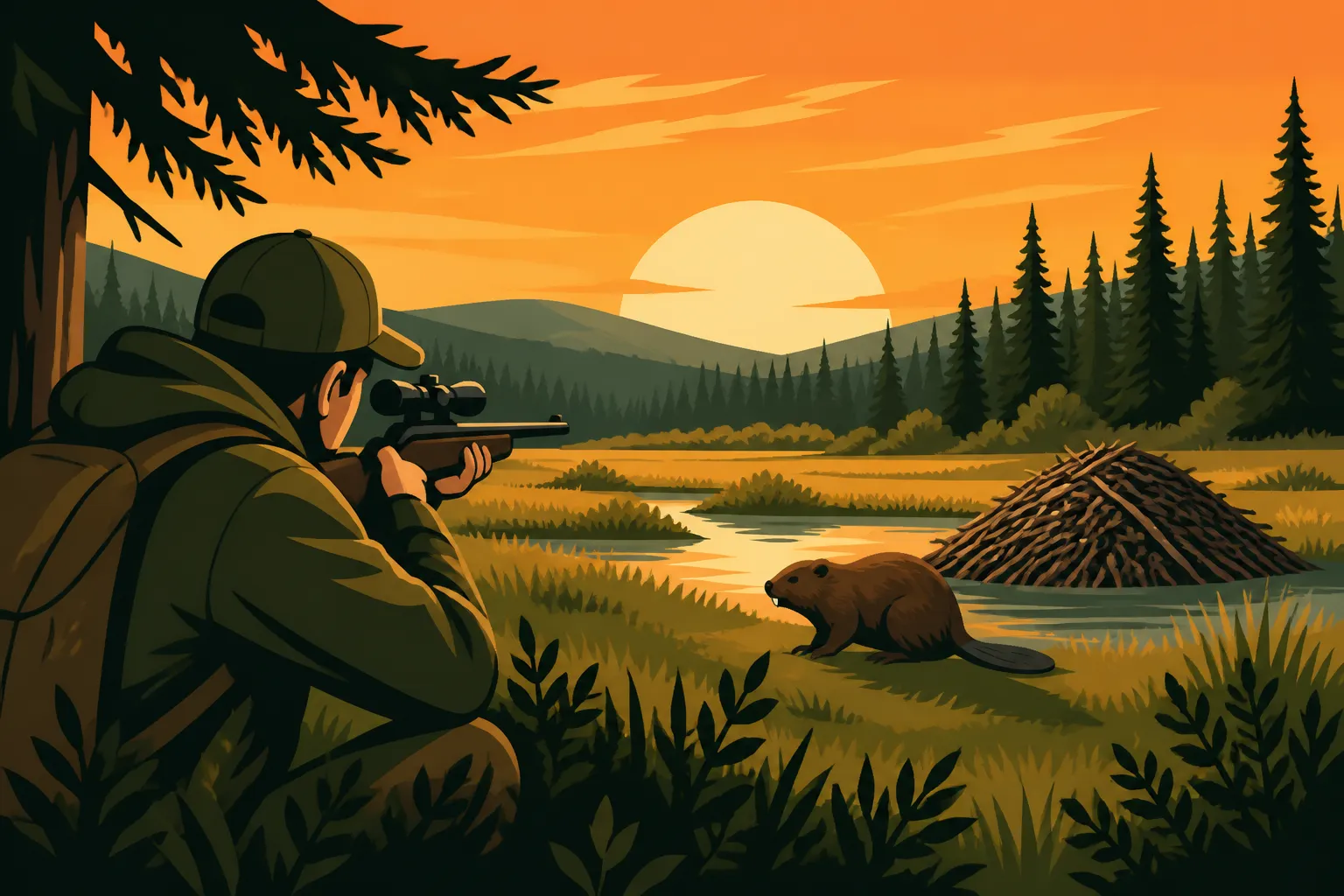
Hunting a Beaver Meadow in the Boreal
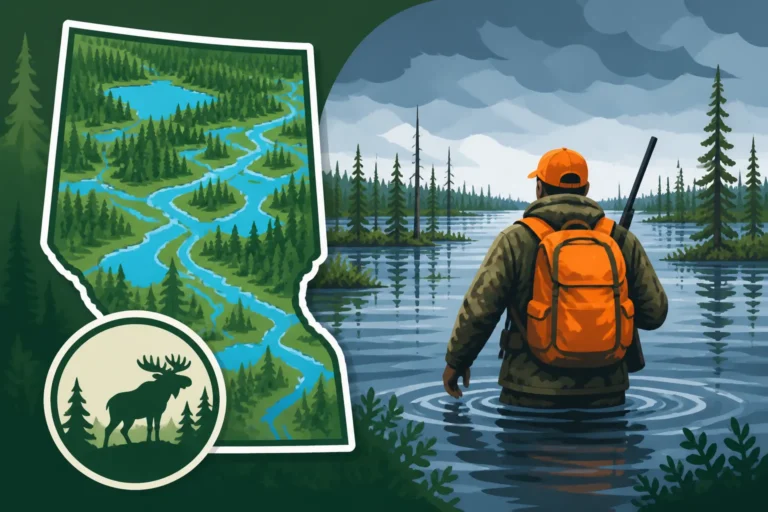
Navigating the vast, often impenetrable expanses of Alberta's boreal forest can feel like searching for a needle in a haystack when you're looking for game. The thick timber, dense undergrowth, and endless tracts of similar-looking terrain can be daunting. But amidst this challenging landscape, certain natural features act as magnets for wildlife, offering crucial food, water, and cover, and among the most productive are beaver meadows. This guide will walk you through why these unique ecosystems are so vital for hunters and how you can effectively locate and hunt them in Alberta's northern wilderness.
Understanding the Allure of the Beaver Meadow in the Boreal
When you picture the boreal forest, you often think of unbroken stands of spruce, pine, and aspen, with dense thickets and often boggy ground. It's beautiful, but it can be incredibly hard to hunt. Beaver meadows, however, are dynamic, ever-changing landscapes that break up this monotony, creating diverse habitats that are incredibly attractive to a wide array of game species. They are pockets of life, concentrated right where you want to be.
Habitat Diversity and Edge Effect
The primary reason beaver meadows are so appealing to wildlife, and therefore to hunters, is the incredible habitat diversity they create through what we call the "edge effect." A beaver meadow is rarely just a flat, wet field. Instead, it’s a mosaic of open water from the pond, exposed mudflats, patches of re-emerging grass and sedges, and willow and aspen saplings growing along the banks and in areas where the water has receded. This creates numerous "edges" – transitional zones where different habitats meet. Animals thrive on these edges because they offer quick access to different resources: food from the new growth, water from the pond, and immediate cover in the surrounding forest.
Imagine a large, mature moose browsing on lush willows along the edge of a beaver pond, with the deep timber just a few steps away for escape or bedding. Or a whitetail deer nipping at aspen shoots in a drier section of the meadow, while still being able to dart back into the dense bush if startled. These areas are constantly being reshaped by the beavers themselves, which means there's always fresh, succulent growth for browsers and grazers. It's a natural buffet line that changes with the seasons and the beavers' engineering projects, making it a reliable food source in an otherwise often uniform landscape.
Water, Food, and Security
At its core, a beaver meadow offers the trifecta of survival for any wild animal: water, food, and security. In the boreal forest, especially in drier periods or during the cold snaps, open water sources can be limited. Beaver ponds provide consistent, accessible water for drinking. This alone is a huge draw, bringing in animals from surrounding areas that might not have easily found water elsewhere. But it's not just the water itself; it's what grows around it.
The disturbance created by beaver activity leads to new plant succession. Sun-loving grasses, sedges, and broadleaf plants colonize the disturbed soil, offering high-protein forage that isn't typically found in the mature forest canopy. Willows and aspen, primary food sources for moose and deer, thrive in these moist, sun-drenched environments. This concentrated food supply means animals don't have to travel far, conserving energy – a critical factor, especially as winter approaches. Furthermore, the surrounding dense forest provides immediate thermal cover from harsh weather and security cover from predators. Animals can feed out in the open, yet be only a few bounds away from disappearing into the thick bush. This balance of open feeding ground and nearby cover makes beaver meadows indispensable to big game.
Scouting and Locating Productive Beaver Meadows
Finding that perfect beaver meadow isn't always as simple as spotting a pond on a map. Some are old, overgrown, and less active, while others are current hotspots. Modern technology has certainly made the initial scouting much easier, but nothing beats getting boots on the ground to truly understand an area.
Using Technology and Topographic Maps
Before you ever step foot in the woods, your best friend will be a good mapping application. Tools like onX Hunt are absolute game-changers for identifying potential beaver meadows. Start by looking for areas with a concentration of water features that aren't large lakes or major rivers. Often, smaller, irregularly shaped ponds with narrow channels flowing between them indicate current or past beaver activity. Look for subtle changes in elevation, or flat, low-lying areas where water would naturally collect. Satellite imagery, which most mapping apps offer, can often reveal distinct open areas within the dense forest canopy, sometimes with telltale signs of flooded timber or past dams.
A topographic map, whether digital or paper, can further help identify these features by showing depressions and drainage patterns. Active beaver dams often create distinct, elongated ponds upstream. Historical data, even just looking at old satellite images if your app provides them, can show you how these areas have changed over time. A meadow that was very active five years ago might still hold sign, even if the beavers have moved on, as the new growth will still be there. When planning your hunt, consider marking several potential locations on your Reading an Alberta WMU Map Before You Go and prioritize scouting the ones that look most promising from the air. Another great resource is GoHunt, which also offers robust mapping features that can help pinpoint these wetland complexes. Taking the time to digitally scout can save you countless hours of walking through thick bush.
On-the-Ground Reconnaissance
Once you've identified some promising spots on your map, it's time for some old-fashioned boots-on-the-ground scouting, ideally before the season opens. This is where you confirm what your map showed you and gather fresh intelligence. Look for definitive signs of beaver activity: fresh chew marks on trees, active dams, lodges, and channels. If the beavers are still working the area, you know it's a dynamic, rich environment. Beyond the beavers themselves, you're looking for game sign. Are there fresh tracks in the mud along the pond's edge? Droppings indicating recent feeding? Rubs or scrapes on trees around the perimeter?
Pay close attention to the browse. Are the willows and aspen heavily utilized? This tells you what the animals are eating and where they prefer to feed. Identify game trails leading into and out of the meadow. These trails are critical, as they dictate where animals enter and exit the open area. Look for bedding areas in the dense cover surrounding the meadow, often on slightly higher ground or in thick stands of young conifers. Understanding these patterns—where they feed, where they bed, and how they travel between the two—will be key to your hunting success. Consider a late summer or early fall scout when the leaves are still on the trees but cooler temperatures might make the walk more pleasant. Remember, you're not just looking for animals, but for evidence of animals.
Effective Hunting Strategies for Beaver Meadows
So you’ve found a great beaver meadow, full of promising sign. Now, how do you actually hunt it effectively? The boreal forest can be unforgiving, and these openings, while attractive to game, also present their own challenges. Your strategy will depend on the species you're after and your preferred hunting style.
Stand Placement and Wind Considerations
For still-hunting or ambush scenarios, setting up a stand or finding a strategic ground blind spot is crucial. Beaver meadows are often low-lying areas, which means thermal currents can be tricky. Early in the morning, cold air sinks and flows downhill, often draining into these depressions. As the sun rises, thermals reverse and start to lift. You need to be acutely aware of wind direction and thermals to avoid having your scent broadcast directly into the feeding area. Always approach with the wind in your face, or at least a quartering wind, especially if you're going to set up a stand for a morning or evening hunt.
When choosing a stand site, look for locations that offer good visibility into the meadow, but also provide a natural backdrop to break up your outline. A mature spruce or pine on the edge, or a small cluster of alders, can be ideal. You want to be close enough for an ethical shot, but far enough not to be visually detected as animals approach. Look for established game trails entering the meadow and position yourself to intercept animals as they come in to feed. A natural funnel, like a narrow pinch point between the timber and the water, can be an excellent ambush location. Consider how you'll get in and out undetected; that often means approaching and exiting well before legal light or after dark, carefully picking your route.
Still-Hunting and Ambush Tactics
Still-hunting a beaver meadow can be highly productive, especially if you have a larger area with multiple ponds and associated edges. This involves moving slowly, deliberately, and quietly, pausing frequently to observe and listen. Focus your attention on the transition zones where the open meadow meets the dense timber. Animals will often skirt these edges, feeling more secure than if they were completely out in the open. Use your binoculars to pick apart every shadow, every clump of willows, and any movement.
Ambush tactics are particularly effective during the golden hours of dawn and dusk when animals are most active and likely to move into the open to feed. Set up before first light, well-hidden, and be prepared to sit patiently. These spots can be great for calling too. A cow call can bring in a bull moose during the rut, or a deer grunt might pique a whitetail's curiosity. Rattling and Calling Whitetails in Farm Country strategies can be adapted for the boreal if you understand the local conditions. Sometimes the best approach is to identify where the deer or moose are feeding and simply wait them out, letting them come to you. Don't be afraid to sit through a slow period; sometimes the best opportunities come unexpectedly.
Species You'll Find and Considerations for Each
Beaver meadows are magnets for a variety of game, but some species utilize them more extensively than others. Understanding which animals are likely to be present, and what they're looking for, will help tailor your hunting approach.
| Game Species | Primary Attraction to Beaver Meadow | Best Times to Hunt | Key Hunting Considerations |
|---|---|---|---|
| Moose | Abundant willow and aquatic vegetation, water source, easy travel along edges. | Early morning, late evening, during the rut. | Cow calls, raking brush, wind awareness due to scent. |
| White-tailed Deer | Lush browse, water, diverse forage, cover proximity. | Dawn, dusk, during feeding periods, especially in the rut. | Stand placement on trails, scent control, quiet approach. |
| Black Bear | Early spring greens, berries, carrion, security cover. | Spring and fall, often mid-day when seeking food. | Wind, good optics for identification, careful stalking. |
| Elk | Grazing on grasses, water, though less common in deep boreal. | Similar to deer/moose, often found where boreal meets foothills. | Glassing, bugling if rutting, cautious approach. |
Moose and Deer
Moose absolutely adore beaver meadows. These areas provide an abundance of their favourite foods: willow, aspen, and aquatic vegetation. The rich, soft ground around the pond also supports a variety of plants they browse. A large bull moose can consume an incredible amount of forage daily, and a beaver meadow offers a concentrated, easily accessible food source. Look for heavily browsed willows, especially with broken branches, and large, distinct tracks in the mud. Moose Hunting Alberta's Boreal Forest is often most successful when hunters focus on these types of habitat breaks. During the rut, a bull moose might patrol the edges of a meadow, looking for cows. If you're calling, these open areas can allow your calls to carry farther and give you an opportunity to spot a bull responding from a distance. Consider Calling a Bull Moose in the Rut techniques here.
White-tailed deer also frequent beaver meadows, though perhaps not as exclusively as moose. They are drawn to the same lush browse and water sources. In areas where the boreal transitions into parkland, you might find whitetails using the drier edges of meadows for bedding or feeding. Look for smaller tracks and distinct trails leading into the thick cover. If you're Hunting a Boreal Muskeg Edge, a nearby beaver meadow often complements that habitat, providing a diverse food source. They often seek cover in thick brush close to the edge of the meadow during daylight hours, only venturing out into the more open areas in low light conditions. Setting up on a well-used trail leading to or from the meadow can be highly effective for whitetails.
Bear and Other Predators
Black bears are also strong contenders for inhabiting beaver meadows. In spring, when bears emerge from hibernation, these meadows are often among the first places to offer fresh, green vegetation and sedges, which are critical for their digestive systems. Later in the summer, berry bushes that thrive in these disturbed areas provide a bountiful food source. Bears are also opportunistic feeders, and the abundance of other game means there's a higher chance of finding carrion. Black Bear Hunting in Alberta often involves looking for these natural food sources.
When targeting bear, the wind is just as critical, if not more so, as their sense of smell is phenomenal. Watch for scat and torn-up logs, indicating they've been foraging for insects. A good pair of binoculars is essential for confirming if you're looking at a large boar or a sow with cubs, which is vital for ethical hunting. Other predators like wolves and coyotes will also utilize beaver meadows, primarily because of the concentrated prey animals. While not typically hunted in the meadow, their presence indicates a healthy ecosystem and potential for future game sightings. If you hear a distant wolf howl, know that you're in a prime area for a variety of species.
Beaver meadows are true gems of Alberta's boreal forest, offering a unique blend of habitat features that attract and sustain a rich array of wildlife. By understanding their ecological significance, leveraging modern scouting tools, and employing thoughtful hunting strategies, you can unlock some incredible opportunities in this wild country.
Disclaimer
This article is for general informational purposes only and does not constitute professional advice. Laws, prices and regulations vary by location and change over time. Consult a qualified professional for guidance on your specific situation.