Fitness for an Alberta Sheep Hunt
The dream of hunting bighorn sheep in Alberta is a powerful one, often conjuring images of majestic rams against a backdrop of stunning mountain peaks. But let's be realistic: that dream comes with a brutal physical price tag. This isn't a walk in the park; it's an arduous, lung-busting, muscle-burning endeavor that will test your limits. This guide isn't here to sugarcoat it, but to equip you with the knowledge and actionable steps to get your body and mind ready for the challenge of a lifetime.
Understanding the Demands of a Sheep Hunt
Before you even think about sighting in your rifle or practicing your glassing techniques, you need to understand what an Alberta sheep hunt truly asks of your body. We're not talking about flat prairie stalking here; we're talking about relentless vertical gain, unstable footing, and days that start before dawn and end long after dusk. Many hunters underestimate this aspect, leading to misery, missed opportunities, or even dangerous situations in the backcountry.
The Unforgiving Terrain
Alberta's Bighorn Sheep country, primarily found in the mountain WMUs, is spectacularly beautiful but incredibly demanding. You'll be traversing steep, rocky slopes, often covered in loose scree that slips out from underfoot with every step. Imagine scrambling up a 45-degree incline, only to find the ground shifting beneath you as you reach for the next handhold. This isn't just tiring; it’s an active full-body workout that requires balance, agility, and sheer grit.
The elevations, while not as extreme as some other mountain ranges globally, are still significant for those accustomed to sea-level living. The thinner air at higher altitudes means your body works harder just to breathe, let alone climb with a heavy pack. It can lead to headaches, fatigue, and a general feeling of being worn out before you've even truly started the day's push. Your ankles and knees will be constantly tested by uneven ground, hidden rocks, and sudden drops, making every single step a conscious effort to maintain stability.
Packing Heavy, Staying Out
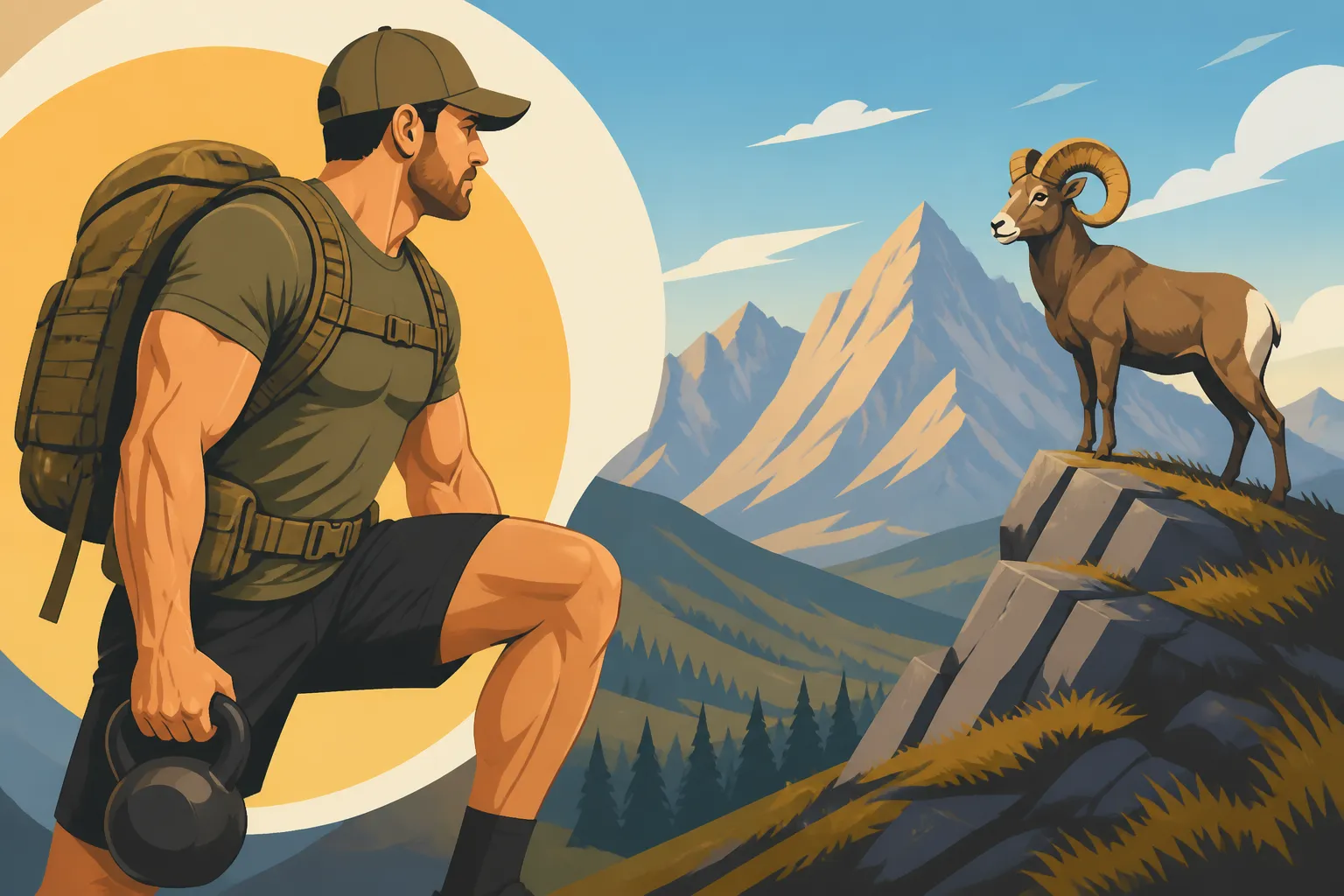
A sheep hunt isn't a day trip. You're often looking at multi-day excursions deep into the backcountry, which means carrying everything you need on your back. This includes your rifle, optics, clothing layers, sleeping system, shelter, cooking gear, water, and food. Even with lightweight gear, your pack can easily weigh 40-60 pounds for the initial push into a spike camp. Now, imagine putting a quarter of a ram in that pack, along with your cape and horns.
The pack-out can be the most grueling part of the entire hunt. While the thrill of a successful harvest is immense, the reality of carrying 80-100+ pounds of meat and trophy down a steep, rocky, and potentially slippery mountain face is physically devastating. You'll be using muscles you didn't even know you had, pushing through pain, and battling gravity every inch of the way. Proper physical conditioning isn't just about getting to the animal; it's about getting the animal, and yourself, safely back out. Packing Out of Alberta's Mountain WMUs is a whole different beast.
Extended Stays and Self-Sufficiency
Sheep hunting often means long days, early starts, and late finishes. You might spend hours glassing, then hike for miles to close the distance, only to find the ram has moved. This requires not only physical stamina but also immense mental fortitude. You need to be prepared for cold nights, potentially wet weather, and the general discomfort of living minimally in the mountains. There’s no quick trip back to a warm truck or a full fridge.
Being self-sufficient is paramount. You need to be able to set up camp, filter water, cook meals, and navigate challenging terrain, all while conserving energy for the hunt itself. This constant mental load, combined with the physical exertion and often limited sleep, can wear you down. Your ability to push through discomfort, stay positive, and maintain focus under adverse conditions is just as important as your leg strength. Many hunters find platforms like BookYourHunt useful not only for finding outfitters but also for gleaning insights into typical hunt durations and camp setups, which can help in preparation.
Essential Physical Pillars for Success
To tackle an Alberta sheep hunt, you can't just be "in shape." You need to target specific areas of fitness that directly translate to mountain performance. This isn't about looking good at the gym; it's about functional strength, endurance, and resilience that can stand up to the extreme demands of the backcountry.
Cardiovascular Endurance
This is perhaps the single most critical component. You need to be able to climb continuously for hours without completely "redlining." Your heart and lungs must be efficient at delivering oxygen to your working muscles, especially in thinner mountain air.
Think about incorporating activities that mimic uphill hiking with weight. Stair climbers, incline treadmill walking (with a pack!), and actual mountain or hill hiking are invaluable. Aim for sustained efforts, not just short bursts. For example, try to hike for 2-3 hours with a loaded pack, simulating the approach to a distant basin. Varying your pace and incline will prepare you for the unpredictable nature of mountain terrain. Don't forget that many outfitters will expect you to be ready for substantial walks, especially when chasing after a ram spotted from afar. Backpacking Into Alberta Sheep Country truly puts this to the test.
Strength and Stability
While cardio gets you there, strength and stability prevent injury and allow you to carry the load. Your legs are the engines of a sheep hunt. Focus on exercises that build power in your quads, hamstrings, and glutes. Squats, lunges, step-ups (onto a box or bench), and calf raises are excellent. Incorporate plyometric exercises like box jumps to build explosive power for navigating tricky sections.
Ankle stability is also non-negotiable. Walking on uneven ground with a heavy pack puts tremendous stress on your ankles. Exercises like single-leg balances, wobble board training, and simply walking on unstable surfaces (like rocky trails) can significantly improve your resilience. Don't neglect your core either; a strong core provides the stability needed to carry a pack comfortably and maintain balance on steep, broken ground. A robust core helps prevent your upper body from swaying and tiring out as quickly.
Flexibility and Recovery
It's easy to focus solely on strength and cardio, but flexibility and recovery are just as vital for sustained performance and injury prevention. Tight muscles are prone to strains and tears, especially when pushing hard in cold, demanding environments. Incorporate regular stretching routines, focusing on your hips, hamstrings, quads, and lower back. Yoga or dynamic stretching before a workout and static stretching afterward can make a huge difference.
Beyond flexibility, prioritize recovery. Ensure you're getting adequate sleep, especially in the months leading up to your hunt. Your body needs time to repair and rebuild. Proper nutrition, both during your training and in the field, is also key. Eating balanced meals with sufficient protein, carbohydrates, and healthy fats will fuel your efforts and aid recovery. Learning about Meat Care in Alberta's Cold and Warm Swings can even tie into how you handle your body's needs in the cold.
Crafting Your Training Plan
A successful sheep hunt doesn't happen by chance; it's the culmination of months, sometimes even a year, of dedicated preparation. Don't wait until the last minute to start training; your body needs time to adapt and strengthen.
Start Early and Be Consistent
The biggest mistake hunters make is underestimating the time commitment. Ideally, you should start your sheep hunt training 6-12 months out. This allows for gradual progression, minimizing injury risk, and building a solid base of fitness. Think of it as a long-term investment in your hunt.
Consistency is more important than intensity in the early stages. Aim for 3-5 dedicated training sessions per week, gradually increasing duration, weight, or intensity. Life often gets in the way, and it's frustrating when work or family commitments derail your gym time. However, even a short hike with a pack or a quick stair workout is better than nothing. Platforms like GoHunt often feature training articles and programs specifically designed for mountain hunters, which can provide structured guidance and motivation to stay on track.
Simulate Hunt Conditions
The most effective training mimics the actual demands of the hunt. Don't just run on a flat treadmill; find hills, stairs, or even a local sports stadium with bleachers. Load up your actual hunting pack with weights (sandbags, water bottles, or even bricks wrapped in towels) and go for long hikes. Start with lighter loads and gradually increase the weight to simulate what you'll carry into and, more importantly, out of the mountains.
Practice hiking up and down steep inclines, paying attention to your footing and balance. If possible, seek out trails with scree or loose rock to get accustomed to the unstable ground. Wear the boots you intend to hunt in for most of your training hikes. This will break them in properly and ensure there are no surprises or hot spots on the actual hunt. Remember, your boots are your most important piece of gear in this kind of terrain, as discussed in Boots for a Foothills Hunt.
Mental Toughness and Preparation
Beyond the physical, a sheep hunt demands a strong mind. You will face discomfort, fatigue, and frustration. There will be days when you want to quit, when the weather turns nasty, or when the rams seem to vanish into thin air. Mental toughness is about pushing through these moments, maintaining a positive attitude, and making smart decisions under pressure.
Incorporate mental resilience into your training. Push yourself past your comfort zone on hikes. Practice problem-solving when you're tired. Visualization techniques, imagining yourself successfully navigating tough terrain or making a critical shot, can also be surprisingly effective. Read accounts of other hunters' experiences, particularly those who have faced adversity, to prepare your mind for the reality of the challenge. Understanding Emergency Plans in Alberta's Backcountry is also a crucial aspect of mental preparation.
Gear That Supports Your Fitness in the Mountains
While physical fitness is paramount, the right gear can significantly enhance your comfort, safety, and overall performance in the arduous environment of an Alberta sheep hunt. Think of your gear as an extension of your fitness; it either helps or hinders your body's ability to perform.
Footwear is Paramount
I cannot stress this enough: your boots are your lifeline in the mountains. A sheep hunt demands robust, supportive, and properly broken-in mountaineering or heavy-duty hunting boots. These aren't your casual hiking shoes. They need to provide excellent ankle support to prevent rolls on unstable terrain, a stiff sole for climbing and distributing weight when carrying heavy loads, and reliable traction on rock and scree.
Invest in high-quality boots and start breaking them in months before your hunt. Wear them on all your training hikes, especially those with weighted packs. Address any hot spots or discomfort immediately, before they become debilitating blisters in the field. Good quality wool socks are also critical, providing cushioning, wicking moisture, and preventing blisters. Many outfitters will provide detailed gear lists, often informed by their own experience, so when you're exploring options on a site like BookYourHunt, pay attention to the gear recommendations.
Pack Selection and Loading
Your backpack is another crucial piece of equipment that directly impacts your physical endurance and comfort. For a sheep hunt, you need a sturdy, high-volume pack (typically 65-80+ litres) with a robust internal or external frame capable of comfortably carrying heavy loads. Look for adjustable suspension systems that allow you to customize the fit to your torso, ensuring proper weight distribution.
Practice loading your pack with weight during your training. Learn how to distribute weight effectively, placing heavier items closer to your back and higher up for better balance. A well-loaded pack feels significantly lighter than one with poorly distributed weight. Spend time adjusting the shoulder straps, sternum strap, and hip belt to find the most comfortable and efficient carry. This attention to detail can prevent unnecessary fatigue and muscle strain, allowing you to sustain your effort longer during those long climbs and heavy pack-outs.
Nutrition and Hydration in the Field
While not strictly "gear," your in-field nutrition and hydration strategy are just as important for maintaining peak physical performance. You'll be burning a tremendous amount of calories, and neglecting your fuel intake will lead to rapid fatigue, poor decision-making, and a miserable experience. Pack nutrient-dense, calorie-rich foods that are lightweight and easy to prepare.
Focus on a balance of complex carbohydrates for sustained energy, protein for muscle repair, and healthy fats. Don't forget electrolytes; heavy sweating in the mountains can deplete your body of essential minerals. Carry a reliable water filtration system or purification tablets, as access to clean drinking water is vital. Consistently sipping water throughout the day, even when you don't feel thirsty, is far more effective than trying to chug a large amount when you're already dehydrated.
Training Components for a Sheep Hunt
| Training Component | Description | Benefits for Sheep Hunting |
|---|---|---|
| Cardiovascular | Weighted pack hikes, stair climbing, incline treadmill, trail running, cycling | Builds stamina for long climbs, improves oxygen efficiency in thin air, sustains effort over days |
| Leg Strength | Squats, lunges, step-ups, box jumps, calf raises, leg press | Power for ascents, stability on uneven terrain, endurance for carrying heavy loads |
| Core Strength | Planks, Russian twists, medicine ball rotations, leg raises | Stabilizes spine under pack weight, improves balance, prevents lower back pain |
| Ankle Stability | Single-leg balances, wobble board exercises, walking on uneven surfaces | Prevents sprains on scree and rocky ground, enhances agility |
| Flexibility/Recovery | Stretching, yoga, foam rolling, adequate sleep, proper nutrition | Prevents injury, reduces muscle soreness, aids in quicker physical recovery between efforts |
| Mental Grit | Pushing limits in training, adverse weather exposure, visualization, problem-solving drills | Builds resilience, decision-making under stress, persistence through discomfort and setbacks |
Disclaimer
This article is for general informational purposes only and does not constitute professional advice. Laws, prices and regulations vary by location and change over time. Consult a qualified professional for guidance on your specific situation.