Quad and Side-by-Side Rules on Crown Land
It's no secret that the vast landscapes of Alberta offer some incredible opportunities for outdoor enthusiasts, whether you're chasing big game, bird hunting, or simply enjoying the backcountry. However, navigating the regulations for off-highway vehicles (OHVs) like quads and side-by-sides on Crown Land can feel like trying to untangle a knot of fishing line in the dark. It’s a common frustration, and one that often leads to confusion and, unfortunately, accidental infractions. This guide is here to shed light on those rules, helping you understand where and how you can legally and responsibly operate your quad or side-by-side on Alberta's public lands.
Deciphering Alberta's Crown Land Classifications for OHV Use
Alberta's public land system isn't a one-size-fits-all scenario, and neither are the rules for off-highway vehicles. Understanding the fundamental distinctions between different types of Crown Land is the first, most crucial step in knowing where you can legally ride your quad or side-by-side. Misunderstanding these can quickly lead to fines, damaged relationships with other land users, and harm to the very environment we seek to enjoy.
The Critical Divide: Green Area vs. White Area
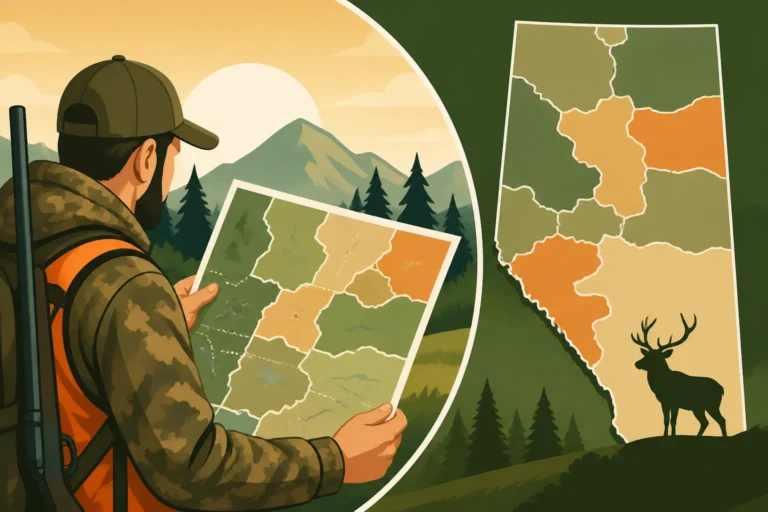
One of the most significant classifications you'll encounter is the division between "Green Area" and "White Area" Crown Land. The Green Area generally refers to Alberta's forested public lands, predominantly found in the northern and western parts of the province, encompassing our boreal forests and foothills. These areas are primarily managed for timber production, recreation, and wildlife habitat. The White Area, in contrast, covers the settled, agricultural regions, where Crown Land is often interspersed with private land, grazing leases, and cultivated fields. This distinction is paramount because OHV regulations can vary significantly between the two. In Green Area, there's generally a greater allowance for OHV use on designated trails, but even here, specific zones and seasons can impose restrictions. Meanwhile, in the White Area, OHV use on Crown Land is much more restrictive, often limited to specific leases or areas where you have explicit permission.
It’s easy to get these mixed up, especially when boundaries aren’t always clearly marked on the ground. You might be riding along a seemingly endless trail, only to cross an invisible line into a different zone with entirely different rules. This is where comprehensive mapping tools become indispensable. Without a solid understanding of these areas, you could unintentionally trespass or break rules that carry significant penalties. The legal ramifications are real, and beyond that, the impact on local wildlife and habitat can be profound if OHVs are used irresponsibly in sensitive ecosystems.
Navigating Public Land Use Zones PLUZs and Designated Trails
Within the broader Green Area, you'll find what are known as Public Land Use Zones, or PLUZs. These are specific areas of Crown Land that have been designated for multiple uses and are managed with a more detailed set of regulations to balance various activities, including recreation, resource extraction, and conservation. For OHV users, the golden rule in most PLUZs is simple: stay on designated trails. These trails are explicitly marked and maintained for OHV use, designed to minimize environmental impact and reduce user conflicts. Riding off-trail in a PLUZ is typically a violation and can result in significant fines.
The concept of "designated trails" might sound straightforward, but it can be tricky in practice. Sometimes, older, unapproved trails might still exist on the landscape, or faint game trails could be mistaken for official routes. This is where detailed maps, like those available through apps such as GoHunt, become your best friend. These tools overlay official land designations and designated trail networks onto satellite imagery, allowing you to confirm your location and ensure you’re adhering to the rules. Understanding Alberta's Public Land Use Zones is crucial for any hunter or recreational user planning to explore these areas responsibly. Without accurate navigation, you risk not only legal trouble but also damaging fragile ecosystems, impacting wildlife, and eroding public access for everyone.
Essential Regulations for Quads and Side-by-Sides on Public Land
Beyond understanding the different types of Crown Land, every quad and side-by-side operator needs to be intimately familiar with the specific regulations governing their vehicle and its use. These rules are in place not to make your life harder, but to ensure safety for all users, protect our natural environment, and manage the complex interactions between various recreational activities. Ignorance of the law is no excuse, and wardens and peace officers are well-versed in these regulations.
Licensing, Registration, and Required Equipment
Just like your road vehicle, your off-highway vehicle isn't exempt from basic legal requirements. In Alberta, all OHVs operated on public land must be registered and insured. This isn't just a formality; it provides accountability and ensures that if something goes wrong, there’s a system in place. Furthermore, the operator must hold a valid driver's license, even if you’re not on a paved road. It’s a basic competency requirement that helps ensure riders have a foundational understanding of vehicle operation and road safety, even in the backcountry. For younger riders, there are specific age restrictions and requirements for supervision, which are critical to observe for safety and legal compliance. You can learn more about general outdoor safety and regulations through resources like the Alberta Hunter Education Course Requirements.
Beyond registration and licensing, specific equipment is mandatory for safe and legal operation. This includes proper lighting – headlights and taillights are required, especially during low light conditions or at night – and an effective muffler system. Excessive noise from modified or removed mufflers is not only a nuisance to other users and wildlife but also a direct violation of regulations. Helmets are also generally required for OHV operators and passengers, protecting against serious injury in the event of an accident. It’s always better to be over-prepared with safety gear than to face the consequences of an accident without it. Think of it as part of your essential Winter Truck Kit for an Alberta Hunt, ensuring you’re ready for any situation.
Understanding Restricted Areas, Seasons, and Operational Limits
The freedom of riding an OHV on Crown Land comes with significant restrictions that are often overlooked until it’s too late. First and foremost, OHV use is strictly prohibited in most Provincial Parks, Ecological Reserves, and Wilderness Areas. These are protected areas where motorized access is generally not allowed, ensuring the preservation of sensitive habitats and a tranquil experience for non-motorized recreationists. It’s critical to know the boundaries of these areas before you head out. Mapping applications, including GoHunt and competitors like onX, are invaluable for visualizing these restricted zones, often highlighted with clear demarcations. When using these apps, make sure you're always viewing the most current land ownership and access layers to avoid any missteps.
Beyond permanently restricted areas, seasonal restrictions are incredibly common. Many areas, particularly those with sensitive wildlife habitats or areas prone to severe erosion, will have seasonal closures to OHVs. This might be to protect calving grounds in spring, minimize disturbance during crucial nesting periods, or prevent trail damage during wet conditions. These dates are published annually by Alberta Environment and Parks, and it's your responsibility to check them for the specific Wildlife Management Unit (WMU) you plan to visit. Understanding Vehicle Rules on Alberta Crown Land means staying current with these dynamic regulations. Furthermore, general operational limits apply, such as speed limits on certain trails and general common sense regarding responsible driving. Wildlife is a major consideration; driving too fast or recklessly can spook animals, disrupt their feeding patterns, and potentially lead to dangerous encounters. Being mindful of these limitations helps preserve the natural experience for everyone and minimizes stress on wildlife.
Practicing Responsible OHV Use and Environmental Stewardship
Operating a quad or side-by-side on Alberta's Crown Land isn't just about following the letter of the law; it's also about embracing a deep sense of responsibility towards the environment and other land users. We're all guests in this incredible landscape, and our actions directly impact its health and accessibility for future generations. Ignoring the principles of responsible land use not only tarnishes the reputation of all OHV users but can lead to further restrictions on access.
The Importance of Staying on Designated Trails and Minimizing Impact
The single most important rule for minimizing your environmental footprint with an OHV is to always stay on designated trails. The temptation to blaze a new path, cut across an open field, or explore what looks like an intriguing shortcut can be strong, but the damage caused by off-trail riding is severe and long-lasting. New trails can lead to significant soil erosion, especially on hillsides or in riparian areas near water bodies. This erosion can degrade water quality, impact fish spawning grounds, and create scars on the landscape that take decades to heal. The destruction of vegetation also impacts wildlife habitat, removing food sources and cover that animals depend on.
Consider the ripple effect: a new trail through a marshy area might seem harmless, but it can disrupt delicate wetland ecosystems, which are vital for filtering water and providing habitat for countless species. When you’re using an app like GoHunt, pay close attention to the designated trail layers. If a trail isn't marked as official, assume it's not. Minimizing your impact also extends to crossing water bodies. Avoid driving directly through streams or rivers unless there's a designated crossing; otherwise, you can stir up sediment, harm aquatic life, and spread invasive species. Adhering to these practices is not just about compliance, but about being a true steward of the land. It goes hand-in-hand with good Camping Rules on Alberta Crown Land, where responsible conduct is expected.
Wildlife Awareness and Ethical Conduct
As hunters and outdoor enthusiasts, we share the land with an incredible array of wildlife, and our OHV use needs to be harmonious with their presence. Operating quads and side-by-sides generates noise and can cover ground quickly, both of which have the potential to disturb animals. It’s crucial to be particularly mindful during sensitive times of the year, such as spring calving seasons for deer and moose, or during the rut for various big game species. Excessive noise or repeated disturbance can stress animals, forcing them to expend valuable energy, especially during harsh winters when resources are scarce.
Beyond wildlife, ethical conduct also means respecting other users. You might encounter hikers, horseback riders, mountain bikers, or other hunters on foot. Reduce your speed, dim your lights if approaching at night, and always give way. A simple wave or friendly greeting goes a long way in fostering positive relationships among different recreational groups. Remember, everyone is out there to enjoy the outdoors, and a little courtesy ensures a better experience for all. If you get yourself into a sticky situation, knowing What to Do If You Get Stuck in the Bush is important, but preventing such situations through responsible travel is even better. This holistic approach ensures that OHV use remains a welcome activity within the broader context of Hunting Alberta's Crown Land.
Enforcement and Consequences of OHV Violations
While the focus is always on education and responsible use, it's a harsh reality that rules are sometimes broken. It's imperative for every OHV operator to understand the serious legal consequences that can arise from non-compliance. Alberta's enforcement agencies take illegal OHV use on Crown Land very seriously, not just because of the direct violation but because of the potential for widespread environmental damage and conflict with other land users.
Penalties, Fines, and Vehicle Seizure
Breaking the rules for quads and side-by-sides on Crown Land can lead to a range of severe penalties. Fines are often substantial, easily reaching hundreds or even thousands of dollars, depending on the nature and severity of the infraction. For example, operating an OHV in a prohibited area or causing significant environmental damage can result in hefty tickets. Beyond monetary fines, serious or repeated offenses can lead to vehicle seizure, where your quad or side-by-side could be impounded, resulting in additional towing and storage fees, not to mention the inconvenience and potential loss of your vehicle.
Furthermore, some violations may require a mandatory court appearance, where you could face even stricter penalties, including probation, community service, or even potential loss of your hunting privileges if the OHV use was tied to hunting activities. These are not minor slaps on the wrist; they are designed to deter irresponsible behavior and protect our shared natural resources. Enforcement officers, including Fish and Wildlife officers, RCMP, and provincial park rangers, regularly patrol these areas and are equipped to issue tickets and enforce these regulations. It's far better to invest the time in knowing the rules, utilizing tools like the Alberta Recreational Access Mapping Tool, and ensuring your compliance than to face these costly and inconvenient repercussions.
Reporting Violations and Promoting Compliance
While no one likes to "tattle," community vigilance plays a crucial role in maintaining responsible OHV use and preserving access for everyone. If you witness illegal or irresponsible OHV activity on Crown Land – such as riding in clearly marked restricted areas, causing significant environmental damage by riding off-trail, or operating unsafely – it's important to report it. Alberta's "Report a Poacher" line (1-800-642-3800) is the primary contact for reporting all suspected wildlife and public land infractions, including OHV violations that impact the environment or wildlife. When reporting, try to gather as much detail as possible: date, time, location, vehicle description (colour, make, model), licence plate (if applicable), and a description of the activity.
By reporting violations, you're not just getting someone in trouble; you're actively contributing to the stewardship of our public lands. Every instance of illegal OHV use erodes trust, damages habitats, and makes it harder to advocate for continued responsible access. Promoting compliance within your own riding group, leading by example, and gently educating others when you see minor missteps are all part of fostering a culture of responsibility. We all want to enjoy Alberta's stunning wilderness, and ensuring everyone plays by the rules is how we keep those opportunities open for future generations. Remember, understanding the Alberta Trespass Act and Hunting laws also underlines the importance of knowing exactly where you are and what the land use rules entail.
Disclaimer
Please note that the information provided in this guide is for general informational purposes only and does not constitute legal advice. Regulations regarding off-highway vehicle use on Crown Land in Alberta can change and may vary by specific location and time of year. It is your responsibility to consult the most current official Alberta hunting and recreation regulations, as well as specific Public Land Use Zone (PLUZ) advisories, before engaging in any OHV activity on Crown Land. Always verify rules and boundaries with official government sources and maps.