Bighorn Sheep Draw Rules and Limits
The dream of hunting a bighorn sheep in Alberta is one that captures the imagination of many hunters, but the reality of hunting one can feel like an insurmountable challenge. The specific rules and limitations surrounding bighorn sheep licences are notoriously strict, often leaving aspiring hunters feeling confused and discouraged by the complex licensing and draw options. This guide is here to demystify those regulations, providing a clear, realistic look at what it truly takes to pursue one of Alberta's most majestic big game animals.
Understanding the Alberta Bighorn Sheep Draw
For many hunters, a bighorn sheep hunt in Alberta represents the pinnacle of big game hunting. The rugged, breathtaking landscapes of Alberta's mountains, combined with the extreme challenge of pursuing these iconic animals, make a bighorn special licence incredibly coveted. Resident class 1 (trophy) sheep licences are purchased rather than drawn, while draws exist for resident class 2 (non-trophy) sheep (draw 29), for special WMU class 1 sheep draws, and for non-resident Canadians (draw 31). This scarcity is a direct reflection of conservation efforts to manage stable, healthy sheep populations in their delicate mountain habitats.
The special licence draw for bighorn sheep is administered by the province, and it's a system designed to allocate a very limited number of tags fairly among a large pool of eager applicants. This means that year after year, countless hunters put their names in the hat, knowing full well that their chances are slim. In the special WMU draws, the odds are long, and the patience required can span many seasons as hunters accumulate priority points to improve their chances. It's a testament to the allure of these animals that so many are willing to play the long game. You can learn more about how the entire system works by looking into Alberta's Special Licence Draws.
Eligibility and Application Process for Bighorn Sheep Special Licences
Before you even dream of putting in for a bighorn sheep tag, there are some fundamental eligibility requirements and a very specific application process you need to follow. Understanding these steps is crucial, as any misstep could cost you valuable priority points or an entire season's application.
First off, to be eligible for any big game draw in Alberta, you must be an Alberta resident. For resident draws this is paramount, while non-resident Canadians can apply in their own class 1 sheep draw (draw 31, once in a lifetime) and non-resident aliens must engage the services of an outfitter. For residents, the journey begins with ensuring you have an active Alberta's WIN Card and Wildlife Certificate. Your WIN Card is your unique identification number, and the Wildlife Certificate is your annual permit to hunt in the province, which also covers your application fees for draws.
Additionally, every hunter in Alberta must have completed Alberta Hunter Education Requirements. This ensures all hunters are familiar with safe hunting practices, wildlife identification, and conservation principles. Once these prerequisites are met, the application itself is completed online through the AlbertaRELM portal. You'll need to log in, select the special licence draw option, and choose your preferred Wildlife Management Unit (WMU) for bighorn sheep. It’s important to pay close attention to the critical dates: knowing When Alberta's Draw Applications Open and, more critically, Alberta's Draw Application Deadline are non-negotiable. Missing a deadline means waiting another year, and for a sheep tag, that's a long wait.
The cornerstone of the Alberta draw system, especially for highly sought-after species like bighorn sheep, is Alberta's Draw Priority Point System. Each year you apply for a special licence and are unsuccessful, you gain a priority point for that species. These points essentially increase your odds in subsequent draws. In the special WMU draws (410, 437, 444/446 and 408), the extremely limited number of tags means priority points matter, but they are not needed to buy a resident class 1 sheep licence, and the 438 draw does not apply the priority system. This is where strategic planning comes in, and many hunters use specialized tools or communities, like those often discussed by GoHunt users, to track point creep and historical draw success rates. It truly is a long-term investment in your hunting future.
Navigating WMU-Specific Rules and Draw Odds
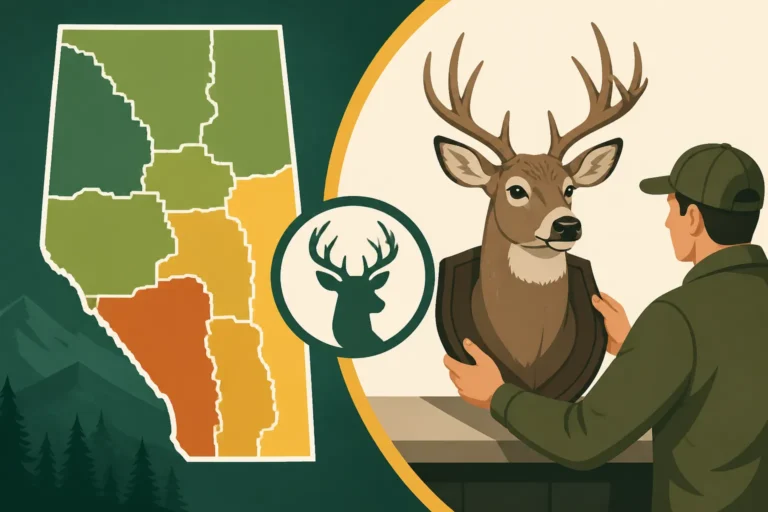
Alberta’s bighorn sheep populations are found exclusively in the mountainous WMUs, primarily along the eastern slopes of the Rockies. Each of these WMUs has its own unique characteristics, management objectives, and, critically, varying draw odds. The number of tags allocated to each WMU can change annually based on population surveys, winter mortality, and overall herd health. This dynamic situation means that draw odds are never static and require careful research each year.
For instance, some WMUs might be known for larger rams but have extremely low tag allocations, making them incredibly difficult to draw even with high priority points. Others might have slightly more tags, but still demand a substantial number of points due to their popularity and accessibility. It's vital to research the specific WMU you intend to apply for, looking at past draw statistics and current population trends. Resources like the provincial regulations synopsis and online hunting forums are good starting points. Advanced platforms, which hunters often explore via GoHunt subscriptions, can provide sophisticated analytics on historical draw odds, harvest data, and even topographical information, helping you make an informed decision on where to spend your valuable priority points.
The challenge isn't just drawing the tag; it's also understanding the terrain and access unique to each mountain WMU. Some areas are accessible via forestry roads, while others require extensive Backpacking Into Alberta Sheep Country or even pack horses. WMU boundaries in these rugged regions can also be tricky to navigate, making mapping tools indispensable. Understanding these differences can significantly impact your hunting experience and success once you finally draw that coveted tag.
Let's look at a simplified overview of what goes into choosing a WMU for bighorn sheep:
| Consideration | Details | Impact on Draw Odds |
|---|---|---|
| Herd Health & Quota | Provincial wildlife biologists assess bighorn populations annually. Healthy herds with good ram recruitment may see a slight increase in tag numbers; struggling herds will see fewer or no tags. | Directly impacts the number of available tags. Fewer tags mean significantly lower odds for all applicants, regardless of priority points. More tags (rarely) can slightly improve odds. |
| Hunter Pressure | Some WMUs are historically more popular due to their reputation for trophy animals, easier access, or established hunting traditions. | Higher pressure means more applicants for the same number of tags, driving up the number of priority points required to be successful. Less popular WMUs might offer a marginally better chance with fewer points. |
| Access Difficulty | WMUs with limited road access, requiring significant hiking, horseback, or bush plane entry, may see fewer applicants. Others with easier road access attract more hunters. | More difficult access can sometimes translate to slightly better draw odds, as many hunters prefer easier hunts. However, the physical demands of Backpacking Into Alberta Sheep Country can be extreme, requiring significant preparation. |
| Historical Draw Points | Examining the minimum priority points required to draw in a specific WMU over the last few years provides the best indicator of future success. These statistics are often available through the AlbertaRELM portal or third-party platforms. | Essential for realistic planning. If a WMU consistently draws at 15+ points and you have 5, your chance is virtually zero. You'd need to either pick a different WMU or continue building points. GoHunt, for example, excels at providing this kind of data. |
| Trophy Potential | Some WMUs consistently produce larger, older rams with impressive horn growth. This can attract hunters willing to wait longer for a higher-quality animal. | WMUs known for trophy potential tend to have extremely high applicant numbers and thus the lowest draw odds and highest priority point requirements. |
Key Limits and Considerations for a Successful Bighorn Hunt
Beyond simply drawing the tag, there are crucial rules and ethical considerations that govern bighorn sheep hunting in Alberta. Being prepared for these aspects is just as important as the application process itself.
Firstly, the bag limit for bighorn sheep in Alberta is typically one ram per lifetime. This is a critical regulation designed to protect and manage the sheep population, emphasizing the conservation value of these animals. It means that once you successfully harvest a bighorn ram, you cannot apply for another special licence draw for this species in Alberta for the remainder of your life. This makes the hunt not just a pursuit of a trophy, but a once-in-a-lifetime experience that many hunters prepare for over decades.
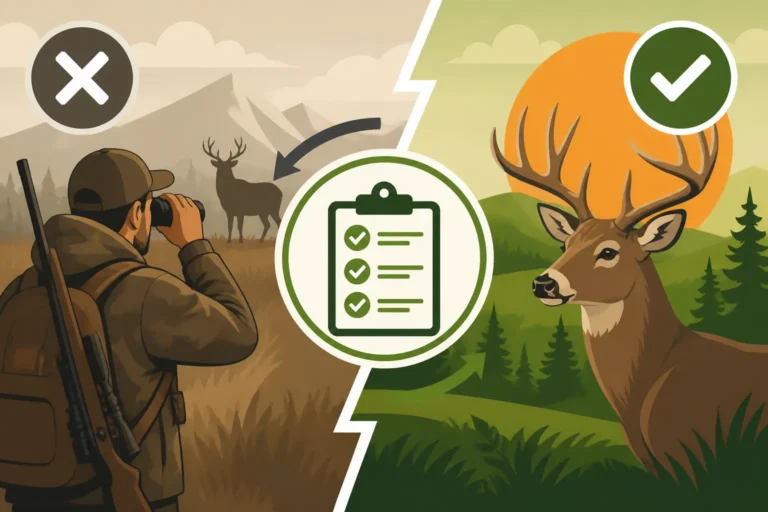
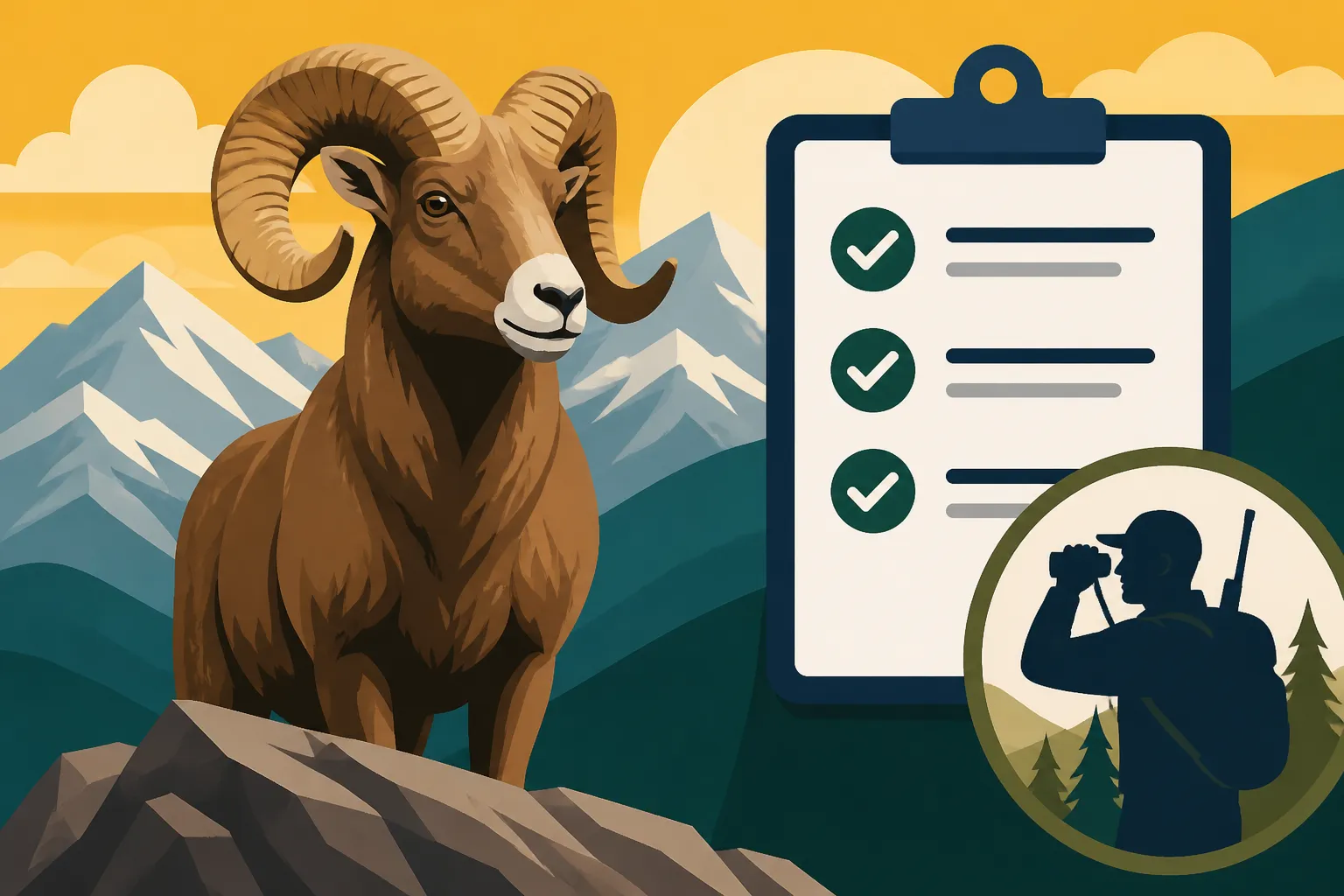
A particularly important regulation specific to bighorn sheep is the "full curl" rule. This rule dictates that a ram must have at least a ¾ curl on one horn, or be 8 years of age or older (determined by horn annuli or growth rings), to be legally harvested. This is a conservation measure aimed at allowing rams to reach breeding maturity and contribute to the herd's genetics before being taken. Accurately Judging a Full-Curl Bighorn Ram in the field, often at long distances and in challenging light conditions, is a skill that takes practice and experience. Mistakes can lead to serious penalties, so it’s something every hunter must master. Learning to differentiate a legal ram from a sub-legal one is paramount, and many spend years practicing with binoculars and spotting scopes on non-hunting trips.
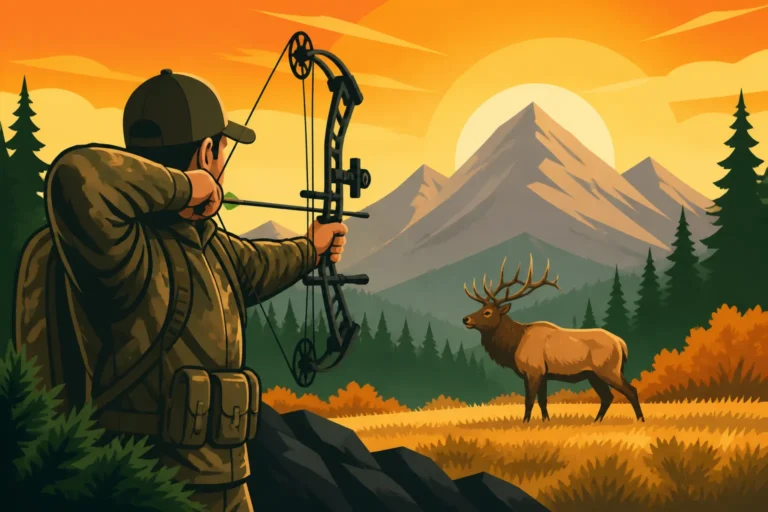
The season dates for bighorn sheep generally fall in the late summer and early fall, aligning with when rams are in their prime and before the harshest winter weather sets in. Hunting methods are restricted to archery and rifle, with specific seasons for each. Given the rugged terrain, hunters often spend days, or even weeks, hiking and Glassing Alpine Basins for Bighorn Sheep, covering vast distances on foot. The physical demands are immense; hunters need to be in peak physical condition to navigate steep, rocky slopes, often at high altitudes. This isn't a hunt you can undertake without serious preparation.
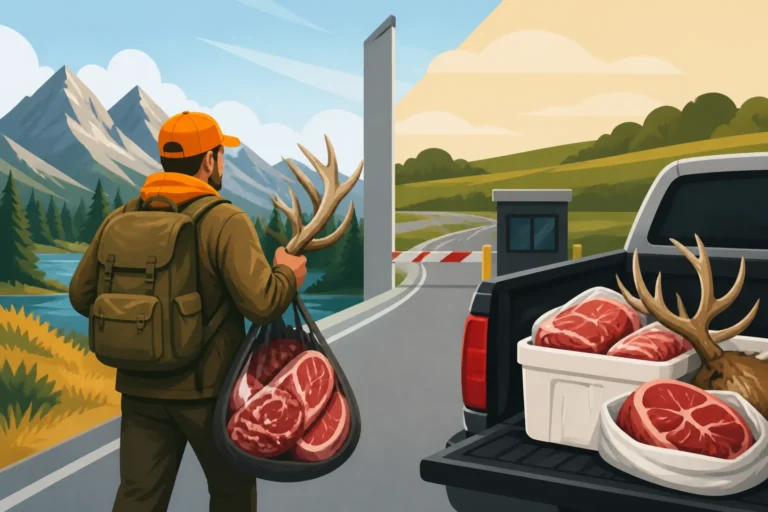
Finally, ethical considerations extend beyond just legal compliance. Respect for the animal, the land, and fellow hunters is critical. This includes proper meat care, especially in remote areas where temperatures can fluctuate, and efficient Packing Out of Alberta's Mountain WMUs. For a hunt of this magnitude, preparation is everything. Utilizing detailed mapping resources, like the satellite imagery and topographical maps found in GoHunt's mapping tools, can be instrumental in planning your approach, identifying potential bedding areas, and understanding escape routes in these challenging environments. This kind of detailed scouting, even from a distance, can make all the difference when you've finally drawn that coveted bighorn tag.
Disclaimer
Please remember that hunting regulations, including draw rules and limits, can change. Always consult the most current Alberta Hunting Regulations published by the provincial government before planning any hunt or applying for a special licence. This guide is intended for informational purposes only.