Black Bears in Alberta’s Forests and Foothills
The vast wilderness of Alberta, with its sprawling forests and rugged foothills, can be an incredible place to pursue black bears. However, the sheer scale of the landscape and the elusive nature of these powerful animals often leave hunters feeling overwhelmed, unsure where to start or how to effectively locate a mature bruin. This comprehensive guide aims to demystify black bear hunting in Alberta, providing you with detailed insights into their biology, preferred habitats, hunting regulations, and proven strategies to increase your odds of success in the province's diverse bear country.
Understanding Alberta's Black Bears
Black bears (Ursus americanus) are surprisingly adaptable creatures, thriving in a variety of environments across Alberta. Before you even think about heading out, having a solid grasp of their basic biology and behavior will give you a significant advantage, helping you anticipate their movements and understand their needs throughout the seasons. They're not just big, furry animals; they're intelligent, opportunistic, and constantly driven by food.
Physical Characteristics and Size
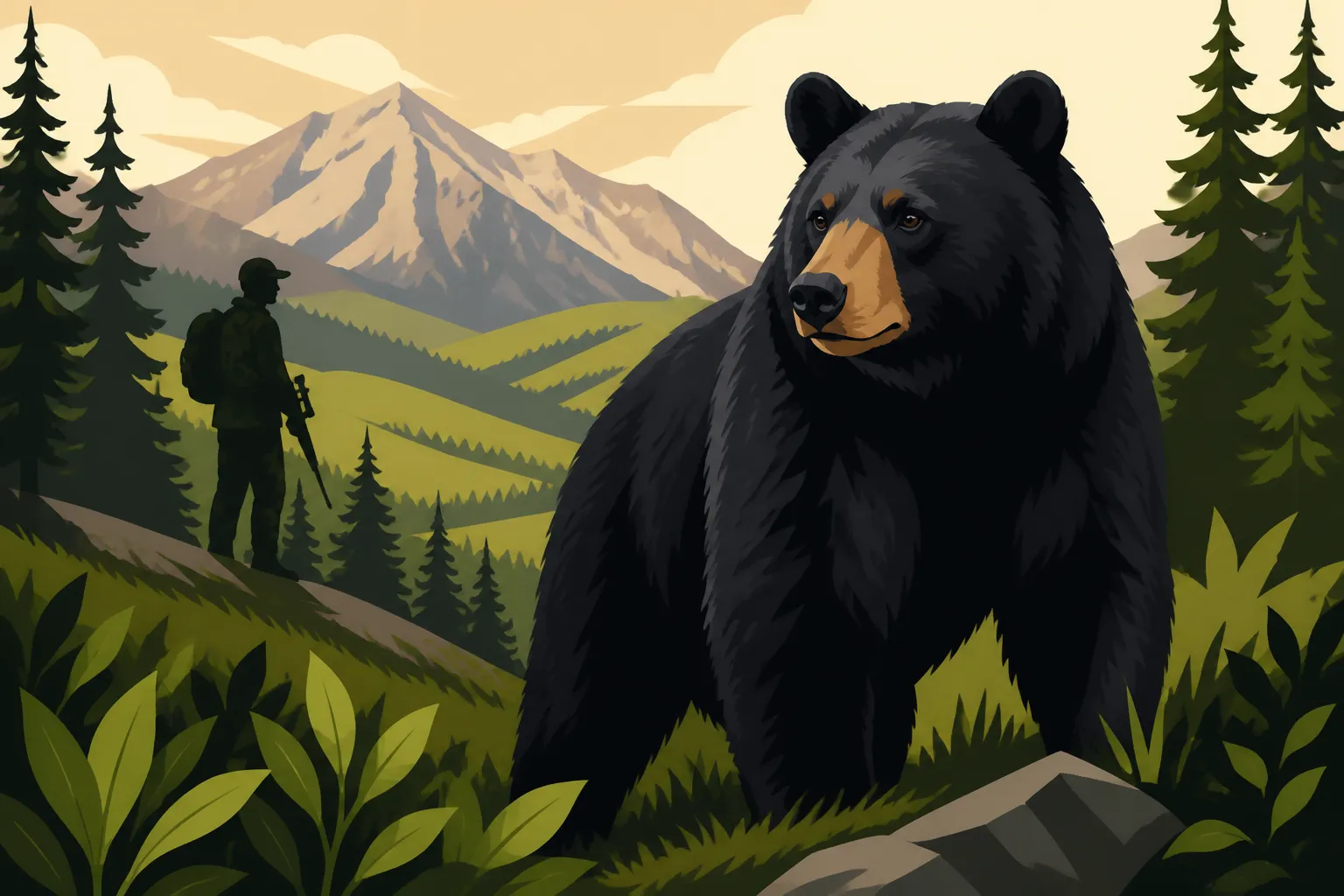
Alberta's black bears are typically medium-sized compared to other bear species, but don't let that fool you – they can still be incredibly large and powerful. Adult males (boars) can easily weigh between 200 and 400 pounds, though some exceptional individuals have been recorded topping 600 pounds, especially in areas with abundant food sources. Females (sows) are generally smaller, usually ranging from 120 to 250 pounds. Their coats can vary dramatically in color, which often surprises new hunters. While most are black, you'll encounter a fascinating array of colour phase black bears in Alberta, including cinnamon, brown, and even blonde. This variation is entirely normal and doesn't indicate a different species, so don't mistake a brown black bear for a grizzly – knowing the distinguishing features is crucial for safety and legal reasons.
Their physical build is robust, with a relatively small head in proportion to their body, small eyes, and rounded ears. They have a short, dense tail and powerful limbs, ending in five-toed paws equipped with short, curved claws perfectly suited for climbing trees and digging for food. When standing on all fours, a large boar can be shoulder-high to a person, and their sheer bulk makes them an impressive sight, especially when encountered in their natural habitat. Understanding these physical attributes is key to identifying mature animals and making ethical shot placements.
Diet and Foraging Habits
Black bears are omnivores, meaning they eat both plants and animals, and their diet shifts dramatically with the seasons as different food sources become available. In spring, when they first emerge from their dens, their focus is on easily digestible greens like grasses, sedges, and young shoots, often found in open clearings or along green cutlines. They'll also actively seek out winter-killed animals, grubs, and insects to replenish their depleted fat reserves. This early spring foraging is a critical time for them to recover from hibernation.
As summer progresses, berries become a primary food source. Saskatoon berries, chokecherries, blueberries, and raspberries are highly sought after, and bears will spend hours gorging themselves to build fat. They're also keen on various roots, nuts, and fungi. Protein is important, so they'll opportunistically prey on fawns, elk calves, or even small rodents and insects. In agricultural areas, they can become a nuisance, raiding cornfields or oat patches. Knowing what bears eat in spring and what bears eat in fall can help you predict where they'll be spending their time, allowing you to focus your scouting efforts on areas rich in seasonal food sources.
Denning and Reproduction
Black bears typically enter their dens for hibernation in late fall or early winter, usually between October and November, depending on food availability and weather conditions. They seek out sheltered spots like hollow logs, rock crevices, or dense brush piles. Their denning period isn't a true hibernation but more of a deep sleep, where their heart rate and metabolism slow down significantly. They can be roused, which is why it's always wise to be cautious when travelling through thick cover during winter months.
Sows usually breed in late spring to early summer, but thanks to a biological marvel called "delayed implantation," the fertilized egg doesn't implant in the uterus until fall. This ensures cubs are born in the den during late winter (January or February), where they are safe, blind, and tiny. A typical litter consists of one to three cubs, which will stay with their mother for about 1.5 to 2 years, learning essential survival skills. This means that when you're out hunting, especially during the spring season, you must be extremely vigilant in judging a boar from a sow with cubs. Harvesting a sow with cubs is illegal and unethical, so always take your time to ensure your target is a solitary bear, and ideally, a mature boar.
Prime Black Bear Habitats in Alberta
Alberta is a big province, and while black bears are widely distributed, certain regions offer more consistent opportunities due to their rich habitat and healthy bear populations. Understanding these prime areas is critical for effective scouting and increasing your chances of a successful hunt. Whether you're planning an expedition into the deep bush or looking for opportunities closer to settled areas, knowing the preferred terrain will guide your efforts.
Boreal Forest Strongholds
The vast Boreal Forest, stretching across northern Alberta, is arguably the province's ultimate black bear stronghold. This immense ecosystem offers everything a bear needs: dense timber for cover, abundant water sources, and a diverse range of food plants like berries, roots, and young deciduous shoots. Areas like the Peace River region, the Swan Hills, and the country north of Fort McMurray are renowned for their high bear densities. Logging activity in these regions often creates ideal conditions, as new cutblocks quickly grow up with a mix of deciduous browse that bears love, attracting them to feed.
In these deep timber zones, bears often frequent areas where old growth meets new, or along the edges of muskegs and swamps. Natural clearings, particularly those with good southern exposure, will green up early in the spring, drawing bears like magnets. Remote areas along seismic lines, pipeline corridors, and old logging roads become natural travel routes and feeding grounds. Hunters willing to venture deep into the bush, often using quads or on foot, will find excellent opportunities here. The challenge in these areas is often access and navigating the dense cover, but the reward can be finding truly large, unpressured boars.
Foothills and Mountain Transitions
Moving south and west, Alberta's Foothills and transition zones into the Rocky Mountains also offer fantastic black bear habitat. Areas west of Rocky Mountain House, along the Forestry Trunk Road, and into the Crowsnest Pass region are prime examples. Here, the landscape is a mix of coniferous forests, aspen stands, river valleys, and open slopes. Bears in these regions often utilize the varied terrain, moving between different elevations depending on food availability and weather. In spring, south-facing slopes, which shed snow earlier and green up faster, are key locations. They offer the first flush of nutritious grasses and forbs, vital for bears emerging from hibernation.
The broken nature of the foothills provides excellent cover and varied food sources. Creek bottoms, timbered ridges, and old burns are all places where you'll find bears foraging. Proximity to agriculture can also draw bears out of the hills into the fringes, especially during the fall when crops like oats and barley are ripe. Hunting these areas often involves a mix of glassing open hillsides and still-hunting through timbered creek beds. Access can be a blend of forestry roads and more remote, walk-in only areas, making them appealing to hunters seeking a more physically demanding experience.
Agricultural Fringe Opportunities
While less wild than the boreal or foothills, the agricultural fringes of Alberta's White Area can provide surprising black bear hunting opportunities, especially in the central and northern parts of the province. Areas where dense aspen parkland bluffs meet grain fields create transition zones that bears frequently exploit. These bears, often locally known as "farm bears," will travel from secure cover in the bush to feed on crops like canola, oats, and peas, which offer a highly caloric and easily accessible food source, particularly in the late summer and fall.
Hunting in these fringe areas often requires diligent scouting and securing landowner permission, which can be challenging but rewarding. Bears using these zones are typically nocturnal or crepuscular, moving in the low light of dawn and dusk, making strategically placed stands or ground blinds critical. While densities might not be as high as in the deep bush, the potential for encountering very large, well-fed bears is significant. Success in these areas hinges on understanding local bear movements, identifying pinch points between cover and food, and being respectful of private property. Utilizing resources like the recreational access mapping tool and direct communication with landowners is key to unlocking these opportunities.
Alberta Black Bear Seasons and Regulations
Understanding Alberta's black bear hunting seasons and the specific regulations is paramount for any hunter planning to pursue these animals. The provincial government manages bear populations through specific season dates, licensing requirements, and legal methods to ensure sustainable hunting practices. Failing to adhere to these rules can result in significant penalties, so it's crucial to be well-informed before heading afield.
Spring and Fall Seasons Overview
Alberta offers two distinct black bear hunting seasons: a spring season and a fall season. The spring bear season dates typically open in April and run through May or even into June, depending on the Wildlife Management Unit (WMU). This season is incredibly popular, as bears are emerging from hibernation, often seeking out green-up on south-facing slopes and cutblocks to replenish their energy. During spring, bears are primarily focused on food, making baiting a highly effective strategy. It's also a time when hides are often in prime condition after denning, making for excellent rug material.
The fall bear season dates and WMUs usually open in September and continue through October or November. While less popular than the spring season, fall can offer excellent opportunities, particularly for spot-and-stalk hunting as bears are actively feeding to pack on fat for the upcoming winter. They are often found gorging on berries and other mast crops. The fall also coincides with other big game seasons, allowing for combination hunts. However, fall hides can be more prone to rubbing or damage from fighting, and bears are less predictable in their movements as they can find food more widely dispersed. Each season presents unique challenges and rewards, making it essential to choose the one that best suits your hunting style and goals.
Licensing and Quotas
To hunt black bears in Alberta, residents and non-residents alike must possess a valid Wildlife Identification Number (WIN) card, a Wildlife Certificate, and a specific Black Bear Licence. What a black bear licence costs can vary, so always check the most current AlbertaRELM website for up-to-date fees. It's important to understand that in some WMUs, there may be specific quotas or restrictions, especially regarding the number of bears that can be harvested or size limits (e.g., prohibiting the harvest of sows with cubs, which is standard across the province). Non-resident hunters generally have different rules and often must hunt with a licensed Alberta outfitter or be accompanied by a resident hunter host.
The legal bag limit for black bears in Alberta typically allows a hunter to harvest two bears per calendar year, but this can vary by WMU, so always consult the annual Alberta Guide to Hunting Regulations for the precise rules for your chosen area. The most critical regulation, repeated for ethical and conservation reasons, is the absolute prohibition of harvesting a sow with cubs. Hunters must be able to confidently identify a solitary bear, and ideally a male, before taking a shot. This requires patience and careful observation, especially during the spring season when cubs are young and may be difficult to spot if they are lagging behind their mother.
Legal Hunting Methods and Restrictions
Alberta's regulations outline specific legal methods for hunting black bears, ensuring ethical and safe practices. These methods generally include:
- Baiting: This is a popular and highly effective method, particularly during the spring season. Hunters establish a bait site, typically with sweet or odorous foods, to attract bears to a specific location. When setting a bear bait site in Alberta, strict rules apply regarding proximity to roads, residential areas, and the type of bait used. It's crucial to adhere to these guidelines to maintain ethical hunting standards and avoid conflict.
- Spot-and-Stalk: This involves actively searching for bears, often by glassing open areas, clearcuts, or power lines, and then carefully stalking within shooting range once a bear is located. This method is highly effective in diverse landscapes, from foothills to cutblocks.
- Calling: Using distress calls, cub bawls, or even boar fighting sounds can sometimes attract curious or territorial bears, though it's often more effective with younger or less experienced animals.
- Still-hunting: Slowly moving through bear habitat, pausing frequently to observe and listen, is another method, particularly in dense cover where visibility is limited.
There are also important restrictions to be aware of. The use of dogs for hunting black bears is generally not permitted in Alberta, nor is hunting from a vehicle. It's also illegal to hunt bears over bait during the last seven days of any WMU's spring bear season, or at all during the fall season in most WMUs. Always ensure your chosen firearm or bow meets the legal requirements for big game in Alberta, including minimum legal bow draw weight and rifle calibre. Remember, vigilance and adherence to all regulations are the hallmarks of a responsible bear hunter.
| Season | Typical Dates (WMU Dependent) | Bear Behavior Focus | Prime Hunting Methods | Key Considerations |
|---|---|---|---|---|
| Spring | April 1 – June 15 | Emerging from den, seeking green-up & easily digestible food | Baiting, Spot-and-Stalk (open areas) | Replenishing fats, hides in prime condition, critical to identify solitary bear (no sow with cubs) |
| Fall | September 1 – November 30 | Gorging on berries & mast crops for winter | Spot-and-Stalk (berry patches, ag fields), Calling | Building fat reserves, hides can be rubbed, often coincide with other big game seasons |
Effective Black Bear Hunting Strategies
Hunting black bears in Alberta requires patience, persistence, and a strategic approach tailored to the season and terrain. There's no single "magic bullet" strategy; instead, a combination of methods, informed by a deep understanding of bear behavior, will yield the best results. Whether you prefer the calculated waiting game of a bait stand or the active pursuit of a spot-and-stalk hunt, mastering these techniques will elevate your chances.
Baiting Black Bear in Alberta
Baiting is arguably the most popular and effective method for hunting black bears, particularly during the spring season. It capitalizes on a bear's insatiable appetite after a long winter's denning. The strategy revolves around establishing a consistent food source in an area known for bear activity, drawing them to a predictable location. Setting a bear bait site in Alberta involves careful selection of a remote, secure location that offers good cover for the hunter and clear shooting lanes. Sweet, odorous foods like stale pastries, donuts, molasses, or dog food mixed with grease are excellent attractants. Regular replenishment is key to keeping bears interested and conditioning them to visit during daylight hours.
Success with baiting isn't just about putting food out; it's about observation and patience. Trail cameras are invaluable for monitoring activity, identifying individual bears, and determining their patterns of visit. This helps in timing an Alberta spring bear hunt precisely. You'll want to set up your stand or blind downwind of the bait, with a clear view and a safe backdrop for shooting. It's a waiting game, often requiring multiple sits, but it allows for thorough assessment of the bear, ensuring you're targeting a legal and desirable animal, and critically, giving you ample time to ensure you are not harvesting a sow with cubs. Many hunters find baiting an excellent way to introduce new hunters to bear hunting, as it provides a controlled environment for observation and learning.
Spot-and-Stalk Hunting
For those who prefer a more active and dynamic hunting style, spot-and-stalk is an incredibly rewarding method for black bears. This approach is highly effective in open or broken country, such as power lines, clearcuts, burn areas, logging roads, and south-facing slopes in the foothills, especially during early spring or fall when natural food sources are abundant. It relies heavily on good optics – binoculars and a spotting scope are your best friends – to systematically glass potential bear habitat. Look for anything black that moves, especially in areas with green grasses or berry bushes.
Once a bear is spotted, the real challenge begins: the stalk. This requires extreme caution, reading the wind, utilizing available cover, and moving slowly and silently to get within ethical shooting range. Bears have an incredible sense of smell and good hearing, so staying downwind and avoiding noisy movements is paramount. This method is particularly exciting as it involves constant engagement with the landscape and the animal. Spot-and-stalk hunting for black bears also demands good physical conditioning, as you might be covering significant distances over varied terrain. It offers a pure hunting experience, pitting your woodsmanship against the bear's senses and instincts.
Calling and Decoying Bears
While less common than baiting or spot-and-stalk, calling can be an effective and adrenaline-pumping strategy for hunting black bears, particularly in areas with good cover and active bear populations. The most common calling techniques involve imitating a distressed fawn or cub, which can pique a bear's curiosity or, in the case of a sow, draw them in defensively. Predator calls that mimic a rabbit in distress can also work. The key is to project the sound as realistically as possible and remain absolutely silent and still after calling, as bears can approach quickly and quietly.
Decoys, though not as widely used for bears as for other species, can sometimes complement a calling setup. A simple black silhouette or even a full-body bear decoy can draw a curious bear closer, giving you a better shot opportunity. When calling, always be aware of your surroundings, as you never know from which direction a bear might approach. Setting up with your back to dense cover, or having a partner watch your flanks, is a smart safety precaution. This method demands quick decision-making and a steady hand, as encounters can be sudden and intense. It’s an exciting way to hunt and can be particularly effective in dense timber where visual scouting is limited.
Gear and Preparation for Black Bear Hunts
A successful and safe black bear hunt in Alberta isn't just about knowing where the bears are or how to hunt them; it's also about being properly equipped and mentally prepared for the challenges of the wilderness. From essential gear to safety protocols and pre-hunt scouting, thorough preparation will significantly impact your experience and your chances of success. Don't underestimate the importance of planning for every contingency.
Essential Hunting Equipment
Packing the right gear can make or break your black bear hunt. Beyond your weapon of choice (rifle, shotgun, or bow), consider the environment you'll be hunting in. For spring hunts, layers are crucial, as Alberta weather can be highly unpredictable, swinging from warm sunshine to snowstorms in a single day. Quality rain gear is a must. Good waterproof boots are essential, especially if you're navigating wet cutblocks or soggy boreal forest floors. A reliable backpack to carry your essentials – water, snacks, first-aid kit, game bags, and knives – is paramount.
Optics are non-negotiable for spot-and-stalk hunting; a good pair of 10x binoculars and potentially a spotting scope will save you countless steps. For baiting, a comfortable, quiet treestand or ground blind is necessary, along with a rangefinder to confirm distances. Don't forget a headlamp, spare batteries, and a compass or GPS device (many hunters use apps like GoHunt on their phones) for navigation, as it's easy to get disoriented in dense bush. Finally, ensure you have appropriate game bags for meat and a sharp, sturdy knife for field dressing, as bears yield a surprising amount of meat and fat.
Safety in Bear Country
Hunting in Alberta's black bear country inherently carries risks, and being prepared for bear encounters is vital. While black bears are generally shy and avoid humans, aggressive encounters can occur, particularly with sows defending cubs or bears habituated to human food. Always carry bear spray (and know how to use it) in an easily accessible holster. Make noise when moving through dense cover to avoid surprising a bear. Be especially vigilant when approaching carcasses or areas with strong food odors. Knowing how to tell a black bear from a grizzly is also a critical safety measure, as grizzlies require different evasive actions.
If you encounter a black bear, generally, you should make yourself look large, make noise, and slowly back away. If a black bear charges, stand your ground and fight back with everything you have. However, prevention is the best defense. Travel with a partner if possible, especially in remote areas. Inform someone of your hunting plan, including your expected return time and exact location. A satellite messenger device can be a literal lifesaver in areas without cell service, allowing you to call for help in an emergency. Being bear-aware is about vigilance, respect, and preparedness.
Physical Preparation and Scouting
Black bear hunting, particularly spot-and-stalk or deep bush endeavors, can be physically demanding. Long hikes over uneven terrain, through dense brush, or up steep inclines are common. Being in good physical shape will not only make the hunt more enjoyable but also increase your effectiveness and safety. Start a fitness routine well before the season if you plan on covering significant ground.
Scouting is another critical, often overlooked, aspect of preparation. This can involve pre-season trips to your chosen WMU to identify key areas: fresh green-up spots in spring, active berry patches in fall, water sources, natural travel corridors, and dense bedding cover. Looking for signs like scat, tracks, rubbed trees, and overturned rocks (indicating digging for grubs) can confirm bear presence. Using online mapping tools like GoHunt or Google Earth to identify potential areas before you even step foot in the woods is a great starting point. Don't rely solely on past successes; bear patterns can change year to year based on food availability and pressure. Effective scouting is an ongoing process that continues right into your actual hunt.
Meat Care and Trophy Management
Successfully harvesting a black bear is a moment of triumph, but the work isn't over. Proper field dressing, meat care, and trophy preparation are crucial to honouring the animal and ensuring you make the most of your harvest. Bears provide excellent meat and beautiful hides, but their unique biology requires specific attention compared to other big game. Mishandling can lead to spoiled meat or a damaged trophy, a disheartening outcome after a challenging hunt.
Field Dressing and Preservation
Once a bear is down, the clock starts ticking, especially in warmer spring temperatures. Proper field dressing is paramount to cooling the carcass quickly and preventing meat spoilage. Bears have a significant layer of fat, which acts as an insulator, holding heat. The first step is to quickly gut the bear, removing all internal organs. This allows air to circulate and the body to cool. For smaller bears, you might be able to drag or quarter them whole, but for larger animals, quartering a moose alone in the bush is a good analog; you'll likely need to break the bear down into manageable pieces to transport it out.
After gutting, it's highly recommended to skin the bear immediately. The hide and fat also retain a lot of heat, and removing them quickly will cool the meat efficiently. Wipe down the meat to remove any hair or debris, but avoid washing it with water if you can, as moisture can promote bacterial growth. Place the meat in breathable game bags to protect it from flies and dirt while allowing air circulation. If temperatures are warm, getting the meat into a cooler with ice as soon as possible is critical. If you are hunting in Alberta's cold and warm swings, knowing how to hang meat in fall temperature swings will be beneficial. Remember, wasting game meat is illegal and unethical, so take every step to preserve your harvest.
Skinning a Bear for a Rug
If you plan to have a rug or a full body mount made, the skinning process is even more critical and requires a specific approach. When skinning a bear for a rug, you'll want to perform a "rug cut," which involves specific incisions along the belly and down the legs to ensure the hide lays flat and symmetrically. For a taxidermist, the more hide you can give them, the better, so err on the side of leaving extra hide rather than trimming too much. Pay close attention to the face, ears, and paws, as these areas require careful knife work to avoid damage.
Once skinned, the hide needs to be properly cared for to prevent hair slippage. This means removing as much fat and meat as possible (fleshing) and then salting the hide liberally. Use non-iodized salt and ensure it penetrates every part of the hide, especially the edges. Roll the hide up and let it drain for a day, then re-salt. The goal is to dry out the hide completely before transport to a taxidermist. If you cannot salt immediately, freezing the hide (well-bagged) is an option, but salting is always preferred for long-term preservation. Contact your chosen taxidermist before your hunt to understand their specific requirements for caping and hide care.
Measuring and Reporting
After a successful harvest, Alberta regulations require you to attach your tag to the carcass immediately and report your harvest. The specific method for reporting may vary, but typically it involves calling a designated phone line or using the AlbertaRELM online system within a specified timeframe. This information is vital for wildlife managers to monitor bear populations and ensure sustainable hunting.
While Alberta doesn't have a mandatory CWD testing program for black bears, unlike for deer in certain WMUs, it's still good practice to inspect the animal for any signs of disease or unusual growths. If you're hoping to submit your bear's skull for official record books like Boone and Crockett or Pope and Young, ensure you properly clean and preserve the skull. Many hunters also choose to have their bear aged by its teeth, which can be done through a wildlife biologist or a taxidermist. Taking good photos of your bear in the field, respectfully and ethically, is also a great way to commemorate your successful hunt.
Understanding Black Bear Management and Conservation
Hunting black bears in Alberta is not just about the pursuit; it's also about being a responsible participant in wildlife conservation. Understanding how black bear populations are managed, the challenges they face, and the role hunters play in their long-term health is essential for ethical hunting and ensuring these magnificent animals thrive for future generations.
Population Trends and Health
Alberta boasts a healthy and robust black bear population, estimated to be upwards of 40,000 individuals, making it one of the most stable and widespread big game species in the province. Their population numbers by region can fluctuate slightly depending on food availability, habitat changes, and winter severity, but overall, black bears are not considered at risk. Wildlife managers closely monitor harvest data from hunting licences and reported kills to track population trends and adjust regulations as needed.
The adaptability of black bears is a key factor in their success. They can thrive in fragmented habitats and are less affected by human encroachment than more specialized species. However, habitat loss and fragmentation due to industrial development, agriculture, and urbanization do present challenges in certain areas, particularly at the wildland-urban interface. Understanding these pressures helps hunters appreciate the importance of conservation efforts and supporting organizations that work to protect critical bear habitat. Our hunting fees directly contribute to these management programs, highlighting the hunter's integral role.
Human-Bear Conflict Management
As human populations expand and outdoor recreational activities grow, so too does the potential for human-bear conflict. Black bears are opportunistic feeders, and easily accessible human food sources – garbage, pet food, bird feeders, and uncleaned campsites – can quickly habituate bears to people, leading to dangerous encounters. When bears learn to associate humans with food, they can become bolder, lose their natural fear, and pose a threat to public safety.
Alberta Environment and Parks, along with local municipalities, actively manage human-bear conflicts through public education campaigns (e.g., BearSmart programs), wildlife corridors, and, in some cases, relocating problem bears. Hunters also play a role by reducing bear numbers in areas prone to conflict and by promoting responsible outdoor practices. This includes proper food storage in the backcountry, securing garbage in rural areas, and not leaving bait sites unattended for extended periods. Responsible hunting helps maintain a healthy fear of humans in bear populations, which ultimately benefits both bears and people.
Conservation Efforts and Hunter's Role
Black bear conservation in Alberta is a multi-faceted effort, and hunters are at its forefront. The revenue generated from hunting licences, including what a black bear licence costs, directly funds wildlife management programs, research, and habitat protection initiatives. By participating in regulated hunting, hunters contribute valuable data through harvest reporting and help manage populations to healthy levels, preventing overpopulation in some areas and reducing conflict.
Beyond financial contributions and participation, ethical hunters are stewards of the land and its wildlife. This means adhering strictly to regulations, practicing fair chase, ensuring clean kills, and making every effort to recover harvested animals. It also means educating others about responsible outdoor behavior and advocating for healthy wildlife habitats. Organizations like the Alberta Conservation Association (ACA) work tirelessly to conserve wildlife and wild places, often with direct support from hunters. Each time you head out on a black bear hunt in Alberta, you're not just seeking a trophy or meat; you're engaging in a tradition that, when practiced responsibly, is vital for the long-term health of our wildlife and ecosystems.
Disclaimer
Please note that hunting regulations in Alberta can change. This guide provides general information and recommendations. It is the responsibility of every hunter to consult the most current Alberta Guide to Hunting Regulations, available through Alberta Environment and Parks, prior to any hunting activity. Always confirm season dates, bag limits, WMU-specific rules, and licensing requirements before heading afield.