Why Mule Deer Numbers Fell in Some WMUs
It's a disheartening thing to notice when the familiar faces in your favourite hunting spot start to thin out. Many of us have experienced that moment of quiet frustration, seeing fewer mule deer tracks or less activity in areas that once teemed with them. This guide aims to shed light on the complex reasons why mule deer populations might decline in specific Wildlife Management Units (WMUs) across Alberta, helping us understand the challenges these incredible animals face.
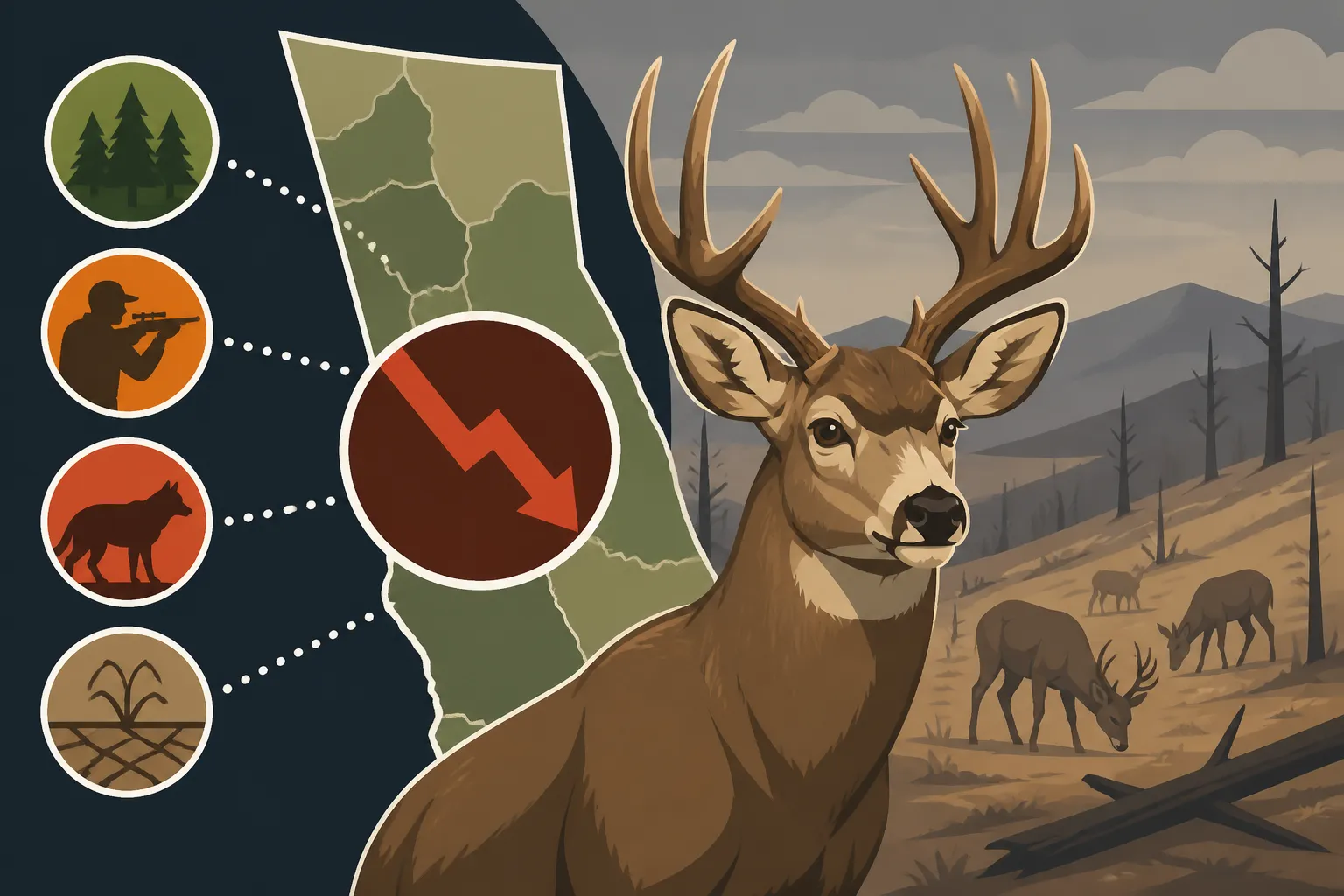
The Complex Web of Factors Affecting Mule Deer Populations
Mule deer, with their distinctive large ears and bounding gait, are incredibly adaptable, thriving in everything from the wide-open prairies to the broken country of the badlands and the fringes of the foothills. However, even adaptable species face an uphill battle against a multitude of environmental and human-induced pressures. When we observe a drop in numbers within a particular WMU, it’s rarely due to a single cause but rather a confluence of interwoven factors. It's like trying to untangle a particularly stubborn fishing knot – every strand contributes to the overall snarl.
Habitat Loss and Fragmentation
One of the most significant, yet often insidious, threats to mule deer populations is the relentless creep of habitat loss and fragmentation. As our human footprint expands, the wild spaces mule deer rely on shrink and become broken up, making it harder for them to thrive.
Agricultural Expansion and Urban Development
Alberta is a province built on agriculture, and vast tracts of what was once prime mule deer habitat have been converted to farmland. While deer can adapt to agricultural landscapes, they often do so at a cost. The loss of diverse native forage, secure bedding cover, and critical winter range pushes deer into smaller, less optimal areas. Think of those rolling prairie coulees; once continuous corridors of cover, they are now often surrounded by cultivated fields, acting more like isolated islands. Similarly, as our towns and cities grow, they gobble up the wild edges where deer once felt safe. Highways and subdivisions carve through migratory routes, creating barriers and increasing the risk of vehicle collisions. This continuous pressure forces deer into less suitable areas, increasing stress and making them more vulnerable. When you're trying to figure out where to find Mule Deer in Alberta's Open Country, understanding these land use changes is paramount.
Industrial Development and Resource Extraction
Beyond farming and cities, Alberta's rich natural resources also contribute to habitat fragmentation. Oil and gas development, forestry, and mining operations all require infrastructure – roads, seismic lines, well sites, and clearcuts – which can carve up once-intact landscapes. While some of these disturbances might create temporary browse opportunities, the long-term effect is often a mosaic of disturbed areas that can disrupt traditional movement patterns and increase human access into previously remote areas. Imagine a wintering herd trying to navigate a new network of pipelines and access roads; the energy expenditure can be immense, especially in deep snow. These changes not only reduce the quality of available habitat but also increase stress on deer, potentially impacting their reproduction and survival rates. Hunters often use tools like GoHunt to analyze land use patterns and identify these changes, which can be critical for scouting.
Harsh Winters and Environmental Stressors
Mule deer are tough, but even they have their limits, and Alberta’s climate can be particularly brutal. Severe weather events and broader environmental changes can have a devastating impact on deer herds, especially the young and the old.
Extreme Cold and Deep Snow
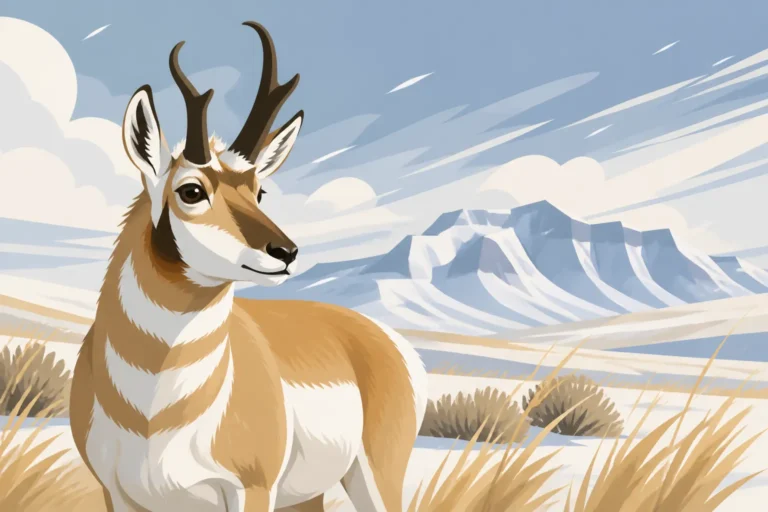
A hard winter can be a natural culling mechanism for any wildlife population, and mule deer are no exception. Prolonged periods of extreme cold demand an immense amount of energy from deer just to stay warm. When this is coupled with deep, persistent snow, accessing forage becomes a monumental challenge. Deer expend critical energy fighting through snow to find food, leading to significant weight loss. Fawns, born the previous spring, are particularly vulnerable as they haven't built up the same fat reserves as adult deer. We've certainly seen seasons where a late-breaking, deep snowfall has dramatically impacted herds. This kind of severe weather stress can directly lead to higher mortality rates. Understanding How Mule Deer Use Coulees in Winter is crucial for their survival in these conditions, as these areas often offer some respite from the biting winds and deeper snow of the open plains.
Drought and Poor Forage Conditions
On the flip side, prolonged drought conditions can be just as detrimental. Dry years lead to reduced forage quality and quantity, impacting a deer's ability to put on critical fat reserves during the summer and fall. If the does go into winter in poor condition, their ability to carry fawns to term or to lactate sufficiently after birth is severely compromised. This means fewer fawns are born, or fewer survive their first few weeks. Drought also affects water sources, forcing deer to travel further, again expending precious energy. When you hear about What Drought Does to Alberta Game, it's easy to see how these environmental shifts can have a cascading effect on an entire population. This often leads to a noticeable decline in the number of healthy animals you might see in a given WMU.
Predation and Disease Pressures
Beyond habitat and weather, mule deer face ongoing threats from natural predators and increasingly, from emerging diseases. These biological pressures play a significant role in regulating populations, and an imbalance in any one area can lead to localized declines.
Predator Dynamics
Alberta is home to a healthy population of predators, and mule deer are a part of their natural diet. While predation is a natural and necessary part of ecosystem health, shifts in predator numbers or prey vulnerability can have noticeable effects on deer populations in certain areas.
Coyote, Wolf, and Cougar Impacts
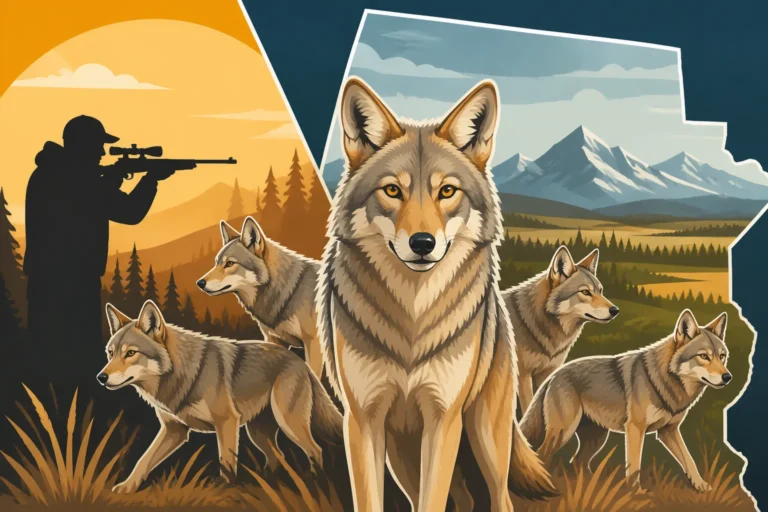
Coyotes are ubiquitous across much of Alberta and are particularly effective predators of mule deer fawns. A significant increase in coyote numbers, or a reduction in alternative prey, can mean higher fawn mortality, which directly impacts the recruitment of new deer into the herd. Wolves, while more localized to the boreal and foothills regions, are apex predators capable of taking down adult deer. In areas where wolf packs thrive and deer populations are already stressed, their impact can be significant. Then there are cougars, master ambush hunters whose populations have grown in many areas, including closer to agricultural zones. Hunting Cougar in Alberta's Foothills is a challenging pursuit, highlighting their elusive nature. When these predators become more prevalent in a WMU that historically had lower predator pressure, or when deer are already weakened by other factors, the collective impact can lead to localized declines.
Changes in Predator-Prey Relationships
Sometimes, it's not just the sheer number of predators, but the dynamic between predator and prey. For example, if alternative prey species (like rabbits or smaller rodents for coyotes, or elk for wolves) become less abundant, predators might shift their focus more heavily onto mule deer. Conversely, if mule deer are already in poor health due to habitat or weather issues, they become easier targets, further exacerbating population declines. Hunters using platforms like GoHunt can often track anecdotal predator sightings and correlate them with deer movement patterns, providing local insights into these complex dynamics.
Chronic Wasting Disease CWD and Other Ailments
Disease is an unfortunate reality in wildlife populations, and one particular concern for deer in Alberta is Chronic Wasting Disease (CWD), a fatal neurological disease that affects cervids. Its spread and impact are increasingly a factor in population health.
The Insidious Spread of CWD
CWD is a serious concern for Alberta’s cervid populations, including mule deer. It's a progressive, fatal disease that leads to brain degeneration, emaciation, and eventually, death. The challenge with CWD is that it's highly contagious and can persist in the environment for long periods. As it spreads through a herd, it can lead to chronic mortality, slowly eroding the population from within. Some WMUs are designated as mandatory CWD submission zones, highlighting where the disease is most prevalent. Understanding Alberta's CWD Testing Requirements is vital for hunters, as their participation in submitting samples helps monitor the disease's spread. While the overall impact on mule deer numbers varies by WMU, in areas with high prevalence, it can contribute significantly to declining herd health and overall population reductions.
Other Diseases and Parasites
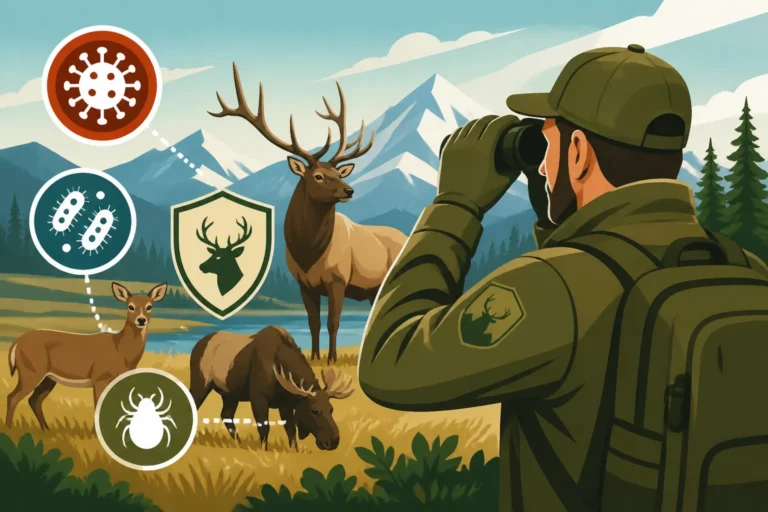
Beyond CWD, mule deer can also be affected by a range of other diseases and parasites, though their impacts are typically more localized and less universally devastating. Things like lungworm, liver flukes, or various bacterial infections can weaken individual deer, making them more susceptible to predation, harsh weather, or other stressors. While these might not cause a wholesale collapse of a WMU’s population, they can contribute to overall herd stress and reduced reproductive success, especially when combined with other negative factors. It’s another layer in the complex tapestry of challenges mule deer face.
Human Impact and Hunting Pressure
While often viewed as a recreational activity, human hunting pressure, when combined with other factors, can also play a role in the dynamics of mule deer populations. Wildlife management agencies constantly strive to balance hunter opportunity with sustainable population levels, adjusting regulations as needed.
Increased Access and Hunter Distribution
The accessibility of certain WMUs can significantly influence how hunting pressure is distributed across a mule deer population. Easier access means more hunters, and if concentrated, this can impact local numbers.
Road Networks and Backcountry Access
In some WMUs, particularly those with extensive road networks (like forestry roads or oil and gas cutlines), access for hunters has increased over the years. This can mean that areas previously acting as natural refuges for deer now see more human activity. When hunters can penetrate deeper into what was once considered "backcountry" with vehicles or ATVs, deer can experience greater disturbance and pressure. While individual hunters may not feel their presence has a huge impact, collectively, it can shift deer behavior and lead to more selective harvesting. This is a common discussion point when considering areas for Spot-and-Stalk Mule Deer in Alberta hunts; the more pressure, the harder the stalk.
Hunter Concentration in Popular Areas
Sometimes, certain WMUs become known for producing good quality deer or offering easier hunting opportunities. This can lead to a concentration of hunters in these popular areas. While hunting regulations are designed to prevent overharvest, localized pressure can still make a difference, especially on mature bucks, which often have lower reproductive value but are prized by hunters. It's a delicate balance that wildlife managers constantly monitor. The goal is always to achieve a sustainable harvest while ensuring the long-term health of the herd. Using tools like GoHunt's WMU analytics can give hunters an idea of past pressure and success rates in different areas.
Changing Hunting Regulations
Wildlife agencies are constantly monitoring deer populations and adjusting hunting regulations in response. These changes, whether in season length, bag limits, or specific antler point restrictions, are direct responses to observed population trends and conservation goals.
Adjustments to Season Length and Bag Limits
If a particular WMU shows a sustained decline in mule deer numbers, one of the most immediate responses from wildlife managers is to adjust hunting regulations. This might mean shortening season lengths, reducing bag limits (e.g., from two deer to one, or limiting the number of antlerless tags), or even closing certain areas to hunting for a period. These measures are designed to reduce the overall harvest pressure and allow the population to recover. It's often a difficult decision for regulators, as it impacts hunter opportunity, but it's essential for long-term sustainability. For instance, understanding Alberta's Three-Point Mule Deer Rules can vary by WMU, indicating specific management strategies.
Selective Harvest Restrictions
Another approach is to implement selective harvest restrictions, such as antler point rules (e.g., "3-point or greater" rules). These regulations are designed to protect younger bucks, allowing them to mature and contribute to the breeding population for longer. While sometimes controversial among hunters, these restrictions can be effective in shaping the age structure of a buck herd and potentially improving the overall health and productivity of the population over time. When you see changes in these rules, it's often a direct indication that wildlife managers are observing something specific in the deer population of that WMU that requires intervention.
Here's a simplified overview of how various factors can influence mule deer populations:
| Factor | Impact on Mule Deer Population | Severity of Impact | Contributing Conditions |
|---|---|---|---|
| Habitat Loss | Reduced carrying capacity, increased stress, fragmented populations. | High | Urbanization, agriculture, industrial development. |
| Harsh Winters | Increased mortality, especially for fawns and weakened deer; reduced reproductive success. | High (episodic) | Deep snow, prolonged extreme cold, lack of accessible forage. |
| Drought | Poor body condition, reduced fawn survival, lower reproductive rates. | Medium-High (episodic) | Lack of rain, poor forage growth, limited water sources. |
| Predation | Direct mortality, especially on fawns; increased stress. | Medium | High predator numbers, weak deer, lack of alternative prey. |
| Chronic Wasting Disease | Chronic mortality, slow population decline, long-term health impacts. | High (increasing) | Disease prevalence in area, deer density, environmental persistence of prions. |
| Hunting Pressure | Direct mortality, altered age/sex ratios, localized population shifts. | Medium (if unmanaged) | High hunter numbers, easy access, insufficient regulation. |
| Other Diseases/Parasites | Weakened individuals, increased susceptibility to other factors. | Low-Medium (localized) | Poor habitat, high deer density, environmental stressors. |
As you can see, the story of declining mule deer numbers in specific WMUs is rarely a simple narrative. It's a complex interplay of environmental conditions, biological pressures, and human activities. The good news is that wildlife agencies and conservation groups are actively working to understand and mitigate these issues, often relying on hunter data and public engagement. By understanding these challenges, we as hunters can become more informed stewards of Alberta's incredible wildlife.
Disclaimer
This article is for general informational purposes only and does not constitute professional advice. Laws, prices and regulations vary by location and change over time. Consult a qualified professional for guidance on your specific situation.