Alberta Oil and Gas Lease Road Access
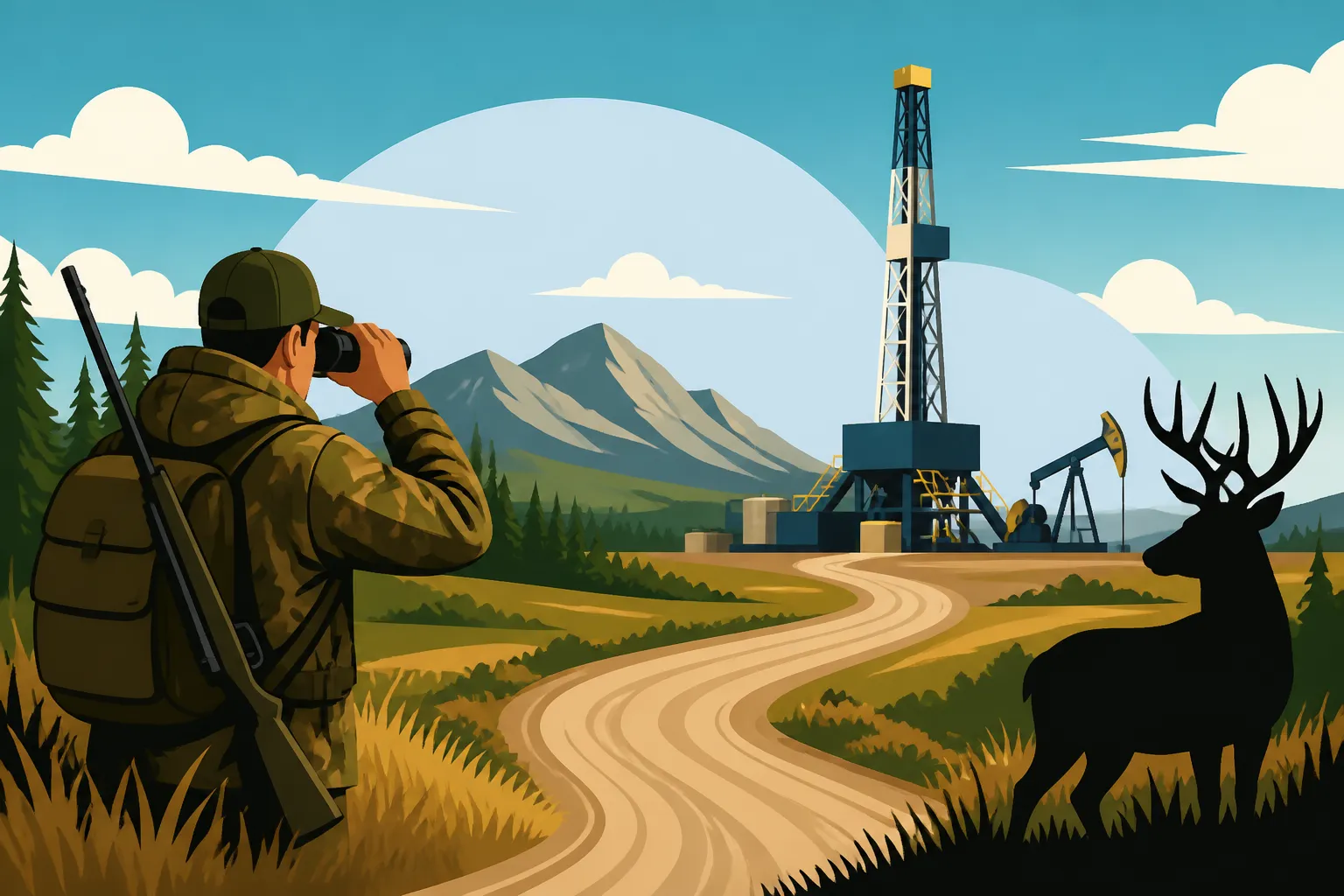
Navigating Alberta's vast landscape for hunting often leads you to places crisscrossed by oil and gas infrastructure – those gravel roads, cutlines, and well sites that seem to lead right into promising game country. It's incredibly frustrating when you see a perfect spot on a map, only to realize you're not sure if you're even allowed to drive down that particular path. This guide is here to demystify oil and gas lease road access for hunters, helping you understand the rules, identify opportunities, and hunt respectfully and legally.
Understanding Alberta's Oil and Gas Landscape and Access
Alberta's economy has long been intertwined with its natural resources, and nowhere is this more evident than in the sheer amount of oil and gas development spread across the province. From the northern boreal forests to the foothills and even pockets of the agricultural white area, you'll encounter a network of lease roads, pipelines, and well sites. For a hunter, these features can be a double-edged sword: they offer potential access into otherwise remote areas, but they also come with a complex set of rules and permissions. It's not as simple as seeing a road and assuming it's public.
The Footprint of Industry on Hunting Land
Think about driving through almost any forested or even parkland region of Alberta. You'll inevitably see signs of energy development: a wellhead tucked into a clearing, a pipeline crossing marked by a warning sign, or gravel roads leading off into the bush. These aren't just isolated features; they form an intricate web that connects various industrial sites. These roads and clearings are built for a specific purpose – to facilitate oil and gas extraction, maintenance, and transportation. They are primarily designed for industrial traffic, not necessarily for public recreational access, even if they sometimes feel like the only way into certain areas. Understanding this primary purpose is key to approaching them correctly.
It's common to spot deer tracks on these cutlines or see moose browsing along the edges of a pipeline right-of-way, making them incredibly attractive to hunters. However, just because game uses these areas doesn't mean you automatically have the right to follow. The presence of oil and gas infrastructure often means a specific type of land tenure and usage agreement is in place, which can dictate who can access it and for what reasons. Ignoring these nuances can lead to trespassing charges, fines, or even a damaged relationship with landowners and industry, which nobody wants when they're just trying to enjoy the outdoors.
Distinguishing Public vs. Private Oil and Gas Lands
One of the biggest misconceptions about oil and gas lease roads is that they all fall under one category. In reality, the rules for accessing these roads depend entirely on the underlying land ownership. Alberta has a mix of Crown (public) land and private land, and oil and gas development occurs on both.
On Crown land, which makes up a significant portion of Alberta's hunting territory, oil and gas companies are granted leases to explore for and extract resources. These leases give them specific rights to build roads, well sites, and facilities. However, the land itself often remains Crown land, which generally permits public recreational access, including hunting, unless specifically closed or restricted. The trick is that the industrial infrastructure on that Crown land is still private property, and the company has the right to manage access to ensure safety and operations. This is where the grey area often begins for hunters. For example, a main oilfield road on Crown land might be open to the public, but a spur road leading directly to an active well site could be gated or posted as restricted access. Tools like Using Alberta's Recreational Access Mapping Tool can be incredibly helpful here.
On private land, the situation is much clearer: you need explicit permission from the landowner to hunt, regardless of any oil and gas activity. If an oil and gas company has a lease on private agricultural land, they have their access rights, but that doesn't automatically grant public access for hunting. The landowner still holds the primary right to grant or deny access for recreational purposes. Always assume private land is off-limits until you have spoken directly with the owner and received permission. This applies even if you see an oil and gas road that looks inviting.
Legal Frameworks Governing Access
Understanding the legalities surrounding oil and gas lease road access is crucial for any hunter in Alberta. It's not just about avoiding trouble; it's about respecting land rights and ensuring future access opportunities for everyone. The rules are layered, involving provincial regulations, land tenure, and sometimes specific agreements with industry or landowners.
The Recreational Access Regulation and Oil and Gas Leases
Alberta's Recreational Access Regulation (RAR) is the backbone of public land access in the province. Generally, it states that Crown land is open for recreational use, including hunting, unless otherwise specified. When it comes to oil and gas leases on Crown land, the situation becomes nuanced. An oil and gas lease grants the company the right to use the land for industrial purposes, but it doesn't automatically change the land's fundamental status as Crown land open for recreation. This means that, in many cases, a hunter can legally access Crown land that has oil and gas leases on it.
However, there's a critical caveat: the oil and gas company still has the right to manage their industrial operations and ensure safety. This can mean gating off active sites, marking roads for "authorized personnel only," or restricting access during specific operations like drilling or heavy hauling. While the land might be Crown, the infrastructure (roads, well sites, pipelines) is often considered private property of the leaseholder. Walking or driving an industrial road, even on Crown land, always requires awareness of active operations and appropriate conduct. For instance, if you're driving down an industrial road and encounter heavy machinery, it's best to pull over, yield the right-of-way, and proceed with caution, or turn around if signs indicate restricted access. The spirit of the RAR is about reasonable access, not about interfering with legitimate industrial operations.
Navigating Land Ownership and Easements
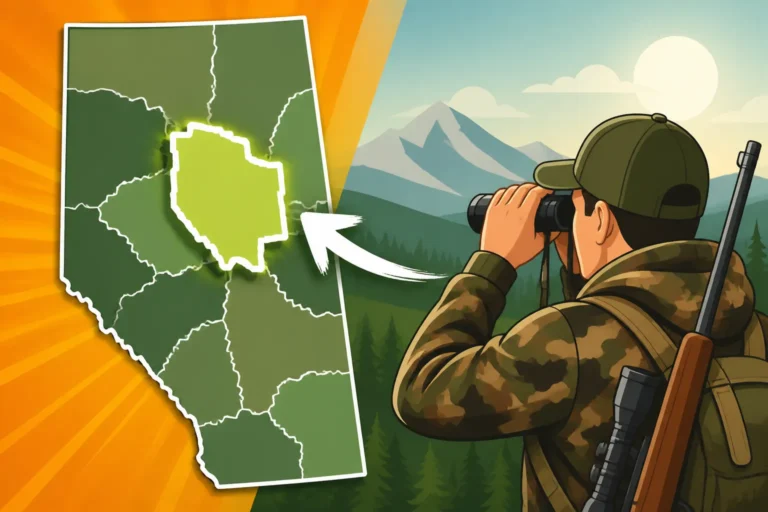
Before you even consider stepping foot on what looks like an oil and gas road, you need to know who owns the land underneath it. This is where tools like onX Hunt or even Alberta's public land-use mapping applications become invaluable. These resources allow you to overlay property boundaries and differentiate between Crown land, private land, and various lease types. Finding Access on Alberta Crown Land is usually your best bet for general recreational access, but even there, specifics matter.
When you're looking at an oil and gas road, remember:
- On Private Land: Any road, including an oil and gas access road, that crosses private land requires explicit landowner permission for hunting or recreational access. Even if it looks like a well-maintained road, it's not public property unless designated as such by a municipality or the province. Asking for permission is not just a courtesy; it's the law. Asking a Grazing Leaseholder for Access is a prime example of needing to communicate with the land user.
- On Crown Land (Green Area): In Alberta's Green Area (forestry and settled areas where general public access is common), many oil and gas roads act as de facto access routes. The principle of the Recreational Access Regulation generally applies, allowing hunters to use these roads for access, unless they are posted with "No Trespassing" signs by the oil and gas company for safety or operational reasons, or if they lead directly to a sensitive or active industrial site. Always be on the lookout for signage.
- On Crown Land (White Area – sometimes): In some parts of the White Area (primarily agricultural land), even Crown land can be leased for grazing or other agricultural purposes. If an oil and gas road traverses a grazing lease, while it's still Crown land, there are protocols for access that might involve the leaseholder. Again, consulting a mapping tool is crucial to identify these nuances.
| Land Type | Underlying Access Rule | Oil & Gas Road Implications | Hunter Action |
|---|---|---|---|
| Private Land | Requires explicit landowner permission for any access. | O&G company has an easement/lease for their operations, not for public recreational access. | Always contact and secure permission from the landowner before entering, even if the road looks open. |
| Crown Land (General) | Generally open for recreational access (e.g., hunting). | O&G lease roads may be used, but respect industrial operations and posted restrictions. | Use mapping tools to confirm Crown land. Watch for "Authorized Personnel Only" or "No Trespassing" signs. |
| Grazing Lease (Crown) | Crown land, but leaseholder has rights over surface use. | O&G roads provide company access, but recreational users should still notify the leaseholder. | Use mapping tools to identify grazing leases. It's respectful to notify the leaseholder before entering. |
| Public Land Use Zone | Specific rules for recreational activities apply. | O&G roads within PLUZs fall under PLUZ regulations and may have vehicle restrictions. | Check specific PLUZ regulations for vehicle access on O&G roads and designated trails. |
Always remember that the goal is safe and legal hunting. When in doubt, err on the side of caution. No buck or bull is worth a trespassing charge or an accident with industrial equipment.
Identifying Access on Oil and Gas Roads
Okay, so you understand the general rules. Now, how do you actually figure out which of those spiderweb-like industrial roads are fair game for hunting access, and which ones are off-limits? It takes a bit of homework before you head out, and a keen eye once you're on the ground.
Utilizing Digital Mapping Tools
Modern technology has revolutionized how hunters can scout and plan, and it's absolutely essential when dealing with oil and gas access. Tools like onX Hunt and others are indispensable for identifying land ownership and potential access points. Before you leave home, spend time poring over these maps.
Start by looking for the distinct patterns of oil and gas development: the straight lines of cutlines, the geometric shapes of lease sites, and the often-gravelled roads connecting them. Critically, these mapping applications will show you the underlying land base. Is it Crown land? Is it a provincial grazing reserve? Or is it clearly marked as private property? This instantly tells you whether you're dealing with potential public access or if landowner permission is required. Many of these apps even highlight public land use zones (PLUZs) and other specific land designations that have their own sets of rules. For example, knowing if you're in a PLUZ like the Ghost or McLean Creek can change your vehicle access rules dramatically, even on what appears to be an oilfield road. Scouting With Satellite Imagery in Alberta becomes much more effective when combined with these land ownership layers.
These digital tools aren't just for showing property lines; they also often display trails, roads, and even some deactivated seismic lines. Pay close attention to gates, signs, and physical barriers visible on satellite imagery. While satellite images might be a few years old, they give you a strong indication of what to expect on the ground. Some oil and gas companies are also starting to publish maps of their access roads, especially where they intersect with popular recreational areas, so a quick online search for the specific company operating in an area can sometimes yield results, though this is less common for public recreational use than for industry partners.
Reading Signage and Barriers on the Ground
Once you're actually in the field, your digital map is still your best friend, but you also need to be observant of physical signs and barriers. Oil and gas companies often have clear protocols for marking their sites and access routes.
Look for official signage:
- "Authorized Personnel Only": This is a clear indicator that the road or area is restricted to company employees and contractors. Do not proceed beyond this point.
- "No Trespassing" / "Private Property": If these signs are present, even on Crown land, it means the leaseholder has asserted their right to control access to that specific area, usually for safety, security, or operational reasons. Respect these signs.
- "Danger – Active Operations": These signs are paramount. They mean heavy machinery, active drilling, or other hazardous work is underway. For your safety and the safety of workers, avoid these areas.
- Company Name or Lease Number: These signs identify the leaseholder and the specific site. While they don't explicitly grant or deny access, they tell you whose operations are present.
Physical barriers are equally important. A locked gate is a definite "do not enter," regardless of whether you think the land is Crown. Even if a gate is simply closed but not locked, if it's on an industrial road and there's no clear "public access" signage, assume it's meant to be closed and don't open it unless you have explicit permission. Remember, these roads are built for large industrial vehicles, not necessarily light trucks or passenger cars, and they can deteriorate quickly, especially in wet conditions. Even if a road is technically accessible, if it's deeply rutted or washed out, attempting to drive it could lead to getting stuck or causing damage. Always be prepared to walk or use appropriate off-highway vehicles (OHVs) where permitted and safe. Quad and Side-by-Side Rules on Crown Land vary by area, so always check before taking your machine off the main roads.
Navigating Potential Restrictions and Closures
It's one thing to find an oil and gas road; it's another to know if you can actually use it without running into trouble. Restrictions and closures are a reality, and they can pop up for a variety of reasons, often with little warning beyond what's posted on the ground.
Seasonal and Operational Closures
Oil and gas operations, much like forestry, are often seasonal. During spring break-up, when the ground is soft and vulnerable, many industrial roads will be closed to all but essential traffic to prevent damage. Heavy rain can also lead to temporary closures. These closures are typically marked with signage on the ground, often with specific dates or conditions. Disregarding these closures can lead to significant damage to the road, which is costly for the company to repair and reflects poorly on all recreational users.
Beyond seasonal concerns, active drilling, pipeline construction, or major well servicing can result in temporary closures of specific roads or areas for safety reasons. Imagine a large drilling rig being moved; it's a massive, multi-truck operation that takes up a lot of space, and having public traffic in the area creates a dangerous situation. These operational closures might be short-term, lasting a few days or weeks, but they are critical to respect. Always be alert for temporary signs or flaggers indicating active work zones. If you encounter personnel working, it's always best to slow down, be polite, and ask if it's safe to proceed or if there's an alternate route.
Respecting Corporate Policies and Landowner Preferences
Even if an oil and gas road is on Crown land and not explicitly marked with "Authorized Personnel Only," some companies have internal policies regarding public access. While these policies might not be legally binding in the same way as a "No Trespassing" sign from a private landowner, they are often in place for safety, liability, or environmental reasons. For instance, some companies prefer to limit traffic on roads leading to sensitive wildlife areas or reclamation projects.
This is where the "respectful hunter" part comes in. If a company has invested heavily in maintaining roads that lead to excellent hunting opportunities, abusing that privilege by tearing up roads, leaving garbage, or interfering with operations can quickly lead to more stringent restrictions for everyone. Similarly, if an oil and gas company's lease is on a private grazing lease, the grazing leaseholder might have an agreement with the company regarding access, and your presence could inadvertently cause issues. While you might technically be on Crown land, communication and respect for all parties involved go a long, long way. Sometimes, a quick call to the local company office (if contact information is available) to inquire about specific road conditions or access rules can save you a lot of grief and earn you valuable goodwill. Remember that maintaining good relationships with all land users is vital for future access, especially in an area like Alberta with its complex land ownership and use rules.
Best Practices for Respectful and Legal Access
As hunters, we are ambassadors for our sport. How we conduct ourselves on and around oil and gas infrastructure directly impacts the perception of all hunters and future access opportunities. Being respectful and adhering to legal guidelines is paramount.
Driving and Parking on Industrial Roads
When you're driving on an industrial road, treat it like a working highway, not a recreational trail. These roads are often designed for heavy truck traffic, which means they can be rough, dusty, or muddy, and you might encounter large vehicles at any time.
- Yield to Industrial Traffic: Always give way to heavy equipment, company trucks, and any vehicle that appears to be part of an industrial operation. They have the right-of-way, and often, they can't stop or maneuver as quickly as you can. Pull over safely and let them pass.
- Maintain Safe Speeds: Industrial roads are not speedways. Dust can severely limit visibility, and road conditions can change rapidly. Drive defensively and keep your speed appropriate for the conditions and the potential for heavy traffic or wildlife.
- Park Responsibly: Never block a gate, an active road, or access to any industrial site. If you're parking to walk into an area, ensure your vehicle is well off the main travelled portion of the road, in a spot that doesn't impede traffic flow or create a safety hazard. Think about where a large semi-truck might need to turn around or access.
- Be Prepared for Rough Conditions: Industrial roads are often gravel and can be deeply rutted, especially after rain or heavy use. Four-wheel drive and good ground clearance are often necessary. Carry a spare tire, a jack, and basic recovery gear, because getting stuck deep in a lease block can be a real headache. Winter Truck Kit for an Alberta Hunt is always a good idea, regardless of the time of year, due to Alberta's unpredictable weather.
Leaving No Trace and Respecting Equipment
The "Leave No Trace" principles are especially critical when hunting around oil and gas sites. Your presence should be undetectable after you've left.
- Pack It In, Pack It Out: Absolutely everything you bring in must go out with you. This includes spent shell casings, food wrappers, empty water bottles, and any other garbage. Do not under any circumstances leave trash on or near an industrial site.
- No Vandalism or Tampering: Never tamper with oil and gas equipment, signs, gates, or infrastructure. This is not only illegal but extremely dangerous and can lead to severe penalties. Do not shoot at signs, old equipment, or anything other than your legal game.
- Respect Reclamation Efforts: You'll often see areas around well sites or old roads that have been reclaimed with grass, shrubs, and trees. These efforts are part of the industry's commitment to environmental stewardship. Avoid disturbing these areas, and don't drive or walk unnecessarily through revegetated sites.
- Report Issues: If you notice a spill, a damaged sign, or an unsafe situation on an oil and gas lease, consider reporting it to the company (if you have contact information) or the appropriate authorities. Being a responsible outdoor user means looking out for the health of the land, even if it's managed by industry. This kind of proactive, responsible behaviour fosters goodwill and helps maintain access for hunters.
Planning Your Hunt Around Oil and Gas Infrastructure
Integrating oil and gas roads and cutlines into your hunting strategy can be very effective, but it requires careful planning and an understanding of how game animals use these features. It's about leveraging the access without becoming part of the industrial landscape yourself.
Leveraging Cutlines and Right-of-Ways
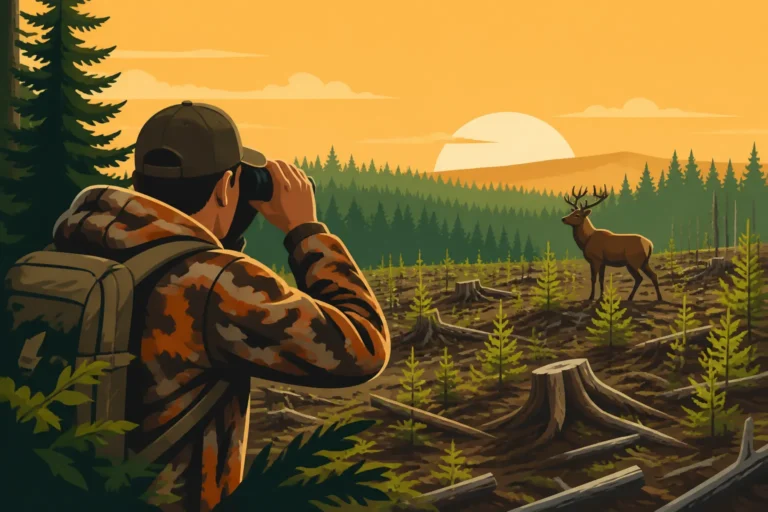
Cutlines and pipeline right-of-ways are often linear clearings through the bush, providing long sightlines that can be a hunter's advantage. Animals frequently use these features as travel corridors, feeding areas, or simply for easier movement through dense cover.
- Travel Corridors: Deer, moose, and elk often follow cutlines, especially in dense forest, as they offer the path of least resistance. Position yourself where a cutline intersects a natural game trail or a timbered ridge. Hunting a Cutline Intersection for Whitetails is a classic strategy.
- Edge Habitat: The edges of cutlines create valuable edge habitat – where two different types of cover meet. This is prime feeding and bedding territory. Animals will browse the regrowth along the edges or step out into the opening at dawn and dusk.
- Visibility: The clearings provide excellent visibility for spotting game at a distance. If you're hunting species like moose in the boreal forest, a long cutline can give you the advantage you need. Hunting a Cutline for Moose at First Light can be highly productive.
- Staging Areas: Game might stage in the timber just off a cutline before entering an open field, or use the cutline itself to move from bedding to feeding areas. Pay attention to fresh tracks and signs along these linear features.
While these features offer advantages, remember they are also highly visible. You'll need to use camouflage and stealth to avoid being seen by game animals that might be using the same corridors. They are accustomed to traffic, but they are also acutely aware of anomalies.
Ethical Considerations and Safety Near Operations
Hunting near active industrial operations requires heightened ethical awareness and a strong focus on safety. Your priority must always be the safety of yourself, other hunters, and especially industrial workers.
- Avoid Active Sites: Never hunt directly on or immediately adjacent to active well sites, pumping jacks, or other operational infrastructure. The noise, movement, and potential for unforeseen hazards make these areas unsuitable for hunting.
- Know Your Backstop: This is always important in hunting, but even more so when buildings, vehicles, and equipment are potentially present. Ensure you have a clear shot and a safe backstop that will absorb your bullet or arrow without risk of ricochet or hitting something unintended. Never shoot towards infrastructure.
- Communicate and Be Visible: If you know you're hunting an area with active industrial traffic, consider wearing more blaze orange than legally required, just to enhance your visibility. If you encounter workers, a friendly wave or a brief chat can go a long way in fostering good relations. Let them know you're hunting in the area and will be mindful of their operations.
- Wildlife Response to Infrastructure: While some animals adapt to the presence of oil and gas sites, others become wary. Understand that heavy equipment noise or human activity at a well site might push game into adjacent timber. Conversely, the clearings can also attract game, especially when they provide new forage. Pay attention to how animals are reacting in the specific area you're hunting.
- Contingency Planning: Always have a plan for what to do if you encounter unexpected industrial activity or a new closure. Know alternative access routes or other areas you can hunt. Flexibility is key when hunting in areas with ongoing resource development. This might mean having a backup WMU in mind, or an alternative piece of Crown land you can access if your primary plan runs into an unexpected industrial closure. Reading an Alberta WMU Map Before You Go can help you scout these alternatives.
By approaching oil and gas lease roads with knowledge, respect, and a commitment to safety, you can unlock incredible hunting opportunities in Alberta while maintaining a positive relationship with industry and the land itself.
Disclaimer
This article is for general informational purposes only and does not constitute professional advice. Laws, prices and regulations vary by location and change over time. Consult a qualified professional for guidance on your specific situation.