Alberta’s Waterfowl and Migration Routes
Alberta waterfowl migration routes, prairie potholes, and river systems provide vital breeding and staging grounds for millions of migratory birds.
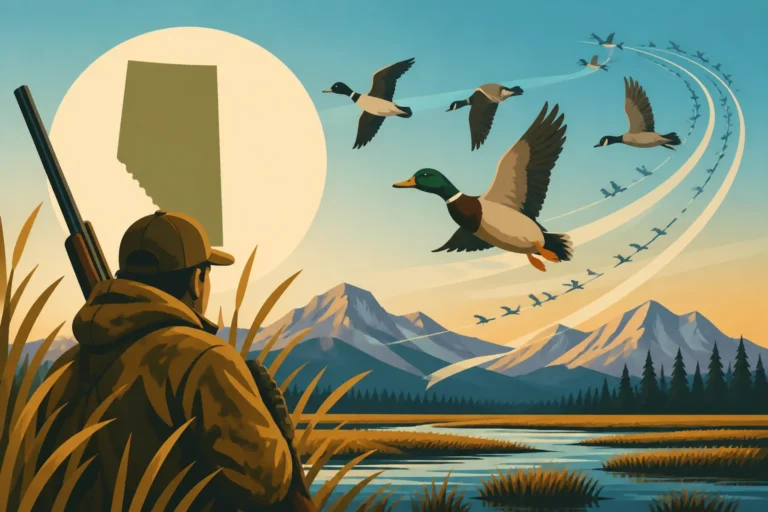
Alberta waterfowl migration routes, prairie potholes, and river systems provide vital breeding and staging grounds for millions of migratory birds.
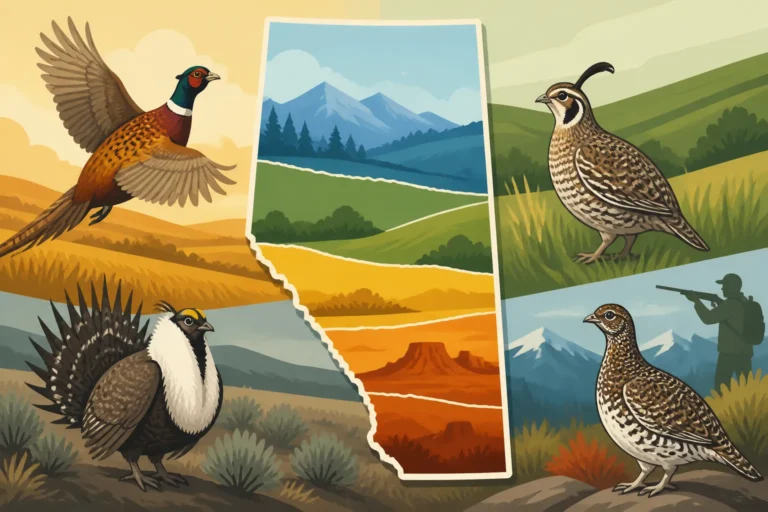
Alberta upland bird regions and species provide prime hunting habitats for grouse, partridge, and pheasant across the province.
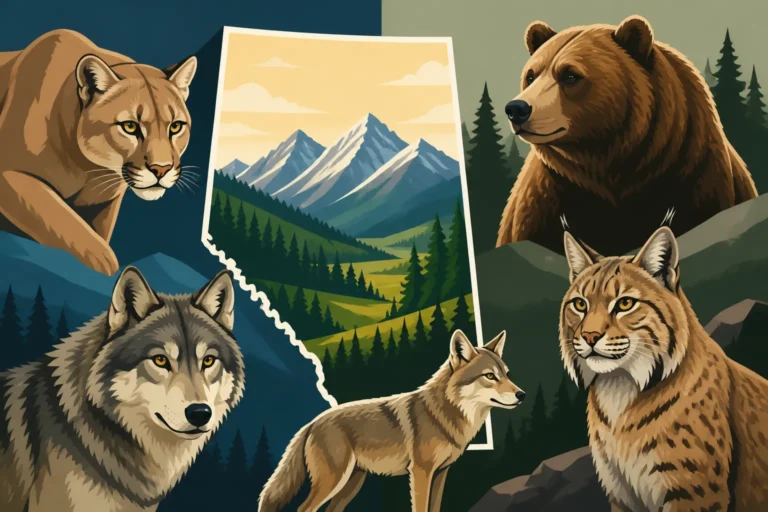
Alberta predators like timber wolves inhabit boreal forests and foothills, requiring hunters to understand their vital ecological roles.
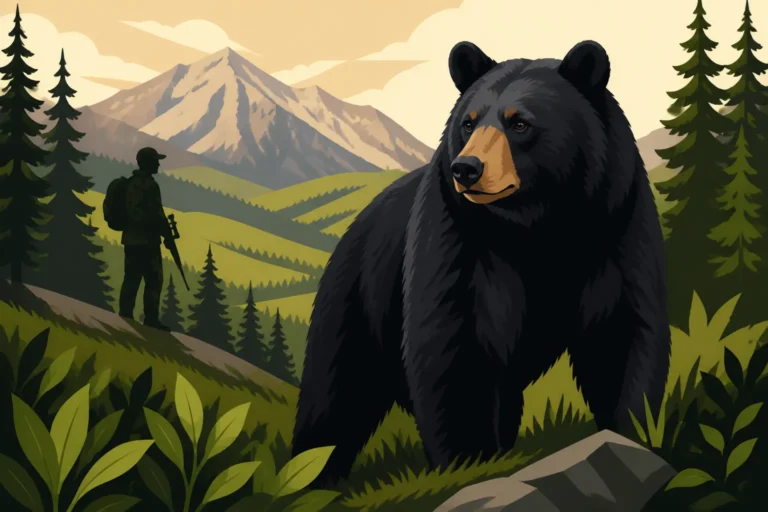
Alberta black bear biology, seasonal diets, and adult weights between 200 and 400 pounds help hunters locate animals in forests.

Bighorn sheep habitat and behavior in Alberta mountains help hunters navigate draw systems, prepare gear, and execute hunts.
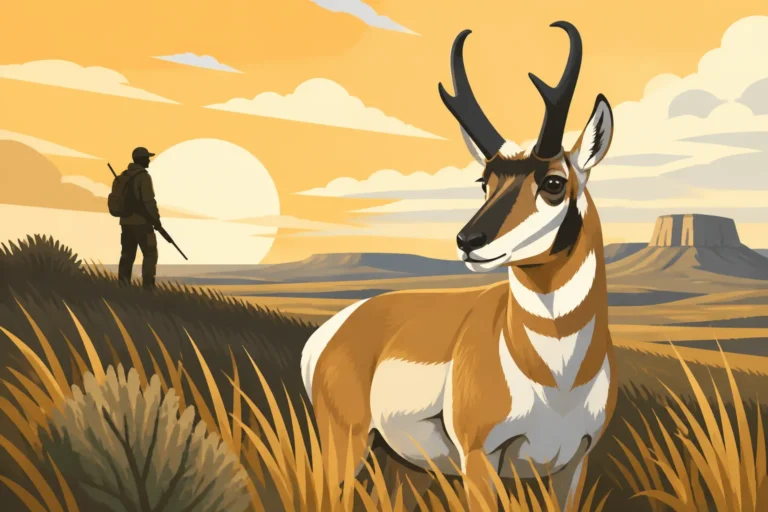
Pronghorn hunting in Alberta requires navigating a strict draw system, understanding prairie habitats, and using specific strategies.
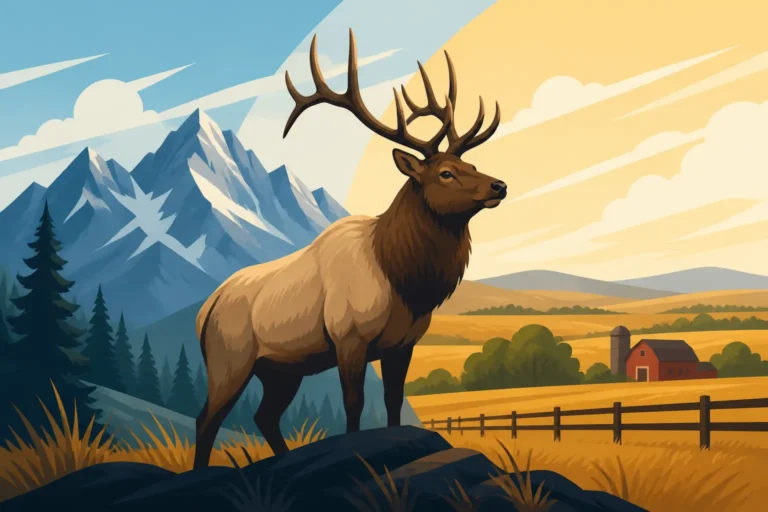
Alberta elk populations exceed 30,000 animals, offering successful hunting seasons that balance population levels and agricultural concerns.
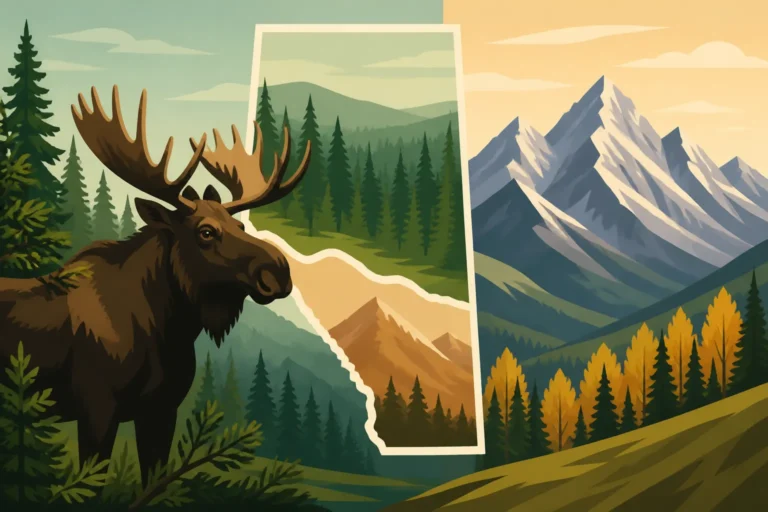
Alberta moose populations in northern boreal forests and rugged western foothills show habitat preferences and survival adaptations.
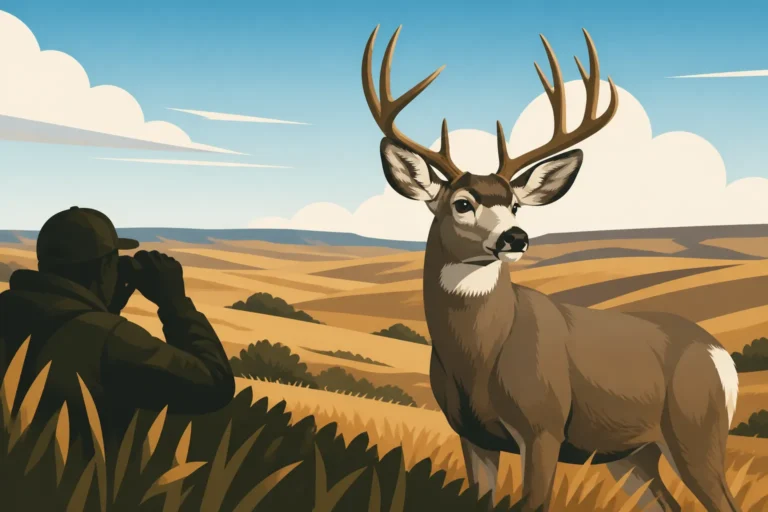
Alberta mule deer hunting in open country requires specialized skills for tracking animals across prairies, badlands, and foothills.
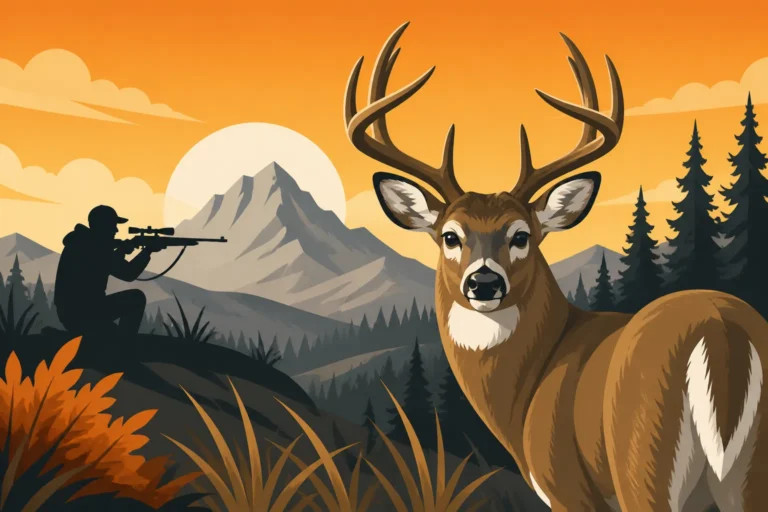
Alberta white-tailed deer biology, behaviour, and habitat explain why this adaptable big game species remains most hunted.