Using a Flushing Dog in Thick Cover
Flushing dogs in dense Alberta cover help hunters locate hidden birds, flush them into the open, and retrieve fallen game.
Close the distance.
Archery, muzzleloader, and firearm techniques — calling, stand placement, still-hunting, spot-and-stalk, and the weapon rules that change at the state line.
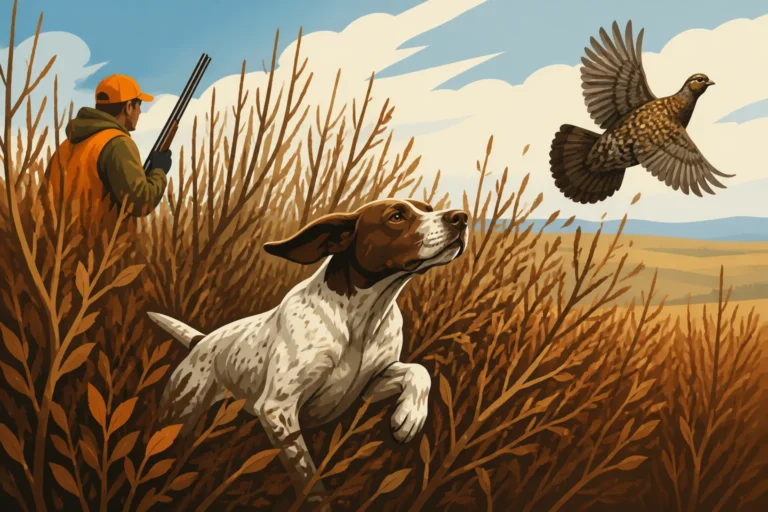
Flushing dogs in dense Alberta cover help hunters locate hidden birds, flush them into the open, and retrieve fallen game.
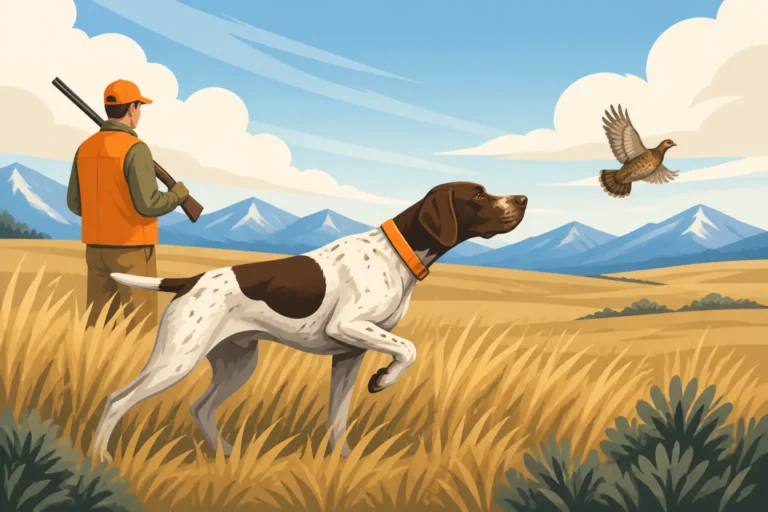
Pointing dogs on Alberta prairies find Hungarian partridge and sharp-tailed grouse, saving energy and increasing bird encounters.
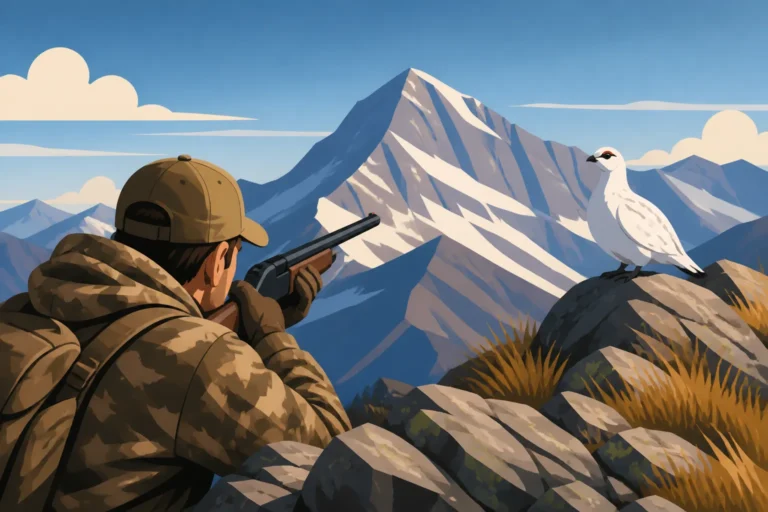
Alberta ptarmigan hunting strategies and habitat details help hunters find willow, rock, and white-tailed birds in alpine terrain.
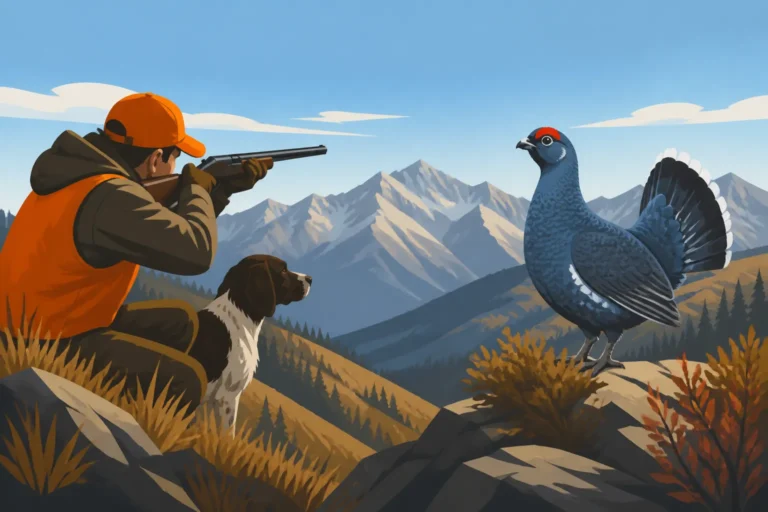
Alberta foothills blue grouse hunting strategies explain conifer habitat, seasonal food sources, and ridge terrain for hunters.
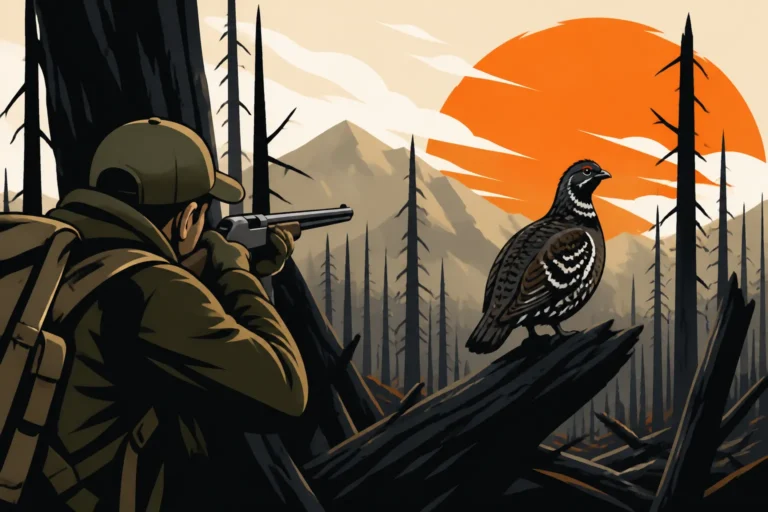
Spruce grouse hunting in Alberta black timber requires specific tactics to find camouflaged birds in dense, damp coniferous forests.
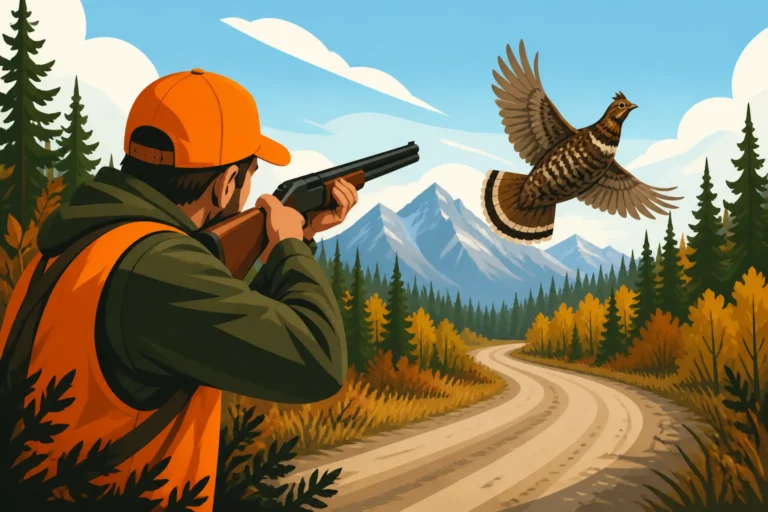
Alberta ruffed grouse hunting techniques explain how to find elusive birds along bush roads using fresh droppings and cover.
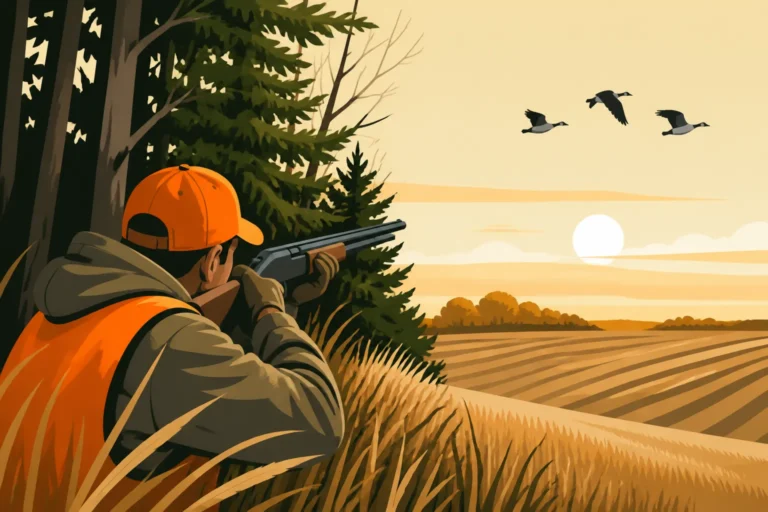
Hungarian partridge habits and shelterbelt strategies help hunters find elusive birds hiding in agricultural landscapes across Alberta.
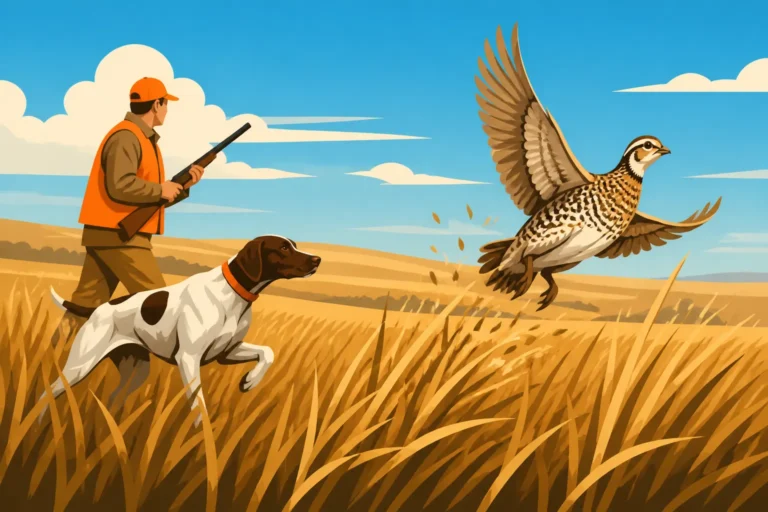
Sharp-tailed grouse hunting on Alberta grassland requires strategies for locating prairie birds by understanding their habits and habitats.
Alberta waterfowl hunting requires non-toxic ammunition to prevent lead poisoning in wildlife and protect local ecosystems.
Alberta sandhill crane hunting tactics, decoy spreads, and concealment methods help hunters successfully attract wary migratory game birds.