How Much Crown Land Alberta Has
Many hunters in Alberta feel the perennial squeeze of finding good, accessible hunting ground, often left wondering if there's any truly public land left where they can get away from the crowds and pursue game. It's a valid frustration, as landscapes change and development expands. This guide is here to shed light on exactly how much Crown Land Alberta has, where to find it, what different types exist, and how you can responsibly access these vital public spaces for your next hunting adventure.
Understanding Alberta's Crown Land Landscape
The idea of "Crown Land" can feel a bit abstract, almost like an old monarch's untouched domain, but in Alberta, it's a very real and tangible part of our hunting heritage and opportunity. It represents a significant portion of our province, held in trust for all citizens, including hunters. However, not all Crown Land is created equal when it comes to access and use, and understanding these nuances is crucial for a successful and legal hunt.
What "Crown Land" Really Means in Alberta
At its core, Crown Land in Alberta is land owned by the provincial government, managed on behalf of its citizens. Unlike private land, which has individual or corporate owners, Crown Land is a public asset. This doesn't mean it's all pristine wilderness, however. Crown Land can encompass everything from vast tracts of boreal forest and rugged mountain slopes to agricultural fields and even urban river valleys. It's used for a multitude of purposes beyond hunting, including forestry, oil and gas development, agriculture (through leases), recreation, and conservation. For hunters, it represents a fundamental right to access and utilize wildlife resources, provided they adhere to regulations.
The historical context of Crown Land is rooted in colonial land management practices, where vast territories were designated as belonging to the Crown. Over time, as provinces gained more control over their natural resources, much of this land came under provincial jurisdiction. This means the Alberta government, through departments like Alberta Environment and Protected Areas, manages these lands, setting policies for everything from timber harvesting to recreational access and wildlife management. Understanding this underlying ownership is the first step in unlocking its potential for your hunting pursuits.
The Crucial Green Area and White Area Distinction
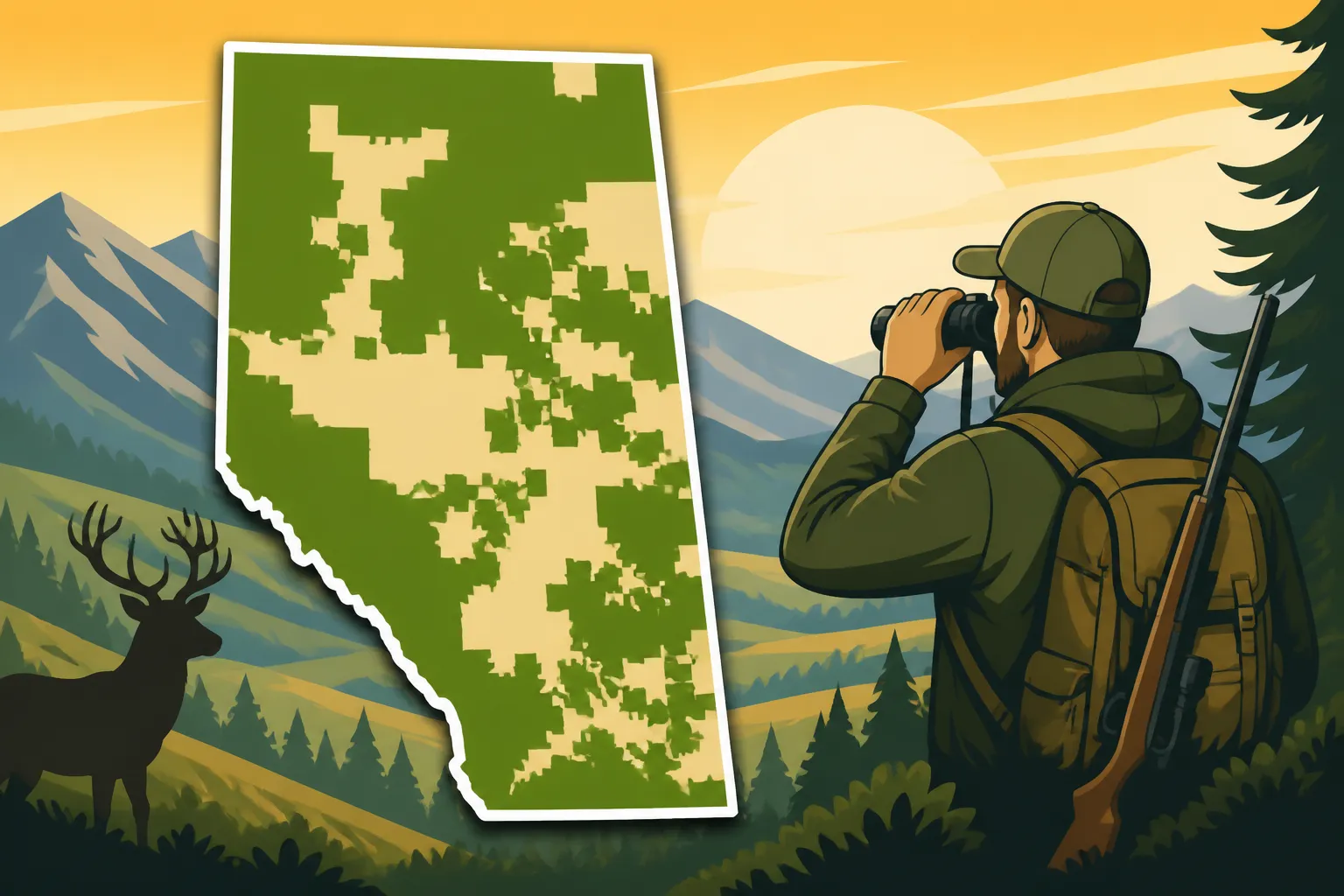
One of the most important concepts for hunters to grasp when considering Crown Land in Alberta is the difference between the "Green Area" and the "White Area." This distinction dramatically impacts the amount and type of Crown Land available, as well as the general rules of access. The Green Area is largely forested land, primarily found in the northern and western parts of the province, extending into the foothills and mountains. This is where you'll find extensive tracts of relatively undeveloped Crown Land, often encompassing large Public Land Use Zones (PLUZs) and forestry lands. Access here is generally more open, though specific regulations for vehicle use, camping, and other activities still apply.
In contrast, the White Area is the settled, agricultural region of Alberta, predominantly in the central and southern portions of the province. Here, private land makes up the vast majority of the landscape. While there is Crown Land in the White Area, it's often fragmented, smaller parcels, or frequently leased for agricultural purposes like grazing or cultivation. Finding huntable Crown Land in the White Area can be a significant challenge, often requiring extensive scouting, map interpretation, and direct communication with leaseholders. The type of hunting available also differs, with the Green Area offering more wilderness experiences for species like moose and elk, while the White Area might offer pockets for deer or upland birds.
Provincial Versus Federal Ownership: What Hunters Need to Know
While the term "Crown Land" broadly refers to government-owned land, it's important to understand that most of the huntable Crown Land in Alberta falls under provincial jurisdiction. This means the rules and regulations you follow are primarily set by the Alberta government and outlined in the provincial hunting regulations. The vast tracts of forest, foothills, and prairie that constitute most of our public hunting grounds are managed provincially.
However, there are exceptions. Federal Crown Land exists, but it generally has very different rules regarding hunting. The most prominent examples are Canada's National Parks (like Banff, Jasper, Waterton Lakes, and Elk Island), where hunting is strictly prohibited. These areas are managed by Parks Canada with a focus on ecological protection and passive recreation, not consumptive activities like hunting. Similarly, First Nations reserves are federal lands, and access for hunting is typically restricted to members of that particular First Nation, or requires explicit permission from the band council. Military bases, such as CFB Suffield or CFB Wainwright, are also federal lands that occasionally offer controlled hunting draws, but these are highly regulated and not open access. For the average hunter seeking general access, focusing on provincially managed Crown Land will yield the most opportunity.
Diverse Types of Crown Land and Their Access Rules
Not all Crown Land is treated equally, and understanding the specific designations and associated access rules is paramount for any hunter in Alberta. Showing up to a provincial park expecting to hunt, for example, is a quick way to get yourself into trouble. The key is to be informed about the specific type of Crown Land you're planning to visit and to understand who has the authority to grant or deny access for hunting purposes.
Open Access Forestry and Public Lands
The largest and most commonly utilized category of Crown Land for hunting in Alberta falls under the umbrella of "Forestry Land" or general "Public Lands" within the Green Area. These are the vast, undeveloped tracts of forest, bush, and foothills where hunters can generally expect open access for hunting, fishing, and random camping, provided they follow all provincial regulations. Think of the sprawling boreal forest in the north or the extensive foothill regions west of the main agricultural belt. This is where many Alberta hunters cut their teeth and pursue a wide variety of big game and upland birds.
While access is generally open, it's never a complete free-for-all. These areas are still subject to specific regulations, often related to vehicle use, fire bans, or seasonal road closures. For example, some forestry roads might be gated during certain times of the year to protect sensitive wildlife habitat or prevent damage during spring thaw. Furthermore, much of this open access land is managed within Public Land Use Zones (PLUZs), which come with their own detailed set of rules, particularly concerning off-highway vehicle (OHV) use and camping. It’s essential to consult the latest Alberta hunting regulations and any specific PLUZ maps or notices before venturing out.
Navigating Grazing Leases and Cultivated Crown Land
Moving into the White Area, or even the fringes of the Green Area, you'll encounter a significant amount of Crown Land that is leased out for agricultural purposes, primarily grazing or cultivation. While these lands are still technically owned by the Crown, they are under a lease agreement with a private individual or company (the "leaseholder"). This is where many hunters make a critical mistake, assuming that because it's Crown Land, it's automatically open for hunting. This is absolutely incorrect. You MUST obtain permission from the leaseholder before hunting on Crown grazing leases or cultivated Crown Land. This rule is a cornerstone of responsible hunting in Alberta.
Hunting on these leased lands without permission is considered trespassing and can lead to fines and loss of hunting privileges. The leaseholder has significant rights, including the right to control access for recreational purposes. Building a positive relationship with leaseholders is invaluable. It often starts with a polite knock on the door, a friendly conversation, and a clear request for permission. Asking a Grazing Leaseholder for Access is not just a courtesy; it's a legal requirement. These lands can be incredibly productive for deer, upland birds, and sometimes even elk, but access depends entirely on the goodwill and permission of the leaseholder.
Restricted Access: Provincial Parks, Natural Areas, and Ecological Reserves
Finally, there are categories of Crown Land where hunting is either entirely prohibited or highly restricted. Provincial Parks, such as Fish Creek Provincial Park or Kananaskis Provincial Park, are generally closed to hunting. These areas are designated for conservation, passive recreation, and often for urban or semi-urban enjoyment, where the discharge of firearms would pose a significant public safety concern and conflict with the park's primary mandate. There might be very rare exceptions for specific wildlife management purposes, but these are not open to general public hunting.
Similarly, Natural Areas, Ecological Reserves, and Wilderness Areas (like the Willmore Wilderness Park, which has very specific, limited hunting access requirements) are established with a primary focus on environmental protection and biodiversity conservation. Hunting is typically prohibited in these areas to minimize human impact and protect sensitive ecosystems. It is imperative that hunters consult detailed maps and regulation summaries to identify these restricted zones. Ignorance of boundaries is not a valid defense, and hunting in a closed area can result in severe penalties. Always double-check your intended hunting location against official maps to avoid accidental trespass into a protected zone.
Diving Deep into Public Land Use Zones (PLUZs)
If you spend any time hunting in Alberta's Green Area, you're bound to come across the term "Public Land Use Zone" or PLUZ. These are critical areas for managing how we all interact with our shared Crown Land, especially in regions that see a lot of activity from various user groups. Understanding PLUZs isn't just about avoiding a fine; it's about being a responsible land user and ensuring these fantastic hunting grounds remain accessible for generations to come.
The Purpose and Structure of Alberta's PLUZs
Public Land Use Zones are specific designations within Alberta's Green Area, created to manage recreational, industrial, and commercial activities on Crown Land. The core purpose is to minimize conflicts between different land users—hunters, hikers, off-highway vehicle (OHV) enthusiasts, equestrians, loggers, and oil and gas operations—while protecting environmental values. Without PLUZs, these vast areas would be a free-for-all, leading to habitat degradation, safety concerns, and constant friction between groups.
Each PLUZ has a specific management plan that outlines permissible activities, vehicle restrictions, camping rules, and other regulations. These plans are designed to concentrate high-impact activities in certain areas and protect others, ensuring a balance. For instance, some zones might have designated OHV trails but restrict cross-country travel, while others might prioritize non-motorized access. Understanding the structure means recognizing that a PLUZ isn't just a boundary on a map; it's a living management framework for shared public access.
Key PLUZs for Hunters Across Alberta
Alberta is home to several well-known PLUZs that are popular hunting destinations, each with its unique character and opportunities. For instance, the Ghost Public Land Use Zone, located west of Cochrane, is a rugged area offering excellent opportunities for elk, deer, and bear hunting, but it's also heavily used by OHV riders and campers. Hunting the Ghost Public Land Use Zone requires familiarity with its distinct motorized access rules. Further south, the Livingstone-Porcupine Hills PLUZ is another prime example, renowned for its mule deer and elk populations, with a mix of open hillsides and timbered draws. Hunting the Livingstone Range in this area means understanding specific rules for vehicle use and camping.
Near Calgary, the McLean Creek PLUZ is a popular, easily accessible option, though it sees intense recreational pressure. While it's known for its OHV trails, hunters can find opportunities here for deer, particularly if they're willing to go on foot to escape the crowds. Hunting the McLean Creek Area often means navigating a busy multi-use environment. In the Red Deer area, the Red Deer River PLUZ offers river valley bottom hunting. Each of these PLUZs, and many others across the province, provides unique landscapes and hunting challenges, making it vital to research the specific regulations for the one you plan to visit.
Understanding Specific PLUZ Regulations for Responsible Hunting
The devil, as they say, is in the details when it comes to PLUZ regulations. For hunters, these details often revolve around motorized access, camping, and fire restrictions. Many PLUZs have explicit rules regarding where off-highway vehicles (OHVs) can operate. Some designate specific trails, while others prohibit OHV use entirely in certain seasons or areas. For example, some zones may allow quads only during specific hunting seasons or restrict them to main trails. This is not arbitrary; it's designed to protect sensitive soils, reduce erosion, and prevent disturbance to wildlife.
Camping regulations also vary significantly. Some PLUZs allow "random camping" within certain parameters, while others have designated campsites or prohibit camping altogether in sensitive areas. Fire bans are a common occurrence in dry seasons, and always apply to PLUZs, overriding any local permission. Beyond these, you might find rules about equestrian use, bear attractant management, or even commercial outfitting restrictions. The only reliable way to understand the specific rules for your chosen PLUZ is to consult the official Alberta Environment and Protected Areas website or pick up the relevant PLUZ map and information pamphlet. Being prepared means knowing you're operating within the legal framework, ensuring your hunt is respectful and sustainable.
Finding, Identifying, and Gaining Access to Alberta's Crown Land
For many hunters, the biggest hurdle isn't scouting game, but simply figuring out where they can legally and ethically hunt. Alberta's landscape is a patchwork of private, leased, and open Crown Land, and distinguishing between them can be a real head-scratcher. Thankfully, modern technology and a little legwork have made this process much more manageable than it used to be.
Essential Mapping Tools for Locating Crown Land
Gone are the days when a crumpled paper map was your only guide. Today, digital mapping tools are absolutely invaluable for any hunter looking to identify and access Crown Land in Alberta. The provincial government offers its own Recreational Access Mapping Tool (RAMP) online, which provides official boundaries for Crown Land, PLUZs, grazing leases, and other land designations. It's a fantastic resource for confirming public land status.
However, for a truly enhanced experience, many hunters turn to commercial apps. onX Hunt is a prime example, offering detailed parcel data that overlays property ownership onto satellite imagery and topographic maps. With onX Hunt, you can clearly see the boundaries between private land, various types of Crown Land, and even identify specific leaseholders in many areas. Similarly, GoHunt also provides mapping features that are incredibly helpful for identifying public land, scouting terrain, and marking potential access points. These apps allow you to see exactly where you are in relation to property lines in real-time, greatly reducing the stress of accidental trespass. Scouting With Satellite Imagery in Alberta becomes much more precise with these tools.
Interpreting Land Boundaries and Navigating Access Points
Having a great map app is only half the battle; you also need to be able to interpret what you're seeing, both on screen and on the ground. On your map, pay close attention to the lines and colours that differentiate private land from various types of Crown Land. Grey often denotes private, while different shades of green or yellow might indicate different Crown Land classifications, like forestry lands or grazing leases. Understanding these visual cues is critical.
On the ground, physical cues can sometimes mark boundaries, such as fences, distinct changes in land use (e.g., from dense bush to cultivated field), or signage. However, don't rely solely on these. A fence might be well inside a property line, or a track might look like a public access road but actually dead-end into private land. It's crucial to cross-reference with your mapping tool and exercise caution. Always assume private unless you can confirm otherwise. Also, be aware of legal access points. Just because you can see Crown Land doesn't mean there's a legal right-of-way to reach it. Sometimes, accessing a block of Crown Land means crossing private property, which still requires permission. Vehicle Rules on Alberta Crown Land are also paramount here; not all tracks on Crown Land are open for vehicular access.
Strategies for Gaining Permission on Leased or Restricted Crown Land
As discussed, accessing Crown grazing leases or cultivated Crown Land requires permission from the leaseholder. This can be intimidating, but it's often more straightforward than people imagine. Start by identifying the leaseholder through the RAMP tool or local county offices if available. Once you have a name, a polite phone call or, better yet, a face-to-face visit (often referred to as "door knocking") is the best approach. Knocking on Doors in Alberta Farm Country can feel old-fashioned, but it builds trust.
When you approach a leaseholder, be respectful, clear about your intentions, and prepared to be told "no." Some leaseholders simply don't allow hunting, while others might grant access under specific conditions (e.g., foot access only, specific days, only for certain species). Offering to share game, help with a chore, or simply being a good ambassador for hunters can go a long way. Always leave your contact information and thank them for their time, regardless of the outcome. If you do get permission, respect their land, leave gates as you found them, and follow through on any promises you made. This builds a positive reputation for all hunters.
| Type of Crown Land | General Access for Hunting | Permission Required? | Common Locations |
|---|---|---|---|
| Forestry Land / Green Area PLUZs | Generally Open | No (for hunting) | Foothills, Boreal Forest, Mountain WMUs |
| Grazing Leases | Restricted – May hunt if allowed | YES (from leaseholder) | White Area, Parkland, some Green Area fringes |
| Cultivated Crown Land | Restricted – May hunt if allowed | YES (from leaseholder) | White Area, Agricultural Zones |
| Provincial Parks | No Hunting | N/A | Designated park areas |
| Natural Areas/Ecological Reserves | No Hunting | N/A | Various small protected sites |
| Federal Lands (e.g., Nat. Parks) | No Hunting | N/A | Banff, Jasper, Waterton, Elk Island |
The Hunter's Responsibility and Ethical Practices on Crown Land
Hunting on Crown Land isn't just a right; it's a privilege that comes with significant responsibilities. As users of shared public resources, hunters play a critical role in demonstrating ethical behaviour, respecting the environment, and upholding the integrity of our sport. Failing to do so not only jeopardizes individual hunting opportunities but can also lead to broader restrictions on access for everyone.
Practicing "Leave No Trace" and Respecting Other Users
One of the foundational principles of ethical outdoor recreation, especially on Crown Land, is "Leave No Trace." This means packing out everything you pack in, and ideally, leaving the land in better condition than you found it. This applies to spent casings, food wrappers, flagging tape, and any other refuse. Proper disposal of game offal away from trails and water sources is also a key component. Beyond litter, minimizing your physical impact means staying on designated trails, avoiding unnecessary damage to vegetation, and using responsible campfire practices.
Furthermore, Crown Land is a multi-use environment, meaning you'll share it with hikers, mountain bikers, OHV riders, equestrians, birdwatchers, and other recreationalists. Respect for other users is paramount. This might mean yielding trails, keeping noise levels down, and being mindful of your hunting activities around popular non-hunting areas. Being an ambassador for hunting means demonstrating courtesy and professionalism, helping to foster understanding rather than conflict with other groups.
Adhering to Regulations and Preventing Conflict
The Alberta hunting regulations are your bible when afield, and strict adherence to them is not optional. This includes knowing your Wildlife Management Unit (WMU) boundaries, understanding specific season dates for your chosen species, and being aware of any local bylaws. Reading an Alberta WMU Map Before You Go is a non-negotiable step in planning your hunt. Ignorance of the law is never an excuse. Beyond general hunting rules, pay close attention to regulations governing firearms discharge, especially near residences, roads, or developed areas.
Preventing conflict also extends to your appearance and actions. While blaze orange is not always legally required for all species or seasons, Alberta Blaze Orange Requirements should be considered for safety and visibility, especially when sharing the woods with other hunters or users. Avoiding aggressive or confrontational behaviour with other land users, even if they seem to be in the wrong, is crucial. If you encounter what you believe to be illegal activity or dangerous behaviour, document it discreetly and report it to the authorities rather than engaging directly.
Reporting Violations and Being a Steward of the Land
Being a steward of Alberta's Crown Land and its wildlife means taking an active role in protecting it. If you witness poaching, illegal dumping, or other violations of land use regulations, it is your responsibility to report it. Alberta Fish & Wildlife has a "Report a Poacher" line that allows citizens to confidentially provide information that helps conserve our resources. Reporting a Poacher in Alberta is a vital contribution to wildlife management and helps to safeguard opportunities for all ethical hunters.
Beyond reporting, consider getting involved in conservation efforts. Many hunting and conservation organizations actively work to protect, restore, and enhance wildlife habitat on Crown Land and advocate for responsible access. Your hunting licence fees directly contribute to these efforts, but volunteering your time for clean-ups, habitat projects, or wildlife surveys can provide an even deeper connection and contribution. By embracing these responsibilities, hunters ensure that Crown Land remains a vibrant, accessible resource for wildlife and people long into the future.
The Future of Crown Land Access in Alberta
The vast expanse of Alberta's Crown Land is not static; it's a dynamic landscape constantly subject to pressures from a growing population, economic development, and evolving recreational trends. For hunters, this means the landscape of access is always changing, and staying engaged and informed is essential to preserving these opportunities.
Growing Pressures and Changing Dynamics on Public Land
Alberta's Crown Land faces increasing demands from various sectors. As our population grows, so does the desire for outdoor recreation, leading to more users – hikers, mountain bikers, OHV enthusiasts, and campers – all vying for space. This increased pressure can lead to crowded areas, environmental degradation, and increased conflicts between user groups. Simultaneously, industrial development, including forestry, oil and gas, and mining, continues to shape the landscape, altering habitat and sometimes affecting access routes through road closures or lease agreements.
Climate change also plays a significant role, impacting habitats through wildfires, drought, and changes in species distribution. These factors collectively contribute to a complex and ever-evolving dynamic on our public lands, meaning that what was once open and quiet may become busy and regulated, or what was lush habitat might become a burn scar. Understanding these pressures helps hunters appreciate the finite nature of truly wild spaces and the importance of responsible use.
Advocacy and Conservation Efforts for Sustained Access
Given these pressures, proactive advocacy and conservation efforts are more crucial than ever. Hunting organizations in Alberta, such as the Alberta Fish & Game Association and local clubs, play a vital role in lobbying governments for sustained access, promoting responsible land use, and participating in habitat conservation projects. These groups often work with land managers to ensure that the needs of hunters are considered in land-use planning decisions, from new PLUZ designations to road access policies.
Supporting these organizations, either through membership, donations, or volunteering, is a direct way for individual hunters to contribute to the long-term health and accessibility of Crown Land. Furthermore, educating non-hunters about the critical role that hunters and their license fees play in funding wildlife research, habitat restoration, and conservation initiatives can help build broader public support for hunting and public land access. Our collective voice and actions truly make a difference in securing future opportunities.
Staying Informed About Evolving Regulations and Access Opportunities
The single most important thing a hunter can do to navigate the changing landscape of Crown Land access is to stay informed. Regulations are not static; they can change annually, and specific access rules for PLUZs, forestry roads, or grazing leases can be updated. Regularly checking the official Alberta Hunting Regulations online is paramount. Where to Read Alberta's Hunting Regulations should be a yearly ritual.
Beyond the regulations handbook, government websites for Alberta Environment and Protected Areas often post public land use orders, fire bans, road closures, and other critical notices that directly impact access. Utilizing modern mapping tools like onX Hunt and the Alberta Recreational Access Mapping Tool (RAMP) Using Alberta's Recreational Access Mapping Tool to check current land status and boundaries before every trip can prevent costly mistakes and ensure you're always hunting legally and ethically. The future of hunting on Alberta's Crown Land depends on a well-informed, responsible, and engaged community of hunters.
Disclaimer
This article is for general informational purposes only and does not constitute professional advice. Laws, prices and regulations vary by location and change over time. Consult a qualified professional for guidance on your specific situation.