Best Alberta Public Ground for Whitetails
Finding consistent success hunting whitetails on public land in Alberta can feel like a daunting task. With increasing hunter pressure and the sheer vastness of our province, it's easy to get discouraged when trying to pinpoint those elusive bucks. This guide is here to cut through the noise, helping you understand where to focus your efforts and how to approach some of Alberta's best public ground for chasing white-tailed deer.
Understanding Alberta's Public Land for Whitetails
Before we dive into specific types of habitat, it's crucial to grasp the different categories of public land in Alberta and how they influence whitetail distribution and hunting opportunities. Not all public land is created equal, especially when you're looking for mature whitetails that prefer a bit more solitude.
The Green vs. White Area Divide
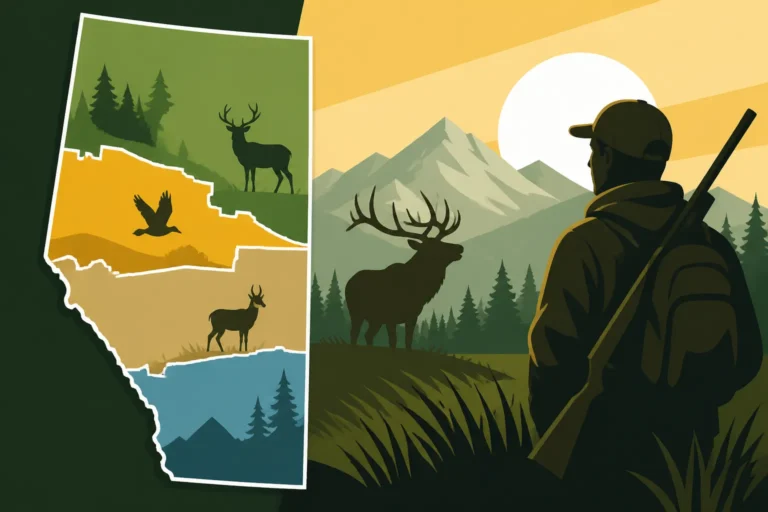
Alberta's landscape is broadly categorized into two main areas: the Green Area, which is predominantly Crown land managed for forestry and recreation, and the White Area, which is primarily privately owned land interspersed with smaller parcels of Crown land, often used for agriculture. For whitetail hunting, this distinction is huge. While the deep Green Area holds whitetails, especially on its fringes and in areas with recent disturbance, the true gems for white-tailed deer often lie in the White Area, or more specifically, the transitional zones where the bush meets the farm fields. This interface provides everything a whitetail needs: dense cover for bedding, abundant food from agricultural crops, and water sources. However, these areas are also typically subjected to much heavier hunting pressure due to their accessibility. Understanding this dynamic is your first step to narrowing down where to look. You can learn more about these distinctions in Alberta's Green Area and White Area.
Navigating Public Land Use Zones and Grazing Leases
Within the Green Area, you'll encounter Public Land Use Zones (PLUZs), which are designated areas with specific rules for recreational use, including hunting. These can offer large tracts of public access, but you'll need to be aware of the specific regulations for vehicle access, camping, and other activities. Whitetails in PLUZs tend to be found in the timbered river valleys, old cutblocks, or along the edges where the PLUZ transitions into private land. In the White Area, particularly the parkland and prairie regions, you'll find Provincial Grazing Reserves. These are large blocks of Crown land leased for cattle grazing, but they are generally open to public hunting during appropriate seasons. They often feature a mix of open grassland, willow thickets, and aspen bluffs, creating fantastic whitetail habitat. However, gaining access and understanding the rules for these areas, including potential communication with leaseholders, is key. Tools like onX Hunt can be incredibly useful for identifying these parcels and understanding their boundaries. Before heading out, always consult the specific regulations for each area. Familiarize yourself with Alberta's Public Land Use Zones Explained and consider how to go about Finding a Grazing Leaseholder's Contact if you plan to hunt a grazing reserve.
Prime Whitetail Habitat on Public Land
Knowing where public land exists is one thing, but understanding what kind of public land holds the best whitetail potential is another. Whitetails are creatures of edge and cover, making certain types of terrain absolute magnets for them.
Aspen Parkland Bluffs and River Valleys
The aspen parkland region, a beautiful mosaic of aspen bluffs, sloughs, and agricultural fields, is classic whitetail country in Alberta. On public land, whether it's a grazing reserve, a small parcel of Crown land, or a larger natural area, any significant patch of aspen bluff surrounded by fields is a prime location. These bluffs offer thermal cover in winter, shade in warmer weather, and sanctuary from hunting pressure. Deer will often bed deep within these bluffs during the day and move out into the fields to feed at dawn and dusk. River valleys, even those cutting through otherwise open prairie, act as natural highways for whitetails. The steep banks, dense riparian vegetation, and often deeper timber provide year-round cover and crucial travel corridors. Hunting these river valley systems on public land can be incredibly productive, as deer will use them to move between feeding areas and more secluded bedding sites, often miles from where they were first seen. Focusing your scouting efforts on these areas, perhaps looking at satellite imagery through platforms like GoHunt, can reveal hidden pockets that hold deer. For more insights on this kind of habitat, check out Hunting Alberta's Aspen Parkland Bluffs and Hunting a River Valley Bottom in Alberta.
Boreal Forest Fringes and Cutlines
While the deep boreal forest might be better known for moose, the fringes of the boreal, particularly where it meets agricultural or settled land, can be fantastic for whitetails. These transition zones offer the best of both worlds: extensive cover from the dense forest and abundant food sources from nearby farms. Old cutlines, seismic lines, and logging roads within these areas are particularly attractive. These linear clearings provide easy travel routes for deer and often grow back with young, nutritious browse plants that whitetails love. When hunters avoid these areas, often preferring the deeper woods for other species, these fringe areas can offer overlooked opportunities. The key is to find public land sections that include these disturbed zones, especially those that haven't been heavily logged recently, allowing a mix of mature timber and new growth. Deer will often browse along the edges of these lines, using the dense timber just off the cutline for security. Understanding how deer use these features is vital, as discussed in Hunting a Cutline Intersection for Whitetails and Hunting an Old Logging Road in the Foothills.
Foothills Bench Country and Creek Bottoms
Moving west towards the mountains, Alberta's foothills present another excellent opportunity for public land whitetails. Here, the landscape is characterized by rolling hills, timbered slopes, and numerous creek bottoms. Whitetails thrive in this broken country, utilizing the elevation changes and varied cover to their advantage. Benches – relatively flat areas on a hillside – often serve as travel corridors or bedding areas, offering deer an elevated position to survey their surroundings. Creek bottoms, with their dense willow and spruce growth, provide critical cover and often consistent water sources, making them natural magnets for deer. Hunting these features on Crown land in the foothills requires more physical effort, as vehicle access might be limited, but this often means less hunter pressure. Focus on connecting pieces of public land that contain these benches and drainages, particularly those that are a good walk from main access points. Scouting these areas thoroughly before the season is essential to understand deer movement patterns. You can find more detail on this in Hunting a Foothills Bench Above a Creek.
Strategies for Success on Public Whitetail Ground
Finding the right public ground is just the first step. To consistently harvest whitetails on these often-pressured lands, you need effective strategies that capitalize on deer behavior and minimize interaction with other hunters.
Scouting Beyond the Roads
The biggest mistake many public land hunters make is only hunting what they can see or access easily from a road. Whitetails, especially mature bucks, quickly learn to avoid areas with heavy human activity. The most productive public whitetail ground often lies a significant walk, bike ride, or even canoe paddle away from any vehicle access. This is where tools like onX Hunt or GoHunt become indispensable. Use satellite imagery and topographic maps to identify isolated blocks of public land, natural funnels, thick cover patches, or creek drainages that are a mile or more from the nearest road or trail. Look for small, un-trekked fingers of timber, or pieces of Crown land that are surrounded by private land but still legally accessible from a single point. Deer will often funnel into these less-pressured pockets, even if they are smaller in acreage. Getting boots on the ground to confirm these spots and locate fresh sign is critical. For advanced tips, consider Scouting With Satellite Imagery in Alberta.
Timing Your Hunt for Less Pressure
Public land sees a lot of hunters, especially during opening week and weekends. To maximize your chances, consider hunting outside these peak times. Mid-week hunts, particularly later in the season, can be far more productive as many hunters have gone home. The whitetail rut in Alberta, typically in early to mid-November, is a fantastic time to be in the woods, but it also draws a crowd. If you're hunting during the rut, focus on the strategies discussed above – getting away from the crowds. Late season hunts, especially after a significant snowfall, can also be very rewarding. Snow helps reveal deer sign, and colder temperatures can make deer move more during daylight hours to feed, though this can also push them towards denser cover for thermal protection. The key is to hunt when others aren't, or to hunt areas that others aren't willing to reach. Learning about Hunting the Rut in Early November can help you time it right.
Adapting to Hunter Pressure
When you can't escape the pressure, you need to adapt. Instead of abandoning a promising area, think about how other hunters are influencing deer movement. Often, other hunters will inadvertently push deer right to you if you're set up in a sanctuary. Look for thick, nasty cover – swamps, dense blowdowns, steep river banks – areas that hunters tend to avoid. Whitetails will often retreat to these places when pressured, and if you're positioned quietly on the downwind side, you might intercept a buck seeking refuge. Still-hunting slowly through heavy cover, taking advantage of wind direction and terrain, can also be effective. Hanging a stand or setting up a ground blind along an escape route, especially one leading from an open field or popular hunting trail into dense bedding cover, can yield results. Be patient, quiet, and persistent. Understanding the typical deer behavior when faced with Opening Weekend Crowds on Alberta Public Land can give you a significant edge.
Key Public Whitetail WMUs to Consider
While naming specific honey holes is counterproductive for public land hunting, understanding the characteristics of WMUs that tend to hold good public whitetail opportunities can guide your search.
WMUs with Diverse Habitat (Parkland/Fringe)
The Wildlife Management Units (WMUs) that offer the best public whitetail hunting often boast a diverse mix of habitat types. Think of the WMUs in the Parkland region or those along the Green Area fringe. These areas typically feature a mosaic of aspen and spruce bluffs, willow thickets, small sloughs, and agricultural fields. This variety provides deer with abundant food, water, and cover within a relatively small home range, making them less prone to long-distance movements unless heavily pressured. Public land parcels in these WMUs, even smaller ones, can hold impressive numbers of whitetails, especially if they are difficult to access or overlooked. Look for WMUs that have a significant percentage of their land in this transitional zone, and then zoom in on the specific public parcels. While Why Parkland WMUs Draw Heavy Pressure is a reality, it also points to where the deer are. Learning to hunt linear features like Hunting a Shelterbelt Between Two Fields can be incredibly effective here.
WMUs with Large Tracts of Crown Land
Conversely, some of the best public land whitetail hunting can be found in WMUs that contain vast, continuous tracts of Crown land. These are often in the northern part of the province, or deeper into the foothills and boreal forest. While the overall deer density might be lower than in the parkland, the sheer size of these areas means deer have ample room to escape pressure, leading to the potential for older, larger bucks. The key here is to embrace the "wilderness hunt" mindset. Expect to walk further, perhaps utilize a mountain bike, ATV (where legal), or even a canoe to get deep into areas where few other hunters venture. Look for WMUs with large river systems, extensive clearcuts (a few years old, providing new browse), or large, mature timber blocks interspersed with younger growth. Finding Which Alberta WMUs Hold the Most Crown Land can be a great starting point for this type of hunting.
River Valley and Badlands WMUs
Don't overlook the WMUs that encompass Alberta's major river valleys and the unique badlands topography, particularly in the southern half of the province. While often associated with mule deer, these areas also hold strong populations of whitetails. The deep coulees, river breaks, and dense riparian zones provide ideal whitetail habitat, offering abundant cover and food in an otherwise open landscape. Public access can sometimes be challenging due to the fragmented nature of land ownership along these river systems, but significant parcels of Crown land, grazing leases, and even some provincial recreation areas can be found. The challenge here is often the steep, broken terrain and the ability to glass large areas to spot deer moving in and out of cover. These river corridors act as major arteries for deer movement and can be incredibly productive if you're willing to put in the effort to navigate them. You can delve into how to hunt these areas with resources like Hunting the Red Deer River Badlands.
Here's a quick overview of public land types and their potential for whitetail hunting:
| Public Land Type | Typical Habitat | Whitetail Potential | Hunter Pressure | Access & Challenges |
|---|---|---|---|---|
| Provincial Grazing Reserve | Grassland, aspen bluffs, willow thickets, sloughs | High, especially in bluffs & thickets adjacent to fields | Moderate to High | Often good vehicle access; need to be aware of cattle and leaseholder considerations. |
| PLUZ (Green Area) | Foothills/Boreal timber, river valleys, clearcuts | Moderate, higher on fringes & disturbed areas | Moderate to High | Can be extensive, but often requires hiking/ATV; diverse regulations. |
| Crown Land (White Area) | Scattered parcels, often bush pockets near farms | Very High, if unpressured and offering good cover/food | Variable | Often small, can be hard to access without crossing private land (seek permission). |
| River/Coulee Breaks | Steep banks, dense riparian cover, timbered pockets | High, excellent travel corridors and thermal cover | Moderate | Can be physically demanding; fragmented access; often multi-species habitat. |
| Old Cutblocks/Seismic Lines | Regenerating bush, young browse, travel routes | High, especially in early successional growth | Moderate | Often found in Green Area; can be difficult to navigate dense regrowth. |
Remember, the best public ground for whitetails isn't just a place on a map; it's a combination of ideal habitat, minimal pressure, and your willingness to scout and hunt smarter than the crowds.
Disclaimer
This article is for general informational purposes only and does not constitute professional advice. Laws, prices and regulations vary by location and change over time. Consult a qualified professional for guidance on your specific situation.