Hunting Alberta’s Cypress Hills
Many hunters, when they think of big game in Alberta, often picture the vast northern forests or the iconic Rocky Mountain foothills. But overlooking the Cypress Hills is a mistake, as this unique ecological island, rising out of the southeastern prairies, presents a distinct set of challenges and incredibly rewarding opportunities for the discerning hunter. This guide will delve deep into what makes hunting the Cypress Hills such a special experience, offering practical advice to help you plan your next adventure in this remarkable region.
The Unique Landscape of Cypress Hills: An Island in the Prairie
The Cypress Hills truly stand apart from the rest of Alberta's hunting landscape. Rising dramatically from the surrounding flat prairie, this elevated plateau is a blend of mixed forest, rolling grasslands, and deeply carved coulees, creating a mosaic of habitats unlike anywhere else in the province. Its unique elevation provides a microclimate that supports diverse flora and fauna, making it a hotspot for several big game species and upland birds.
Geographic Anomaly and Ecological Diversity
Imagine an ancient island of trees, carved by glaciers and sustained by higher elevations, sitting amidst an ocean of golden prairie. That's essentially the Cypress Hills. Unlike much of southern Alberta, which was heavily glaciated, portions of the Cypress Hills remained unglaciated, preserving unique plant communities and providing a refuge for wildlife. This geological history means you'll find lodgepole pine and aspen forests intermingling with fescue grasslands, deep, timbered draws, and spring-fed coulees. This complex terrain isn't just scenic; it dictates how game moves, feeds, and beds, making understanding the geography paramount to success. It’s a place where you might glass a mule deer buck feeding on a windswept ridge in the morning and then track a whitetail through thick timber in a sheltered draw by afternoon.
Diverse Habitats Within the Hills
The ecological richness of the Cypress Hills translates directly into a wide array of hunting environments. From the dense, dark timber patches that offer cover for whitetails and elk, to the open, rolling hillsides where mule deer and pronghorn can be spotted, and the brushy coulee bottoms perfect for upland birds, there's a habitat for every hunting style. You'll encounter areas that feel distinctly boreal, only a short drive from landscapes that are pure prairie. This variety means that hunters need to be versatile, ready to adapt their tactics based on the specific terrain they're in and the species they're pursuing. Learning to read these different habitats and understand what they offer to game animals at different times of the day or season is key. Using tools like Scouting With Satellite Imagery in Alberta can give you an edge in identifying these distinct habitat zones before you even set foot on the ground.
Microclimates and Their Impact on Game
Due to its elevation, the Cypress Hills experiences a unique microclimate. It often receives more precipitation than the surrounding prairie, leading to lush vegetation, and can be significantly cooler, especially in early and late seasons. This cooler, moister environment creates conditions where snowfall can linger longer, influencing game movement and concentration. During periods of drought on the prairie, the Cypress Hills can act as a crucial water and forage sanctuary for deer and elk, drawing them into specific areas. Conversely, a heavy snowfall in the hills might push animals down to lower, more accessible fringes. Understanding these climatic nuances, particularly how they affect feed availability and animal comfort, can help you predict where game might be holding and plan your approach accordingly.
Prime Game Species to Pursue in the Cypress Hills
The diverse habitats and unique ecosystem of the Cypress Hills support a healthy population of several sought-after game species. While deer are undoubtedly the main attraction, opportunities for elk, moose, and various upland birds also exist, making it a truly multifaceted hunting destination.
Deer Abundance and Challenges: Whitetail and Mule Deer
The Cypress Hills are renowned for both white-tailed deer and mule deer, offering hunters a chance at either species, often in close proximity. Whitetails thrive in the timbered draws, aspen bluffs, and brushy pockets that characterize much of the hills. They can be elusive, using the thick cover to their advantage, especially when pressured. Whitetail Hunting in Alberta often involves careful still-hunting or setting up ambushes along their travel corridors. Mule deer, on the other hand, are often found higher up on the open ridges, coulee slopes, and in sparser timber. Their preferred tactic often involves glassing vast areas and then executing a patient spot-and-stalk. The challenges lie in the density of the cover for whitetails and the expansive, often windy, terrain for mule deer. Patience and a good pair of optics are essential for both.
Elk and Moose Opportunities
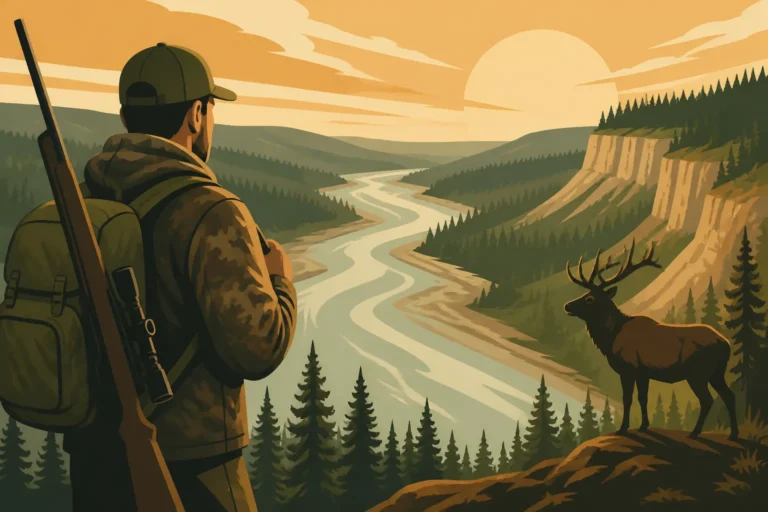
While not as prevalent as deer, the Cypress Hills do hold resident elk and moose populations, providing exciting draw-only opportunities for those lucky enough to secure a special license. Elk tend to frequent the larger timber blocks and often utilize the mix of forest and open grassland for feeding. Hunting Elk Hunting Alberta's Foothills strategies can sometimes be adapted here, focusing on their patterns between bedding and feeding areas. Moose are typically found in the wetter, boggy areas, near springs, or in dense willow bottoms, particularly along the northern fringes of the plateau. These opportunities are highly localized and often require extensive scouting to locate their preferred habitats. If you manage to draw a tag, be prepared for some physically demanding hunting in dense cover.
Upland Birds and Predators
Beyond big game, the Cypress Hills is a fantastic destination for upland bird hunters. Hungarian partridge and sharp-tailed grouse are found throughout the region, utilizing the mosaic of grasslands, brushy coulees, and shelterbelts. Walking the edges of fields or the brushy bottoms of coulees can lead to flushing coveys of Huns or bursting groups of sharptails. Upland Bird Hunting in Alberta in the Cypress Hills offers a different flavour than the pure prairie, with more cover and varied terrain. Additionally, coyotes are abundant, providing year-round predator hunting opportunities. Calling coyotes into the open coulees or along the field edges can be a thrilling experience. For those with a cougar tag and a suitable quota, the hills also provide habitat for these elusive big cats, though this requires very specific conditions and typically specialized methods.
| Species | Preferred Habitat (Cypress Hills) | Typical Hunting Strategy | Season Dates (General) | Notes |
|---|---|---|---|---|
| White-tailed Deer | Timbered draws, aspen bluffs, thick brush | Still-hunting, stand hunting | Early Bow – Late Rifle | Abundant, can be very elusive in heavy cover |
| Mule Deer | Open ridges, coulee slopes, sparser timber | Glassing, spot-and-stalk | Early Bow – Late Rifle | Good numbers, often visible from a distance |
| Elk | Large timber blocks, forest/grassland edges | Draw-only, bugling (rut), still-hunting | Limited Draw Dates | Localized pockets, challenging to locate |
| Moose | Wet areas, springs, dense willow bottoms | Draw-only, still-hunting in cover | Limited Draw Dates | Highly localized, found in specific wet habitats |
| Hungarian Partridge | Field edges, shelterbelts, brushy coulees | Walking up, flushing with dogs | Fall Season | Strong populations, excellent bird hunting opportunities |
| Sharp-tailed Grouse | Grasslands, coulee edges, open timber | Walking up, flushing with dogs | Fall Season | Widespread, often found in larger coveys |
| Coyote | Open prairie, coulees, field edges | Calling, spot-and-stalk | Year-round | Abundant, provides consistent predator hunting |
Navigating Access and Boundaries in and Around the Hills
Hunting in the Cypress Hills requires a keen understanding of land designations and access rules, as the area is a complex patchwork of provincial park, surrounding Wildlife Management Units (WMUs), Crown Land, and private holdings. Knowing where you can and cannot hunt is not just good practice; it's the law.
Understanding WMUs and Park Zones
The Cypress Hills area is primarily covered by a few key WMUs, most notably WMU 116 for the main plateau and surrounding areas, and often WMUs like 108 or 118 for the adjacent prairie. However, a significant portion of the core Cypress Hills is designated as Cypress Hills Provincial Park, which has specific regulations regarding hunting. While hunting is generally permitted in designated portions of Hunting Cypress Hills Interprovincial Park and the surrounding Crown Land within the WMUs, the provincial park itself has areas where hunting is either restricted or entirely prohibited. This means relying solely on a general WMU map isn't enough; you need to consult detailed provincial park maps and the current Alberta hunting regulations to understand the precise boundaries of huntable areas. Utilizing a mapping application like onX Hunt becomes invaluable here, as it can clearly delineate public and private boundaries, as well as park zones, helping you stay on the right side of the law and avoid accidental trespass.
Securing Private Land Permission
Just like much of Alberta's agricultural regions, the lands immediately surrounding the Cypress Hills are predominantly private. Many of the lower coulees and prime feeding grounds for deer and elk can be on private property. Gaining access to these lands requires diligent effort and respect for landowners. Knocking on doors well in advance of the season, being polite and prepared, and offering to share some of your harvest can go a long way. Building a good relationship with a landowner can open up exclusive hunting opportunities that see far less pressure than public lands. Always carry written permission if possible, and understand the specific rules the landowner has for their property. For more detailed advice, read up on Asking an Alberta Landowner for Permission.
Public Land Use and Restrictions
Outside of the provincial park proper, there are tracts of Crown Land and grazing leases within the Cypress Hills WMUs that offer public hunting access. These areas are often sought after, especially during peak seasons. While they provide fantastic opportunities, they also tend to see more hunter pressure. Understanding the specific rules for vehicle access on Crown Land, camping regulations, and ethical considerations for sharing the resource are vital. Some areas may have specific Public Land Use Zone (PLUZ) designations or rules around off-highway vehicle use. Always check the Alberta Environment and Parks website or local Fish and Wildlife office for the most current information regarding public land access and any seasonal restrictions, such as fire bans, that could impact your hunt.
Effective Hunting Strategies for the Cypress Hills Terrain
Hunting in the Cypress Hills demands a versatile approach, blending strategies typically used in prairie, foothills, and even boreal environments. Success often hinges on adapting your tactics to the specific terrain you're in and the behavior of the animals you're pursuing.
Glassing the Open Slopes and Coulees
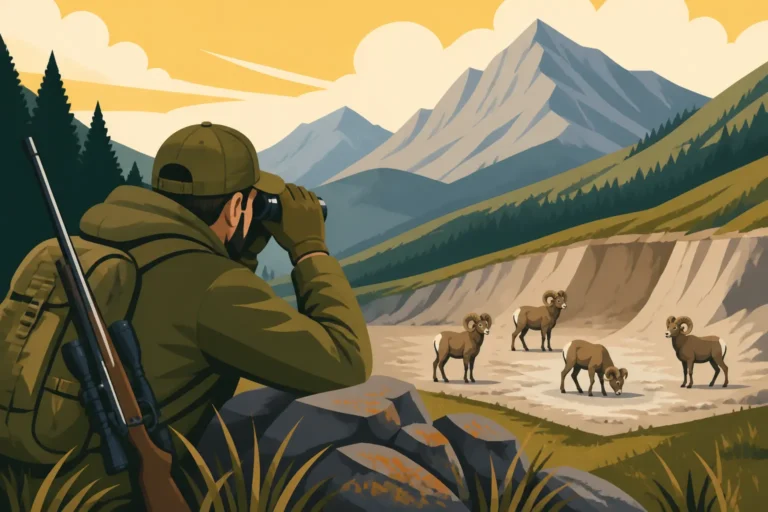
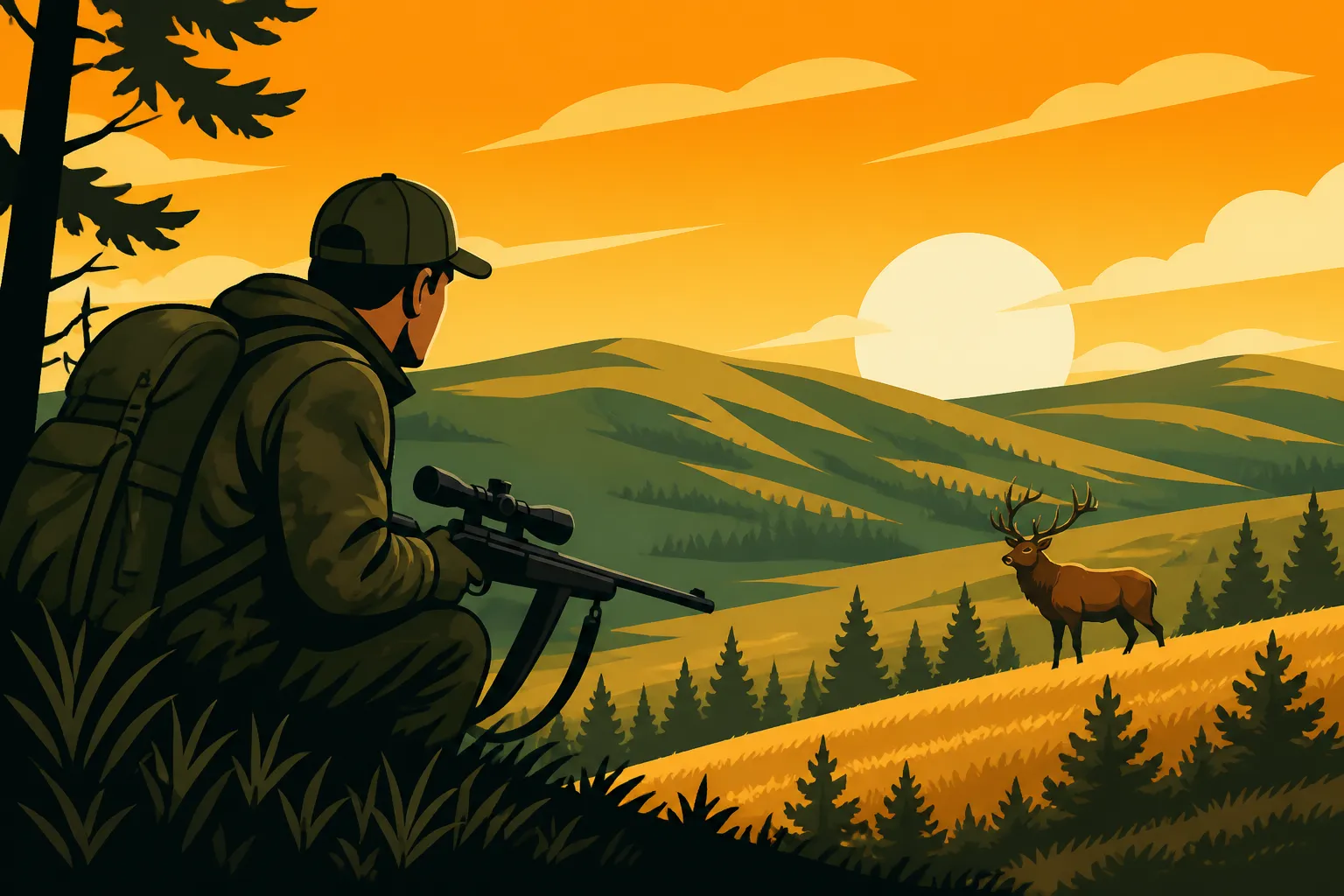
For mule deer and often elk, the rolling, open slopes and expansive coulees are prime areas for glassing. A good pair of binoculars or a spotting scope, mounted on a tripod, will be your best friends here. Find a high vantage point at first light or last light and systematically pick apart the hillsides, draws, and timber pockets. Animals will often be feeding or moving between bedding and feeding areas during these times. Pay close attention to subtle movements, the flick of an ear, or an unnatural shape against the natural contours of the land. Once an animal is spotted, planning a careful stalk that utilizes the terrain for cover is crucial in this open country. This method is also effective for locating coyote or even potential areas where upland birds might be holding. Using a sophisticated mapping system like the one offered by onX Hunt can help you mark game sightings and plan your approach, taking into account elevation changes and available cover.
Still-Hunting the Timber Pockets
Whitetails, and sometimes elk and moose, prefer the thicker timber stands and dense brush within the Cypress Hills. When the wind is right and the ground is damp, still-hunting these areas can be incredibly productive. Move slowly, taking one or two steps, then stopping for several minutes to listen and observe. Look for horizontal lines (the backs or bellies of animals) in a vertical world of trees. Pay attention to fresh tracks, rubs, and scrapes, which indicate active deer movement. The goal isn't to cover ground quickly, but to move stealthily enough to spot an animal before it spots you. Reading Whitetail Sign in Alberta Aspen Bluffs is a skill that translates well to the Cypress Hills' wooded areas, helping you identify prime ambush points or active feeding zones. This requires immense patience and a keen eye for detail.
Adapting to Different Seasons
The Cypress Hills offers hunting opportunities across the archery, general rifle, and late seasons, each demanding different strategies. During the early archery season, animals are often predictable, sticking to consistent feeding and bedding patterns. As the rifle seasons progress, increased pressure will make animals more wary, driving them into thicker cover or into nocturnal patterns. The Hunting the Rut in Early November can be an exciting time for whitetails, where calling and rattling can be effective. Late-season hunting, especially after a fresh snowfall, can offer excellent tracking opportunities and push animals to specific winter ranges for food and shelter. The microclimate means early snow can often provide tracking conditions when the surrounding prairie is still bare. Understanding Alberta Big Game Season Dates for your specific WMU will guide your planning.
Essential Regulations and Planning for Your Cypress Hills Hunt
A successful and legal hunt in the Cypress Hills, or anywhere in Alberta, relies heavily on understanding and adhering to the provincial regulations. Beyond just knowing the season dates, you need to be aware of species-specific rules, CWD testing requirements, and the necessity of proper planning.
Key WMU Details and Draw Considerations
As mentioned, the core hunting area of the Cypress Hills is primarily WMU 116, but adjacent WMUs such as 108 and 118 also play a role depending on what you're targeting. Each WMU has specific regulations regarding general season dates, bag limits, and whether certain species are available through a general tag or a special draw. For species like elk and moose, you will almost certainly need to apply for a special license draw for specific WMUs. It's crucial to check the current Alberta Hunting Regulations every year, as rules can change. Tools like GoHunt or other online resources can sometimes provide historical draw odds, helping you decide which WMUs to apply for if you're targeting a draw-only species. Remember that drawing a tag often means you're reset on priority points, so choose your draws wisely.
CWD and Carcass Transportation
Chronic Wasting Disease (CWD) is a serious concern for Alberta's deer and elk populations, and the Cypress Hills region falls within a mandatory CWD submission zone. This means that if you harvest a deer or elk in WMU 116 (and other designated WMUs), you are legally required to submit the animal's head for CWD testing. Failure to do so can result in significant penalties. You also need to be aware of carcass transportation rules, especially if you plan to leave the mandatory CWD submission zone. Generally, you can only transport the whole carcass within the CWD zone; outside the zone, only the deboned meat, skull plate, antlers, and hide are permitted. This is a critical regulation to understand before you even hit the field. Familiarize yourself with Alberta's CWD Testing Requirements and the locations of CWD freezer drop-off sites.
Preparing for Your Hunt
Preparation is everything in a diverse and potentially rugged area like the Cypress Hills. Beyond securing the right licenses and understanding regulations, consider the practical aspects of your trip.
- Gear: You'll need versatile clothing suitable for changing weather conditions, as the microclimate can bring unexpected cold or precipitation. Good optics are non-negotiable for glassing. Comfortable, broken-in boots are essential for traversing varied terrain. A reliable GPS or mapping app (like onX Hunt) is crucial for navigation, especially when distinguishing between public and private lands, and understanding the complex park boundaries. Don't forget a quality knife, game bags, and a way to retrieve your animal.
- Physical Fitness: While some areas are accessible by vehicle, many of the best hunting spots require hiking, often through uneven terrain and dense cover. Even glassing from a ridge can mean a long hike up. Being in good physical condition will significantly enhance your enjoyment and success.
- Accommodation: The Cypress Hills area offers various accommodation options, from camping in designated provincial park campgrounds to motels in nearby towns like Elkwater, Walsh, or Medicine Hat. Book well in advance, especially during popular hunting seasons.
- Scouting: Even if you can't do physical scouting, virtual scouting with satellite imagery is invaluable. Identify potential bedding areas, feeding zones, water sources, and travel corridors. Look for changes in vegetation, terrain features, and access points. Reading an Alberta WMU Map Before You Go in combination with digital tools can give you a significant advantage.
Disclaimer
This article is for general informational purposes only and does not constitute professional advice. Laws, prices and regulations vary by location and change over time. Consult a qualified professional for guidance on your specific situation.