Hunting Suffield’s Controlled Hunts
For many hunters in Alberta, the thought of accessing pristine, low-pressure hunting ground feels like a distant dream, especially in a province where good spots can see a lot of activity. But there's a unique opportunity that stands apart: the controlled hunts on Canadian Forces Base (CFB) Suffield. This guide is dedicated to breaking down everything you need to know about these special hunts, from understanding the draw system to preparing for the unique challenges and immense rewards of hunting within this incredibly restricted and wildlife-rich area.
What Are Suffield's Controlled Hunts and Why Are They Special?
Imagine thousands of acres of wild, untouched prairie, coulees, and river breaks, largely free from the constant human pressure that many other hunting areas experience. That's a glimpse into the allure of CFB Suffield. It's a truly unique hunting opportunity, not just in Alberta, but across North America.
The Unique Landscape of CFB Suffield
CFB Suffield is absolutely massive, stretching across southeastern Alberta. It's primarily a military training area, which means public access is severely restricted throughout the year. For hunters, this restriction is a double-edged sword. On one hand, you can't just drive in and scout whenever you want. On the other, the limited human disturbance has allowed wildlife populations, particularly mule deer and pronghorn, to flourish in ways rarely seen elsewhere. The landscape itself is a beautiful mosaic of native prairie grasslands, deep river coulees carved by the South Saskatchewan River, and pockets of brush that offer incredible cover. It’s a harsh, unforgiving environment, but one that rewards careful observation and a deep appreciation for wild places. The ecosystem within Suffield is largely intact, a rare gem in an increasingly developed world, making it a critical habitat for a variety of species.
How Controlled Hunts Work for Game Management
Unlike general hunting seasons where a valid licence allows access to designated areas, controlled hunts are precisely what they sound like: highly managed hunting opportunities with very limited entry. The primary purpose of these hunts, especially on a sensitive area like CFB Suffield, is focused on conservation and meticulous game management. By controlling the number of hunters, the specific species targeted, and even the sex and age class of animals that can be harvested, wildlife managers can maintain healthy populations, ensure a balanced ecosystem, and provide a high-quality hunting experience. It’s not just about taking an animal; it’s about participating in a carefully orchestrated effort to sustain wildlife in a truly special environment. These hunts are a far cry from the free-for-all feeling some general seasons can have; they are about precision and purpose, creating a hunting experience that many consider to be among the best Alberta has to offer.
Navigating the Application Process for Suffield
Getting a tag for Suffield isn't like walking into your local vendor and buying a general licence. It requires understanding a specific draw system and adhering to strict guidelines. The effort is well worth it, but it starts long before you ever set foot on the base.
Essential Prerequisites Before Applying
Before you can even dream of drawing a Suffield tag, you need to ensure all your basic Alberta hunting requirements are in order. First and foremost, you'll need a valid Alberta's WIN Card and Wildlife Certificate. These are your fundamental documents for participating in any hunting activity in the province. Think of them as your hunting ID and your foundational licence. Beyond that, successful completion of the Alberta Hunter Education Requirements is mandatory for all first-time hunters in Alberta. This course covers everything from firearm safety to ethical hunting practices and species identification, ensuring you're a responsible and knowledgeable participant. It’s not just a hoop to jump through; it’s vital information that keeps everyone safe and respects the wildlife we pursue. Furthermore, because Suffield is a military base, there might be additional security clearance or specific safety briefings required even before you apply, so always check the most current regulations for any additional steps.
The Suffield Draw: Understanding the System
The Suffield hunts fall under Alberta's Special Licence Draws, which means you'll be entering a lottery system to earn your tag. This isn't a guaranteed purchase; it's a chance. The draw is competitive, particularly for popular species like antlered mule deer. To apply, you'll go through the standard AlbertaRELM system, just like you would for any other draw. It's crucial to understand How Alberta's Draw Application Works, including deadlines and how to select your preferred WMUs (Wildlife Management Units) and species. Suffield is typically covered by specific WMUs, which will be clearly indicated in the regulations. You'll often find opportunities for species like Mule Deer in Alberta's Open Country and Pronghorn on Alberta's Southern Prairie, sometimes with specific tags for antlered or antlerless animals. Applying as a party is also an option, which can be a great way to hunt with a trusted partner if both of you are drawn. Just be aware that if any member of your party is drawn, all members are considered successful and will reset their priority points.
Maximizing Your Odds and What to Expect
While the draw is a lottery, there are strategies you can employ to potentially increase your chances over time. The key is understanding How Priority Points Build and Reset. Every year you apply for a special licence and are unsuccessful, you gain a priority point for that species. The more points you accumulate, the better your odds in future draws. For a highly sought-after hunt like Suffield, building up priority points over several years is often the most realistic path to success. You might also consider applying for less popular tags, such as antlerless opportunities, which often have higher draw odds and still offer the unique experience of hunting Suffield.
When you are fortunate enough to be drawn, the real planning begins. You'll receive notification, usually via email or through the AlbertaRELM portal. This will outline the specific hunt dates, which are often very short and precise (e.g., a few days within a particular week). Crucially, you'll be provided with information about mandatory hunter orientations, which typically cover strict safety protocols, boundary limitations, check-in/check-out procedures, and any active military training areas to avoid. These orientations are not optional; they are essential for your safety and for maintaining access to this unique area.
Here's a quick look at some general characteristics you might find in Suffield's controlled hunts:
| Species | Typical Hunt Type | Access & Logistics | Key Challenge |
|---|---|---|---|
| Mule Deer | Antlered/Antlerless | Specific entry/exit points, mandatory orientation | Reading topography, limited ground scouting |
| Pronghorn | Antlered/Antlerless | Strict vehicle travel, vast open spaces | Spotting and stalking in minimal cover |
| Elk | Antlered/Antlerless | Highly limited, often very high priority required | Navigating dense river breaks, elusive |
Note: Specific species and hunt types vary year-to-year based on wildlife management goals, always check current regulations.
Preparing for a Successful Suffield Hunt
Drawing a tag is only half the battle; the real work begins with meticulous preparation. Hunting on a military base with restricted access means standard hunting practices need to be adapted, and safety must always be paramount.
Understanding the Unique Rules and Safety Protocols
Hunting on CFB Suffield is unlike hunting anywhere else in Alberta due to its status as an active military installation. The rules are strict, non-negotiable, and designed to ensure both hunter safety and operational security. You will be provided with detailed maps outlining designated hunting areas, exclusion zones, and specific travel corridors. It's imperative to adhere to these boundaries precisely. Off-roading is almost universally prohibited; you must stay on marked roads. There will be mandatory check-in and check-out procedures, often daily, to account for all hunters on the base. Neglecting these can lead to serious consequences, including fines and revocation of hunting privileges.
Expect mandatory safety briefings that will cover everything from unexploded ordnance (UXO) awareness to wildlife encounters and emergency procedures. Alberta Blaze Orange and Safety Rules will definitely apply, and often enhanced visibility requirements are enforced, so be sure your gear is up to snuff. Respect for the land and the military operations is paramount. You are a guest in a sensitive area, and your conduct directly impacts future access for all hunters.
Scouting and Strategy for Unfamiliar Territory
One of the biggest challenges for a Suffield hunter is the limited opportunity for pre-season scouting. You simply can't wander the base weeks beforehand looking for deer. This is where modern technology becomes your best friend. Tools like onX Hunt or GoHunt are absolutely invaluable. These apps allow you to meticulously scout from your computer or tablet, identifying terrain features, coulees, pinch points, and potential bedding areas using satellite imagery. You can mark waypoints, measure distances, and visualize the topography, which is essential for developing a strategy. Consider this your "virtual boots on the ground" scouting.
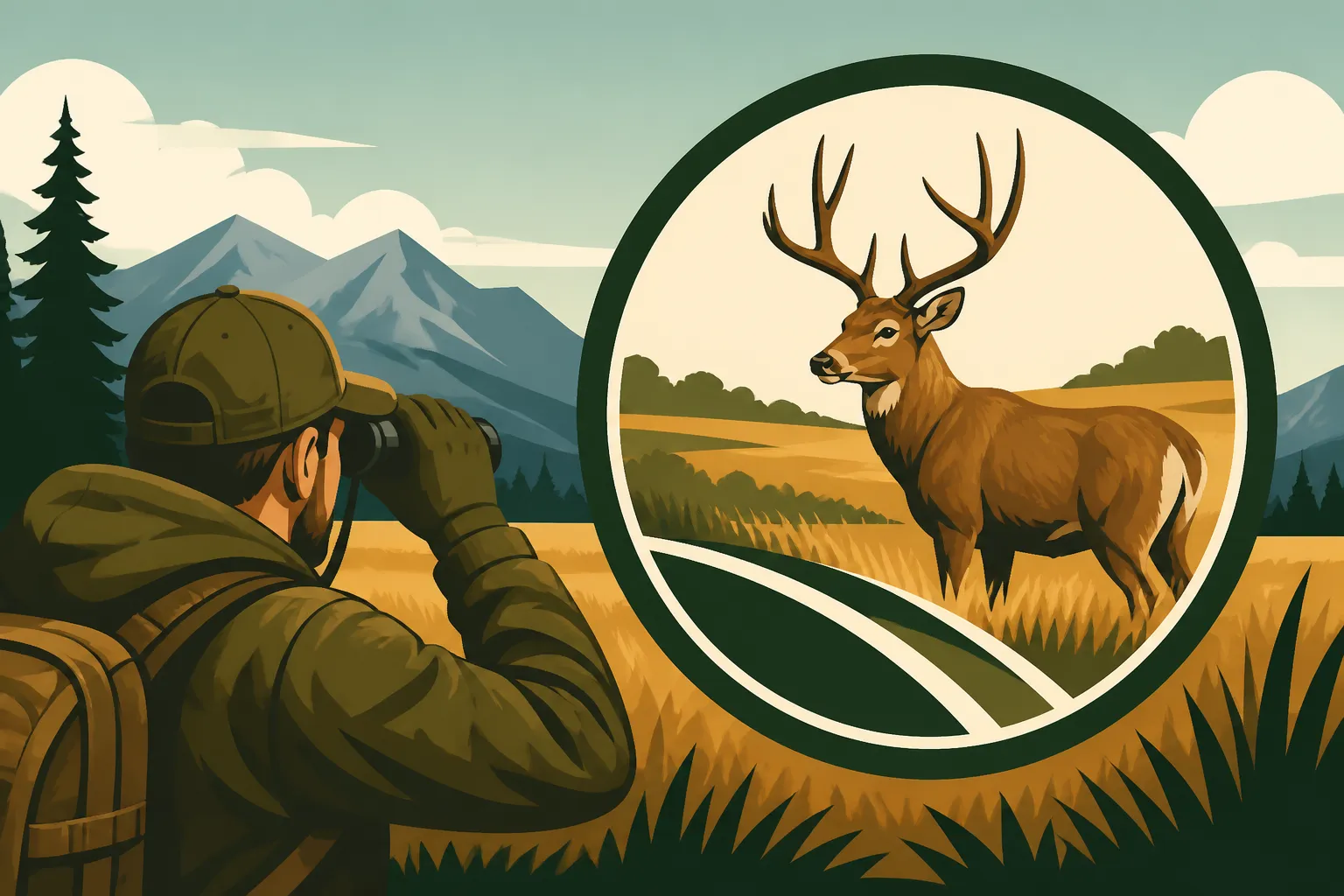
When you do arrive on the base, your strategy will likely involve a lot of glassing. The vast, open nature of much of Suffield's terrain is perfect for Glassing an Alberta Coulee for Mule Deer or spotting pronghorn from a distance. Set up with a good spotting scope and binoculars, find a vantage point, and spend hours picking apart the landscape. Focus on the edges of cover, the bottoms of draws, and any areas where game might seek shelter from the elements. Understanding how deer and pronghorn use areas like Hunting a Prairie Coulee Bottom or open ridges for feeding and bedding will be critical. Since your time on the ground might be short, maximizing your glassing time can dramatically increase your success.
Gear and Logistics for a Restricted Hunt
Your gear selection for Suffield needs to be robust and reliable. Given the vastness of the area and the potential for long distances from support, a reliable 4×4 vehicle is often a necessity. Ensure it's in top mechanical condition, and always carry a comprehensive Winter Truck Kit for an Alberta Hunt, even if you're not hunting in deep winter, as weather can change rapidly on the prairie. Extra fuel, a spare tire, jumper cables, and recovery gear are not luxuries; they are essentials.
Because the hunts are time-sensitive and remote, proper meat care is crucial. Be prepared to field dress quickly and efficiently. Understand how to manage game in various temperatures, especially if you get a warmer day. Meat Care in Alberta's Cold and Warm Swings can be a major factor, as prairie temperatures can fluctuate wildly. Have a plan for getting your animal out of the field and to a cooler or processor promptly. Think about everything you might need for the duration of your hunt, as quick trips to town for forgotten items are often not feasible due to the access restrictions. This includes plenty of water, food, navigation tools (GPS and physical map/compass as backup), and appropriate clothing for all weather conditions.
The Experience of Hunting on Suffield
Beyond the logistics and the draw odds, the actual experience of hunting Suffield is what truly sets it apart. It’s an opportunity to connect with a unique piece of Alberta's wilderness in a way few ever do.
Target Species and Their Habits Within Suffield
The primary big game species targeted during Suffield's controlled hunts are typically Mule Deer in Alberta's Open Country and Pronghorn on Alberta's Southern Prairie. Because the area sees such limited pressure, these animals can sometimes exhibit different behaviors than those in more heavily hunted zones. Mule deer often grow to impressive sizes, finding ample feed and undisturbed bedding in the myriad coulees and river breaks. Stalking them requires patience and skill, using the broken terrain to your advantage. Pronghorn, with their incredible eyesight and speed, thrive in the open grasslands. Hunting them can involve long, strategic stalks across vast, exposed ground, often challenging the most seasoned hunter. Due to the limited human presence, you may also encounter elk, though these tags are exceptionally rare and highly coveted, or even the occasional Coyote Hunting Alberta Farm Country.
The Ethical Hunter's Role on Military Land
Participating in a Suffield hunt carries an even greater ethical responsibility than usual. You are not just representing yourself, but the entire hunting community, and your actions directly influence the future of this unique access. This means absolute adherence to all regulations – no exceptions. Properly Alberta Tag Attachment and Cancellation Rules immediately upon harvest is critical. It means respecting the wildlife, avoiding reckless shots, and ensuring a clean harvest. It also means showing utmost respect for the military personnel and the environment. Leave no trace, pack out everything you pack in, and report any observed violations or hazards. Ethical conduct is not just about following rules; it's about being a steward of this extraordinary resource.
Beyond the Harvest: Appreciating the Opportunity
While filling a tag is always the goal, the true reward of hunting on Suffield often extends far beyond the harvest. It’s the sheer privilege of being in such a wild, restricted, and untouched environment. It's the challenge of adapting your hunting skills to a unique landscape and a highly regulated system. It's the satisfaction of drawing a coveted tag and successfully executing a hunt under stringent conditions. You'll witness incredible sunrises and sunsets over expansive prairie, hear the sounds of the wind across untouched grasslands, and perhaps even spot species rarely seen elsewhere. This is an unparalleled opportunity to experience conservation in action and to gain a deeper appreciation for both Alberta's wildlife and the efforts required to protect these special places. For many, it's not just a hunt; it's a profound wilderness experience. Utilizing tools like Scouting With Satellite Imagery in Alberta becomes an integral part of this preparation, allowing you to connect with the landscape even before you arrive.
Disclaimer
This article is for general informational purposes only and does not constitute professional advice. Laws, prices and regulations vary by location and change over time. Consult a qualified professional for guidance on your specific situation.