Retrieving Game From Private Land in Alberta
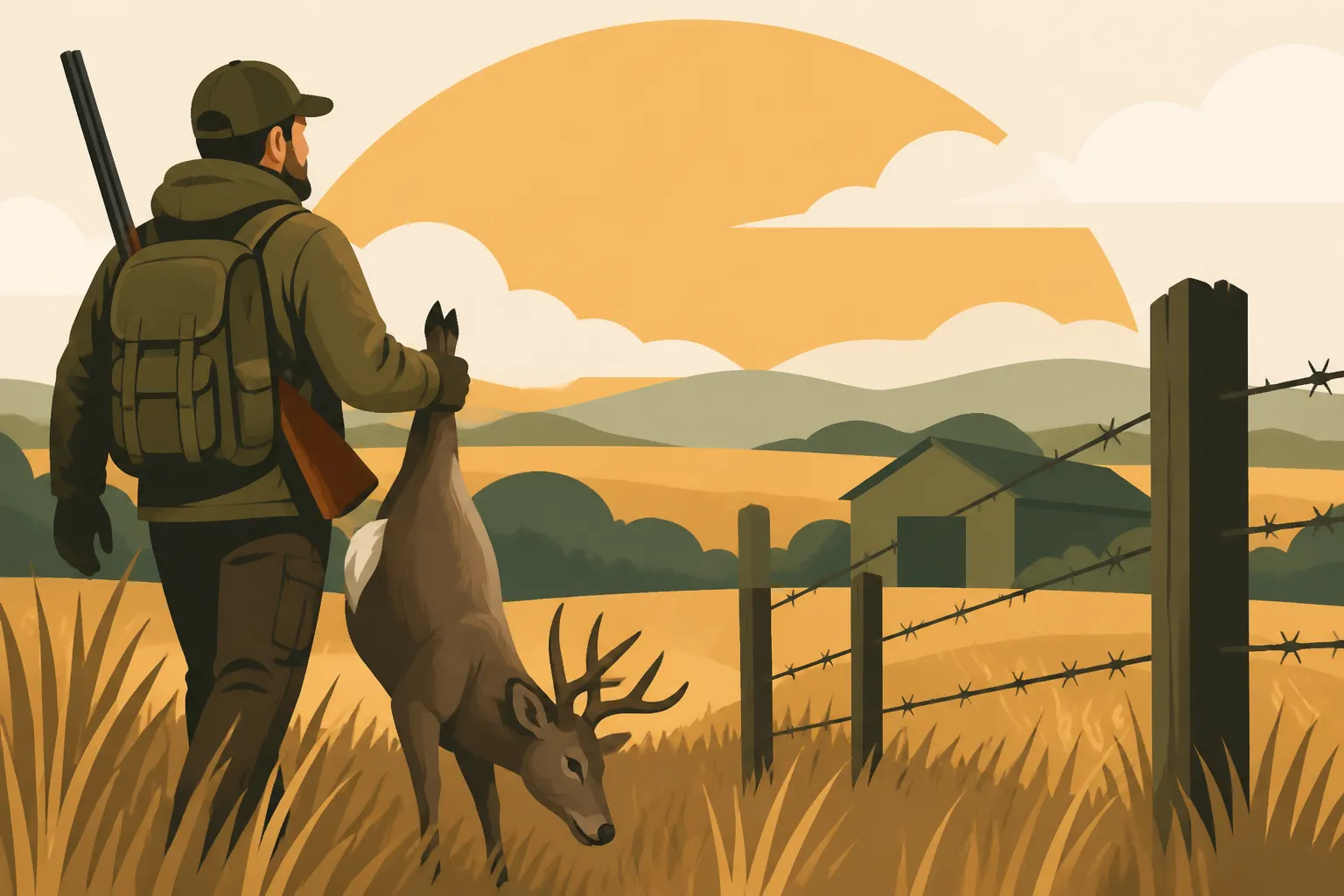
There are few things more gut-wrenching for a hunter than making a good shot on an animal, watching it run, and then realizing it just crossed a fence onto private land. The immediate rush of adrenaline turns into a knot of anxiety as you stand there, torn between your ethical responsibility to recover your game and the very real legal boundaries that suddenly stand in your way. This guide is here to walk you through the often frustrating, sometimes successful, process of retrieving game from private land in Alberta, focusing on legalities, best practices, and how to avoid this tough situation altogether.
Understanding Alberta's Trespass Laws and Hunter Responsibilities
Navigating the landscape of private land in Alberta requires a clear understanding of the law. It's not just about what you want to do, but what you can do, legally and respectfully.
The Trespass Act and Its Implications for Hunters
In Alberta, the Trespass Statutes (Trespass to Premises Act and Petty Trespass Act) are very clear: you cannot enter private property without permission. This isn't just a suggestion; it's the law. If a landowner has posted "No Trespassing" signs, a fence, or even if the property simply isn't yours, you are generally considered to be trespassing if you step foot on it without explicit consent. This applies whether you're carrying a rifle or just looking for a lost hat.
The implications for hunters can be severe. Pursuing game onto private land without permission, even if you just shot it, is considered trespassing. Penalties can range from fines to more serious charges, and it can certainly jeopardize your hunting privileges. It's a tough pill to swallow when you know your animal is just yards away, but knowingly breaking the law puts you, and all hunters, in a bad light. Always remember that even if you're hunting adjacent Crown land, its boundaries are absolute. It’s crucial to understand Alberta Trespass Act and Hunting before you even step into the field.
Hunter's Ethical Duty vs. Legal Restrictions
As hunters, we share an inherent ethical duty to recover any animal we shoot. It's a cornerstone of responsible hunting – minimizing waste, ensuring a clean kill, and honoring the animal. This ethical code is deeply ingrained in us, and the thought of leaving an animal to waste is abhorrent.
However, this ethical duty, as strong as it is, does not override the law. You cannot legally trespass to fulfill an ethical obligation. This is where the emotional and practical conflict arises. You might feel a profound sense of responsibility, but you must still operate within the legal framework. Ignoring property rights not only puts you at risk but also damages the reputation of all law-abiding hunters. It reinforces negative stereotypes and can lead to stricter access rules for everyone.
Best Practices for Gaining Permission to Retrieve Game
When an animal crosses onto private property, your first and most critical action is to stop, assess, and formulate a plan that prioritizes gaining permission.
Immediate Steps When Game Crosses Property Lines
The moment your animal disappears onto private land, resist the urge to immediately follow. Your first step should be to clearly mark where the animal crossed the property line. Use flagging tape, a natural landmark, or drop a piece of gear if you have to. This precise marker will be invaluable when you speak to the landowner. Then, secure your firearm or bow in your vehicle or at a safe, legal spot before approaching. You want to present yourself as a responsible, non-threatening individual, not someone about to "storm" their property.
Next, identify the landowner. This is where modern tools shine. Apps like onX Hunt or even Alberta's Recreational Access Mapping Tool can quickly show property lines and often provide landowner contact information or at least identify the specific parcel. This information allows you to approach the correct person directly. If you can't find contact info, look for the closest residence or farm buildings. Don't assume the first person you see is the owner; ask politely. Having a clear idea of Finding Alberta Public Land Boundaries and Using Alberta's Recreational Access Mapping Tool can save you a lot of headache.
Approaching the Landowner: Tips for Success
Approaching a landowner requires tact, respect, and humility. The success of your retrieval often hinges on this interaction. Try to approach during reasonable daylight hours, avoiding very early mornings or late evenings unless it's genuinely urgent (like impending darkness and a fresh track). Remove your hat, make eye contact, and introduce yourself clearly. Explain calmly and concisely what happened: "Hi, my name is [Your Name], I was hunting on the adjacent public land/my permitted land, and I just shot a deer/moose that appears to have run onto your property. I'm very sorry for the inconvenience, but I was hoping you might grant me permission to quickly retrieve it."
Be prepared for any reaction, from immediate consent to outright refusal. If they seem hesitant, offer to leave your weapon and walk onto their land with them to show them where the animal went. Offer to retrieve it quickly and leave no trace. If they express concerns about damage or safety, address them respectfully. This is where previous experience with Asking an Alberta Landowner for Permission or even general positive community engagement can really pay off. Remember, you're asking for a favour, not demanding a right. Resources like GoHunt often publish articles emphasizing the importance of positive landowner relations, and this is exactly why.
What to Offer and What to Expect
Sometimes, a simple, heartfelt "thank you" and a promise to be quick and respectful is all it takes. Other times, you might consider offering a gesture of goodwill. This could be offering to help with a small chore on their property, like closing a gate, fixing a fence, or even just offering to share some of the meat if the animal is successfully recovered. The goal is to build rapport, even in a brief interaction.
Expect that landowners have varied experiences with hunters, and some may have legitimate concerns or past negative encounters. They might be worried about damage to their fields, livestock, or simply don't want strangers on their property. A "no" is a definitive answer, and you must respect it without argument. While it's incredibly difficult to walk away from an animal, arguing or being disrespectful will only solidify their stance and burn bridges for other hunters. A good relationship could even open doors for future hunting opportunities, but only if you leave a positive impression. Building these connections is vital, as outlined in articles like Knocking on Doors in Alberta Farm Country.
Legal Avenues and Alternatives if Permission is Denied
So, you've tried your best, but the landowner has still refused access. What now? It’s a tough spot, but there are still proper channels to consider, and unfortunately, sometimes, acceptance is the only recourse.
Contacting Fish and Wildlife Officers
If a landowner refuses you access to retrieve legally harvested game, and you believe the meat will be wasted, you can contact your local Fish and Wildlife Enforcement Services. It's important to understand their role: they are primarily concerned with wildlife regulations, not private property disputes. They cannot compel a landowner to grant you access. However, in situations where an animal is clearly visible on the property, and the landowner's refusal would lead to the unlawful waste of game, an officer might intervene as a mediator.
They may attempt to contact the landowner themselves, explain the regulations regarding wasting game, and see if they can facilitate a retrieval. This isn't a guarantee, and it largely depends on the specific circumstances, the officer's discretion, and the landowner's willingness to cooperate. Calling them should be a last resort after you have exhausted all polite avenues with the landowner. They are not there to enforce your right to retrieve, but to enforce wildlife regulations, which includes preventing wanton waste of game.
Understanding "Wasting Game" and its Nuances
Alberta's hunting regulations prohibit the "wasting" of game meat. This means you are legally obligated to make every reasonable effort to retrieve and utilize the edible portions of an animal you harvest. The conflict arises when a landowner's refusal to grant access directly prevents you from fulfilling this legal obligation. This is a very sensitive area, as a hunter's inability to retrieve due to denied access might be seen as an unavoidable circumstance, rather than deliberate waste.
However, if you don't make a reasonable effort to gain permission, or if you trespass and are caught, you could face charges related to both trespassing and potentially wasting game. This is why documenting your efforts to contact the landowner and their refusal is so important. If Fish and Wildlife are involved, they will assess whether all reasonable steps were taken. The goal is to show due diligence on your part, even if the outcome isn't what you hoped for. Proper Meat Care in Alberta's Cold and Warm Swings begins the moment an animal is down, and being denied access jeopardizes this from the start.
Documenting Your Efforts and Accepting Outcomes
In any scenario where permission is denied, thorough documentation is key. Note down the exact date and time you attempted to contact the landowner, who you spoke with (if possible), what was said, and the precise location where the animal crossed. If you used a mapping app like onX Hunt, take screenshots. This information can be crucial if you need to involve Fish and Wildlife, or if any future questions arise.
Ultimately, despite your best efforts, you might still face a firm "no." In these situations, the hardest part of ethical hunting is accepting that sometimes, recovery is simply not possible within the bounds of the law. Walking away from a downed animal is painful, but it's a responsible choice when faced with lawful refusal. It speaks volumes about your respect for the law and for private property rights. Focus on learning from the experience and implementing strategies to prevent it from happening again.
Proactive Strategies to Avoid This Situation
The absolute best way to deal with game crossing onto private land is to prevent it from happening in the first place. Proactive planning and improved skills are your best defense.
Thorough Scouting and Pre-Hunt Planning
Before you ever step into the field, you should know exactly where you are hunting and what lies beyond the boundaries. This means meticulous scouting. Use digital mapping tools like onX Hunt or even the provincial Recreational Access Mapping Tool to study property lines, land ownership, and any potential access points. Understanding Reading an Alberta WMU Map Before You Go is fundamental here. Highlight private land parcels, note any posted signs or obvious residences. The more you know, the better you can plan your hunt.
When you're actively hunting, try to avoid setting up stands or planning stalks right on a property line, especially if you know the adjacent land is private and access might be difficult. Give yourself a buffer zone. Sometimes, an animal might be pushed from one property to another, and knowing these details beforehand can help you make tactical decisions to keep your hunt on legal ground. This due diligence in planning is crucial for successful and respectful hunting.
Improving Your Shooting Skills and Shot Placement
A clean, ethical shot that anchors an animal quickly is the most effective way to prevent it from running off onto unknown territory. Regular practice with your chosen weapon – whether it's a rifle, shotgun, or bow – is non-negotiable. Understand your effective range, practice from various positions, and always strive for precision.
Beyond just accuracy, focus on shot placement. Knowing animal anatomy and aiming for vital organs that lead to a quick, humane kill will drastically reduce tracking distances. A well-placed shot often means the animal drops within sight or travels only a short distance, keeping it on the land you have permission to hunt. Investing in your marksmanship is not just about bringing home meat; it's about minimizing suffering and respecting the animal. It also helps avoid complicated situations like Hunting the Rut in Early November near a fence line.
Building Landowner Relationships Year-Round
The most bulletproof way to secure retrieval access is to have permission to hunt the adjacent private land before the season even begins. Developing positive, long-term relationships with landowners is invaluable. This means more than just showing up on opening day. Offer to help with chores, check on fences, or assist with calving or harvest. Bring them a gift, like a pie or a batch of venison jerky. Communication is key; let them know when you plan to be in the area, and always follow up with a thank you.
A landowner who knows and trusts you is far more likely to grant permission, not just for retrieval, but for hunting their land outright. This proactive approach cultivates goodwill and ensures that if an animal does cross, you already have an open line of communication and established trust. Think of it as a long-term investment in your hunting opportunities and ethical responsibilities. It completely changes the dynamic from "stranger asking a favor" to "friend seeking help." For more insights, check out Alberta Landowner Permission Law.
Here's a quick summary of dos and don'ts when facing this challenging situation:
| Do's | Don'ts |
|---|---|
| Immediately mark where the animal crossed | Do not cross the fence without permission |
| Secure your weapon | Do not assume permission is implied |
| Identify the landowner (onX Hunt, etc.) | Do not argue or become aggressive |
| Approach politely and respectfully | Do not offer money as a first resort |
| Clearly explain the situation | Do not trespass at night |
| Offer to show them the location | Do not involve others unnecessarily |
| Document all attempts and responses | Do not leave your weapon unattended |
| Be prepared to walk away if denied | Do not pressure or guilt the landowner |
| Contact Fish & Wildlife as a last resort | Do not lie about the situation |
Disclaimer
This article is for general informational purposes only and does not constitute professional advice. Laws, prices and regulations vary by location and change over time. Consult a qualified professional for guidance on your specific situation.