Hunting a Pipeline Corridor Edge
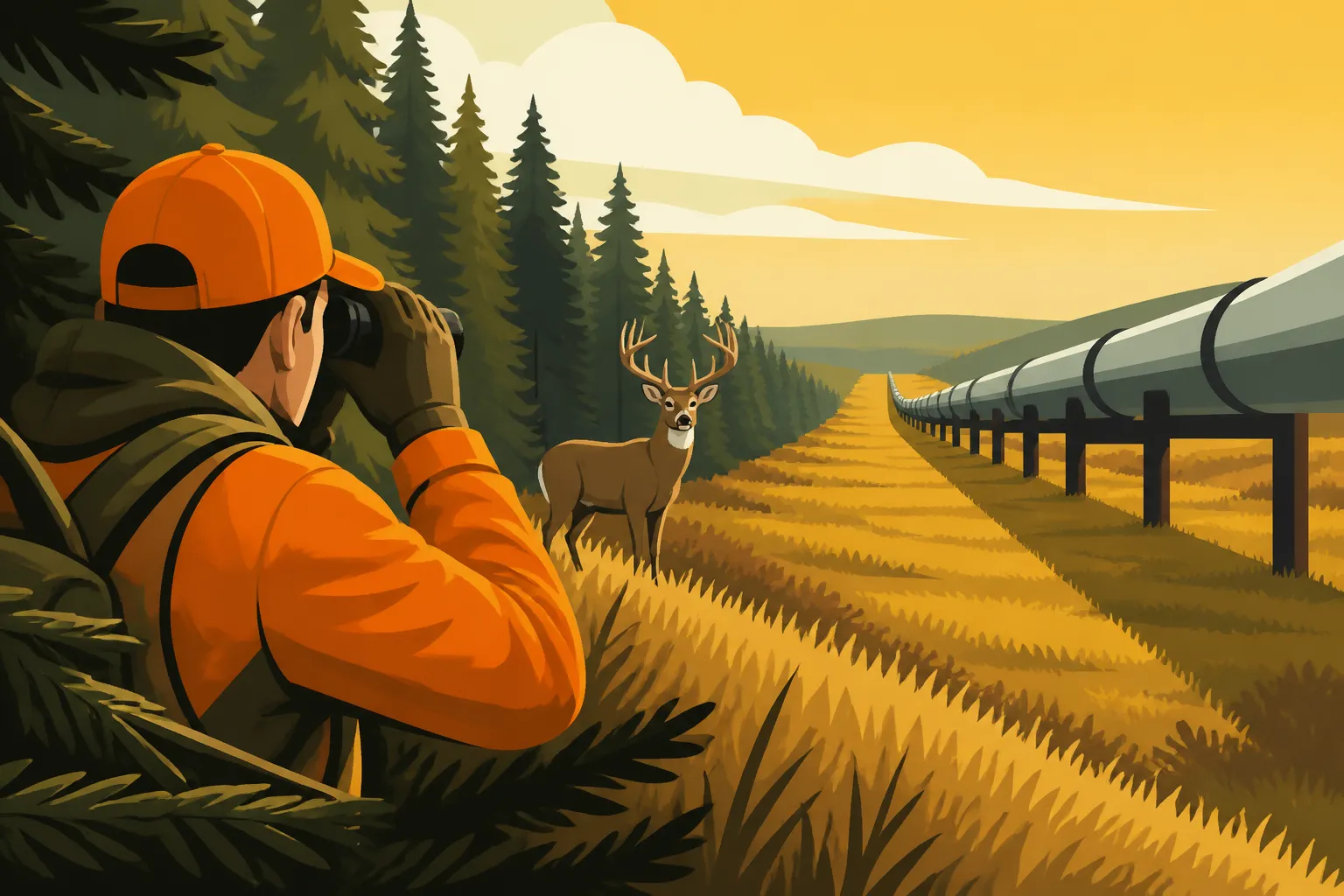
There's a unique allure to hunting an Alberta pipeline corridor edge, isn't there? You roll up, see that cleared line stretching into the distance, bordered by thick timber, and your mind immediately jumps to deer, moose, or even bears using it as a superhighway. But often, what looks like an obvious hotspot can quickly become a bust if you don't understand how game actually uses these linear features, or how other hunters might be impacting them. This guide is all about peeling back the layers to help you effectively and ethically hunt a pipeline corridor edge, turning those seemingly straightforward paths into productive hunting grounds.
Understanding Alberta's Pipeline Corridors for Hunting
Pipeline corridors in Alberta are a fascinating, if sometimes frustrating, part of our hunting landscape. They represent both opportunities and challenges, and truly understanding their nature is the first step to hunting them successfully.
What is a Pipeline Corridor, Anyway?
At its most basic, a pipeline corridor is a strip of land cleared of significant trees and obstructions to allow for the construction and maintenance of underground pipelines carrying oil, natural gas, or other resources. These corridors can vary widely in width, from a narrow swath barely wider than a quad trail to a sprawling 50-meter-wide expanse. They often cut straight through diverse terrain, from dense boreal forest to rolling foothills and agricultural fields, creating a distinctive linear feature that can be easily spotted on a map or from the air.
The key thing to remember is their purpose: access and maintenance. This means they are often regularly mowed, sometimes sprayed, and typically see a fair bit of human activity from industrial vehicles, landowners, or recreational users. This constant disturbance might seem like a deterrent to game, but it also creates specific conditions that animals exploit. The cleared ground promotes new, succulent forage growth along its edges, and the open line itself can serve as an easy travel route, particularly for animals looking to conserve energy or avoid thicker cover. Wildlife like deer, moose, and elk will often feed right on the edge where the new growth meets the timber, especially during low light hours. Bears might use them to move between feeding areas, and even predators like wolves and coyotes find them efficient travel corridors.
The Appeal and the Pitfalls for Hunters
The appeal of hunting a pipeline corridor edge is obvious to anyone who's spent time bushwhacking through dense Alberta timber. Suddenly, you have a clear shooting lane, often stretching for hundreds of yards, where visibility is usually measured in dozens of feet. Game animals also appreciate the ease of travel that a cleared corridor provides, making them natural funnels and travel routes, especially during the rut when bucks and bulls are on the move. The edge itself, where the cleared land meets the thicker forest, creates fantastic transition zones – areas where animals feel secure in the timber but can quickly step out to feed or survey their surroundings. This edge habitat often provides a variety of browse that draws animals in, and the security cover right next door makes them feel safe enough to use it.
However, these very advantages can quickly become pitfalls. Because they're so obvious and offer easy access, pipeline corridors often attract a lot of human pressure. Other hunters, ATV riders, industrial workers, or even hikers can make these areas noisy and keep game pushed back into the cover. Animals quickly learn to avoid the open line during daylight hours, making midday hunts challenging. The straight, cleared lines, while offering great visibility for you, also offer great visibility for deer, elk, or moose, making stalking difficult in many situations. Wind can also be a major factor; while the trees around the edge might provide some shelter, the open corridor itself can be a wind tunnel, making scent control even more critical. You might spend hours shivering on a stand, seeing nothing but empty space, when the deer are merely observing you from the safety of the trees. It’s a frustrating reality when a promising-looking spot turns out to be a highway for everything but the game you’re after.
Scouting and Strategy for Pipeline Edges
Successfully hunting a pipeline corridor edge requires more than just showing up and hoping. It demands meticulous scouting, both from the comfort of your home and with boots on the ground.
Digital Reconnaissance with Mapping Tools
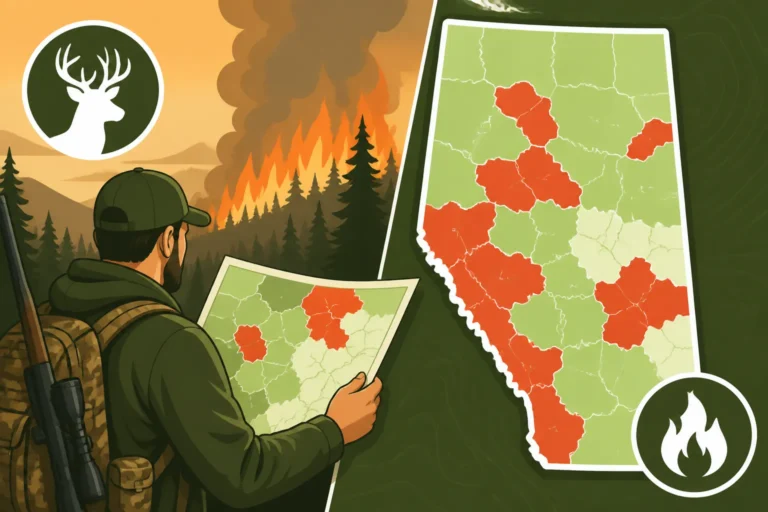
Before you even step foot in the bush, modern mapping applications are your best friend. Tools like onX Hunt and GoHunt allow you to identify potential pipeline corridors, understand the surrounding landscape, and determine land ownership, which is absolutely crucial in Alberta. Start by zooming in on your chosen Wildlife Management Unit (WMU) and looking for those tell-tale straight lines cutting through the timber.
Once you’ve found a few, investigate the adjacent habitat. Are there thick aspen bluffs nearby that might hold bedding deer? Does the pipeline cut through a mix of heavy timber and open pasture, creating natural travel funnels for moose or elk? Look for intersections with other linear features, like old logging roads, seismic lines, or even natural game trails. These intersections can be dynamite spots, as they concentrate game movement. For example, a whitetail might follow a dense Hunting a Cutline Intersection for Whitetails to cross the open corridor quickly. Identifying access points, potential parking spots, and areas of heavy cover adjacent to the pipeline are also critical. You can mark these waypoints on your app, which will save you a ton of time and legwork once you're in the field. Using satellite imagery, you can often pick out subtle terrain features, like small rises or clumps of brush right on the edge of the corridor, that might offer a perfect ambush point. These apps are indispensable for Scouting With Satellite Imagery in Alberta.
On-the-Ground Scouting: Reading the Sign
Digital scouting gets you in the ballpark, but nothing beats actual boots-on-the-ground investigation. Once you’ve identified a promising section of pipeline, it’s time to hit the ground and read the subtle clues the animals leave behind. Walk the edges of the corridor, not just the open line itself. Look for well-worn game trails leading from the deep cover directly onto the pipeline or crossing it. Pay close attention to where these trails intersect the pipeline at slight depressions, over small rises, or where a finger of timber extends further into the clearing, providing a bit more cover for a quick dash.
Look for fresh tracks, especially during damp conditions or after a light snowfall. Are they deer tracks heading from a bedding area to a feeding area across the line? Are there elk or moose tracks indicating regular travel? Don't just focus on the tracks on the open ground; check the edges for rubs, scrapes, and browsing activity. Deer, particularly whitetails, love to rub saplings along the security of the tree line. Identifying bedding areas in the thick cover just off the pipeline is vital. Often, animals will bed very close to the edge, especially if there's good thermal cover, allowing them to pop out for a quick bite or survey the corridor before committing to crossing. Look for clusters of fresh droppings and nibbled branches indicating a preferred feeding spot. This kind of detailed scouting will give you real-time information about what animals are using the area and how they’re using it. It's all about Reading Whitetail Sign in Alberta Aspen Bluffs and deciphering their daily patterns.
Hunting Tactics for the Pipeline Corridor Edge
Once you've done your homework and found some promising areas, it's time to think about how you'll actually hunt these pipeline corridors. It's a balance between using the open sightlines and respecting the game's inherent wariness.
Stand Placement and Ambush Points
For many hunters, a stationary ambush from a treestand or ground blind is the most effective way to hunt a pipeline corridor edge. The key is to place your stand or blind strategically to intercept game as they travel or feed along the edge, or as they prepare to cross the open line. Think about the prevailing wind direction; you want your scent to blow away from where you expect the animals to come from. A classic setup is to place your stand about 20-30 yards inside the timber, overlooking a well-used game trail or a natural funnel point on the edge of the pipeline. This gives you a bit of concealment, breaks up your silhouette, and allows you to shoot onto the corridor or into the adjacent timber.
Consider setting up on a bend in the pipeline, or where a small finger of trees or brush extends further into the clearing. These spots naturally draw animals in, offering a sense of security before they expose themselves. Remember that game often uses these corridors most actively during low light conditions – dawn and dusk. So, planning your entry and exit routes to avoid disturbing the area is paramount. You might even consider having multiple stand locations if you're able, allowing you to adapt to changing wind conditions. When you're Hanging a Stand on an Alberta Bush Edge, the goal is always to maximize your shot opportunity while minimizing your footprint and presence.
Still-Hunting and Stalking the Edges
While stand hunting is popular, still-hunting or stalking the edges of a pipeline corridor can also be incredibly effective, especially if you enjoy a more active approach or if hunting pressure has made stand hunting difficult. This tactic relies on slow, deliberate movement, using the natural cover of the timber edge to your advantage. You'll be moving parallel to the pipeline, just inside the tree line, scanning both the open corridor and the forest in front of you.
The strategy here is to move at a snail's pace, pausing frequently to observe and listen. Use binoculars to pick apart the shadows and look for subtle movements. Pay extra attention to where the timber pinches in or creates a natural funnel, as these are prime spots for game to emerge or cross. The animals might be moving through the timber adjacent to the pipeline, or they might be cautiously approaching the edge to feed. For species like mule deer in more open country, a slow, methodical stalk where you use every undulation in the terrain and every clump of brush for cover can pay off handsomely, much like Stalking Mule Deer in Badlands Breaks or Spot-and-Stalk Mule Deer in Alberta. Your success will depend on your ability to move silently, keep the wind in your favor, and spot game before it spots you. It's a demanding but rewarding way to hunt these linear features.
Ethical Considerations and Safety on Corridors
Hunting pipeline corridors comes with specific responsibilities, not just for success, but for safety and maintaining the integrity of hunting access for everyone. Neglecting these aspects can lead to issues with landowners, other users, and even legal trouble.
Respecting Land Access and Regulations
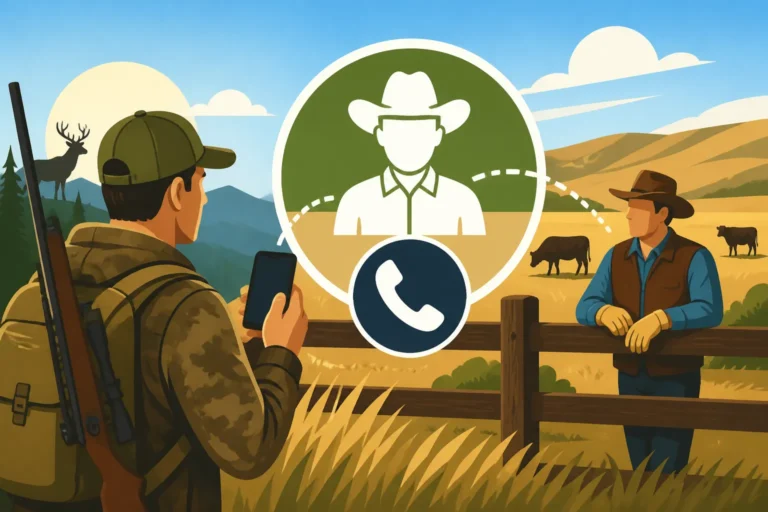
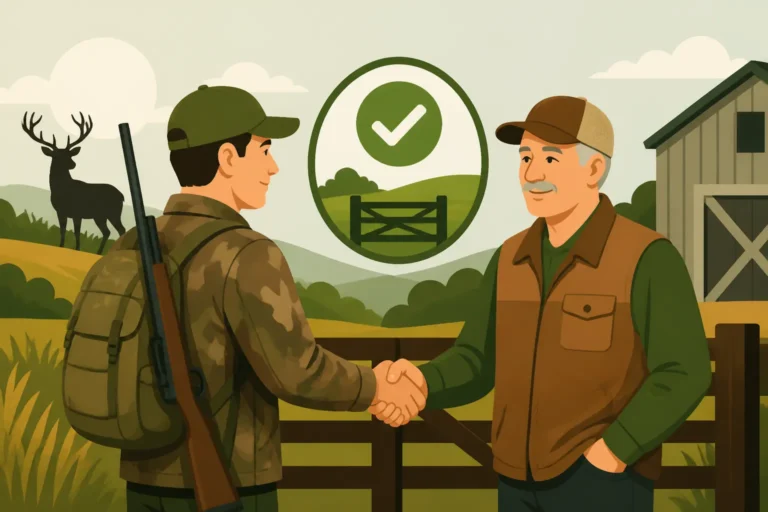
Perhaps the most critical aspect of hunting pipeline corridors is understanding land ownership and access rules. Pipelines traverse all kinds of land – Crown land, private agricultural land, grazing leases, and even within Public Land Use Zones (PLUZs). It is your absolute responsibility to know whose land you are on. Apps like onX Hunt are invaluable here, as they often show land ownership boundaries, but always verify if you're unsure. On private land, you must obtain explicit permission from the landowner or leaseholder before hunting. This isn't just a courtesy; it's the law in Alberta. Don't assume a pipeline granting access means you can just walk on by. Ignoring this can lead to being charged under the Alberta Trespass Act and Hunting. Always remember that pipelines are private infrastructure, and the company maintains an easement, which typically does not grant public recreational access. Your right to be there is tied to the land the pipeline crosses.
| Land Type | Access Requirements | Key Considerations |
|---|---|---|
| Crown Land (Green Area) | Generally open to hunting, but check specific WMU regulations and PLUZ rules. | Respect Quad and Side-by-Side Rules on Crown Land. Be aware of other users (campers, hikers). |
| Crown Land (White Area) | Public access often depends on accessing through private land. Get permission from adjacent landowners. | Treat it like private land until proven otherwise. Access is often key. |
| Private Land | Mandatory permission from landowner/leaseholder before hunting. | Always ask, even if you see no "No Trespassing" signs. Build good relationships. |
| Provincial Grazing Lease | Permission from the leaseholder is legally required. | Asking a Grazing Leaseholder for Access is essential. Be respectful of livestock. |
| PLUZ (Public Land Use Zone) | Specific rules for vehicle use, camping, and hunting apply. | Check the PLUZ map and regulations for the specific zone you are in. |
Even on Crown land, industrial activity might be ongoing, so always be aware of heavy equipment or maintenance crews. Safety is paramount; ensure you have a safe shooting lane and are always aware of what is beyond your target.
Minimizing Your Impact and Maximizing Success
Hunting pipeline corridors successfully over the long term means being a responsible and thoughtful hunter. Because these areas can see a lot of pressure, it's easy to "burn out" a spot by hunting it too hard or too frequently. Animals are smart; they'll quickly learn if a particular section of the pipeline is a high-pressure zone and adjust their patterns to avoid it during hunting hours.
Consider your approach and exit routes carefully. Can you access your stand or blind without walking directly down the middle of the pipeline, spooking every animal within a mile? Often, a circuitous route through the adjacent timber is better, even if it's tougher walking. Try to minimize the amount of scent you leave behind by wearing clean clothes and using scent-reducing sprays. If you see signs of other hunters, consider moving to a different section, or hunting during less popular times, like weekdays or during less favourable weather. Remember that in Alberta, Alberta Blaze Orange Requirements apply during general seasons, making you visible to other users – a critical safety measure in these often-used corridors.
By being mindful of your impact, scouting thoroughly, and hunting smartly, you can continue to find success along Alberta's pipeline corridors for years to come, without inadvertently pushing game out of these productive areas. It’s all about working with the landscape and the animals, not against them.
Disclaimer
This article is for general informational purposes only and does not constitute professional advice. Laws, prices and regulations vary by location and change over time. Consult a qualified professional for guidance on your specific situation.