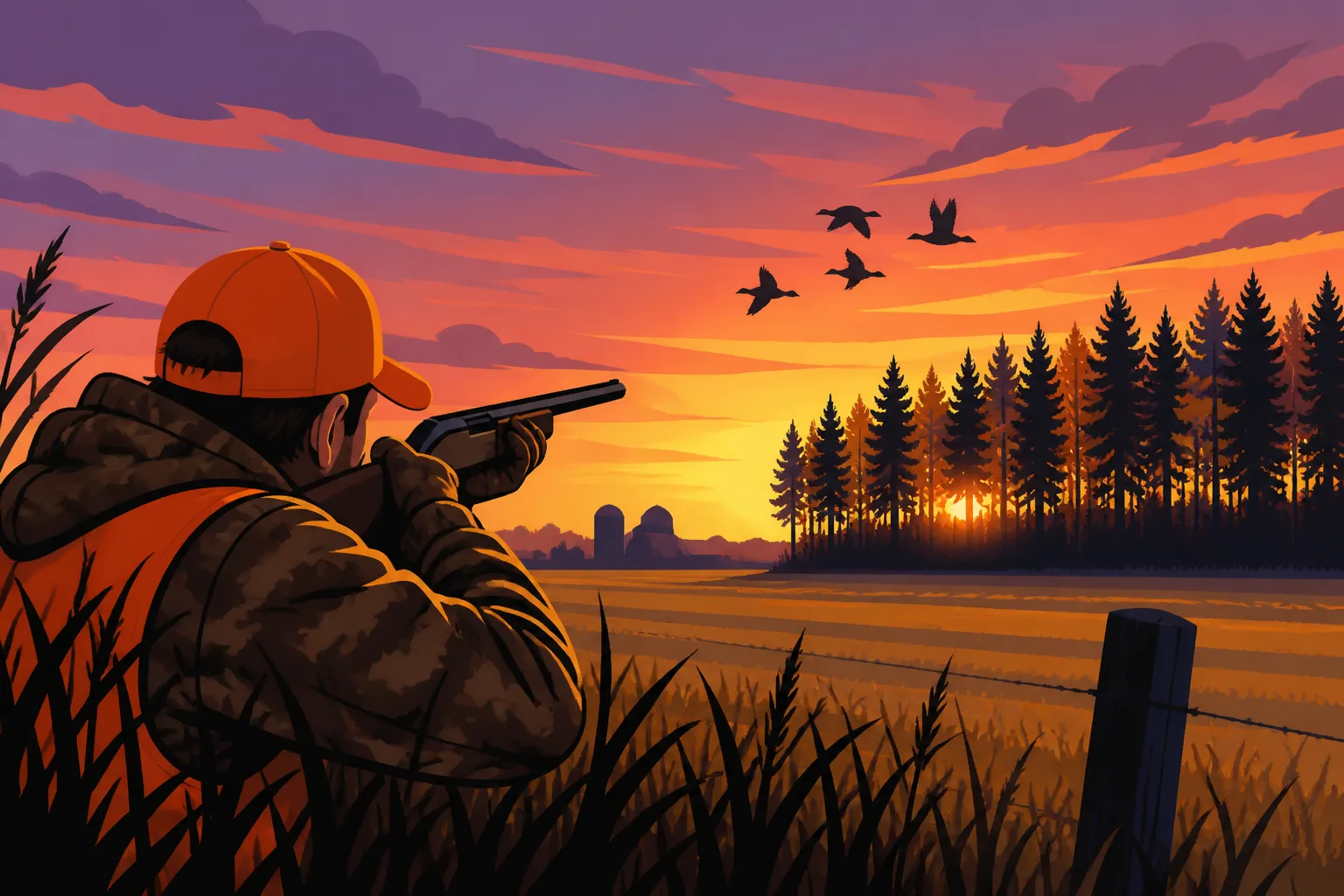
Hunting a Farmyard Shelterbelt at Dusk
There's a unique frustration that comes with hunting in Alberta's agricultural zones: beautiful, open country, but often the game seems to vanish into thin air, only to reappear exactly where you can't hunt them. You might drive past countless farmyards with these inviting lines of trees, wondering if they're holding the deer you're after. The truth is, these farmyard shelterbelts are often overlooked goldmines, especially as the sun dips low, and knowing how to approach them effectively can completely change your season. This guide will walk you through everything you need to know to successfully hunt these hidden gems at dusk, from why deer love them to how to set up for that perfect shot.
Why Alberta Shelterbelts Are Prime Dusk Hunting Grounds
Alberta's vast agricultural landscape, while stunning, can be a challenging environment for hunters looking to consistently intercept deer. However, those long, often dense rows of trees planted around farmyards – the shelterbelts – are far more than just windbreaks for crops and homes. For a whitetail deer, especially as evening approaches, these linear oases represent safety, sustenance, and predictable travel routes. Understanding why deer utilize them so heavily at dusk is the first step to hunting them successfully.
The Allure of Cover and Food Security
Imagine being a whitetail in a sea of stubble fields. During the day, you're exposed, vulnerable to predators and the elements. A shelterbelt, even a relatively narrow one, offers immediate, dense cover. It's a place where a deer can feel hidden, bed down, or simply pause before venturing out into the open fields. This cover is invaluable, providing a sense of security that vast, open fields simply cannot. As dusk settles, this security becomes paramount. Deer feel safer moving from denser cover, like bush pockets or river bottoms, into the relative safety of the shelterbelt before making their final push into the feeding grounds.
Beyond just physical concealment, these shelterbelts often contain a surprising variety of natural browse, even if it's just a few hardy shrubs or young trees. More importantly, they provide a direct, concealed highway to the adjacent fields where the real buffet awaits. Whether it's a freshly swathed barley field, a standing canola field, or even a rich alfalfa patch, the shelterbelt provides that crucial transition zone. Deer will often stage inside the shelterbelt, munching on whatever tidbits are available, waiting for the light to fade just enough before stepping out into the open to feed in earnest. It’s a natural holding area, like a green room for a rockstar before they hit the stage.
Thermal Protection and Movement Corridors
The physical structure of a shelterbelt also offers significant thermal advantages to deer, especially during the colder parts of Alberta's hunting seasons. Those dense rows of trees, often a mix of evergreens and deciduous species, block prevailing winds and can create pockets of warmer, calmer air. When that frigid November wind starts to howl, a deer knows it can find respite within the thick branches of a shelterbelt. This thermal protection means deer are more likely to seek out and spend time in these areas, even if only briefly, before or after feeding. This is particularly true on those truly cold days when Hunting Whitetails at Thirty Below becomes a real concern, and every bit of shelter counts.
Furthermore, shelterbelts act as natural movement corridors. Deer are creatures of habit, preferring to travel along paths of least resistance that also offer cover. A shelterbelt running parallel to a field provides exactly this. Instead of walking across open ground, a deer can use the shelterbelt as a natural funnel or an invisible fence line, guiding its movement from one point of cover to another, or from bedding to feeding areas. They'll often follow the inside edge of the trees, just out of sight from the open field, before choosing a specific spot to emerge. Knowing these preferred travel lanes allows you to predict where a deer is most likely to appear as darkness begins to fall. Think of it as a hidden trail system carved into the landscape, visible only to the keen eye of a hunter.
Scouting and Securing Access for Your Shelterbelt Hunt
You've identified a promising shelterbelt, maybe even watched deer moving in and out of it. Now comes the critical part: confirming its potential and, perhaps most importantly, gaining permission to hunt it. Many hunters shy away from approaching private land, but with the right preparation and respectful approach, some of the best hunting opportunities in Alberta can be found right on farm ground.
Digital Scouting with Modern Tools
Before you ever set foot on a potential property, modern digital scouting tools can save you countless hours and narrow down your focus to the most promising locations. Platforms like onX Hunt or GoHunt are invaluable for this. You can overlay satellite imagery with property lines, topography, and even identify different types of vegetation. Look for shelterbelts that connect larger blocks of cover, like a river valley or a distant woodlot, to expansive crop fields. These act as natural bridges for deer. Pay attention to how the shelterbelt interacts with the surrounding landscape: does it have a creek bed running through it? Are there gaps or thicker sections? Are there pinch points where deer would naturally be funneled?
While looking at the digital maps, try to identify specific entry and exit points for deer within the shelterbelt itself. You might see faint trails on the satellite imagery, or areas where the cover is slightly less dense, indicating a preferred crossing. Note the wind direction relative to these potential ambush points. Remember, your scent is your enemy, so having multiple options for approach based on wind is crucial. Scouting With Satellite Imagery in Alberta is a skill that takes practice, but it's incredibly effective for breaking down large areas from the comfort of your home. Use these tools to mark potential stand sites, likely deer crossings, and even parking locations that won't disturb the farm operation or alert game.
Reading the Land and Deer Sign
Once you've done your digital homework, it's time for boots on the ground, but only after you have permission! When you're physically scouting a shelterbelt, you're looking for concrete evidence of deer activity. Start at the very edges where the trees meet the field. Look for tracks leading in and out of the shelterbelt, especially fresh ones. Pay close attention to trails within the tree line itself. Deer will often create well-worn paths along the interior of the shelterbelt. Look for rub lines on small trees or shrubs – a tell-tale sign that bucks are actively using the area, especially as The Whitetail Rut Peaks in Farm Country. Scrapes, droppings, and even shed antlers (if you're scouting pre-season) will all confirm consistent deer presence.
Don't just focus on the visible edge. Walk a perimeter around the entire shelterbelt, if possible and with permission, to understand its full scope and how deer might be moving around it. Identify any subtle rises in elevation, dense thickets within the belt, or natural openings that might serve as staging areas or bedding sites. If there are any water sources nearby, even a small depression that holds rainwater, these can be magnets for deer. This kind of detailed ground scouting will reveal patterns and hotspots that even the best satellite imagery can't always show, providing the puzzle pieces you need to piece together a successful hunt.
Respectful Landowner Engagement
This is arguably the most crucial step for hunting farmyard shelterbelts. Most of these prime locations are on private property, and accessing them requires explicit permission. Never, ever assume permission. Begin by Asking an Alberta Landowner for Permission well in advance of the season, if possible. A polite, respectful approach goes a long way. Dress presentably, speak clearly, and be prepared to introduce yourself and explain your intentions. Offer to share contact information and assure them you will respect their property, gates, and livestock.
Be flexible with your requests. Maybe they're only comfortable with you hunting a specific portion of the shelterbelt, or only on certain days. That's perfectly fine; any access is better than none. Offer to help out around the farm if you have skills that might be useful, like fixing a fence or moving some bales. Some landowners might even appreciate help with nuisance coyotes, which could open up more opportunities down the road. Building a relationship based on trust and respect is key. Remember, they are doing you a favour, and maintaining that good relationship means showing gratitude and leaving the property exactly as you found it, if not better. It’s not just about this hunt; it's about future opportunities for yourself and other ethical hunters.
| Shelterbelt Type | Characteristics | Deer Appeal (Dusk) | Hunting Considerations |
|---|---|---|---|
| Dense Evergreen | Thick spruce/pine, year-round cover | Excellent thermal and visual cover, travel corridor, bedding | Hard to see into, focus on edges, good in cold/wind |
| Mixed Deciduous | Aspen, willow, balsam poplar; dense in summer | Good cover, natural browse, travel routes | Less cover once leaves drop, good early season |
| Sparse/Degraded | Gaps, fewer trees, less dense | Less preferred, used as quick crossing/staging | Only if directly connecting dense cover to food |
| Along Waterway | Shelterbelt next to creek/river | Excellent travel corridor, water source | Often thick with brush, can be noisy for approach |
Setting Up for Success: Strategies for the Dusk Hunt
You've got permission, you've scouted thoroughly, and you know the deer are using that shelterbelt. Now comes the execution – the precise setup and tactics that will put you in position for a shot when the golden hour arrives. Hunting these specific locations demands a blend of careful planning, discipline, and a deep understanding of whitetail behavior.
Optimal Stand Placement and Wind Management
The most critical factor in successful shelterbelt hunting at dusk is stand placement, which is intrinsically tied to wind direction. Deer, especially mature whitetails, are incredibly wary, relying heavily on their sense of smell. You must position yourself so that your scent blows away from where you expect deer to approach or emerge. Always check the prevailing winds for your planned hunt, and have a backup plan or alternative stand location for different wind directions. If the wind isn't right, don't hunt it. It's better to wait for the perfect conditions than to blow out the spot. This is also where understanding thermal currents can be an asset, as cool evening air can cause your scent to drop and roll, especially in lower areas.
When choosing a specific tree for your stand, look for one that offers good concealment and a clear shooting lane into the field edge, or along a well-used trail within the shelterbelt itself. You want to be elevated enough to see over any immediate brush but not so high that you silhouette yourself against the evening sky. Ideally, your stand will be placed on the downwind side of the deer's anticipated travel route, allowing you to intercept them before they can scent you. Consider where the sun will be setting and how that might affect your visibility or create glare at prime shooting time. A well-placed stand in a shelterbelt can be incredibly productive, acting as a natural ambush point, much like Hanging a Stand on an "Alberta Bush Edge" requires strategic thinking.
Mastering Stealth and Scent Control
Once your stand is chosen, the next challenge is getting to and from it without alarming every deer in the county. This means meticulous attention to stealth and scent control. Before heading out, shower with scent-free soap, use scent-eliminating sprays on your clothes and gear, and store your hunting clothes in airtight containers. Every little bit helps. When approaching your stand, choose a route that keeps you concealed, avoids crossing known deer trails, and minimizes noise. Walk slowly, deliberately, and be mindful of snapping twigs or rustling leaves.
As you settle into your stand, remain as still and quiet as possible. This is where patience truly pays off. Avoid unnecessary movement, and only make adjustments when absolutely necessary. If you must use binoculars or rangefinder, do so slowly and deliberately. The goal is to become an invisible, silent part of the landscape. Remember that deer are constantly scanning and listening, and any unnatural movement or sound can send them bolting. You might be there for hours before you see anything, but that moment of truth can arrive in an instant, and you need to be ready.
Patience and the Art of the Shot
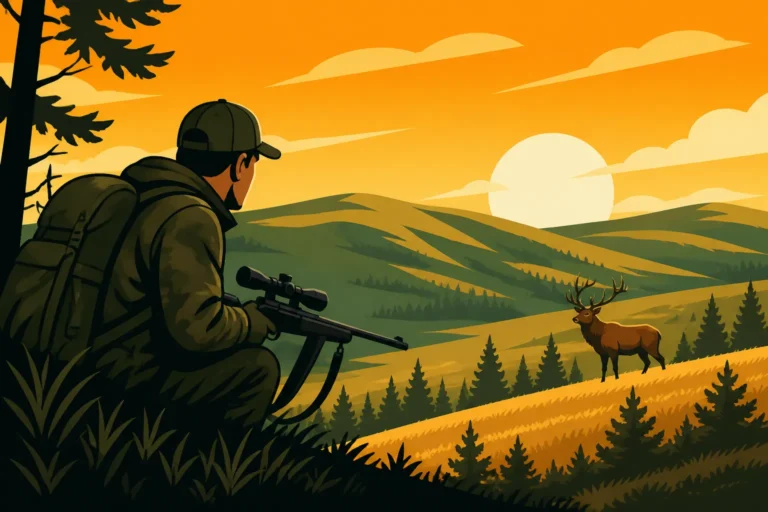
Hunting a farmyard shelterbelt at dusk often means waiting for the last rays of sunlight, when deer feel most comfortable stepping out. This requires immense patience. Don't get discouraged if the first hour is quiet. Deer often wait until low light to emerge. Focus on the most likely areas—the field edges, the internal trails, and any openings in the tree line. Keep your eyes peeled and your senses sharp. Listen for the rustle of leaves, the crunch of footsteps, or the sound of deer feeding in the field. Sometimes, you'll hear them long before you see them.
When a deer finally appears, take a moment to assess the situation. Is it a legal animal? Is there a clear, ethical shot? Wait for the deer to present a broadside or slightly quartering-away shot, offering a clean path to the vital organs. Take a deep breath, control your excitement, and execute your shot confidently. Remember, in low light, shot distances can be deceiving, so know your effective range and stick to it. If the shot isn't perfect, or you feel rushed, it's always better to let the deer walk and hunt another day. An ethical kill is always the priority, ensuring you're not left wondering about post-shot recovery in farm country under challenging conditions.
Tactics for Hunting the Shelterbelt Edge
Once you're set up, there are specific tactics that can enhance your chances of success when hunting deer around farmyard shelterbelts during the crucial dusk hours. These strategies leverage deer behavior and the unique characteristics of these environments.
Using Calls and Decoys Judiciously
While a silent ambush is often the best approach for a cautious whitetail, calls and decoys can sometimes tip the odds in your favor, especially during the rut. A soft grunt call, mimicking a deer moving through the shelterbelt, can pique a buck's curiosity. During the peak of the rut, a rattling sequence can be very effective, drawing a buck out of heavy cover, but gauge your Rattling Volume in Open Parkland to avoid overdoing it in these more contained areas. Fawn bleats can also attract does, and sometimes bucks following them. However, use calls sparingly and subtly. Over-calling can make deer wary.
Decoys can also be effective, particularly a doe decoy placed strategically at the edge of the shelterbelt, facing towards where you expect deer to emerge. A buck decoy, especially during the rut, can challenge a dominant buck to investigate. Ensure your decoy is positioned to present a good shot angle, and always place it slightly away from your stand so that any approaching deer focuses on the decoy, not you. Remember, a decoy works best in areas where deer are already present and accustomed to seeing other deer. In a farmyard setting, where deer might be more accustomed to agricultural sights, a decoy can sometimes appear out of place, so use your judgment based on your scouting observations.
Patience and Persistence in the Low Light
As I mentioned earlier, patience is your greatest ally when hunting shelterbelts at dusk. Deer are masters of waiting for optimal conditions, and for them, that often means waiting until just before dark to step into the open. You might spend the first couple of hours of your evening hunt without seeing anything but small birds and squirrels. Don't give up. The last 15-30 minutes of legal shooting light are often the most productive. This is when a big buck, which may have been bedded deep in the shelterbelt or a nearby woodlot, finally decides it's safe to move.
Persistence also means being willing to sit through less than ideal conditions, within reason. A light drizzle, a calm but cold evening, or even a bit of fog can sometimes encourage deer movement. Don't let a little discomfort send you back to the truck too early. The biggest deer often move when others aren't in the woods. Keep your gear warm, stay alert, and maintain focus until the very end of legal shooting time. You never know when that ghost buck will suddenly materialize out of the shadows at the edge of the trees, stepping out into the Hunting a Swathed Grain Field at Dusk.
Post-Shot Recovery and Landowner Relations
Successfully taking a deer near a farmyard shelterbelt brings with it immediate responsibilities, particularly regarding game recovery and landowner relations. If you make a good shot, the deer may not go far, potentially dropping right at the field edge or just inside the trees. However, if it runs, you need to be prepared for a thorough, systematic recovery effort. Mark the last spot you saw the deer, note the direction of travel, and look for blood or hair at the impact site. This is where good tracking skills come into play.
Crucially, always keep the landowner informed. If the deer runs onto an adjacent property, you must secure permission from that landowner before pursuing it. Never trespass in pursuit of game. A quick phone call or knock on the door, explaining the situation politely, usually resolves this. Offer to share some of the meat or help with chores as a thank you. Maintaining a stellar relationship with the landowner is paramount. Leaving no trash, driving carefully on their land, and always closing gates are small but significant actions that demonstrate respect. A good relationship ensures you might be invited back next season, and helps foster a positive image of hunters in the community. Remember, access to Alberta Landowner Hunting Privileges is a gift that should never be taken for granted.
Disclaimer
This article is for general informational purposes only and does not constitute professional advice. Laws, prices and regulations vary by location and change over time. Consult a qualified professional for guidance on your specific situation.