Timing an Alberta Spring Bear Hunt
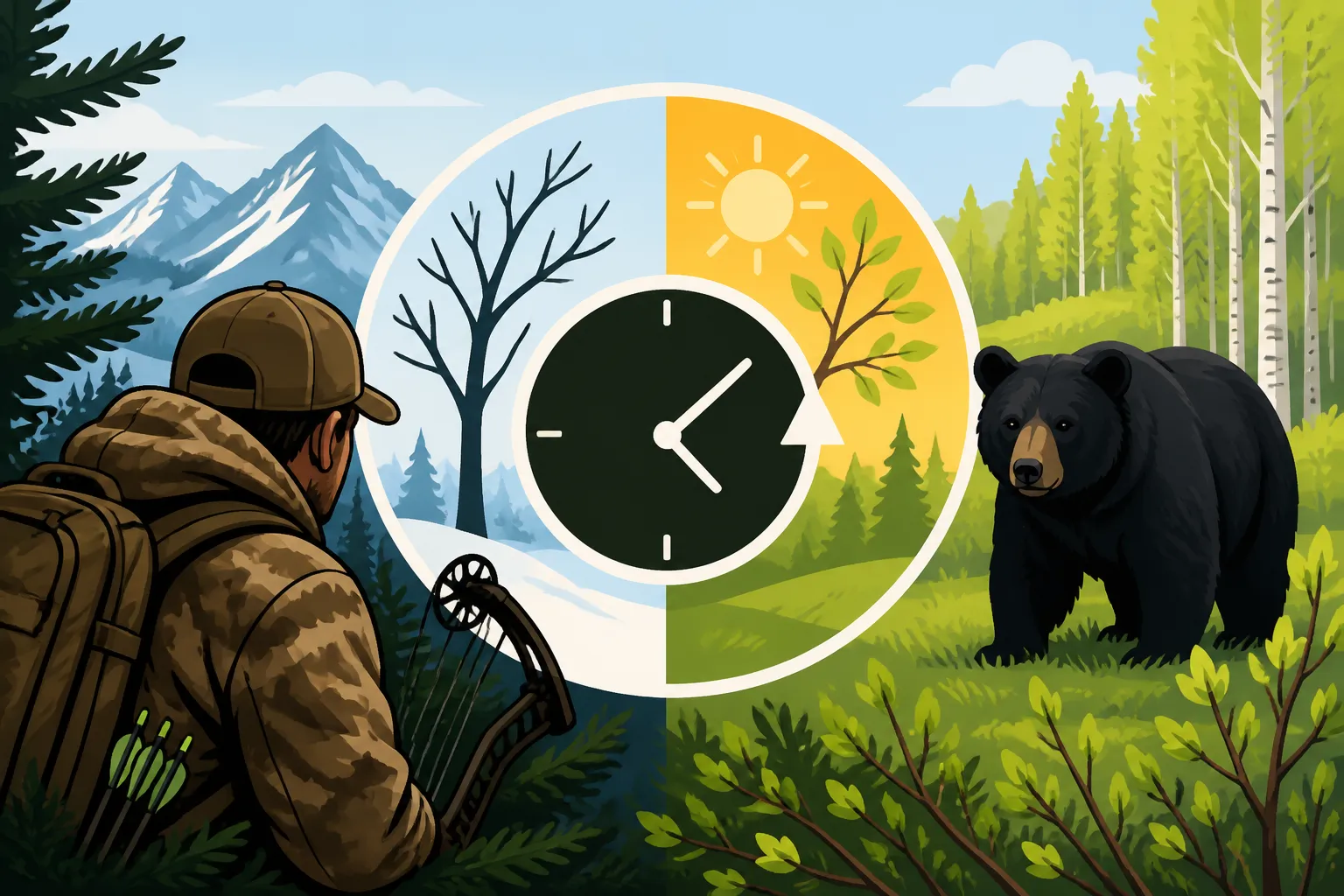
The unpredictable nature of Alberta's spring weather can make timing your black bear hunt feel like a total gamble. One year, bears are out early, gorging on fresh green shoots by May, and the next, you're slogging through late-season snow in June, wondering if they'll ever really show themselves. This guide will walk you through the nuances of timing an Alberta spring bear hunt, helping you understand the factors that drive bear activity and how to maximize your chances of success, no matter what Mother Nature throws your way.
Understanding Alberta's Spring Bear Season Basics
Spring bear hunting in Alberta is an experience unlike any other. After months of hibernation, these magnificent animals emerge, hungry and focused on replenishing their reserves. But their emergence and subsequent activity aren are directly tied to environmental cues, making timing crucial.
When Bears Emerge from Dens
The precise moment black bears decide to shake off their winter slumber and leave their dens is a fascinating blend of instinct and environmental factors. Generally, in Alberta, the first bears, often the mature boars, start to stir in late April. However, this isn't a hard and fast rule. A warm, early spring with rapid snowmelt and a quick green-up can see bears out and about sooner. Conversely, a prolonged cold snap or heavy snowfall in April can push their emergence well into May.
Think about the subtle differences across our province. In the southern foothills or the more open areas of the Boreal Forest country, where snow often melts earlier and the ground thaws faster, you might see tracks in the mud by the third or fourth week of April. As you move north into the deeper, more shaded boreal regions, or into higher elevations where winter clings longer, that timeline can shift by one to even two weeks. Initially, these bears are primarily looking for easily digestible greens like new grass and dandelions, which offer quick energy after their long fast. They'll gravitate towards south-facing slopes, logging cutblocks, or open areas like pipeline rights-of-way that catch the sun and green up first.
Official Season Dates and Regulations
While bear emergence is flexible, Alberta's spring black bear season dates are set. Generally, the season runs from early April to late June, but it's absolutely vital to consult the current Alberta Hunting Regulations for specific dates in your chosen Wildlife Management Unit (WMU). These dates can vary slightly year to year and by WMU, so don't just rely on what you remember from last season.
For instance, many WMUs will open for black bear in April and run through to June 15th or 30th. You'll need an Alberta WIN Card, a Wildlife Certificate, and a specific black bear licence. There are usually separate licences for spring and fall seasons, so make sure you're getting the right one. Understanding Alberta Hunting Licences and What They Cost is the first step before you even think about heading out. The regulations will also detail bag limits, often one or two bears depending on the WMU, and specific rules about baiting if you choose that method. It’s also important to be familiar with the rules around Black Bear Hunting in Alberta in general, to ensure a safe and legal hunt.
Key Factors Influencing Bear Activity and Timing
Understanding the "when" is more than just looking at a calendar; it's about connecting the dots between nature's signals and bear behavior.
Weather Patterns and Green-Up Progression
This is arguably the most critical factor. Black bears are driven by their stomachs in spring, and their food availability is dictated by the weather. An unusually warm spell in April can trigger an early green-up. When those first tender shoots of grass, clover, and dandelions start pushing through the thawed ground, bears take notice. They'll emerge and head straight for these natural salad bars. If you're tracking conditions with tools like GoHunt, you'll want to pay close attention to ground temperature maps and satellite imagery showing vegetation growth.
Conversely, a cold, wet spring with persistent snow cover or late-season frosts will significantly delay the green-up. In these scenarios, bears might stay in their dens longer, or when they do emerge, they'll have fewer natural food sources. This can mean they’re more concentrated on carrion from winter-killed animals or, if you're baiting, more eager to visit a well-established bait site. Continuous rain can also suppress bear activity, making them less likely to move, while warm, sunny days often see them out feeding more actively. Keep a close eye on your local long-range forecast and be prepared to be flexible with your hunt dates.
Food Sources and Their Availability
When bears first come out of hibernation, their digestive systems are just waking up, and they're craving easily digestible, high-energy foods. In the earliest part of spring, this often means winter-killed deer, moose, or other ungulates. Scavenging on carrion provides a quick protein boost. As the snow recedes and the sun warms the earth, their diet shifts.
The first major draw for bears is often green vegetation. Dandelions, clover, vetch, and young grasses are all highly palatable. They’ll seek out open areas like meadows, clearcuts, and south-facing slopes where these plants grow abundantly. Think about areas that historically hold deer or elk through the winter, as those can often provide carrion opportunities. Later in the spring, as more vegetation comes in, they'll broaden their diet to include ants, grubs, and the occasional rodent. If you're looking for where bears will be, you need to understand What Bears Eat in Spring in your specific hunting area. Being aware of the progression of these food sources through the spring can give you a significant advantage in knowing where to focus your efforts.
Sow vs. Boar Behavior Throughout Spring
The timing of your hunt might also depend on what kind of bear you're hoping to encounter. Generally, adult boars are the first to emerge from their dens. They're often on the move earlier, covering more ground in search of food and, eventually, sows. This makes them potentially more visible in the early part of the season.
Sows, especially those with new cubs, tend to emerge later. They are far more cautious, preferring to stay close to thicker cover, especially in the initial weeks after leaving the den. Their priority is the safety and nutrition of their cubs. As spring progresses, and cubs become more mobile, sows will venture out more, but often still prefer areas with easy access to dense escape cover. This means that if you're specifically targeting a large boar, hunting earlier in the season when they are ranging widely and competing for food might be advantageous. If you're comfortable with potentially encountering sows with cubs (and ethically passing on them), the middle to late parts of spring will see more of them out and about. Proper identification of Judging a Boar From a Sow With Cubs is critical for ethical hunting and compliance with regulations.
Pinpointing Your Prime Hunting Window
With so many variables at play, it's helpful to break down the spring bear season into general phases, each with its unique opportunities and challenges.
Early Spring Opportunities (Late April – Mid-May)
This is the frontier of spring bear hunting, often marked by lingering patches of snow and the promise of new life. Bears that emerge during this time are ravenous. They’ll be concentrating on the lowest elevations and sunniest exposures – think south-facing hillsides, valley bottoms, and road allowances that shed snow first. The vegetation might be sparse, so bears are actively seeking out any green shoots or, more commonly, winter-killed animals.
The advantage here is that bears can be more predictable, as their food options are limited. Finding fresh tracks in the melting snow can be incredibly exciting and tell you exactly where they're moving. This is also a prime window if you plan on Setting a Bear Bait Site in Alberta, as bears are more likely to hit a consistent food source when natural forage is scarce. The challenge, of course, is the weather. You might encounter anything from warm, sunny days to sudden blizzards, so be prepared for diverse conditions. The excitement of seeing a bear emerge from its den, often still shaggy with winter fur, is a truly raw hunting experience.
Peak Green-Up Activity (Mid-May – Early June)
For many hunters, this period represents the sweet spot for spring bear hunting in Alberta. By mid-May, the green-up is usually in full swing across much of the province. More reliable food sources are available, and bears are more consistently active, especially during the longer daylight hours.
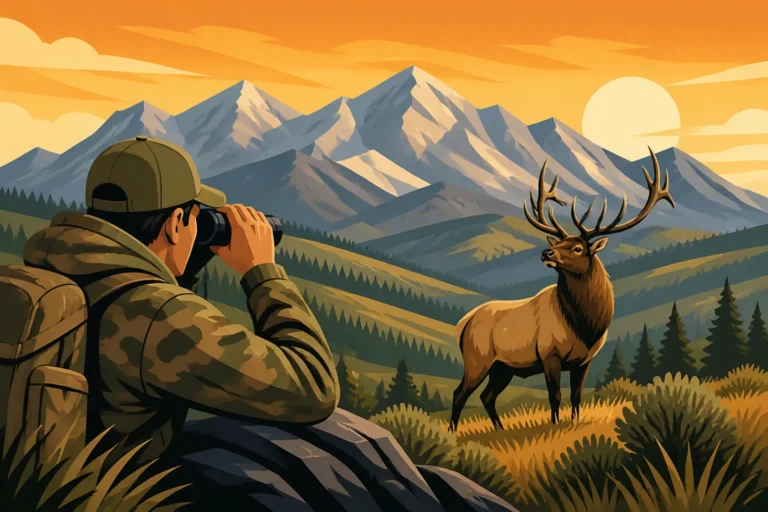
This is when you'll often see bears in open areas like power lines, natural meadows, and newly cleared Spring Bear Hunting Alberta's Cutblocks. The fresh growth of clover, dandelions, and various grasses provides a buffet, and bears will spend significant time grazing. This increased visibility makes spot-and-stalk hunting incredibly effective. You can spend hours glassing vast areas, systematically picking apart green patches where bears might be feeding. Utilizing satellite imagery, perhaps through an app like GoHunt, can help you pinpoint these prime green-up areas even before you step foot on the ground. When you're out there, look for signs of fresh digging for roots or grubs, overturned rocks, and recently browsed vegetation. This is also a great time for Hunting Bear on a Green Cutline in June, as the fresh growth along these linear clearings acts like a magnet.
Late Season Considerations (Mid-June – End of June)
As June progresses, the challenges increase, but so do unique opportunities. The foliage becomes much denser, making bears harder to spot in thick cover. Temperatures also rise, which can push bear activity more towards dawn and dusk, or even into the cooler night hours. Their diet also diversifies, meaning they aren't as concentrated on a few specific food sources.
However, don't write off the late season entirely. In higher elevations or in more northern areas, the green-up is delayed, so what was "early spring" for the south might be "peak" for these regions. Bears may also start to seek out water sources more consistently as temperatures climb. If you have active bait sites, bears might still be visiting them, especially if natural food is sparse or they've become accustomed to the bait. The late season can be particularly rewarding for patient hunters willing to adapt their tactics, perhaps focusing on cooler, shadier slopes or areas with unique food sources that are just coming into their prime.
Scouting and Adaptability for Success
No matter when you decide to hunt, thorough scouting and the ability to adapt to changing conditions are paramount to success.
Pre-Season Scouting Strategies
Effective scouting begins long before the season opens. Use mapping tools and satellite imagery, like those found on GoHunt, to identify potential bear habitat. Look for south-facing slopes, historical clearcuts, natural clearings, and areas where water sources are prominent. Pay attention to areas that look like good travel corridors, such as ridges, creek bottoms, or old logging roads. This is a critical part of Scouting With Satellite Imagery in Alberta.
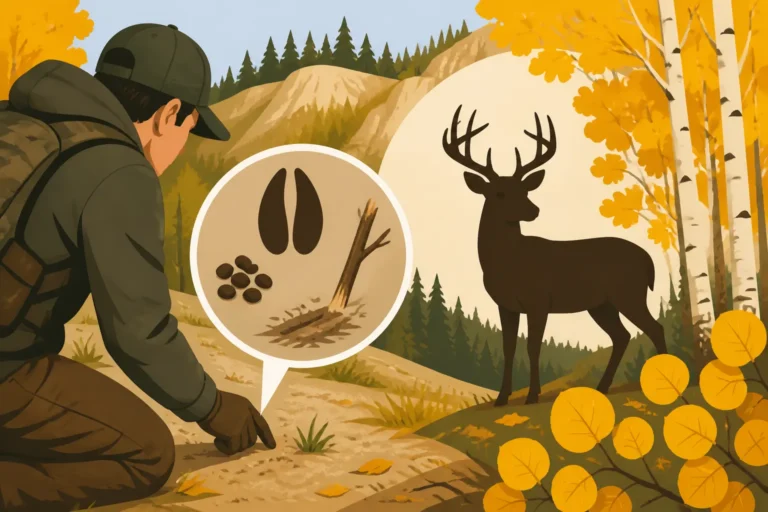
Once you can get boots on the ground, look for physical signs from previous seasons: rub trees where bears have marked their territory, old scat, or well-used trails leading into feeding areas. Identifying potential den sites, even if you avoid them during the season, can give you clues about where bears will emerge. Note any areas with abundant berry bushes, as these will be important later in the year and may indicate a year-round bear presence. The more information you gather before the season, the better equipped you'll be to focus your efforts during prime time.
In-Season Adaptations and Flexibility
The spring bear woods are dynamic. What was true yesterday might not be true today. Be ready to adjust your plans based on what you observe. If a cold front rolls in, bears might become less active, moving earlier or later in the day. If a new patch of dandelions just exploded in an old cut, shift your focus there.
Reading immediate signs is key. Fresh tracks, turned-over rocks, or disturbed ground near a water source can tell you a bear has been in the area recently. Don't be afraid to be mobile. If one spot isn't producing, pack up and move to another promising area identified during your scouting. Sometimes, it's about being in the right place at the right time, and that often means covering ground. Remember that When Bears Come Out of the Den they are on the move, and you need to be too. Staying flexible, observant, and persistent will dramatically increase your odds of success on an Alberta spring bear hunt.
Monthly Spring Bear Hunting Considerations
| Month | Typical Weather | Bear Activity Level | Primary Food Sources | Hunting Strategy Focus | Notes |
|---|---|---|---|---|---|
| April | Variable, often cold/snowy | Low to Moderate (Boars first) | Carrion, early green shoots | Baiting, south-facing slopes, glassing roads | Boars emerging, sows with cubs still denned. Watch for lingering snow. |
| Early May | Warming, some rain, green-up starting | Moderate to High (Boars and some Sows) | Green shoots, carrion, insects | Glassing clearcuts, baiting, road cruising | Peak for boars, good baiting window. Sows with cubs more common later in May. |
| Late May | Warm, consistent green-up | High (All bears active) | Abundant greens, insects, some berries | Spot-and-stalk clearcuts, meadows, travel corridors | Often prime time, high visibility. Consider Colour Phase Black Bears in Alberta in this period. |
| Early June | Warm, lush vegetation, thicker cover | Moderate to High (All bears active) | Lush greens, berries starting, insects | Deep woods, water sources, persistent bait sites | Vegetation can make spotting harder. Focus on edges and openings. |
| Late June | Hot, very dense foliage | Moderate (More nocturnal) | Berries, insects, specialized forage | Water holes, evening hunts, higher elevations | Challenging due to heat and cover. Look for delayed green-up or persistent food sources. |
Disclaimer
Hunting is a demanding activity and carries inherent risks. The information provided in this guide is for informational purposes only and should not be considered a substitute for professional advice or proper training. Always consult the official Alberta hunting regulations, practice safe firearm handling, and prioritize ethical hunting practices. Conditions in the field can change rapidly, and hunters should be prepared for all eventualities.