Hunting Mountain Goat in Broken Cliffs
There's a special kind of challenge that comes with pursuing mountain goats, one that truly tests your limits and demands respect for the high country. When you're dreaming of a mountain goat hunt in Alberta, you're not just thinking about a beautiful animal; you're envisioning navigating jagged peaks, battling unpredictable weather, and pushing your physical and mental fortitude to its absolute brink. This guide is here to walk you through the unique demands of hunting mountain goats in Alberta's formidable broken cliffs, offering practical advice and insights to help you prepare for an unforgettable, and often brutal, adventure.
Understanding the Mountain Goat's Domain
Mountain goats are utterly unique, true masters of the vertical world. They aren't found just anywhere; these incredible animals call the most unforgiving, rugged, and truly broken cliff faces their home. Alberta's mountain goat populations, found in WMUs like the Ghost and Willmore Wilderness Park, thrive in terrain that most other big game species wouldn't even dare to tread. If you want to find them, you have to be willing to go where few others venture.
Their Natural Fortress: Why Cliffs Are Home
Mountain goats aren't just good at navigating cliffs; they depend on them for survival. This isn't just a preference; it's an evolutionary adaptation. Those ridiculously shaggy coats and specialized hooves with soft, non-slip pads and hard, sharp outer edges are built for clinging to impossibly steep slopes and traversing narrow ledges. These broken cliffs offer them unparalleled protection from predators like cougars and wolves, which, while formidable, cannot match the goat's agility in such extreme vertical environments. Think about it: a grizzly bear might be a powerhouse on the ground, but it's a clumsy giant on a sheer rock face. This natural fortress provides safety, particularly for nannies and kids, allowing them to escape danger simply by climbing higher or traversing a path no predator can follow. When you're scouting with tools like GoHunt, understanding the topographical maps and identifying these sheer, broken cliff systems is paramount because that's precisely where these animals feel most secure.
Diet and Movement Patterns in Extreme Terrain
Even in these barren, rocky landscapes, mountain goats find sustenance. Their diet consists primarily of grasses, sedges, lichens, mosses, and various alpine forbs that manage to cling to life in the small pockets of soil and crevices found amongst the rocks. They are incredibly efficient foragers, often moving across incredibly difficult terrain to access these scattered food sources. Their movements are largely dictated by two things: food and safety. During the day, they might be seen grazing on a steep, grassy bench hundreds or even thousands of feet up, always with an escape route into the "impenetrable" cliffs close by. In the heat of summer, they often seek out higher elevations and permanent snowfields to cool down. During the rut in late fall, billies (males) will move more extensively to find nannies, often venturing onto slightly less extreme terrain than their female counterparts, but still rarely far from the safety of the rock. Understanding these subtle shifts, especially when you're glassing from miles away, is key to predicting where they might be.
Identifying Key Goat Sign
Finding mountain goats in their vast, rocky domain often feels like searching for a needle in a haystack, which is why keen observation of sign is crucial. While deer and elk leave obvious tracks and rubs in the timber, goat sign is more subtle and takes a trained eye to spot. Look for goat beds, often shallow depressions dug into soft earth on ledges, usually sheltered from the wind and with good visibility. Their droppings are small, dark pellets, not unlike deer, but you'll find them in the most improbable places – often on narrow trails or rocky outcrops where no other animal would consistently tread. Worn trails, even faint ones, leading up and across seemingly impassable rock faces are another strong indicator. These trails often connect bedding areas to feeding grounds or mineral licks. Shed hair, particularly during their spring molt when their thick winter coat gives way, can also be found caught on rocks or low-growing vegetation. Recognizing these subtle clues, even from a distance with your optics and rangefinding, can help confirm that an area holds goats and that your efforts might be fruitful.
Essential Gear for Alpine Goat Hunts
Hunting mountain goats isn't just a physical challenge; it's a gear challenge. The environment is unforgiving, and your equipment needs to be up to the task. Skimping on quality here can mean the difference between a successful, safe hunt and a miserable, potentially dangerous one. Think of every piece of gear as an investment in your safety and success when you're Backpacking Into Alberta Sheep Country or specifically targeting goats.
Optics and Rangefinding in the Mountains
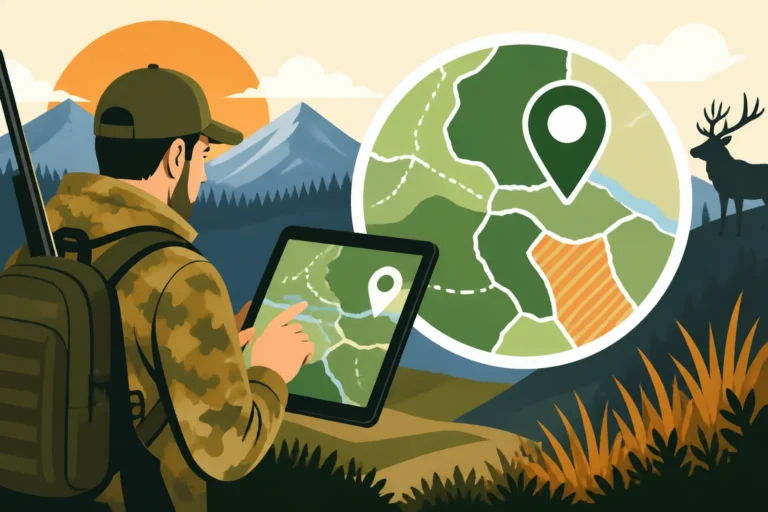
Your optics are, without exaggeration, your most important tool on a mountain goat hunt. You'll spend countless hours behind glass, meticulously picking apart distant rock faces, ledges, and snowfields. A good quality spotting scope (at least 60-80x power) with a stable tripod is non-negotiable. Don't cheap out here; a crisp, clear image at long distances is essential for identifying goats, judging their size, and determining their exact location. Pair this with a high-magnification binocular (10-15x) for broader scanning, often mounted on the same tripod for stability. A reliable rangefinder that can perform accurately in steep terrain is also critical. These aren't like hunting whitetails in the bush; you're often ranging across deep canyons or up incredible inclines, and knowing true ballistic distance is paramount. Brands like Leica, Swarovski, and Vortex offer excellent options that perform well in the extreme conditions you'll encounter. Utilizing a mapping app that integrates well with your optics, like the features found in GoHunt, can also greatly enhance your ability to mark potential goat locations and plan your approach.
Clothing and Footwear for High-Altitude Hunting
The mountains are notoriously fickle with weather, and you can experience all four seasons in a single day. Layering is your best friend. Start with a moisture-wicking base layer to manage sweat, add insulating mid-layers like fleece or puffy jackets, and top it all off with a bombproof outer shell that is both waterproof and windproof. Brands like Sitka Gear, Kuiu, and Stone Glacier specialize in technical hunting apparel designed for these conditions. Remember, you'll be exerting yourself heavily on the climbs, then potentially sitting still for hours in freezing winds while glassing. Your choice of What to Wear on a Late Season Hunt will be critical, even if it's not late season, because high-altitude conditions can mimic winter at any time.
Footwear is arguably even more critical. You need mountaineering-grade boots that provide ankle support, stiffness for traversing scree and talus fields, and a grippy sole for steep rock. Look for boots with a stiff shank that will prevent your feet from fatiguing on sidehills and provide a solid platform when standing on small ledges. Make sure they are waterproof and well broken-in before your hunt to avoid debilitating blisters. Combining these with quality merino wool socks will make a huge difference in comfort and preventing blisters, which can quickly end a hunt in the backcountry. For those especially rugged hunts, considering heavy-duty options like those suggested in Boots for a Foothills Hunt can provide the necessary durability and support.
Safety and Navigation Tools
Hunting in broken cliffs is inherently dangerous, and safety cannot be overstated. A robust first-aid kit, equipped for trauma and extended stays, is non-negotiable. Always carry a satellite communication device, such as a Garmin inReach or Zoleo, so you can send and receive messages and, most importantly, call for SOS help, even when out of cell service. This is particularly vital in remote areas like Alberta's Bighorn Backcountry. Navigation needs to be redundant: a reliable GPS unit with pre-loaded maps, a physical compass, and detailed topographical maps are essential. Know how to use them all. Headlamps with spare batteries are a must, as daylight can quickly fade, leaving you stranded in treacherous terrain. Remember, cell service is often non-existent, so do not rely on your phone for navigation or communication. These tools are crucial for establishing Emergency Plans in Alberta's Backcountry.
Strategic Approaches to Hunting Broken Cliffs
Successfully hunting mountain goats in their vertical world requires a blend of patience, physical endurance, and calculated risk assessment. It’s not just about finding a goat; it’s about figuring out how to get to it, make a clean shot, and then safely get it out. This is where the true test of a mountain hunter lies.
The Art of Glassing and Spotting Goats
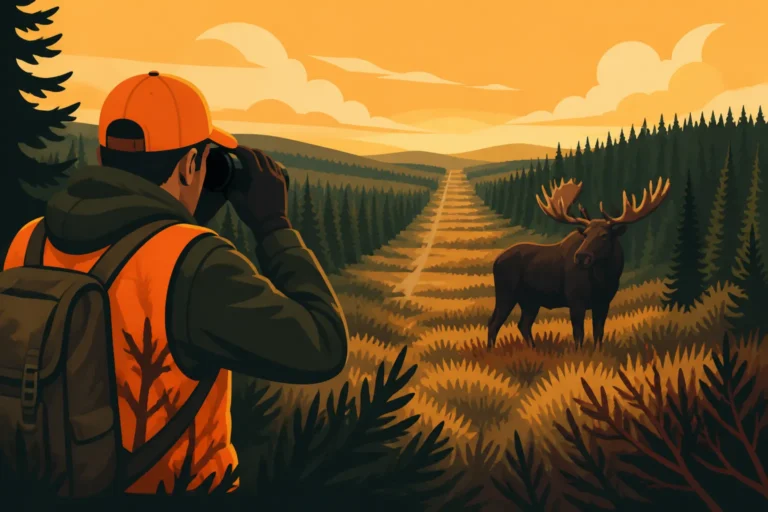
Glassing is the cornerstone of any mountain hunt, but it's especially critical for goats. You won't "stumble" upon a goat in broken cliffs; you'll spot them from a distance, often miles away. Find a vantage point that offers expansive views of goat habitat – the steeper, rockier faces, the alpine basins, and especially the transition zones between timber and rock. Set up your spotting scope and systematically grid the terrain, taking your time. Goats, especially nannies and kids, often blend in incredibly well with the grey and white rock formations. Look for anything that seems "out of place" – a patch of white that moves, a horizontal line in a vertical world, or a subtle glint of sunshine off their fur. Often, you'll spot them not by seeing the whole animal, but by noticing a piece of them, like a horn or a leg, against the backdrop. Patience is key here; it might take hours, or even days, to locate your target. This skill is very similar to Glassing Alpine Basins for Bighorn Sheep, requiring the same dedication to detail and understanding of the animals' preferred terrain.
Executing a Safe and Effective Stalk
Once you’ve spotted a goat and decided it's the one, the real work begins: the stalk. This is where your Fitness for an Alberta Sheep Hunt will be truly tested. Mountain goat stalks are rarely straightforward. They often involve massive elevation gains, traversing unstable scree slopes, navigating cliff bands, and battling unpredictable winds. Always prioritize safety over speed. Plan your route meticulously, using natural features like ridges, draws, and rock formations for cover. Pay close attention to wind direction, as goats have an excellent sense of smell. Be prepared to backtrack and re-route if the wind shifts or you encounter an impassable obstacle. The goal is to get within comfortable shooting range, ideally 200-300 yards, while remaining undetected. This might mean crawling, climbing, and moving at an agonizingly slow pace. Remember, these animals live in a world where danger usually comes from below, so try to approach from above if possible, as they will often be looking down. When using a resource like GoHunt for planning, you can utilize their detailed topographical maps to pre-visualize potential stalk routes and escape plans.
Shot Placement and Follow-Up
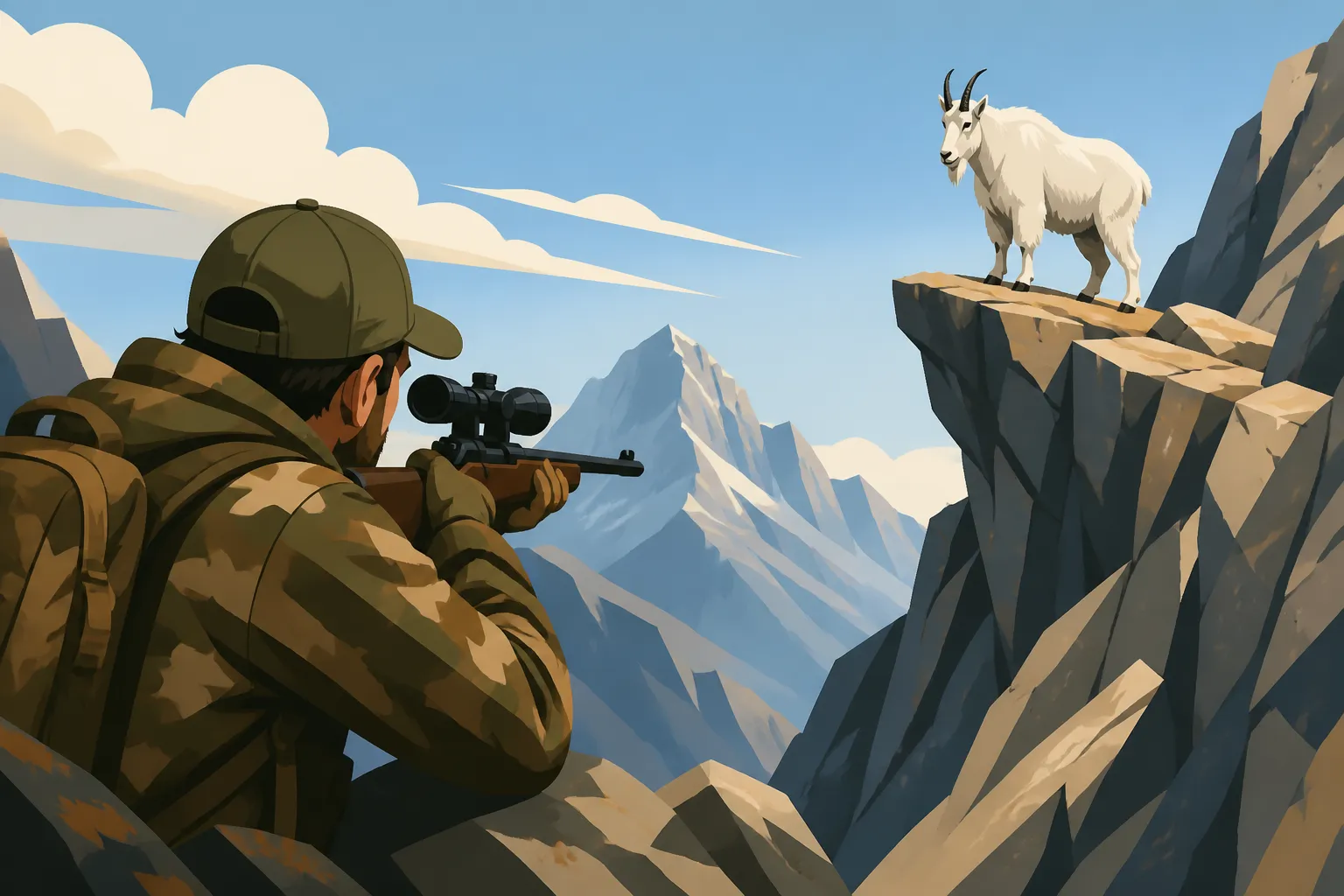
When you finally get into position, take your time and make the shot count. Mountain goats are incredibly tough animals, and a wounded goat in broken cliff country is a nightmare scenario, not just for recovery, but for ethical reasons and your personal safety. Their vitals are similar to deer, but their dense, shaggy coat can obscure the exact location, and their sturdy bone structure makes it crucial to hit the right spot. Aim for the classic shoulder or lung shot. Ensure you have a stable shooting platform – prone is ideal if the terrain allows, otherwise, use your pack or shooting sticks. After the shot, reload immediately and watch the goat carefully. Do not assume it's down. Observe its reaction. If it moves, track it visually as long as possible. If it goes down, wait a few minutes, watching for any sign of movement, before you begin your approach. A dead goat can still tumble down a cliff, making recovery impossible. This situation underscores the importance of a solid first shot, particularly on Hunting Mountain Goat in Steep Rock.
Packing Out Your Trophy from Treacherous Terrain
Congratulations, you've taken a mountain goat! Now comes what many consider the most dangerous and arduous part of the hunt: getting it off the mountain. This isn't like packing out an elk from a timbered valley; this is a whole different beast. The inherent dangers of the terrain amplify every aspect of the pack-out.
Field Dressing and Quartering in Steep Country
Field dressing and quartering a mountain goat in steep, broken cliff country requires careful planning and execution. First, secure the animal to prevent it from sliding or rolling further down the mountain. This might involve ropes, rocks, or even your body weight. You'll likely be working on an uneven, rocky surface, which makes precise cuts difficult. Take extra precautions with your knife, as a slip could have severe consequences. If possible, find a relatively flat spot to work, even if it's small. Quartering the animal into manageable pieces – often boned out to reduce weight – is essential. Remember to retrieve all edible meat, including the backstraps, tenderloins, and all four quarters. If you're keeping the cape for a mount, be meticulous with your skinning and cooling, as alpine conditions can quickly spoil meat if not handled properly. This is where a thorough understanding of Meat Care in Alberta's Cold and Warm Swings comes into play, as the mountains can have rapidly changing temperatures.
The Logistics of Hauling Heavy Loads
A mountain goat, even boned out, is a heavy load, and packing it out of broken cliffs is a grueling task. A robust, comfortable pack designed for heavy hauling is non-negotiable. Distribute the weight evenly and secure it tightly to prevent shifting, which can throw you off balance on precarious footing. Consider making multiple trips if the terrain is too dangerous for a single, heavy load. If you're hunting with a partner, sharing the load significantly eases the burden. Be prepared for slow, deliberate progress. Every step on scree, loose rock, or steep slopes needs to be carefully placed. Utilize trekking poles for stability; they are invaluable on descents and ascents with heavy weight. Hydrate constantly and take frequent breaks. This phase of the hunt will test your Packing Out of Alberta's Mountain WMUs skills to their absolute limit. The raw weight combined with the treacherous footing makes it incredibly challenging.
Here's a quick reference for essential gear to consider for your mountain goat hunt:
| Category | Essential Items | Key Considerations | Brands to Research (Examples) |
|---|---|---|---|
| Optics | Spotting Scope (60-80x), Binoculars (10-15x), Tripod, Rangefinder | High quality, lightweight, sturdy, accurate in steep terrain | Swarovski, Leica, Vortex, Zeiss |
| Clothing | Layering system (base, mid, outer), Waterproof/windproof shell, Gaiters, Merino socks | Breathable, durable, quiet, packable, suitable for extreme temperature swings | Sitka Gear, Kuiu, Stone Glacier, First Lite |
| Footwear | Mountaineering boots, Spare laces, Camp shoes | Stiff shank, ankle support, waterproof, grippy sole, broken-in | Kenetrek, Crispi, Scarpa, La Sportiva |
| Backpack | Internal frame pack (60L+), Daypack | Heavy load capacity, comfortable harness, durable fabric, compression straps | Mystery Ranch, Kifaru, Stone Glacier, Exo Mountain Gear |
| Safety/Nav | GPS with maps, Compass, Topo maps, Satellite communicator, Headlamp, First-aid kit, Bear spray, Fire starter, Whistle | Redundancy, accessible, reliable in all weather, sufficient battery life | Garmin inReach, Zoleo, Suunto, Petzl, Adventure Medical Kits |
| Shelter/Camp | Lightweight tent/shelter, Sleeping bag (0 to -20C rated), Sleeping pad, Cook system, Water filter | Packability, warmth-to-weight ratio, durability, weather resistance | MSR, Big Agnes, Nemo, Jetboil, Katadyn |
| Tools | Hunting knife, Sharpening stone, Game bags, Cordage/rope, Trekking poles, Multi-tool | Sharp, durable, lightweight, strong | Havalon, Benchmade, Gerber, Black Diamond |
Emergency Preparedness for Extraction
The remoteness and difficulty of mountain goat country mean that any emergency can become life-threatening very quickly. Always have a clear Emergency Plans in Alberta's Backcountry in place. Share your detailed hunt plan, including your intended route and check-in times, with someone reliable who is not on the hunt. Carry a fully charged satellite communication device, as mentioned earlier, and know how to use its SOS function. Understand the signs of hypothermia, frostbite, and altitude sickness, and know how to treat them. A small emergency bivy sack or lightweight tarp can provide crucial shelter in an unexpected overnight. The mountains demand respect, and being prepared for the worst-case scenario is not paranoia – it's responsible hunting. This is where tools like Satellite Messengers in the Backcountry are absolutely invaluable. You might be tough, but nobody is invincible against the raw power of Alberta's mountains.
Disclaimer
Hunting is a challenging and potentially dangerous activity. This guide is for informational purposes only and does not substitute for proper training, experience, or adherence to all local, provincial, and federal hunting regulations. Always prioritize safety, ethical hunting practices, and respect for wildlife and the environment. Consult Alberta's official hunting regulations for the most current and accurate information.