Hunting Alberta’s Aspen Parkland Bluffs
Hunting Alberta's aspen parkland bluffs presents a unique challenge for many hunters. These zones are often a frustrating mix of private land, dense pockets of timber, and brushy draws that hold game but make access and effective hunting strategies incredibly difficult to nail down. This guide is here to walk you through the intricacies of navigating these often-overlooked yet highly productive hunting grounds, offering strategies and insights to help you successfully pursue game in Alberta's aspen parkland.
Understanding the Aspen Parkland Ecosystem
The aspen parkland region of Alberta is truly a gem, offering a blend of habitats that attract a diverse array of wildlife. It's not just big timber, nor is it wide-open prairie; it's a fascinating transitional zone that requires a hunter to adapt their approach.
The Unique Blend of Habitat
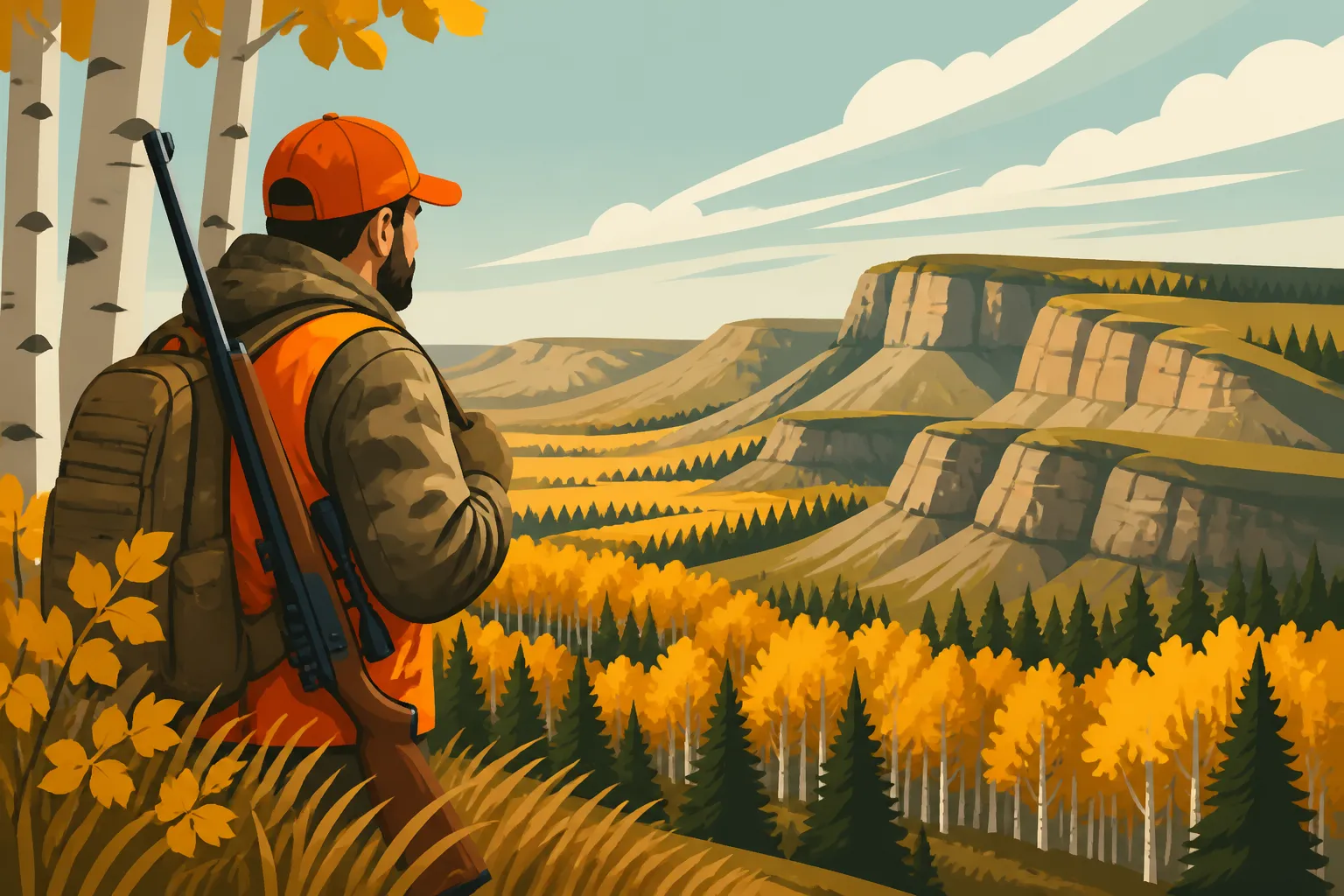
Imagine rolling hills covered in trembling aspen stands, interspersed with open grasslands, willow thickets, and frequently, sloughs or small wetlands. This mosaic landscape defines the aspen parkland. The "bluffs" are those distinct clumps or larger expanses of aspen and willow, often with an understory of buckbrush or saskatoon berry bushes, providing critical cover and browse for game. These bluffs often sit on slight elevations or along drainage lines, acting as natural sanctuaries. The fringes where these bluffs meet agricultural fields are prime locations, as deer and other animals use the cover for bedding and security, then transition to the fields for feeding, especially at dusk and dawn. This interspersion of cover and food sources is precisely what makes the parkland so attractive to wildlife, but also so challenging for hunters to penetrate effectively. Understanding this blend of habitat is key to developing successful strategies for Hunting Alberta's Aspen Parkland Bluffs.
Key Game Species in the Bluffs
While the aspen parkland hosts a variety of wildlife, for hunters, the undisputed kings of these bluffs are white-tailed deer. These animals thrive in the mix of cover and feed, often growing to impressive sizes in the nutrient-rich agricultural areas. You'll find them bedding deep within the bluffs, using the dense cover for protection from predators and harsh weather, and then slipping out to feed in nearby fields of canola, barley, or peas. Mule deer are also present, particularly in the more open, broken terrain where bluffs might transition into coulee systems, though they generally prefer more wide-open Mule Deer in Alberta's Open Country. Beyond deer, you might encounter moose in larger, wetter bluffs or those adjacent to more extensive boreal forest patches, especially closer to the northern edges of the parkland. Black bears are also common, using the dense cover for foraging and denning. For smaller game, ruffed grouse and sharp-tailed grouse make their home here, offering additional hunting opportunities. The sheer variety of game makes the parkland an exciting place to hunt, but it's the whitetail that truly dominates the conversation here.
Scouting and Planning Your Hunt in Aspen Parkland Bluffs
Effective scouting is paramount in the aspen parkland. The highly fragmented nature of the habitat means that simply driving around hoping to spot game often leads to frustration. Instead, a methodical approach blending digital tools and boots-on-the-ground reconnaissance will yield the best results.
Leveraging Topographic Maps and Satellite Imagery
Before you even step foot in the field, modern technology can give you a massive advantage. Satellite imagery, available through platforms like GoHunt, is invaluable for identifying bluffs, treelines, agricultural fields, and natural travel corridors. Look for the "soft edges" where bluffs meet fields—these are often primary entry and exit points for deer. Pay close attention to pinch points, funnels, and natural draws that connect different pockets of cover. Topographic maps, whether digital or physical, will reveal elevation changes, which can dictate how animals move and where they might bed down to take advantage of prevailing winds. Identifying areas with water sources, such as sloughs or creeks, is also crucial, as these often serve as hubs of activity. You can also use these tools to identify potential access points, whether it's an old fence line, a power line right-of-way, or a public road allowance. Don't just look at one bluff; try to understand how several bluffs are connected by cover, creating a larger network of movement. This comprehensive view helps you develop a strategic plan rather than just reacting to individual sightings. I always recommend spending a good amount of time with these digital tools before ever leaving the house when Scouting With Satellite Imagery in Alberta.
On-the-Ground Reconnaissance
Once you've narrowed down your areas of interest on your maps, it's time to get boots on the ground, ideally before the season opens. This is where you confirm your digital scouting observations and find the fresh sign that tells you where animals are actually spending their time. Look for fresh tracks, rubs, scrapes, and bedding areas. Pay attention to the density of the cover—some bluffs are impenetrable, while others have more open pockets or well-used game trails. Follow these trails to see where they lead; often, they'll connect bedding areas within the bluff to feeding areas in adjacent fields or water sources. In the aspen parkland, understanding how deer use the terrain for cover, especially during daylight hours, is critical. They might use a small rise for bedding to catch a thermal, or stick to the deepest, most tangled parts of a bluff for security. Don't be afraid to walk through the bluffs themselves, even if they seem thick. You'll often find hidden pockets of activity that aren't visible from the road or even from satellite imagery. Remember to always respect private property boundaries and seek permission before entering private land, as much of Alberta's Parkland Country and Its WMUs are privately owned. Understanding the Alberta Trespass Act and Hunting is vital before setting out.
Effective Hunting Strategies for the Bluffs
Hunting in the aspen parkland bluffs requires a versatile approach. Depending on the size of the bluff, the number of hunters, and the time of year, different strategies will prove most effective.
Still-Hunting and Stand Placement
Still-hunting is perhaps the most nuanced and rewarding strategy in the bluffs. This involves moving slowly and quietly through the timber, pausing frequently to observe, listen, and glass ahead. The key is to blend into the environment, using the constant movement and sounds of the forest to mask your presence. Focus on working into the wind, paying close attention to thick bedding areas, natural funnels, and the edges of clearings within the bluff. You're not just looking for a whole deer; often, it's an ear twitch, a horizontal line in a vertical world, or a flash of white that gives them away.
For stand placement, look for established game trails, especially those connecting bedding and feeding areas. Bluffs often have multiple trails, so identify the most heavily used ones. Consider areas with fresh sign (rubs, scrapes) or natural pinch points where deer are forced to travel through a narrower corridor. A good tree stand or ground blind on the edge of a bluff overlooking a field is a classic choice, particularly during the rut. However, don't underestimate stands placed inside the bluffs, along well-used trails or near bedding areas, especially if you're targeting deer moving during midday. Remember that wind direction is critical, as deer will often circle downwind of their travel path to scent-check for danger. Hanging a Stand on an Alberta Bush Edge can put you in a prime position.
Driving and Pushing Bluffs Safely and Effectively
For larger bluffs or when hunting with a group, organizing a drive can be incredibly effective, but it requires careful planning and safety protocols. The goal is to push game out of thick cover towards waiting standers. First, thoroughly scout the bluff to understand its boundaries, the likely escape routes for game, and potential hazards. Assign standers to positions that offer clear, safe shooting lanes towards these escape routes, ensuring they have a good backdrop and are aware of everyone else's position. Blaze orange is not just recommended; it's a non-negotiable safety requirement for all participants.
Drivers should move through the bluff systematically, making enough noise to encourage deer to move, but not so much that they spook and break cover wildly. Pushing into the wind is often best, as deer prefer to run downwind to use their nose, but sometimes a crosswind or even downwind push can work if the escape routes are well-covered. Communication is vital, so consider walkie-talkies or designated signals. Always have a clear understanding of the boundaries, the direction of the drive, and what to do if a deer doubles back or if a hunter gets lost. This isn't a chaotic charge; it's a coordinated effort to encourage deer to move predictably towards a safe shot.
Utilizing Calls and Rattling in Parkland
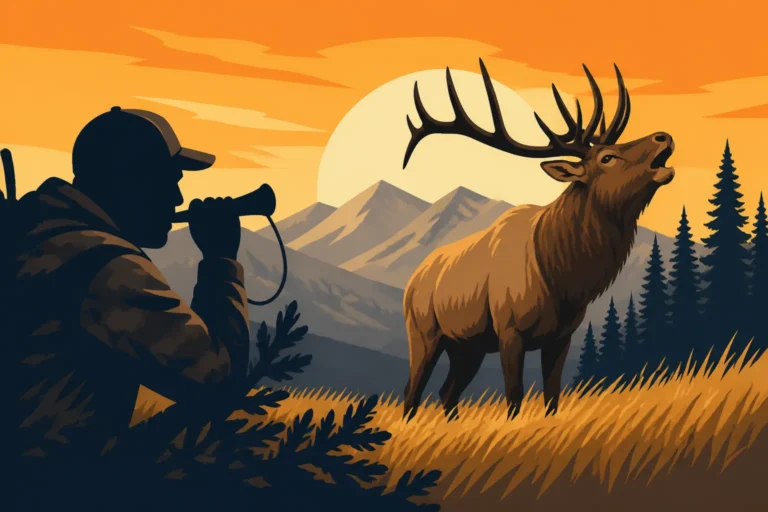
Deer calls can be highly effective in the aspen parkland, especially during the rut when bucks are actively seeking does and rivals. A well-timed grunt call can stop a cruising buck or pique the curiosity of one that's just out of sight. Fawn bleats can sometimes draw in does, and occasionally a curious buck, but use them sparingly.
Rattling antlers is an art form, and the parkland environment offers excellent conditions for it due to the relatively dense cover that helps to hold sound. During the pre-rut and rut phases, imitating two bucks fighting can draw in dominant bucks looking to assert their territory, or smaller bucks hoping to sneak in for a doe. Start with light sparring sounds, escalating to a more intense fight, then fading out. Wait 10-15 minutes after rattling, as bucks often approach cautiously. The key to successful rattling is understanding the proper Rattling Volume in Open Parkland. In open country, you might rattle harder and longer, but in dense bluffs, more subtle, shorter sequences can be surprisingly effective. Combine rattling with grunt calls and scent lures for an even more enticing setup. Always be prepared for a quick shot after calling, as deer can appear silently and unexpectedly.
Essential Gear and Safety Considerations
Hunting the aspen parkland bluffs, while often close to civilization, still requires thoughtful preparation regarding gear and safety. The conditions can change quickly, and navigating dense cover presents its own set of challenges.
Apparel and Footwear for Varied Terrain
The parkland’s diverse terrain—from muddy sloughs and dense brush to open fields and rocky rises—demands versatile apparel. Waterproof, breathable outerwear is non-negotiable, as you'll likely encounter moisture whether it's dew on grass, melted snow, or rain. Layering is key: start with a moisture-wicking base layer, add insulating mid-layers, and top it off with a quiet, durable outer shell. For bottoms, consider brush pants or gaiters to protect against thorns and burrs while moving through thick undergrowth.
Footwear is equally critical. Sturdy, waterproof boots with good ankle support are essential for navigating uneven terrain and wet areas. Insulated boots are a good idea for later seasons when cold becomes a factor. Ensure your boots are well broken-in to prevent blisters, which can quickly ruin a hunt. For visibility and safety, remember that in Alberta, hunters of big game (with some exceptions) are required to wear blaze orange. This is particularly important when still-hunting or participating in drives, as it helps other hunters identify you clearly.
Navigation and Communication
It's surprisingly easy to get disoriented in the winding trails and uniform trees of a large aspen bluff. A reliable GPS device or a smartphone app like GoHunt with downloaded maps is an absolute must. Mark your starting point, your vehicle, and any other important waypoints. Don't rely solely on cell service, as coverage can be spotty in many parkland areas. A compass and a physical map should always be carried as a backup.
Communication within your hunting party is paramount, especially during drives. Two-way radios are excellent for coordinating movements and ensuring everyone is aware of the situation. For solo hunters, or if you venture into areas with no cell service, a satellite messenger device (like an InReach or Zoleo) can be a literal lifesaver, allowing you to send messages and, more importantly, call for emergency help if needed. Always let someone know your hunting plan, including your location and expected return time. This is a basic but critical step for safety when Hunting Alberta Winter Weather Safely.
Dealing with Wildlife Encounters Beyond Your Target
While deer are your primary target, the aspen parkland is home to many other animals, including larger predators. Black bears are common, and while typically shy, surprise encounters can happen, especially if you stumble upon a sow with cubs or a bear on a carcass. Carry bear spray and know how to use it. Make noise as you move through thick cover to avoid surprising an animal at close range.
You may also encounter coyotes and, occasionally, wolves. While these predators generally avoid humans, it's wise to be aware of your surroundings. Understand the difference between curious behavior and aggressive intent. If you have a kill down, be mindful of scavengers approaching the site. Proper Meat Care in Alberta's Cold and Warm Swings is also important; get your animal field dressed and cooled as quickly as possible to prevent spoilage and reduce the scent attractant for other animals. Being prepared for these encounters is just another part of being a responsible hunter in Alberta.
| Strategy Type | Best for | Key Considerations | Ideal Conditions |
|---|---|---|---|
| Still-Hunting | Solo hunters, small bluffs, dense cover | Move slowly, check wind, use binoculars, blend in | Light wind, quiet leaves (after rain/snow) |
| Stand Placement | Active trails, field edges, rut activity | Wind direction, clear shooting lanes, scent control | Early morning/late evening, rut |
| Driving/Pushing | Larger bluffs, group hunts, thick bedding areas | Safety first, clear communication, defined escape routes | Midday, moderate wind |
| Calling/Rattling | Pre-rut/rut, curious bucks, seeking does | Wind, timing, proper technique, patient waiting | Calm conditions, clear visibility within range |
Conclusion
Hunting Alberta's aspen parkland bluffs is a rewarding experience for those willing to put in the effort to understand this unique landscape. It demands a blend of careful planning, strategic execution, and a deep respect for both the game and the environment. By leveraging modern scouting tools, employing varied hunting tactics, and prioritizing safety, you can unlock the full potential of these vibrant hunting grounds. From the thrill of spotting a trophy whitetail emerging from a dense bluff to the challenge of navigating the varied terrain, the parkland offers an unforgettable adventure for any dedicated hunter. Remember to always refresh your knowledge of Alberta's Hunter Education and Conservation Course regulations and ensure you have your Alberta's WIN Card and Wildlife Certificate in order before heading out.
Disclaimer
This guide is intended for informational purposes only and does not supersede official Alberta hunting regulations. Hunters are responsible for knowing and adhering to all current laws, licensing requirements, and safety protocols set forth by Alberta Environment and Parks. Always obtain proper landowner permission when hunting on private property. Hunting is an inherently risky activity, and safety should always be your top priority.