Reporting a Harvest in Alberta
Alright, fellow hunters, let's talk about one of those critical, yet sometimes overlooked, steps after a successful hunt: reporting your harvest. It’s easy to get caught up in the excitement of a full freezer, the hard work of butchering, or the pride of a new trophy, but missing this crucial part of the process can lead to big headaches. This guide is all about demystifying Alberta's harvest reporting requirements, making sure you stay on the right side of the law and contribute to wildlife conservation.
Why Harvest Reporting Matters in Alberta
You’ve put in the time, the effort, endured the cold, and finally, your tag is filled. Congratulations! But the job isn't quite done. Reporting your harvest might feel like just another piece of paperwork, but it's a vital component of wildlife management and conservation in our province. It's not just a formality; it's a responsibility every ethical hunter in Alberta shares.
Conservation and Management Insights
Think about it this way: how do wildlife managers know if a species population is healthy, declining, or thriving? How do they set appropriate quotas and season lengths? They rely heavily on data, and a significant portion of that data comes directly from hunters reporting their kills. Every reported deer, moose, or elk provides a snapshot of the population, helping Alberta Fish and Wildlife make informed decisions for the future of our game animals. Without accurate reporting, they'd be flying blind, and that's not good for anyone who loves hunting in this province. It’s how we ensure sustainable hunting opportunities for generations to come.
When you report your harvest, you're contributing to a larger dataset that tracks success rates, geographical distribution of harvests, and even helps identify trends in animal health. For instance, if harvest numbers are consistently low in a particular area despite good scouting reports, it might signal an underlying issue that needs investigation. This collective data helps shape everything from Alberta Big Game Season Dates to Alberta's Special Licence Draws, ensuring our regulations are based on real-world population dynamics rather than guesswork. It's a direct way for hunters to give back to the resource we cherish.
Legal Obligations and Compliance
Beyond the conservation aspect, reporting your harvest is a legal requirement in Alberta. It’s part of the deal when you purchase your hunting licence and associated tags. Failing to report a harvest within the specified timeframe can lead to fines, penalties, and even loss of hunting privileges. Trust me, no one wants to find themselves in trouble with Fish and Wildlife after a successful and otherwise legal hunt. Ignorance of the rules is never a valid excuse, and enforcement officers take these regulations seriously.
The Alberta hunting regulations clearly outline these requirements, and it’s up to each hunter to familiarize themselves with them. This isn't just about avoiding a ticket; it's about maintaining the integrity of our hunting community. When everyone adheres to the rules, it fosters a stronger, more respected hunting culture. It's about accountability and demonstrating that hunters are responsible stewards of the land and its wildlife. Always check the current regulations, which are updated annually, to ensure you're compliant. Don't rely on what you heard from a buddy five years ago; things can change.
The Step-by-Step Process for Reporting Your Kill
So, you’ve got your animal on the ground, field-dressed, and ready for transport. What’s next for the reporting process? It’s actually quite straightforward once you understand the system, primarily handled through the AlbertaRELM online portal.
Understanding the Online System AlbertaRELM
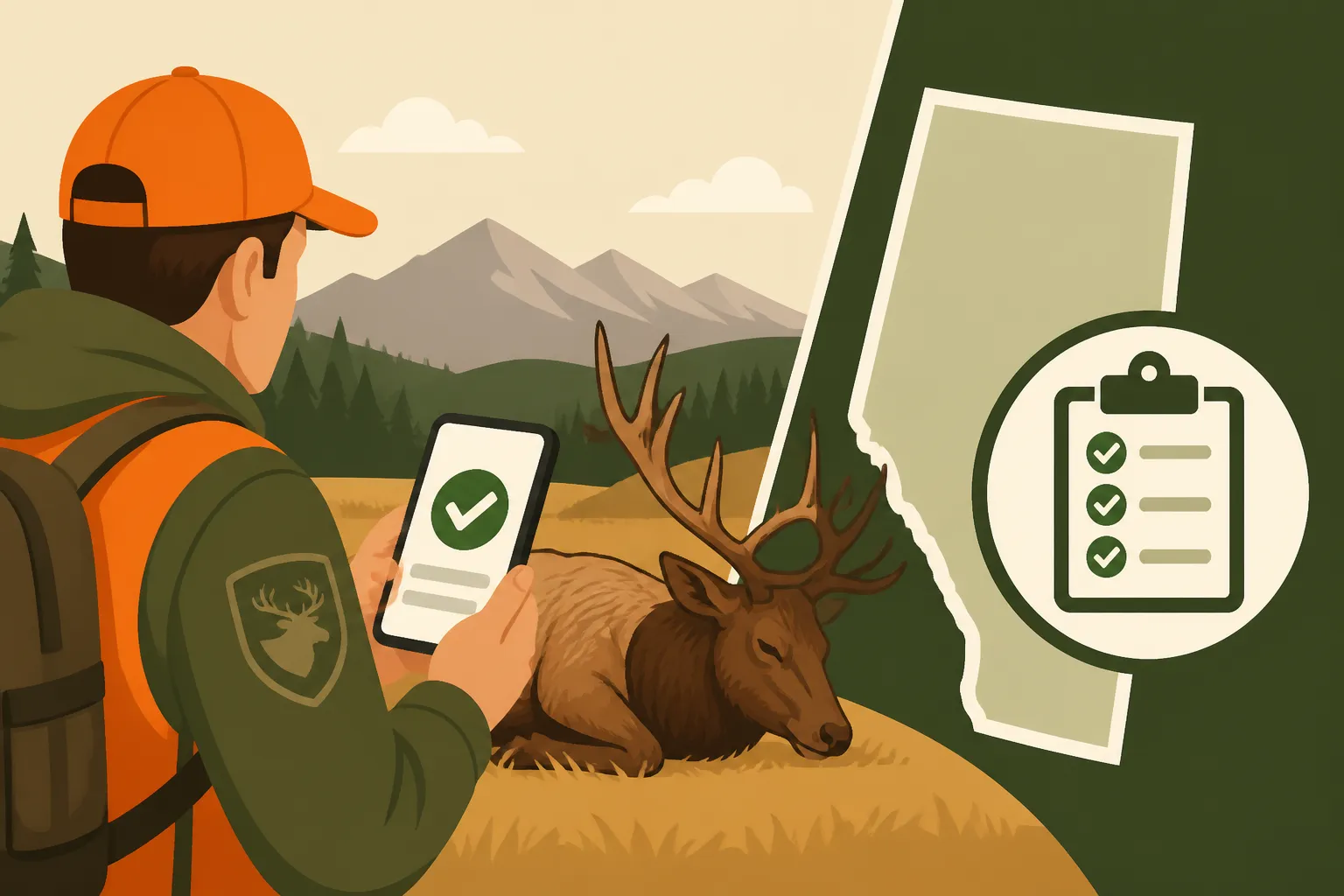
AlbertaRELM (Alberta's Hunting and Fishing Licence System) is your one-stop shop for purchasing licences and reporting your harvest. Once you've purchased your Alberta Hunting Licences and What They Cost and obtained your Alberta's WIN Card and Wildlife Certificate, you’ll use this same portal to log in and record your successful hunt. The beauty of an online system is that it's accessible 24/7, meaning you can report your harvest from almost anywhere with an internet connection, usually within a few days of your kill.
The process typically involves logging into your AlbertaRELM account, navigating to the "Harvest Reporting" section, and selecting the licence you used to tag your animal. You'll then input specific details about your harvest, such as the date of kill, the Wildlife Management Unit (WMU) where the animal was taken, and information about the animal itself (e.g., antler points for deer, sex for moose, etc.). It’s crucial to have this information accurate, so make sure you confirm your WMU location before you start filling out the form. Many hunters, myself included, will take a quick photo of their hunting app (like GoHunt, for instance) showing their precise location on the map, just so there’s no doubt about the WMU number. This foresight can save a lot of headaches later.
Reporting Specific Species and Licence Types
The details you need to report can vary slightly depending on the species and the type of licence you held. For general resident licences, like those for whitetail deer or certain bear seasons, the reporting is usually quite uniform. However, if you've drawn a special licence for a species like moose or elk, or a WMU-special draw for bighorn sheep, in a specific WMU, the system might ask for additional details pertinent to that particular draw. For example, if you bagged an antlered moose on a draw licence, you’ll confirm it was antlered and provide the specific WMU that was listed on your special tag.
Similarly, if you're reporting a black bear, you might be asked to specify if it was a sow or boar, and potentially its color phase, although typically the sex and location are the key data points required. This level of detail helps wildlife biologists understand not just population numbers, but also sex ratios and age class structures within herds, which are vital for sustainable management. Always read the instructions carefully on the AlbertaRELM site when you are Buying Licences on albertarelm.com and when you go to report to ensure you're providing all the necessary information for your specific harvest. Different species have different reporting nuances, and it’s critical to get them right.
Attaching and Cancelling Your Tag
Once you've successfully harvested an animal, the physical tag that came with your licence must be immediately attached to the carcass. This is a non-negotiable step and part of Alberta Tag Attachment and Cancellation Rules. The tag must remain affixed to the animal until it is butchered and prepared for consumption or storage. This acts as immediate proof that the animal was legally harvested under your licence. Don't ever transport an untagged animal – that's a surefire way to run afoul of the law and could lead to serious consequences.
After the tag is physically attached, you typically have a grace period, often within 72 hours, to report the harvest online. Once you've reported it through AlbertaRELM, the system essentially "cancels" that tag electronically, marking your licence as filled for that specific species. It’s an efficient system that links your physical tag to your digital record. Remember, the online reporting is crucial even after the physical tag is on the animal. Both steps are mandatory, ensuring accountability and accurate record-keeping. Make it a habit: tag the animal, then plan to report it online as soon as you have reliable internet access.
Common Pitfalls and Tips for Smooth Reporting
Even with a relatively simple system, it's easy to make mistakes or overlook details, especially when you're tired from a long hunt or excited about your success. A little preparation and awareness can save you from potential trouble.
Avoiding Fines and Penalties
The number one pitfall is simply forgetting to report, or reporting too late. The regulations are clear: report within the specified timeframe. Missing this deadline, even by a day or two, can result in a fine. Another common error is reporting incorrect information, such as the wrong WMU or species sex. Double-check everything before you hit submit. An honest mistake can sometimes be rectified with a call to Fish and Wildlife, but repeated or egregious errors might be viewed less leniently. Always ensure you are on the correct WMU boundary using a mapping application like GoHunt, which helps avoid any reporting errors in the first place.
It's also essential to understand that certain violations, like Rules on Wasting Game Meat or attempting to tag an animal without a valid licence, are far more severe than a missed reporting deadline. These actions not only carry hefty Alberta Penalties for Hunting Violations but also tarnish the reputation of hunters as a whole. Always adhere to ethical hunting practices, and the reporting process will be a straightforward administrative step rather than a source of anxiety.
Keeping Good Records
I can't stress this enough: keep your own personal records. While AlbertaRELM stores your information, having your own system for tracking your hunts, licences, and harvest reports is a smart move. I personally keep a small hunting journal where I jot down the date, WMU, species, and confirmation number from my online report. This isn't just for compliance; it's also a fantastic way to look back on past hunts, learn from your experiences, and plan future adventures.
Your personal records should include copies of your licences, your WIN card number, and any confirmation emails or screenshots from your harvest reports. This paper trail can be invaluable if there's ever a discrepancy or question about your hunting history. It's also incredibly helpful for remembering crucial details, like specific locations, weather conditions, or gear that worked well (or didn't). When it comes to Transporting Game Meat and Proof of Sex, having these records on hand provides an extra layer of peace of mind should you encounter an officer in the field.
Leveraging Digital Tools
In today's world, digital tools can make harvest reporting, and hunting in general, much smoother. Applications like GoHunt are fantastic for precise location tracking, helping you verify the exact WMU you are in when you make a kill. This eliminates guesswork and potential errors in your report. Many modern mapping apps allow you to drop a pin right where your animal fell, so you’ll have the coordinates and WMU number at your fingertips when you go to report.
Beyond location, you can use your smartphone to take photos of your physical tag attached to the animal as well as screenshots of your completed online harvest report for your personal records. Some apps even integrate notes features where you can quickly record the details of your harvest right in the field. This can be especially useful in areas with spotty cell service; you can compile all your information offline and then submit it once you're back in range. Digital tools, including those that help with Scouting With Satellite Imagery in Alberta, are truly transforming how we prepare for, execute, and report on our hunts.
What Happens After You Report
Once you've successfully reported your harvest, you might wonder what happens to all that data. Rest assured, it's not just disappearing into a digital void. This information is a cornerstone of Alberta's wildlife management efforts.
Data Usage for Future Planning
Every piece of harvest data you submit plays a critical role in the ongoing management of Alberta's wildlife populations. Biologists and wildlife managers aggregate this information to monitor trends across various Alberta's Wildlife Management Units. They analyze harvest success rates, the distribution of harvested animals, and the overall health indicators gleaned from thousands of individual reports. This comprehensive data allows them to assess if populations are stable, growing, or declining, and to identify areas that might be experiencing higher or lower hunting pressure than desired.
This analysis directly informs decisions about future hunting seasons, bag limits, and the allocation of special draw licences. For example, if harvest reports show a consistent decline in antlered moose in a specific region over several years, it might prompt wildlife officials to reduce draw quotas or even close a season to allow the population to recover. Conversely, robust reporting indicating healthy, growing populations might lead to increased opportunities for hunters. Your report isn't just about your hunt; it's a small but significant puzzle piece in the bigger picture of sustainable hunting in Alberta for years to come.
CWD Testing and Further Requirements
For deer species (white-tailed deer, mule deer, and elk) harvested in specific parts of Alberta, there's an additional, very important step: submitting the animal's head for Chronic Wasting Disease (CWD) testing. This is a mandatory requirement in certain WMUs and a highly encouraged practice province-wide, as it’s critical for monitoring and managing the spread of this fatal neurological disease. Always check the current regulations to see if the WMU where you harvested your deer or elk falls under a mandatory CWD submission zone.
When you report your harvest through AlbertaRELM, the system will often prompt you if your WMU requires CWD submission and provide information on drop-off locations, such as designated freezer sites. This submission process for Alberta's CWD Testing Requirements is free, and you'll typically receive results back via email within a few weeks. If your animal tests positive, you’ll be notified and advised on what steps to take regarding the meat, as CWD is not transmissible to humans but consumption is not recommended. This testing is crucial for the health of our deer herds and, by extension, the future of deer hunting in Alberta.
Here's a quick overview of the harvest reporting process:
| Step | Action | Details |
|---|---|---|
| 1. Immediate Tag Attachment | Physically affix your tag to the carcass immediately after the kill. | Ensure the tag is securely attached and remains with the animal until butchered. |
| 2. Log into AlbertaRELM | Access the AlbertaRELM online portal using your WIN card number and password. | Accessible 24/7 from any device with internet access. |
| 3. Navigate to Harvest Reporting | Find the "Harvest Reporting" section in your account. | Typically under your "My Account" or "Licences" tab. |
| 4. Select Licence & Species | Choose the specific licence you used for the harvest. | Ensure it matches the animal harvested (e.g., General Deer, Antlered Moose Draw). |
| 5. Input Harvest Details | Provide information: Date of kill, WMU, sex of animal, antler points (if applicable). | Double-check WMU with a mapping app (like GoHunt) for accuracy. |
| 6. Submit Report | Review all details for accuracy, then submit. | Keep a screenshot or confirmation number for your records. |
| 7. CWD Submission (if applicable) | If in a CWD mandatory zone, submit the deer or elk head to a designated freezer station. | Check current regulations for required WMUs and drop-off locations. Results usually emailed within weeks. |
Disclaimer
The information provided in this guide is for general informational purposes only and is not a substitute for the official Alberta hunting regulations. Wildlife regulations can change frequently, and it is the hunter's responsibility to consult the most current Alberta Hunting Regulations Guide published by the Government of Alberta before heading into the field.