Rules on Selling Antlers or Hides
It's a common dilemma for hunters: you've had a successful season, maybe harvested a beautiful buck or a magnificent bull, and now you're wondering what to do with the parts you don't intend to eat or mount. Perhaps you found an impressive shed antler while out scouting. The question often comes down to, "Can I sell this?" The rules around selling antlers, hides, and other game animal parts in Alberta can feel a bit like navigating a legal thicket, especially with the provincial regulations constantly evolving. This guide is here to shed some light on what you legally can and cannot do when it comes to selling these valuable pieces of your hunting experience.
Understanding the Legal Framework for Antlers and Hides
Before we dive into the specifics, it's crucial to grasp the underlying legal principles in Alberta regarding harvested game. This isn't just about what you bag; it's about the inherent status of wildlife in the province.
The Concept of "Possession" and "Ownership"
In Alberta, all wildlife is considered a public resource, meaning it belongs to the Crown (the government) on behalf of all Albertans. When you successfully harvest a game animal and possess the correct licences and tags, you are granted the legal right to possess that animal, or parts of it, for your personal use. This is a critical distinction: you possess it, but you don't necessarily own it in the same way you own a piece of furniture or a vehicle. This public ownership principle extends to all parts of the animal, whether it's the meat, the antlers, or the hide. This fundamental concept underpins all regulations concerning the sale or transfer of game animal parts. It means that any action, like selling a hide or antlers, must align with the province's conservation goals and legal framework, ensuring fair and regulated use of a public resource. Without proper authorization and adherence to regulations, selling these parts can be seen as trafficking Crown property.
What Constitutes a "Game Animal Part"
When the regulations refer to "game animal parts," they're talking about a broad spectrum of items derived from wildlife. This includes, but isn't limited to, antlers, horns, skulls, hides, capes, teeth, claws, and even the meat itself. For hunters, the most common parts of commercial interest are typically antlers and hides. The distinction often comes down to whether the part is considered "edible" or "non-edible," though this is more relevant for meat wastage rules than for general sale. Antlers and hides fall into the non-edible category for obvious reasons, but their treatment under the law can differ. For instance, a bear gall bladder, though non-edible, has a distinct market and is heavily regulated due to poaching concerns. Understanding these definitions is the first step in ensuring you're compliant with the rules, whether you're bringing a trophy to a taxidermist or considering selling a hide. The regulations are designed to prevent commercial exploitation of wildlife and to track animal harvest effectively.
Specific Regulations for Selling Antlers
Antlers are often prized for their aesthetic value, either as a trophy of a successful hunt or as decorative items. However, the rules surrounding their sale are quite specific and depend heavily on how they were obtained.
Shed Antlers Versus Attached Antlers
This is probably the most significant distinction in Alberta when it comes to antler sales. Shed antlers, sometimes referred to as "sheds," are antlers naturally cast off by animals like deer, moose, and elk each year. They are not harvested from a live or deceased animal by a hunter. In Alberta, you are generally allowed to collect shed antlers without a permit, and as long as they are truly shed (i.e., not removed from a carcass), you are typically permitted to sell them. This has led to a thriving shed hunting community, with many enthusiasts using tools like the GoHunt app to scout for prime winter range areas where deer and elk might be dropping their headgear. Always double-check the specific rules on public lands, as some areas may have restrictions on shed collection to protect wintering animals.
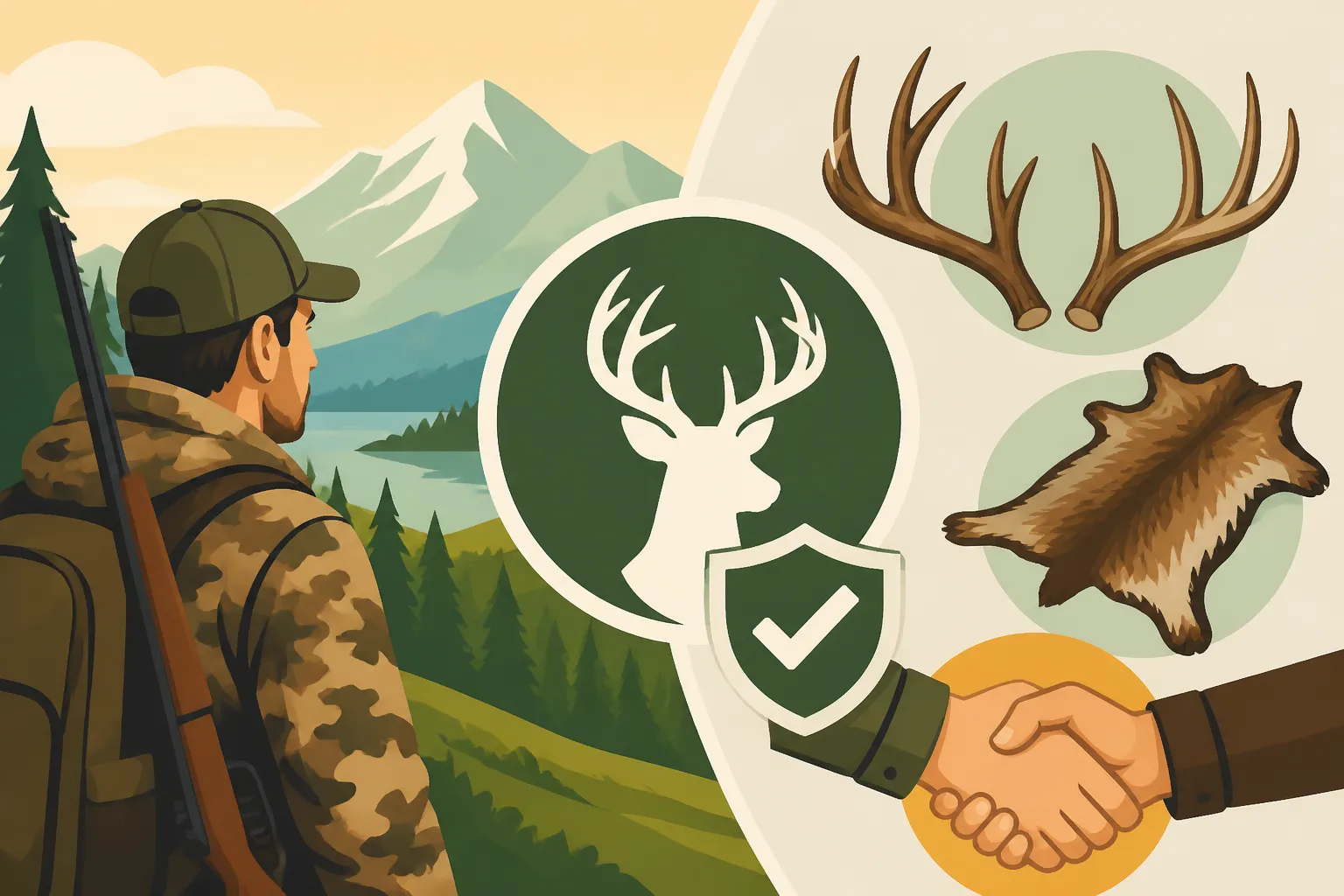
Attached antlers, on the other hand, are those taken directly from a lawfully harvested big game animal. These antlers, along with the skull plate, are considered part of the evidence of your legal harvest. As such, they are subject to much stricter regulations. The intent here is to prevent the illegal trade of game animals and ensure that all harvested animals are accounted for under the licensing system. Selling attached antlers without proper documentation and adherence to specific conditions is generally prohibited and can lead to serious charges. You need to be able to prove that the animal was legally harvested, and the antlers remained with that evidence.
Permitted Sales of Antlers
So, what kind of antlers can you sell? For shed antlers, the answer is usually quite straightforward: if you found it naturally shed, you can sell it. These are often bought by artisans for carving, by crafters for decorative pieces, or by collectors. There's a decent market for high-quality shed antlers.
For attached antlers from a harvested animal, the situation is much more limited. Generally, the sale of antlers directly from a legally harvested big game animal is not permitted to an individual for commercial purposes. The primary purpose of your licence is for personal possession, not commercial gain. However, there are some nuanced exceptions. For instance, if you have a full mount from a legally harvested animal, and later decide to sell that entire taxidermy piece, the antlers are part of the artistic creation and not being sold as raw game parts. Similarly, a taxidermist, as part of their business, might incorporate legally acquired antlers into their work for clients. The key is that the antlers must always be traceable back to a legal harvest. If you've Reporting a Harvest in Alberta, you'll have records that can back this up. It’s imperative to retain your tags and documentation, as these are your proof of legal possession.
Prohibited Sales and Penalties
This is where hunters can easily get into trouble. Selling attached antlers from a harvested animal, or any game animal part from an unlawfully killed animal, is strictly prohibited. This includes antlers that may have been "found" on a carcass if that carcass was not legally harvested by you under a valid licence. The law is designed to prevent poaching and the commercialization of poached animals.
Penalties for violating these regulations can be severe. Fines can range from hundreds to tens of thousands of dollars, depending on the species and the severity of the offence. In some cases, individuals may face jail time, forfeiture of hunting equipment (including vehicles and firearms), and a ban from hunting in Alberta for a specified period. These are serious consequences that far outweigh any potential monetary gain from illegal sales. For example, rules around Alberta Penalties for Hunting Violations can be quite stiff. It's not worth taking the risk. Always be cautious, and if you're unsure, err on the side of caution and consult the current Alberta Hunting Regulations Guide or contact a Fish and Wildlife Enforcement officer.
Specific Regulations for Selling Hides and Capes
Just like antlers, hides and capes (the skin from the head and shoulders, often used for taxidermy mounts) hold significant value. However, their sale is also tightly controlled to prevent illegal wildlife trade.
Raw Hides and Tanning
When it comes to hides, Alberta's regulations differentiate between raw hides and processed (tanned) hides. Generally, you can sell the raw hide of a legally harvested big game animal, such as a deer, moose, or elk, to a licensed tannery or hide buyer. These businesses are equipped to properly process and prepare the hides. This is often an exchange where the hunter might receive a small payment or credit towards tanning services. The reason this is generally permitted is that these hides are typically seen as a byproduct of a legal harvest, and if they weren't utilized, they might be wasted, which goes against the principles of respectful hunting and avoiding Rules on Wasting Game Meat.
Once a hide has been commercially tanned and processed, it is generally considered a "product" and can be sold more freely. At this stage, it has undergone a significant transformation from a raw animal part into a manufactured good. However, you should still be able to provide proof of lawful possession if ever questioned, especially for valuable or exotic hides.
Proof of Lawful Possession for Hides
For both raw and tanned hides, maintaining clear proof of lawful possession is paramount. This typically means keeping your original hunting licence, corresponding tag, and any harvest reports. When you sell a raw hide to a tannery, they will often require you to fill out documentation that links the hide to your licence. This creates a chain of custody that helps ensure all hides in commercial circulation originated from legal sources.
If you plan to sell a tanned hide privately, it's a good practice to provide the buyer with a copy of your relevant hunting licence and a written statement confirming the legal harvest. This protects both you and the buyer. Remember, the general rule is that anyone in possession of game animal parts must be able to demonstrate that they were obtained legally. Whether you're tracking potential hunting areas with GoHunt or preparing for your hunt, ensure you're always keeping meticulous records of your harvest. This is particularly important for species like bear, where hides and claws can be subject to higher scrutiny due to international trade regulations (CITES).
Commercial Sales and Licensing
For individuals, selling a few hides or sheds casually usually doesn't require a commercial license. However, if you intend to engage in the sale of game animal parts on a larger, more regular, or commercial scale—for example, as a primary business activity—you would likely need to obtain the appropriate commercial licenses from the province. This is typically required for operations like commercial tanneries, taxidermy businesses, or stores that deal exclusively in wildlife parts. These licenses ensure that businesses are operating within the legal framework, sourcing their materials legitimately, and contributing to the responsible management of Alberta's wildlife resources.
Individuals who frequently find sheds on Crown Land, perhaps by referencing tools like GoHunt to understand land boundaries, should still be mindful of the scale of their activities. While shed collection itself is generally permitted, if one were to operate a large-scale commercial enterprise solely on the back of publicly collected sheds, there might be additional considerations. It’s always best to consult with Fish and Wildlife to understand if your activities cross into requiring a commercial permit.
General Considerations and Best Practices
Navigating wildlife regulations can be complex, but adhering to some general best practices can save you a lot of headaches down the road.
Importance of Documentation and Records
I cannot stress this enough: keep meticulous records! Your hunting licence, your tags (even after cancellation), and any harvest reports are your golden tickets. If you have an animal mounted, ensure your taxidermist provides you with a receipt that details the species, your name, and potentially the licence number. This documentation serves as your undeniable proof of legal possession. Should you ever be questioned by Fish and Wildlife Enforcement about how you acquired an antler or hide, having these records instantly resolves any doubt. This is especially true if you are Transporting Game Meat and Proof of Sex across jurisdictions or just taking your trophy home after a hunt. Digital copies, alongside physical ones, are also a good idea.
Dealing with Commercial Buyers and Taxidermists
When you're dealing with a tannery, hide buyer, or taxidermist, always choose reputable businesses. A legitimate operation will always ask for proof of legal harvest (your licence number, tag number, etc.) and keep their own records. Be wary of any buyer who seems uninterested in where the animal part came from or who offers to pay cash under the table for items that should require documentation. These are major red flags. Reputable taxidermists, for instance, understand the legal requirements for items like a bear rug or a deer shoulder mount, and will guide you through what documentation they need to legally work on and eventually return your trophy. While GoHunt is excellent for scouting game, it won't help you vet a taxidermist – for that, rely on word-of-mouth and professional affiliations.
Avoiding Legal Pitfalls
Ignorance of the law is never an excuse. Even if you genuinely didn't know a rule, you can still face penalties. The best way to avoid legal pitfalls is to stay informed. Always read the current Alberta Hunting Regulations Guide, which is updated annually. Pay particular attention to sections regarding possession, transfer, and sale of wildlife parts. If you are ever in doubt, contact Alberta Fish and Wildlife Enforcement or a local conservation officer for clarification. They are there to help ensure compliance, not just to enforce. Don't rely on hearsay or what "everyone else does." What might be legal for collecting shed antlers while you are Scouting an Alberta WMU Before Season might be very different for selling a bear hide. It’s better to ask a simple question than to face a significant fine or lose your hunting privileges.
Summary of Antler & Hide Sales Regulations in Alberta
| Item Type | How Obtained | Permitted Sales (Generally) | Prohibited Sales (Generally) | Key Documentation Needed |
|---|---|---|---|---|
| Shed Antlers | Naturally shed by the animal. | Yes, for personal or commercial purposes. | None, as long as genuinely shed. | None (unless large commercial operation might require business license) |
| Attached Antlers | From a legally harvested game animal. | No, as raw parts. Exception: as part of a complete taxidermy mount. | Yes, direct sale of raw antlers or skull plate. | Hunting Licence, Tag, Harvest Report. |
| Raw Hides / Capes | From a legally harvested game animal. | Yes, to a licensed tannery or hide buyer. | Direct sale to individuals or unlicensed entities for commercial use. | Hunting Licence, Tag, Harvest Report. |
| Tanned Hides | From a legally harvested animal, processed. | Yes, to individuals or businesses (as a finished product). | N/A, once processed it's largely treated as a manufactured good. | Proof of legal harvest (original licence/tag information). |
| Other Parts | Teeth, claws, bones, etc. | Varies greatly by species (e.g., bear parts highly restricted). | Check specific regulations for each species; many are prohibited. | Hunting Licence, Tag, Harvest Report; CITES permits for some species. |
Remember, this table is a general guide. Always refer to the official Alberta Hunting Regulations for the most up-to-date and specific rules.
Disclaimer
The information provided in this guide is for general informational purposes only and does not constitute legal advice. Hunting regulations in Alberta are subject to change, and interpretations can vary. It is your responsibility to consult the most current Alberta Hunting Regulations Guide, available from the provincial government, or contact Alberta Fish and Wildlife Enforcement for specific legal advice regarding your situation. Failure to comply with regulations can result in significant penalties.