Reporting a Poacher in Alberta
It's a gut-wrenching feeling, isn't it? You're out in Alberta's beautiful wild, perhaps scouting for the season, checking trail cameras, or simply enjoying nature, and you stumble upon something that just doesn't sit right. An out-of-season kill, a suspicious vehicle, or activity that screams "illegal." That moment can feel isolating, but knowing how to report a poacher in Alberta is crucial for every ethical hunter and outdoor enthusiast. This guide is here to walk you through the process, empowering you to protect our shared wildlife heritage.
The Heartbreak of Poaching and Why It Matters
Poaching isn't just about someone breaking a rule; it's a direct assault on the very fabric of our hunting traditions and the health of Alberta's wildlife populations. When you see it, that knot in your stomach isn't just about anger; it's about the future of hunting and the animals we cherish.
Understanding the Impact of Illegal Hunting
The consequences of illegal hunting extend far beyond the individual animal taken. Ecologically, poaching can severely disrupt population dynamics, especially if it targets breeding animals or species already facing challenges. For instance, if a prized bull elk is poached outside of the season or without a draw, that's a loss of prime genetics that could have contributed to the herd's strength for years to come. It undermines all the hard work and resources dedicated to conservation, from habitat preservation to scientific studies. Ethically, it tarnishes the reputation of all responsible hunters. We pride ourselves on fair chase, respect for wildlife, and adherence to regulations – values that poachers completely disregard. This can lead to public backlash against hunting in general, making it harder for our community to advocate for our sport and secure future opportunities. Ultimately, poaching steals from all of us, diminishing the opportunities for future generations to experience the incredible wildlife Alberta has to offer.
Common Types of Poaching in Alberta
Unfortunately, poaching takes many forms here in Alberta. It's not always the dramatic, Hollywood-style image of someone sneaking in at night with a spotlight, although that certainly happens. Often, it's more subtle, but equally damaging. We see situations where individuals hunt out of season, taking an animal when its vulnerability is highest or when no legal season is open. Another common issue is exceeding bag limits – taking more animals than legally allowed, depleting local populations faster than they can recover. Then there's the use of illegal methods, like hunting with prohibited firearms, using bait where it's not permitted for certain species, or the highly destructive practice of night hunting with spotlights, which is not only illegal but incredibly dangerous. We also deal with illegal possession of tags, where someone might try to tag an animal with a friend's unused tag, or even worse, reuse a tag. And of course, trespassing on private land to hunt without permission is a significant problem, eroding landowner trust and making it harder for legitimate hunters to gain access. Even something as seemingly minor as failing to report a harvest in Alberta can contribute to misinformation about population numbers, leading to poor management decisions down the line. It's a broad spectrum of illegal acts, each chipping away at the health of our wildlife.
How to Report a Poacher in Alberta: The Essentials
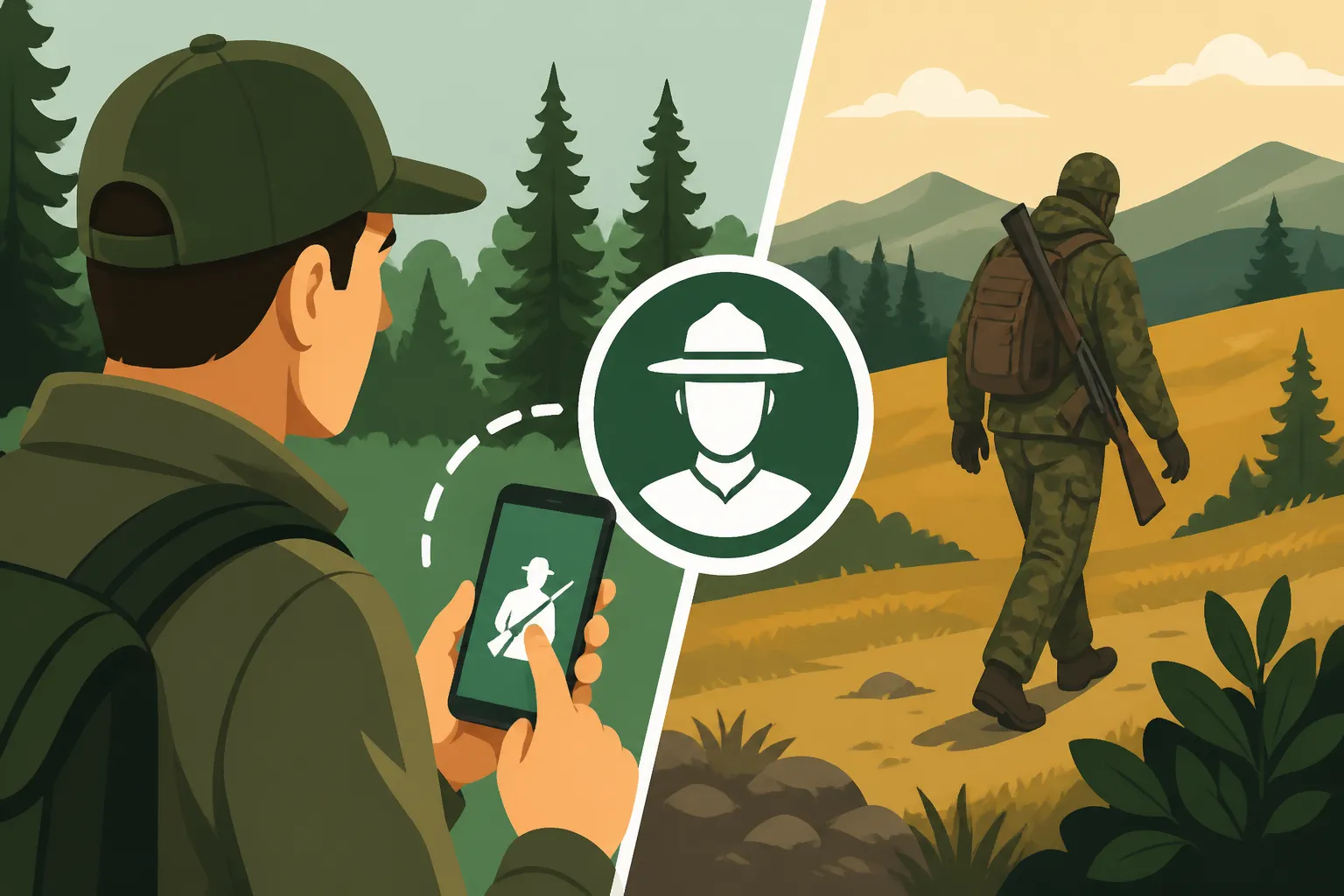
When you encounter suspected poaching, your immediate thought might be to intervene. However, your safety and the integrity of the evidence are paramount. The best course of action is almost always to observe, document, and report to the authorities.
The Report a Poacher Line: Your First Call
When you witness a wildlife violation, the most direct and effective way to report it is by calling Alberta's Report a Poacher line. This dedicated hotline is monitored by Fish and Wildlife officers who are trained to handle these situations, dispatching personnel, and initiating investigations. The number is 1-800-642-3800, and it's available 24/7. Seriously, save this number in your phone right now. It's designed for urgent matters where an incident is actively unfolding, or you have recent, time-sensitive information. Don't hesitate to call, even if you feel uncertain. It's always better to let the professionals assess the situation. Your call can lead to an immediate response, potentially apprehending offenders and preventing further harm to wildlife. When you call, be prepared to speak calmly and clearly, providing as much detail as possible. Remember, you're giving them the pieces of a puzzle they need to solve.
What Information to Gather Before You Call
The more information you can provide to the Report a Poacher line, the better equipped Fish and Wildlife officers will be to respond effectively. Think like an investigator without putting yourself in harm's way.
- Specific Location: This is absolutely critical. Don't just say "near Sundre." Give the closest road name, intersection, GPS coordinates (if you have them from your phone or a device like a Garmin), or even distinct landmarks like a specific culvert, power line, or unique tree. Mentioning the Wildlife Management Unit (WMU) you are in, which you can often check using apps like GoHunt, is incredibly helpful.
- Date and Time: Be precise. Was it happening now? An hour ago? Yesterday? The exact time helps officers reconstruct the timeline.
- Suspect Description: If you can safely observe, note gender, approximate height, build, hair colour, and any distinguishing clothing or features. Resist the urge to confront them; just observe from a safe distance.
- Vehicle Details: This is often the most important piece of evidence. Get the make, model, colour, and most importantly, the license plate number (including the province or state). Note any distinguishing features like dents, stickers, or unique accessories.
- Species Involved: What animal did you see? Was it a white-tailed deer, a mule deer, an elk, or something else? Was it antlered or antlerless? How many?
- Type of Violation: Briefly describe what you believe is happening. Is it hunting out of season? Shooting from a road? Using a spotlight? Over-limit?
- Evidence at the Scene: Did you see a carcass? Blood? Spent shell casings? Track marks? Anything that could indicate a violation occurred.
Again, I cannot stress this enough: do not confront suspects. Your safety is paramount. Observe from a distance, take photos or videos discreetly if safe to do so, and be ready to relay everything you've seen.
Using Online Tools for Reporting
For situations that are less urgent, or if you prefer a non-phone method, Alberta Fish and Wildlife also provides an online form for reporting suspected violations. You can usually find this on the official Alberta government website under "Fish and Wildlife Enforcement." This is a good option for incidents you witnessed some time ago, or for ongoing activities that aren't an immediate threat but still need to be documented. While it's less immediate than the phone line, it serves as an important record and allows officers to follow up when resources permit. Always remember, if it's happening right now or involves public safety, the 1-800-642-3800 number is your best bet. The online form is for those times when you can provide detailed information without the immediate pressure of an unfolding event, ensuring that even historical or less urgent concerns get the attention they deserve.
Here’s a quick summary of what to look for when reporting:
| Information Category | Specific Details to Note | Importance |
|---|---|---|
| Location | GPS coordinates, nearest road, WMU, landmarks | Crucial for officers to locate the scene quickly. |
| Time & Date | Exact time of observation, date of incident | Helps establish a timeline and determine officer response. |
| Suspect Description | Physical features, clothing, gender, number of individuals | Aids in identification and potential apprehension. |
| Vehicle Details | Make, model, colour, license plate (province/state), distinguishing marks | Often the strongest identifying factor for investigation. |
| Species & Number | Animal type, antlered/antlerless, quantity involved | Verifies the type of violation and scale of impact. |
| Violation Type | Description of illegal activity (e.g., night hunting, no tag) | Clearly defines the nature of the crime committed. |
| Additional Evidence | Photos/videos (if safe), spent casings, blood, tire tracks | Provides concrete proof and helps corroborate testimony. |
What Happens After You Make a Report
It's natural to wonder what happens once you've made that call or filled out the online form. You've done your part, but the wheels of justice can turn slowly, and sometimes, the outcome isn't immediately visible to you.
The Role of Fish and Wildlife Officers
Once your report is received, it's assessed by Alberta Fish and Wildlife officers. These dedicated individuals are the frontline guardians of our wildlife. For urgent calls to the Report a Poacher line, officers in the area will be dispatched to investigate. This could involve patrolling the reported location, setting up surveillance, or even direct intervention if the activity is ongoing and safe to do so. They meticulously gather evidence, interview witnesses (if you've provided your contact information and are willing), and piece together the facts. The challenges they face are immense; vast landscapes, limited resources, and often cunning perpetrators. They have to exercise discretion, prioritizing the most serious and time-sensitive cases. It's a complex process that requires specialized training, local knowledge, and an unwavering commitment to conservation. Sometimes, they might already be investigating the individuals or locations you've reported, and your call simply provides the crucial piece of information they needed to act. Remember, their work is often clandestine, so you might not see immediate uniformed presence, but rest assured, they are often working behind the scenes.
Confidentiality and Witness Protection
A common concern for anyone reporting a poacher is the fear of reprisal. This is completely understandable. Alberta's Report a Poacher program takes confidentiality very seriously. You are not required to provide your name or contact information when making a report. You can remain completely anonymous. If you choose to provide your details, perhaps to offer further assistance or clarify information, your identity will be kept confidential unless required by law for court proceedings, and even then, measures can be taken to protect witnesses. Fish and Wildlife officers understand the need for discretion and are trained to handle sensitive information. The goal is to protect wildlife, and that includes protecting those who come forward to help. This commitment to anonymity is vital in encouraging people to report violations without fear, strengthening the overall network against illegal hunting. We all have a role to play in protecting our wilderness, and that protection extends to the brave individuals who speak up.
The Outcome: What to Expect
After you make a report, it can often feel like your information disappears into a black hole. This is a common frustration, but it's important to understand why you might not hear back directly. Fish and Wildlife investigations are often complex and can take time. Unlike a direct police report where you might get a case number, the "Report a Poacher" line doesn't always provide immediate follow-up to anonymous callers. An investigation might lead to charges, fines, seizure of equipment, or even jail time for serious offenses. Offenders can also lose their hunting privileges, which for true hunters, is a devastating consequence. For example, if someone is caught Hunting Mule Deer in the Badlands Coulees out of season, they could face significant penalties. However, for every report made, there are many factors at play. Sometimes, there isn't enough evidence to pursue charges. Other times, the officers may investigate, but the outcome isn't publicized. It’s important to trust that your information is taken seriously and contributes to the overall enforcement effort, even if you don't see the direct result. Every piece of information helps build a bigger picture, sometimes connecting multiple smaller incidents to expose a larger poaching operation. Even if it doesn't lead to an immediate conviction that you know about, your vigilance makes a difference.
Preventing Poaching and Promoting Ethical Hunting
Reporting a poacher is a crucial step, but we, as a community of hunters and outdoor enthusiasts, also have a larger role to play in preventing poaching and fostering a culture of ethical behavior.
Being a Vigilant and Responsible Hunter
The best defense against poaching is an engaged and vigilant hunting community. This means not just abiding by the rules yourself, but also keeping an eye out for suspicious activity when you're in the field. When you're out Hunting Alberta's September Archery Opener or tracking game in the late season, pay attention to more than just game trails. Notice vehicles that seem out of place, odd shooting patterns, or unusual behavior from other individuals. Familiarize yourself with the regulations for your specific WMU, understanding what's in season and what the legal limits are. Knowledge is power, and being well-versed in the rules helps you identify when something is truly amiss. Use mapping tools like those found on GoHunt to understand boundaries and legal access, which can help differentiate a trespasser from a legitimate hunter. Your presence in the field, simply being a responsible hunter, acts as a deterrent to those who might consider breaking the law. We are the eyes and ears of the wilderness, and our collective presence sends a clear message: illegal activity will not go unnoticed.
Supporting Conservation Efforts
Beyond reporting, actively supporting conservation efforts is another powerful way to combat poaching. Organizations like the Alberta Conservation Association (ACA) work tirelessly on habitat preservation, wildlife monitoring, and educating the public about the importance of ethical practices. When you buy your hunting licence, a portion of that fee goes directly into conservation, funding initiatives that protect the very animals we hunt. Consider becoming a member or volunteering your time with these groups. Every dollar and every hour helps reinforce the message that our wildlife is a precious resource, not to be exploited. These efforts strengthen populations, making them more resilient to the impacts of poaching and ensuring that there are healthy game numbers for all legal hunters. By being part of the solution, you're investing in the long-term health of Alberta's wildlife and the future of our hunting heritage. You can also educate yourself on Alberta's CWD Testing Requirements, as understanding game diseases helps maintain healthy herds.
Educating Others and Leading by Example
Sometimes, a "poaching" incident isn't malicious, but rather a result of ignorance. While ignorance is no excuse for breaking the law, as ethical hunters, we have an opportunity to educate others. This doesn't mean confronting people aggressively, but rather leading by example and being a resource for accurate information. Share stories of successful, ethical hunts. Discuss the importance of understanding Alberta Big Game Season Dates and respecting bag limits. If you see someone making a minor mistake that isn't clearly malicious, a friendly conversation about regulations or best practices might prevent a future violation. Encourage new hunters to take their Alberta Hunter Education and Conservation Course seriously. By fostering a strong community of knowledgeable, ethical hunters, we create an environment where poaching is not tolerated, and responsible stewardship is the norm. Whether it's showing someone how to properly tag their animal or discussing the importance of proper Meat Care in Alberta's Cold and Warm Swings, every interaction is an opportunity to strengthen our collective commitment to conservation.
Disclaimer
Please note that the information provided in this guide is for general informational purposes only and does not constitute legal advice. Hunting regulations in Alberta are subject to change. Always refer to the most current Alberta Guide to Hunting Regulations and consult with Alberta Fish and Wildlife for definitive rules and legal interpretations. Your safety and adherence to all laws are your responsibility.