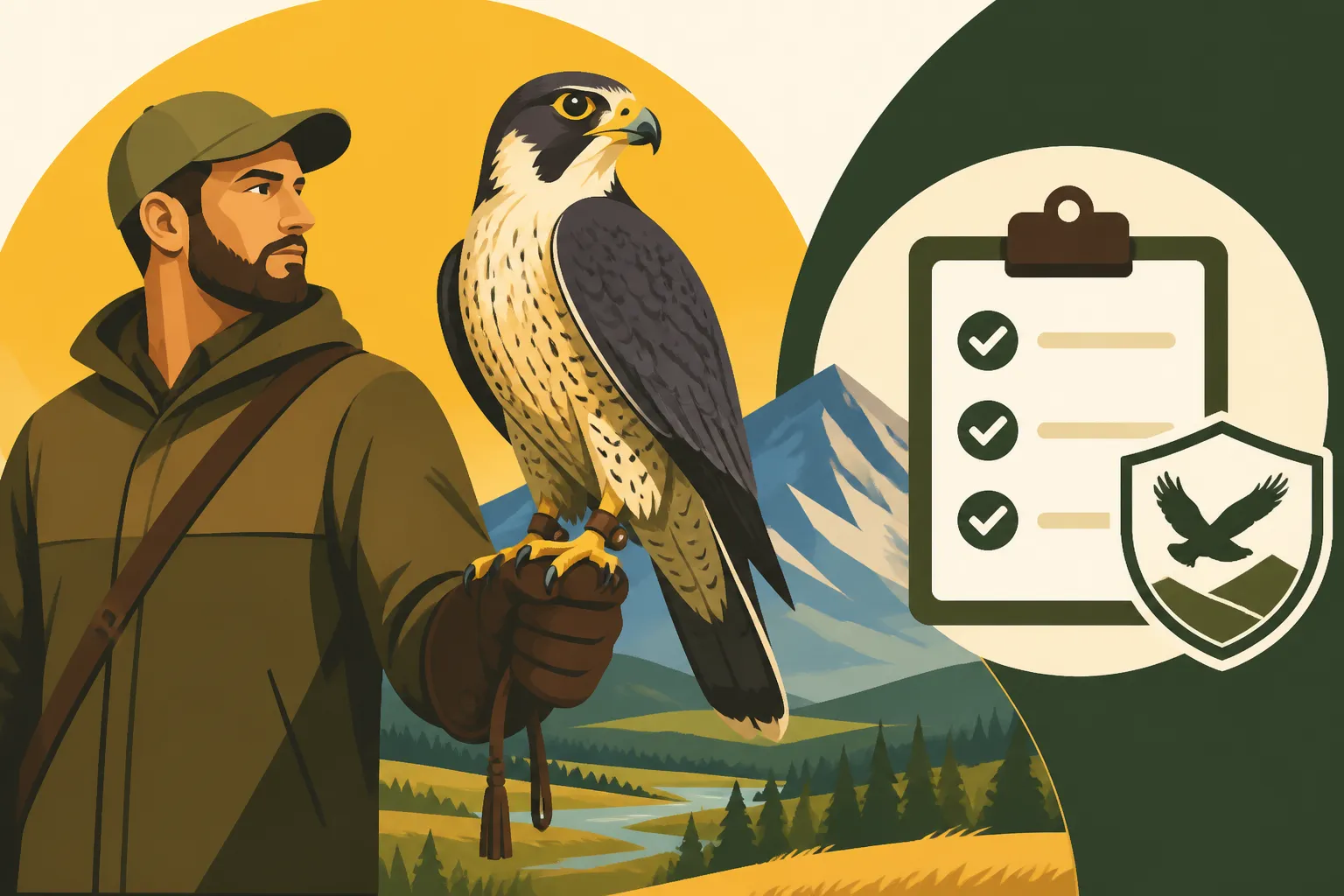
Falconry Permit Rules and Testing
Embarking on the journey of falconry in Alberta is a truly unique and deeply rewarding pursuit, but let's be honest, the regulatory landscape can feel as dense as a thick boreal forest when you're first trying to figure out how to get a permit. It's not just about a love for raptors; it's about understanding a complex set of rules, committing to rigorous testing, and dedicating yourself to an ancient art. This comprehensive guide is here to demystify the process, walking you through Alberta’s falconry permit rules and testing requirements, so you can navigate this incredible path with confidence.
Understanding the Dedicated Path of Alberta Falconry
Falconry isn't just a hobby; it's a profound lifestyle commitment steeped in history and an unwavering dedication to the raptors themselves. For many, the allure is undeniable – the silent flight, the precision of the hunt, the incredible bond forged between human and bird. However, before you even consider applying for a permit in Alberta, it's crucial to grasp the immense responsibility that comes with it. This isn't like picking up a fishing rod; you're taking on the care and well-being of a wild creature. The province’s rules are designed to ensure that only those truly prepared for this dedication are granted the privilege. You're signing up for a journey that requires significant time, financial investment, and a deep, ethical understanding of wildlife management.
The Steep Learning Curve and Mentorship Requirement
One of the initial hurdles, and indeed a cornerstone of responsible falconry, is the steep learning curve. Alberta’s system, much like many others, recognizes that expertise isn't acquired overnight. This is where the concept of an apprentice falconer comes into play. If you're new to falconry, you won't be able to just jump in and start flying a hawk on your own. You'll need to find a sponsor—an experienced General or Master Falconer—who will guide you through your first few years. This mentorship is absolutely invaluable. Your sponsor isn't just a name on a form; they are your teacher, your sounding board, and your ethical compass. They'll teach you everything from how to handle your bird properly to understanding its health, diet, and hunting behaviours. They’ll share insights on where to find suitable game birds, how to manage your bird’s weight for optimal performance, and how to navigate the specific nuances of Alberta’s diverse landscapes. This hands-on guidance is critical, ensuring that new falconers develop the necessary skills and, more importantly, the deeply ingrained respect for both the birds and the wild places they inhabit. It's a commitment for both mentor and apprentice, fostering a lineage of knowledge and responsible practice that spans generations.
Ethical Considerations and Conservation
Beyond the technical skills, falconry in Alberta, and everywhere else, carries significant ethical weight. Falconers are, by nature, conservationists. They are intimately connected with the health of wild bird populations and their habitats. This means understanding and adhering to strict regulations regarding the capture of wild raptors, if applicable, or the ethical sourcing of captive-bred birds. It means knowing which species are protected, which are permitted for falconry, and the specific quotas or restrictions that might apply. For instance, you’ll learn that certain raptor species are either entirely off-limits or have very specific requirements for acquisition. The regulations are in place to prevent any negative impact on wild populations, ensuring that this ancient sport remains sustainable. Every decision, from choosing a bird to selecting a hunting ground, is rooted in responsible stewardship. A true falconer considers the well-being of their bird, the health of the prey species, and the ecological balance of the hunting environment. They understand that their actions reflect on the entire falconry community and contribute to the broader perception of hunting and wildlife management.
Navigating the Alberta Falconry Permit Application
Once you’ve truly understood the dedication involved, the next step is to tackle the permit application process itself. It can seem a bit daunting with various forms and requirements, but breaking it down makes it much more manageable. Alberta Environment and Parks is the governing body for these permits, and they take the application process very seriously to ensure the welfare of the birds and the integrity of the sport. You'll need to demonstrate not only your commitment but also your knowledge and capability before you can even think about acquiring a raptor.
Initial Requirements and Application Forms
Before you even fill out an application, there are a few foundational steps you’ll need to complete. Firstly, like any hunter in Alberta, you’ll need a Wildlife Identification Number (WIN) Card. This is your essential identifier for all hunting and fishing activities in the province and can be obtained through the MyAlberta system or authorized vendors. Secondly, you will likely need to pass the Alberta Hunter Education and Conservation Course if you haven't already, as it provides a crucial baseline understanding of wildlife management, regulations, and ethical hunting practices in the province. While falconry has its own specific tests, the core principles of ethical hunting and safety covered in the general hunter education course are foundational. Once these are in place, you can then delve into the specific falconry permit application forms. These forms will ask for detailed personal information, your proposed mews (housing for your raptor), and, critically, information about your sponsor if you’re applying as an apprentice. Don't rush this part; incomplete or inaccurate information can significantly delay your application. Make sure to double-check every field and attach all required documentation, which might include site plans for your mews, references, or proof of specific training or experience if you're not an apprentice. You can often find the necessary forms and detailed guidelines on the Alberta government's website. Sometimes, online portals like GoHunt can provide supplementary information or links to the official resources, making it easier to gather all the necessary documentation in one place.
Permit Levels: Apprentice, General, and Master
Alberta’s falconry permits are structured in a tiered system, reflecting the progression of experience and skill:
- Apprentice Falconer Permit: This is where everyone starts. As an apprentice, you are required to have a sponsor—an experienced General or Master Falconer—who will oversee your activities and provide mentorship for a minimum of two consecutive years. During this period, you are typically limited to possessing a single, less challenging raptor species, often a passage Red-tailed Hawk or American Kestrel, which are more common and robust. The emphasis here is on learning the ropes, developing sound husbandry skills, and gaining practical hunting experience under direct supervision.
- General Falconer Permit: After successfully completing your apprenticeship, demonstrating competence, and passing the required evaluations, you can apply for a General Falconer Permit. This level allows you to possess a greater variety of raptor species and removes the requirement for a sponsor. It signifies that you have proven yourself capable of independent falconry. However, even at this stage, there are still limits on the number of birds you can possess and specific restrictions on certain, rarer species.
- Master Falconer Permit: This is the pinnacle of falconry in Alberta, requiring at least five years of experience as a General Falconer. Master Falconers are recognized for their extensive experience, deep knowledge, and significant contributions to the art and conservation of falconry. They have the broadest privileges in terms of species and number of birds but also carry the greatest responsibility as mentors to new apprentices and ambassadors for the sport.
Each tier demands a different level of demonstrated skill and knowledge, ensuring a gradual progression that safeguards the welfare of the raptors and the reputation of falconry. Understanding these levels is key to setting realistic expectations for your journey.
| Permit Level | Minimum Experience | Sponsor Required? | Raptor Species Limitations | Typical Duration for Progression |
|---|---|---|---|---|
| Apprentice | None (must pass exams & facility inspection) | Yes | Limited (e.g., Red-tailed Hawk, American Kestrel) | Minimum 2 years |
| General | 2 years as Apprentice Falconer | No | Moderate (broader range than apprentice, still some limits) | Minimum 5 years |
| Master | 5 years as General Falconer | No | Broadest (most species and numbers allowed) | N/A (highest level) |
The Falconry Examination and Practical Assessment
Getting through the paperwork is just the first step. Alberta's commitment to responsible falconry means you’ll also face comprehensive examinations designed to ensure you truly have the knowledge and practical skills required. These aren't just formality; they are serious tests of your dedication and understanding.
The Written Examination: Knowledge is Power
The written examination for an Alberta falconry permit is extensive, covering a wide array of topics crucial for successful and ethical falconry. You can't just cram for this; it requires genuine study and comprehension. Expect questions on:
- Raptor Biology and Ecology: Understanding the specific species you plan to work with, their natural habitats, dietary needs, reproductive cycles, and behaviors. This includes being able to identify common prey species, such as those covered in Upland Bird Hunting in Alberta or even Waterfowl Hunting Alberta's Grain Fields.
- Health and Husbandry: This is paramount. You'll need to know about common raptor diseases, preventative care, nutrition, weight management, and how to identify signs of illness or injury. Proper mews design, perching, and feeding routines will also be key topics.
- Equipment and Maintenance: Detailed knowledge of falconry equipment (e.g., jesses, leashes, bells, telemetry) and its proper use and maintenance. Safety for both the bird and the falconer is a core theme here.
- Alberta Regulations: A deep understanding of the province's wildlife acts, hunting regulations, permit conditions, and ethical guidelines. This includes knowing Alberta Game Bird Seasons and Limits and specific rules for falconry.
- Training and Handling Techniques: Principles of positive reinforcement, conditioning, lure flying, and how to safely handle a raptor in various situations.
Preparation for this exam often involves extensive reading, attending workshops, and, most importantly, learning directly from your sponsor. There are numerous resources available, from classic falconry texts to online communities and educational materials. Many aspiring falconers find it helpful to connect with the Alberta Falconry Association for study guides and advice. Remember, passing this exam isn't just about getting a permit; it's about proving you have the foundational knowledge to provide a raptor with a healthy and fulfilling life.
Facility Inspection and Practical Assessment
Beyond the written test, Alberta’s permit process includes a critical practical assessment, starting with an inspection of your proposed mews and equipment. This isn't just a casual look-over; it's a detailed check to ensure that you can provide a safe, sanitary, and appropriate environment for your raptor. The inspector will be looking for:
- Mews Design: Is the mews (the raptor's enclosure) of adequate size for the species? Is it secure from predators and escape? Is it well-ventilated and protected from extreme weather? Are there appropriate perches that are safe for the bird's feet?
- Equipment: Do you have all the necessary falconry equipment, and is it in good condition? Do you know how to properly use each piece, from tying jesses to operating telemetry?
- Sanitation: Is the area clean? Are you prepared to maintain a hygienic environment to prevent disease?
Following a successful facility inspection, you'll undergo a practical assessment, especially crucial for apprentice falconers. This is where you demonstrate your ability to actually handle a raptor safely and competently. This assessment typically involves:
- Bird Handling: Demonstrating proper methods for carrying, weighing, and inspecting a raptor.
- Equipment Application: Showing proficiency in attaching and removing jesses, leashes, and bells.
- Basic Training Techniques: For apprentices, this might involve demonstrating calling the bird to the fist or lure flying under the watchful eye of your sponsor and the provincial representative.
This hands-on evaluation ensures that you possess not just theoretical knowledge but also the critical practical skills necessary to manage a raptor. It’s a nerve-wracking but essential step, validating that you are truly ready for the commitment. For anyone thinking about this, spending significant time with an experienced falconer before applying is absolutely critical to prepare for this practical aspect. Understanding the general principles of wildlife management and ethical interaction, often covered in courses like the Alberta Hunter Education and Conservation Course, will also help build your foundational understanding for this stage.
Ongoing Responsibilities and Ethical Falconry
Once you've successfully navigated the permit rules and testing, the journey truly begins. Holding an Alberta falconry permit isn't a "set it and forget it" kind of deal. It comes with significant ongoing responsibilities, annual renewals, and a commitment to continuous learning and ethical practice. It’s a dynamic relationship with both your bird and the wild.
Annual Renewals and Reporting Requirements
Every falconer in Alberta is required to renew their permit annually. This isn’t just about paying a fee; it's a critical part of the provincial wildlife management system. Renewal typically involves an updated application, confirming your current information, the species of raptors you possess, and any changes to your mews or sponsorship status. This regular check-in helps Alberta Environment and Parks keep accurate records and ensures all falconers remain compliant with current regulations. Beyond annual renewals, falconers are also subject to various reporting requirements. This might include reporting the acquisition or disposal of a raptor, successful hunts, or any significant health issues experienced by your bird. Accurate record-keeping is vital, not only for regulatory compliance but also for your own growth as a falconer, allowing you to track your bird's performance, health, and hunting patterns. These reports contribute to broader wildlife data, helping the province monitor raptor populations and the health of game species within Alberta's Wildlife Management Units. Staying organized and meticulous with your paperwork will save you headaches down the line. Keep a dedicated logbook for your bird’s weight, feeding, and hunting efforts.
Species Limits and Ethical Hunting Practices
Alberta’s falconry regulations stipulate specific limits on the number and species of raptors you can possess, which vary depending on your permit level (Apprentice, General, Master). These limits are in place to ensure responsible ownership and prevent over-collection or issues related to housing too many birds. For instance, an apprentice might be restricted to just one or two specific common species, while a Master Falconer might have broader options. It's crucial to know these limits and never exceed them.
More importantly, ethical hunting practices are at the heart of falconry. When you take your bird out to hunt, you're engaging in a natural predator-prey interaction, but you, as the falconer, hold the ultimate responsibility. This means:
- Respecting Game Laws: Always adhere to Alberta Game Bird Seasons and Limits and ensure you are hunting in areas where it is legal to do so. This includes understanding the specific rules about Alberta Big Game Season Dates, as general hunting laws apply even to falconers.
- Fair Chase: Falconry, by its very nature, is a fair chase pursuit. You are not using technological advantages or overwhelming numbers. The bird relies on its natural hunting abilities.
- Bird Welfare: Your raptor's health and safety are paramount. This means ensuring your bird is at an appropriate hunting weight, that it's in good physical condition, and that you're not putting it in undue danger from other predators, environmental hazards, or human activity. Knowing when to call it a day, even if the hunt isn't successful, is a mark of a responsible falconer.
- Land Access: Always ensure you have appropriate permission to hunt on private land. Respecting landowners and their property is fundamental, as is understanding access rules on public land. Using resources like GoHunt or MyAlberta provides valuable tools for checking land status and often facilitates securing necessary permissions for hunting.
- No Waste: Falconers, like all hunters, are ethically bound to make every effort to recover any game taken. Wasting game meat is strictly prohibited.
The deep connection to nature and the commitment to conservation are what truly define a falconer. It's a journey of continuous learning, respect, and profound interaction with the wild world right here in Alberta.
Disclaimer
The information provided in this guide is for general informational purposes only and does not constitute legal advice. Alberta’s hunting and falconry regulations are subject to change. It is the responsibility of every individual to consult the most current version of the Alberta Wildlife Act, regulations, and permit conditions directly from Alberta Environment and Parks or through official government channels before engaging in any falconry or hunting activities. Always ensure you are fully compliant with all provincial and federal laws.