When Alberta’s Moose Rut Peaks
It's a question whispered in hushed tones around campfires and debated endlessly in forums: "When exactly does Alberta's moose rut peak?" Trying to pinpoint that magical window when bull moose are most active, aggressive, and vulnerable to calling can feel like chasing a phantom. Every year brings slightly different conditions, and getting it wrong can mean the difference between an unforgettable hunt and a long, quiet week in the bush. This guide will dive deep into understanding the moose rut in Alberta, helping you decipher the signs and time your hunt for the best possible success.
Understanding the Moose Rut Cycle in Alberta
The moose rut isn't a single event; it's a dynamic, extended period of increasing activity that builds to a peak and then gradually tapers off. Thinking of it as a bell curve, rather than a sharp spike, can really help manage expectations and strategize your hunt. Understanding these stages is crucial for anticipating when the biggest bulls will be most responsive.
The Pre-Rut: Anticipation and Early Signs
Before the main event, usually in late September to early October, moose enter what we call the pre-rut. During this time, the bulls are feeling the first stirrings of the season. They've shed their velvet, their antlers are hard, and they're starting to rub trees, thrashing bushes, and making scrapes. They're feeling feisty but often aren't yet intensely focused on cows. You might see some sparring between younger bulls, and dominant bulls will start to assert their territories. Cows aren't usually receptive yet, but the bulls are definitely getting warmed up.
You'll notice an increase in sign – fresh rubs on aspens and willows, tracks becoming more frequent along traditional travel corridors. This is a fantastic time for scouting, observing moose movements, and getting a sense of where the animals are holding. You might even try some light calling, like soft cow calls, just to see if you can pique a bull's curiosity without overdoing it. Remember, these bulls are still mostly in their bachelor groups or just starting to disperse, so a full-on challenge isn't usually the play.
The Peak Rut: Action and Aggression
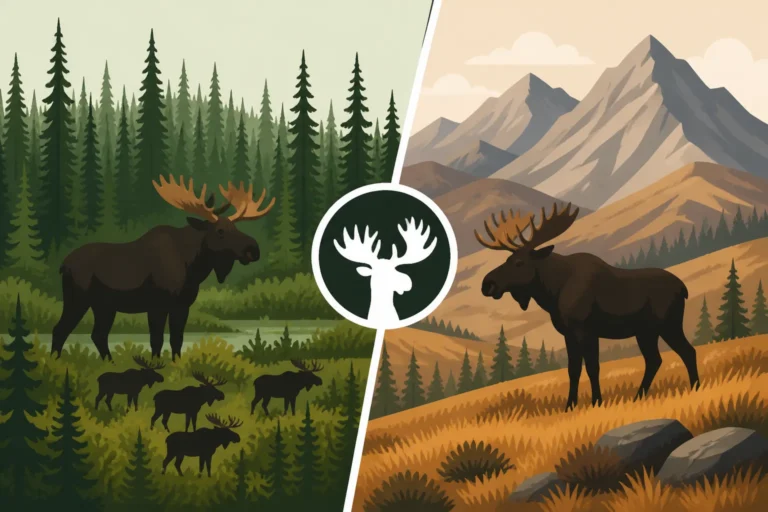
The true peak of the moose rut in Alberta generally falls within the second and third weeks of October. This is when cows become most receptive, and bulls are at their most active, vocal, and aggressive. This is the period when most hunters target their efforts because bulls are driven by an intense desire to find and breed cows, often letting their guard down in the process. You'll hear more vocalizations – deep grunts from bulls, pleading cow calls, and the occasional branch crashing as a bull works through the bush.
During this peak, bulls are constantly on the move, scent-checking areas, fighting off rivals, and pursuing cows. This is when your calling strategies, such as a well-timed "Calling a Bull Moose in the Rut", really shine. Bulls can respond aggressively to challenge calls or come in silently to investigate cow calls, desperate to find the source. This is also when you're most likely to observe direct interaction between bulls and cows. Keep in mind that while this window is often quite consistent, slight variations due to weather or local moose populations can shift it by a few days either way.
The Post-Rut: Winding Down and Fatigue
By late October into early November, the intensity of the rut begins to wane. Most receptive cows have been bred, and the bulls are exhausted. They've lost significant body weight, spent weeks pursuing cows, and often endured battles with other bulls. While some residual rutting activity might still occur, especially with younger cows coming into estrus later, the frantic energy is gone. Bulls will often retreat to feed heavily and recover.
Hunting in the post-rut requires a shift in tactics. Bulls are less responsive to calls and more wary. They prioritize food and security over breeding. You'll need to focus more on traditional still-hunting or spot-and-stalk techniques, finding areas with good forage and thick cover where bulls are trying to regain their strength. While not as exciting as the peak, the post-rut can still be productive if you understand the moose's changed priorities.
Factors Influencing the Moose Rut's Peak
While we can identify a general peak rut window, it's not set in stone. Several environmental and biological factors can subtly shift when the moose rut truly kicks into high gear. Knowing these can help you fine-tune your timing.
Weather Conditions and Temperature
Temperature plays a significant role in rutting activity. Moose, with their massive bodies and thick coats, are not fans of warm weather. Extended periods of unseasonably warm temperatures in early October can suppress rutting activity. Bulls become less active, spending more time in heavy cover or cooling off in water, conserving energy rather than pursuing cows. Conversely, a cold snap, especially one with a dusting of snow, can often kick the rut into overdrive. The crisp air invigorates the moose, and they become much more active and vocal.
For hunters, this means keeping a close eye on the forecast. If the weather is warm, consider hunting during the cooler parts of the day – early mornings and late evenings – and focus on shaded, wet areas like "Hunting Moose Around Alberta Beaver Ponds". If it's cold, you might find activity throughout the day, as bulls are less prone to overheating. A sudden drop in temperature can often signal that the rut is about to explode.
The Influence of the Moon Phase
While not as scientifically proven as temperature, many seasoned moose hunters swear by the moon phase influencing rut activity. The general wisdom suggests that the full moon in October can coincide with, or even trigger, intensified rutting behavior. The brighter nights might allow moose to be more active after dark, potentially extending their movements and interactions. However, it's important to note that moose are often most active during dawn and dusk regardless of the moon, fitting with their crepuscular nature.
For some, scheduling a hunt to coincide with the full moon in mid-October is a strategic move. For others, it’s more about being in the woods consistently during the general peak window, regardless of lunar cycles. It’s certainly something to observe and track in your own hunting journals. Think of it as another piece of the puzzle, rather than the definitive answer.
Local Population Dynamics and Cow Receptivity
The health and density of the local moose population can also affect the rut. In areas with a high bull-to-cow ratio, competition among bulls might be more intense, leading to earlier and more aggressive rutting behavior. Conversely, in areas with fewer bulls, the activity might be less pronounced or spread out. The timing of when individual cows come into estrus is also a factor. Most cows will cycle through a receptive period within the peak window, but some may come in slightly earlier or later, leading to staggered activity.
Understanding these dynamics often comes from experience within specific Wildlife Management Units (WMUs). Consulting resources like the Alberta hunting regulations or community forums can give you an idea of local moose populations. For example, knowing the general trend for Alberta Moose Draw Odds by WMU can give you a hint about population densities and potentially rut intensity in certain zones.
How to Identify the Peak Rut in the Field
Being able to read the signs on the ground is paramount. The forest itself will tell you when the rut is peaking, if you know what to look for. These observations, combined with the general timing, will help you confirm you're in the sweet spot.
Increased Bull Vocalizations
One of the most unmistakable signs of the peak rut is an increase in bull vocalizations. Their deep, guttural grunts become more frequent and more powerful. These aren't just random noises; they're expressions of dominance, calls to cows, and warnings to rival bulls. You might hear them crashing through the timber, followed by a series of grunts. This is a bull actively searching or defending a cow.
Beyond the grunts, listen for the distinct sounds of a bull raking his antlers on trees and brush. This aggressive display is meant to intimidate other bulls and impress cows. It's often followed by a grunt or two. If you're hearing these sounds consistently from different directions, it's a strong indication that the rut is in full swing. This is a prime time to use aggressive calling tactics.
Fresher Rubs and Scrapes
While moose will make rubs in the pre-rut, during the peak, you'll notice an explosion of fresh rubs and scrapes. These aren't just little saplings; bulls will often tear into larger trees, stripping bark and leaving strong scent behind. Scrapes, where a bull paws the ground and urinates, depositing scent, also become more prevalent. These are essentially calling cards, letting other moose know who's in the area.
Pay attention to the freshness of the rubs. Sap still oozing from a fresh rub, or disturbed earth and strong musky scent from a scrape, means a bull was there very recently. These signs are concentrated in areas where moose are actively traveling and searching for mates, such as along "Hunting Moose Along Cutlines and Seismic Lines" or natural funnels between bedding and feeding areas.
Visible Bull and Cow Interactions
Seeing actual interactions between bulls and cows is the clearest indicator you're smack in the middle of the rut. This could be a bull trailing a cow, grunting softly, or a bull actively guarding a receptive cow, chasing off any challengers. You might witness a stand-off between two bulls, or even a full-blown sparring match.
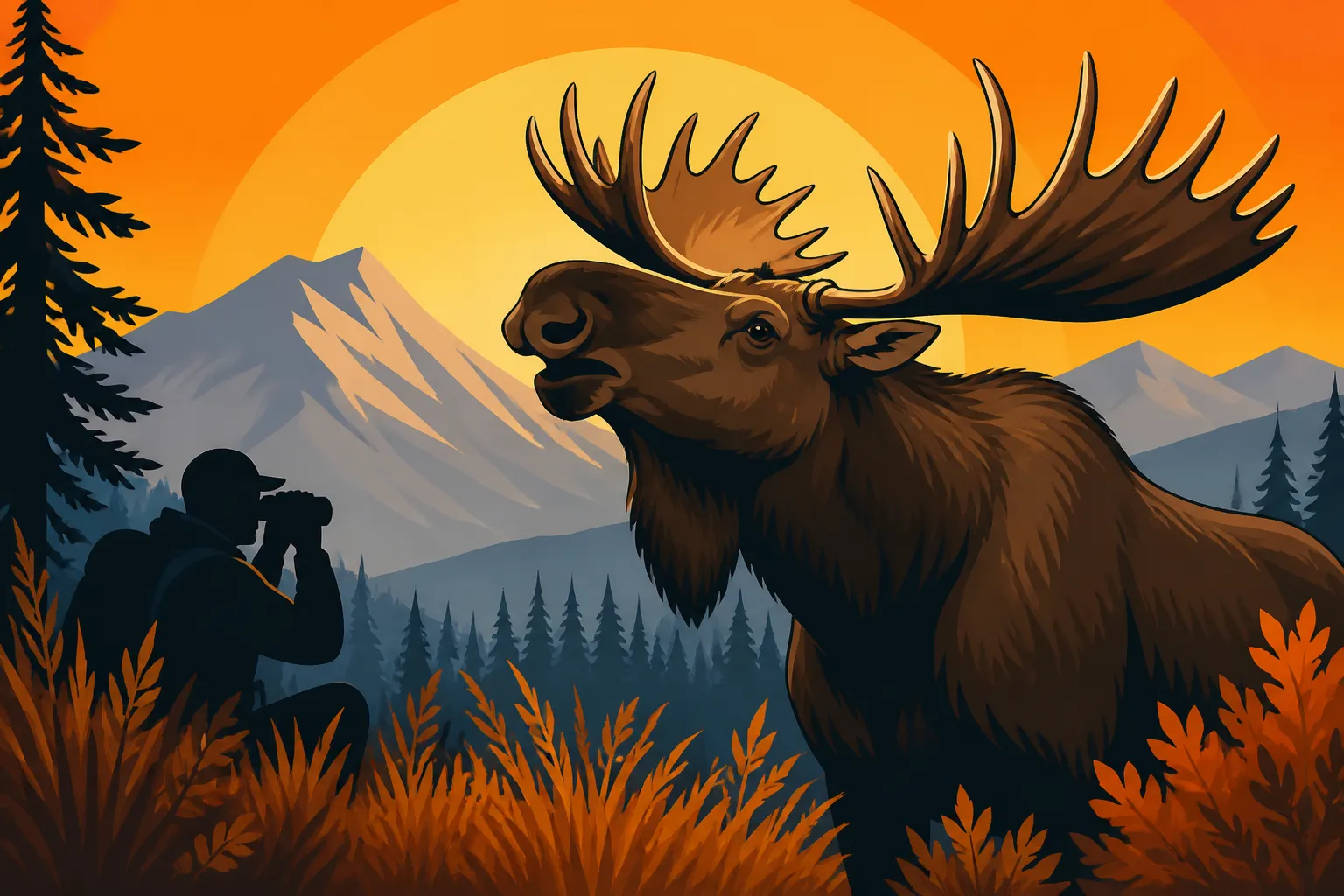
Observing these interactions, even from a distance, provides invaluable insight into the current stage of the rut and how intensely the moose are focused on breeding. It also tells you where the action is, allowing you to position yourself strategically for future encounters. Keep your binoculars handy and practice patience; sometimes, simply sitting still and observing is the most effective form of hunting during this time.
Hunting Strategies During the Peak Rut
Once you've identified that glorious peak, it's time to adjust your hunting strategy to capitalize on the moose's rut-driven behavior. This is when aggressive, well-executed calling can truly pay off.
Aggressive Calling and Challenge Buildups
During the peak rut, bulls are more likely to respond to aggressive calling. They are feeling dominant and are often willing to challenge another bull they perceive as infringing on their territory or potential mates. Start with cow calls to pique their interest, then escalate to bull grunts and even "raking" sounds to simulate a rival bull thrashing vegetation with his antlers. A good tactic is to start soft and build up, mimicking a bull getting more agitated.
Be prepared for a quick response. Sometimes a bull will come crashing in, eager for a fight. Other times, they might circle downwind to get your scent. Always have your rifle or bow ready, and be aware of your surroundings. Patience is key, but so is confidence in your calling. The "Calling a Bull Moose in the Rut" technique isn't just about making noise; it's about telling a story that the bull understands and feels compelled to investigate.
Decoy Use for Visual Confirmation
In open areas or thick bush where visibility is limited, using a moose decoy can be incredibly effective during the peak rut. A visual stimulant, especially one of a cow moose, can be the final piece of the puzzle that convinces a bull to commit. Bulls are often hesitant to approach a call source they can't see, fearing a trap or another dominant bull. A decoy alleviates that hesitation.
Position your decoy so that an approaching bull can see it from a distance, but also ensure you have a clear shooting lane for yourself, preferably downwind of the decoy. A bull will often approach the decoy head-on, offering a good shot opportunity. Brands like GoHunt often feature articles and videos on effective decoy placement and strategies, making them a great resource for refining this tactic. Just make sure the decoy is easily packable and deployable, as you might be moving around a lot.
Still-Hunting and Spot-and-Stalk in Prime Areas
Even with effective calling, sometimes you need to go to the moose. Still-hunting slowly and quietly through prime moose habitat, or executing a spot-and-stalk on a visible bull, are excellent peak rut strategies. Focus on areas where moose are likely to be traveling or holding, such as dense timber adjacent to feeding areas, creek bottoms, or the edges of old burns where new growth is coming up.
Use your senses: listen for grunts, watch for movement, and scan for fresh sign. If you locate a bull that isn't responding to calls, a careful stalk might be your best option. This requires meticulous attention to wind direction, terrain, and cover. Platforms like GoHunt can provide excellent mapping tools to help you identify prime areas, analyze terrain, and plan your approach effectively. Remember, moose can blend into the forest incredibly well, so move slowly and scan thoroughly.
Beyond the Peak: What to Expect and How to Adapt
Just like the pre-rut, understanding the post-peak phase is essential for hunters who might find themselves in the field after the most intense activity has subsided. It's a different game, but still offers opportunities.
Late Season Opportunities and Secondary Ruts
While the primary rut peak happens in mid-October, there can be a secondary rut activity in late October and into November. This is often driven by cows that weren't successfully bred during their first estrus cycle and are coming into heat again. Younger cows might also come into estrus a bit later than older, more experienced cows. Bulls, though tired, will still respond to the biological imperative to breed.
These late-season opportunities often involve more subtle calling and a greater emphasis on tracking and still-hunting. Bulls are wary, but a well-executed, soft cow call might still draw in a bull looking for a last chance. This is also when weather becomes a major factor, with cold temperatures and snow influencing moose movement and feeding patterns. Don't discount these later weeks; they can still be highly productive for persistent hunters.
Importance of Scent Control and Stealth
After the peak, moose, especially bulls, become much more cautious. They've been pushed and pursued for weeks, and their survival instincts kick in with renewed vigor. This is when impeccable scent control and stealth become absolutely critical. Any foreign scent or unnatural noise will send them heading for the thickest cover they can find.
Dress in scent-eliminating clothing, use sprays, and play the wind religiously. Move through the woods as silently as possible, taking advantage of natural noise cover like wind and flowing water. This is when scouting intel and knowing where the moose prefer to bed and feed, particularly in areas like "Hunting a Burned-Over Boreal Block" or other recovery zones, pays huge dividends. A wary moose is a difficult moose to hunt, but not an impossible one with the right approach.
Utilizing Maps and Technology for Success
Throughout the entire moose season, but especially in the nuanced post-peak period, leveraging technology can give you a significant edge. Modern hunting apps provide detailed topographical maps, satellite imagery, and even public land boundaries, allowing you to scout from home and navigate confidently in the field. You can mark fresh sign, plan approach routes, and identify potential bedding and feeding areas.
For hunters looking to maximize their efficiency, tools offered by platforms like GoHunt can be invaluable. They can help you overlay different land layers, understand historical game movements, and even track weather patterns to anticipate moose behavior. Combining this digital knowledge with boots-on-the-ground experience is the ultimate recipe for success in Alberta's moose country.
Conclusion: Timing Your Alberta Moose Hunt
Ultimately, timing your Alberta moose hunt for the rut's peak is a blend of science, art, and a healthy dose of flexibility. While the second and third weeks of October generally offer the most intense action, being prepared to adapt to weather, moon phase, and local moose behavior is what truly separates successful hunters. Don't just show up and expect the moose to cooperate; actively read the signs, listen to the woods, and adjust your tactics accordingly. Armed with this knowledge, you'll be much better equipped to experience the thrilling challenges and rewards of Moose Hunting Alberta's Boreal Forest or wherever your moose hunt takes you.
| Rut Phase | General Timing (Alberta) | Key Moose Behavior | Hunter Tactics | Vocalizations Heard |
|---|---|---|---|---|
| Pre-Rut | Late September – Early October | Bulls shedding velvet, light rubbing, sparring, bachelor groups dispersing. Cows not receptive. | Scouting, observing travel corridors, light cow calling to gauge interest. | Minimal grunting, some thrashing/rubbing sounds. |
| Peak Rut | Mid to Late October (approx. Oct 10-25) | Cows receptive, bulls intensely vocal, aggressive, constantly seeking cows, fighting. | Aggressive cow & bull calling, challenge calls, decoy use, spot & stalk. | Frequent deep bull grunts, cow calls, antler raking. |
| Post-Rut | Late October – Early November | Bulls exhausted, feeding heavily for recovery. Some secondary rut activity for late-cycling cows. | Still-hunting, focus on feeding/bedding, subtle cow calls, meticulous scent control. | Infrequent, softer grunts. |
Disclaimer
This article is for general informational purposes only and does not constitute professional advice. Laws, prices and regulations vary by location and change over time. Consult a qualified professional for guidance on your specific situation.