Why Elk Move Onto Grain Fields
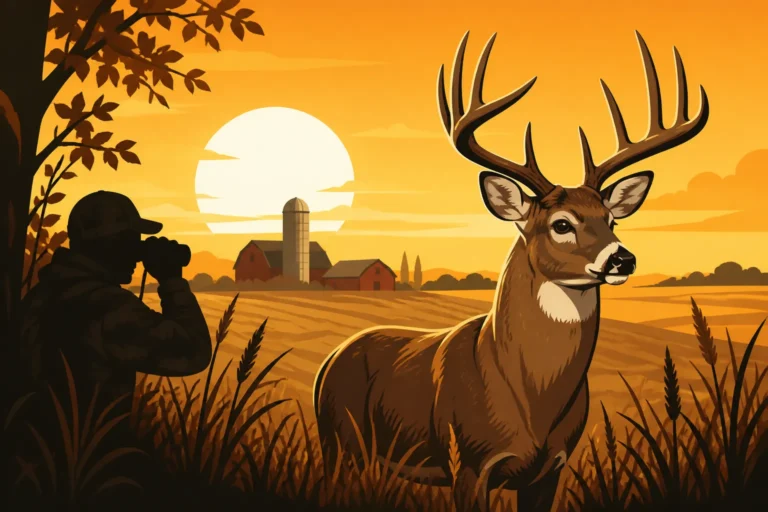
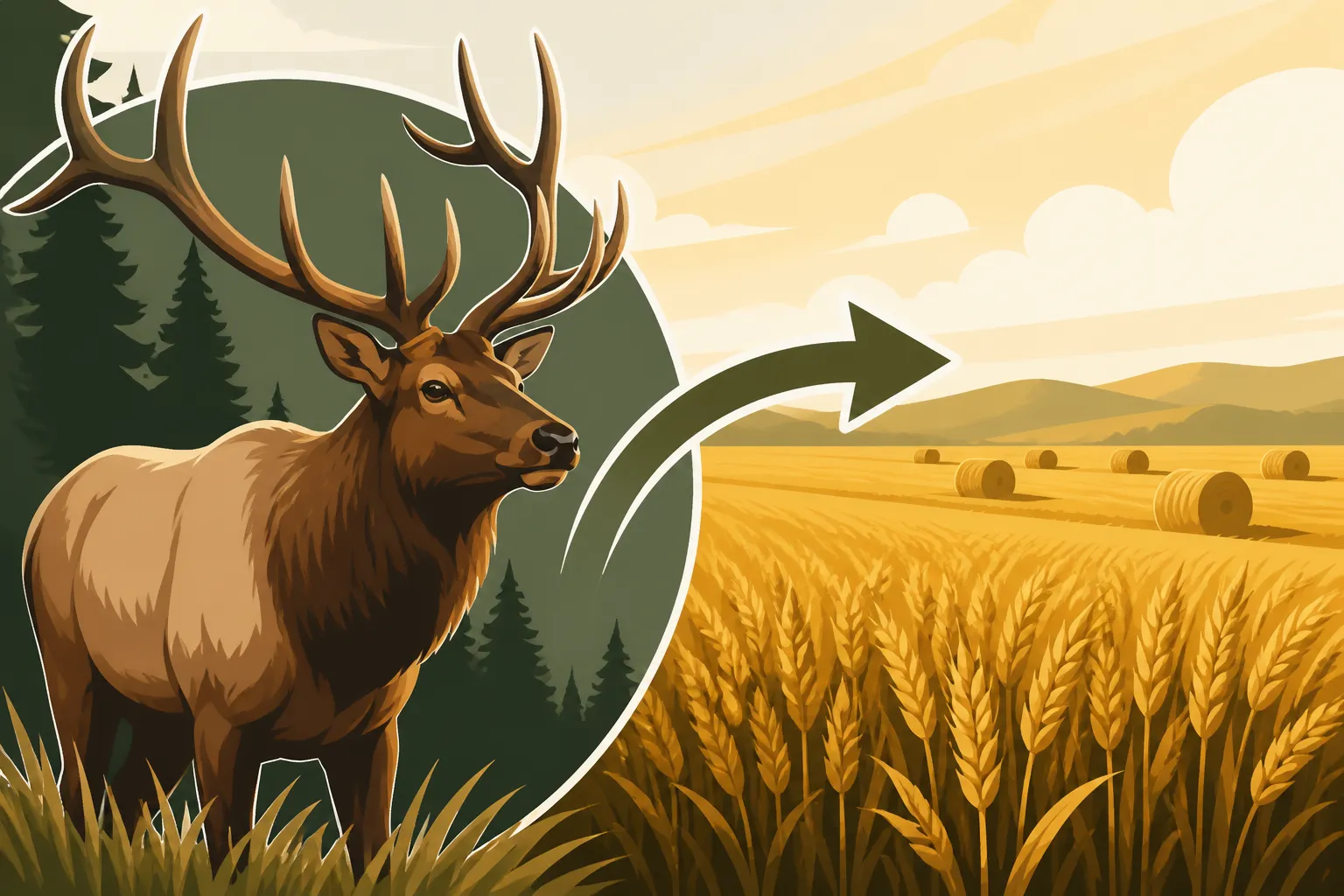
Anyone who spends time driving through Alberta’s agricultural belts, particularly in the foothills or parkland regions, has likely witnessed a truly incredible sight: a herd of majestic elk grazing placidly in a stubble field, sometimes just a stone's throw from a main road. It can be a jarring image for those accustomed to thinking of elk as deep wilderness animals. But there's a very clear, survival-driven reason these large ungulates forsake the deep timber for cultivated land. This guide will dive deep into why elk gravitate towards grain fields, what makes these agricultural landscapes so appealing, and what it means for hunters trying to intercept them.
The Irresistible Pull of Alberta's Agricultural Landscape
It’s easy to romanticize elk as creatures of the untouched wilderness, bugling in deep canyons and feeding on alpine meadows. While that image holds true for many populations, Alberta's unique blend of vast forests, rolling foothills, and expansive agricultural zones has created a different kind of elk. These animals are incredibly adaptable, and they've learned that the bounty of human farming provides an unparalleled nutritional advantage.
A Feast for the Ungulates: Nutritional Value
Imagine spending all winter in the deep snow, digging through tough willow and aspen browse, trying to find enough calories to survive. Now imagine a buffet laid out, full of easily accessible, highly nutritious grains. That's essentially what a grain field offers an elk, especially post-harvest. The waste grain left on the ground after combines have passed, or even standing crops in some areas, represents an incredibly dense source of energy.
Alberta's grain fields, whether they're planted with oats, barley, wheat, or even canola, are packed with carbohydrates, proteins, and fats that are far more readily digestible and calorie-rich than most native forages. This isn't just a treat; it's a critical resource. For a bull elk trying to recover from the exhaustive rut, or a cow trying to sustain a pregnancy through a harsh winter, these fields are a lifeline. The sheer volume of high-energy food helps them put on weight, grow robust antlers, and build the fat reserves necessary to survive the leanest months. It's a fundamental shift in their diet that directly impacts their health and reproductive success.
Safety in the Open: Escape and Observation
While dense cover offers concealment, it also presents a tactical disadvantage: limited visibility. Elk, being prey animals, are constantly on alert. A wide-open grain field, though seemingly exposed, offers a panoramic view of their surroundings. This allows them to spot potential threats, whether they be coyotes, wolves, or human hunters, from a considerable distance.
In these open environments, their primary defense becomes early detection and flight. They can quickly assess the direction of a threat and decide on the best escape route, often using their incredible speed and stamina to put distance between themselves and danger. This contrasts sharply with thick bush, where a predator could be upon them before they even know it, forcing them into a panicked, close-quarters escape. The ability to see trouble coming gives them a crucial head start.
Water Sources and Seclusion
Grain fields aren't always just barren expanses of stubble. Often, they are interspersed with or bordered by critical natural features that provide both water and vital bedding cover. Sloughs and potholes are common in Alberta's agricultural zones, offering reliable water sources. Irrigation ditches, too, provide a convenient drink.
Beyond water, these fields frequently adjoin or contain treed shelterbelts, brushy coulees, or even patches of uncultivated land. These areas offer the seclusion and thermal cover elk need to bed down during the day, out of the wind and sun. The elk can spend their nights feeding in the open fields, then retreat to these pockets of cover to digest and rest, all within a short distance. This combination of abundant food, easy water, and nearby cover creates a highly efficient and attractive habitat, allowing them to conserve energy by not having to travel long distances between their feeding and bedding grounds.
Seasonal Migration and Opportunity
Elk don't just randomly appear in grain fields; their movements are often tied to the changing seasons, the availability of specific crops, and their biological needs. Understanding these patterns is crucial for anyone hoping to successfully hunt these field-dwelling giants. This seasonal ebb and flow dictates not only when they'll be there but also why they're prioritizing that habitat.
Post-Rut Recovery and Winter Foraging
Once the thunderous bugles of the rut fade, typically around late September into October, elk enter a critical recovery phase. Bulls, especially, are often drawn down to shadows of their former selves, having expended immense energy fighting and breeding. Cows, too, need to rebuild their fat reserves, particularly those that are pregnant. This is when the grain fields become absolutely vital.
As autumn progresses and temperatures drop, native forage loses much of its nutritional value or becomes buried under snow. The waste grain in harvested fields, however, remains a readily available, high-energy food source. It's a caloric jackpot that helps them quickly pack on weight, preparing them for the rigors of winter. Many late-season hunts in Alberta focus heavily on intercepting elk as they move to and from these winter food plots. Hunters often find success by understanding Hunting Elk on Alberta Grain Land, focusing their efforts on travel corridors between deep cover and these agricultural havens.
The Calving and Summer Grazing Period
While grain fields are famous for their fall and winter appeal, elk can also utilize them during other parts of the year, albeit for different reasons. In late spring and early summer, after calving, cows require nutrient-rich forage to produce milk for their calves and regain their own condition. Young, lush crops, before they reach maturity and chemical applications become common, can offer palatable and nutritious grazing.
This early season use often sees elk grazing the edges of fields or in pastures adjacent to cultivated land. The protein-rich shoots of new growth are excellent for antler development in bulls and for milk production in cows. As the summer progresses, and native grasses might dry out in open areas, the moisture-rich crops, combined with nearby water sources, can still prove attractive. However, this period generally sees less intensive field use compared to the post-harvest abundance of fall and winter.
Changing Agricultural Practices
Modern agricultural techniques have inadvertently made grain fields even more attractive to elk. Practices like no-till farming, which leaves crop residue on the surface, and swathing, where crops are cut and laid in rows to dry before combining, often result in more waste grain being left behind. Furthermore, increasingly later harvest dates in some areas mean that prime feeding opportunities might extend well into the late fall and early winter.
This abundance of waste grain, combined with the sheer scale of modern farms, means there's often an uninterrupted buffet available for a large herd. Instead of having to browse scattered patches of low-nutrient forage, elk can spend entire nights (or even days, if undisturbed) methodically grazing through a single quarter section, maximizing their caloric intake with minimal effort. Understanding these practices, sometimes with the help of tools like GoHunt satellite imagery, can give hunters an edge in predicting where elk will congregate.
The Challenges and Opportunities for Hunters
Hunting elk in grain fields is a unique challenge that blends traditional scouting and stalking with the often complex dynamics of private land access. It’s not your typical deep-woods hunt, and it requires a different skillset and mindset. But for those who master it, the rewards can be substantial, often yielding larger, healthier animals that have benefited from the agricultural bounty.
Gaining Access: The Landowner Hurdle
This is perhaps the biggest hurdle for hunters wanting to pursue field-dwelling elk. Most prime grain fields are on private land, meaning gaining permission is paramount. You simply cannot trespass, and attempting to do so will quickly shut down future opportunities for yourself and potentially other hunters. Alberta has strict Alberta Landowner Permission Law that must be respected.
The key is respectful communication. Start early, well before the season. Knock on doors, introduce yourself, and clearly state your intentions. Offer to help with chores, share your harvest, or assist with any Elk on Farmland and the Damage Problem the elk might be causing. Be persistent but polite. Sometimes, even if the initial answer is no, a later conversation might open a door. Leveraging digital tools like GoHunt can help you identify land boundaries and potential access points, allowing you to approach landowners with informed questions. Remember, a good reputation goes a long way, and landowners are often more willing to grant access to hunters who are responsible and considerate.
Hunting Tactics for Field-Dwelling Elk
Hunting elk in vast open fields requires a strategic approach. Spot and stalk can be incredibly challenging due to the lack of cover, making it difficult to close the distance without being detected. However, it's not impossible, especially if you can use natural contours, existing draws, or even the crop rows themselves for concealment. Always factor in the wind, as an elk's nose is its primary defense.
Ambush points are often more effective. This involves identifying natural travel corridors elk use to move from their bedding areas to the feeding fields, or vice versa. These can include treed bluffs, fence lines, coulee bottoms, or even narrow strips of cover between fields. Setting up a stand or finding a concealed ground blind along one of these routes, especially at dawn or dusk, can be highly effective. Patience is your greatest ally here. You might spend hours watching, waiting for the herd to make its move. Understanding Hunting a Shelterbelt Between Two Fields can be a great starting point for this tactic.
Understanding Elk Movement Patterns in Fields
Elk, even in open fields, are creatures of habit. They typically feed most actively at dawn and dusk, retreating to thicker cover to bed down during the day. Identifying these bedding areas is crucial. They might be found in nearby aspen bluffs, deep coulees, uncultivated CRP (Conservation Reserve Program) land, or even within thick stands of unharvested crops if they feel secure enough.
Using high-quality binoculars and spotting scopes is non-negotiable for effectively scouting and hunting field elk. You need to be able to glass an entire section, identifying where the elk enter and exit the fields, where they prefer to feed, and any subtle features they might use for cover. With tools like GoHunt, you can overlay property lines and topographical maps with satellite imagery, which can help you identify these key movement patterns and potential bedding grounds from afar. Observing their patterns over several days, if possible, will give you the best chance of predicting their movements and being in the right place at the right time. For those looking to do some pre-season work, Scouting With Satellite Imagery in Alberta can be immensely helpful.
Comparative Look: Grain Field vs. Native Forage for Elk
Here's a quick look at why grain fields offer such a strong draw compared to traditional native forage:
| Feature | Native Forage (e.g., Willows, Aspen, Grasses) | Grain Fields (Post-harvest Waste Grain) |
|---|---|---|
| Nutritional Value | Moderate; Varies greatly by season; High fiber | High; Dense carbohydrates, protein, fat |
| Digestibility | Can be tough, especially woody browse in winter | Highly digestible; Concentrated energy |
| Energy Input | Requires more effort to browse and process | Easy to consume large quantities quickly |
| Seasonal Avail. | Declines significantly in winter; Buried by snow | Abundant post-harvest; Accessible even in snow |
| Calorie Count | Lower per bite | Significantly higher per bite |
| Recovery Aid | Slow for post-rut recovery | Excellent for rapid weight gain and recovery |
| Antler Growth | Sufficient, but can be limited by winter stress | Supports robust antler development |
| Predator Evasion | Good concealment, but limited visibility | Excellent visibility, allows early detection |
| Water Access | Natural streams, springs, snow, sloughs | Often near sloughs, irrigation, farm dugouts |
| Human Interaction | Less frequent | Direct and frequent, requires landowner permission |
It’s clear from this comparison that while native forage is the foundational diet, grain fields offer a supplemental, high-octane fuel source that is incredibly beneficial for elk survival, particularly through the colder months. This understanding is key to unlocking successful hunting opportunities when Hunting Alberta Winter Weather Safely or when the seasons turn colder.
Conclusion
The sight of elk in Alberta's grain fields is a testament to these magnificent animals' adaptability and resilience. They haven't just stumbled into these agricultural landscapes; they've actively chosen them because they offer a superior caloric intake, vital for survival through harsh winters and recovery after the strenuous rut. For hunters, this presents a unique set of challenges—primarily around gaining ethical access to private land—but also incredible opportunities. By understanding the motivations behind an elk's choice to graze these fields, recognizing their movement patterns, and adopting appropriate hunting strategies, you can significantly increase your chances of a successful and memorable hunt in Alberta's diverse landscapes.
Disclaimer
This article is for general informational purposes only and does not constitute professional advice. Laws, prices and regulations vary by location and change over time. Consult a qualified professional for guidance on your specific situation.