The Elk Herd in the Cypress Hills
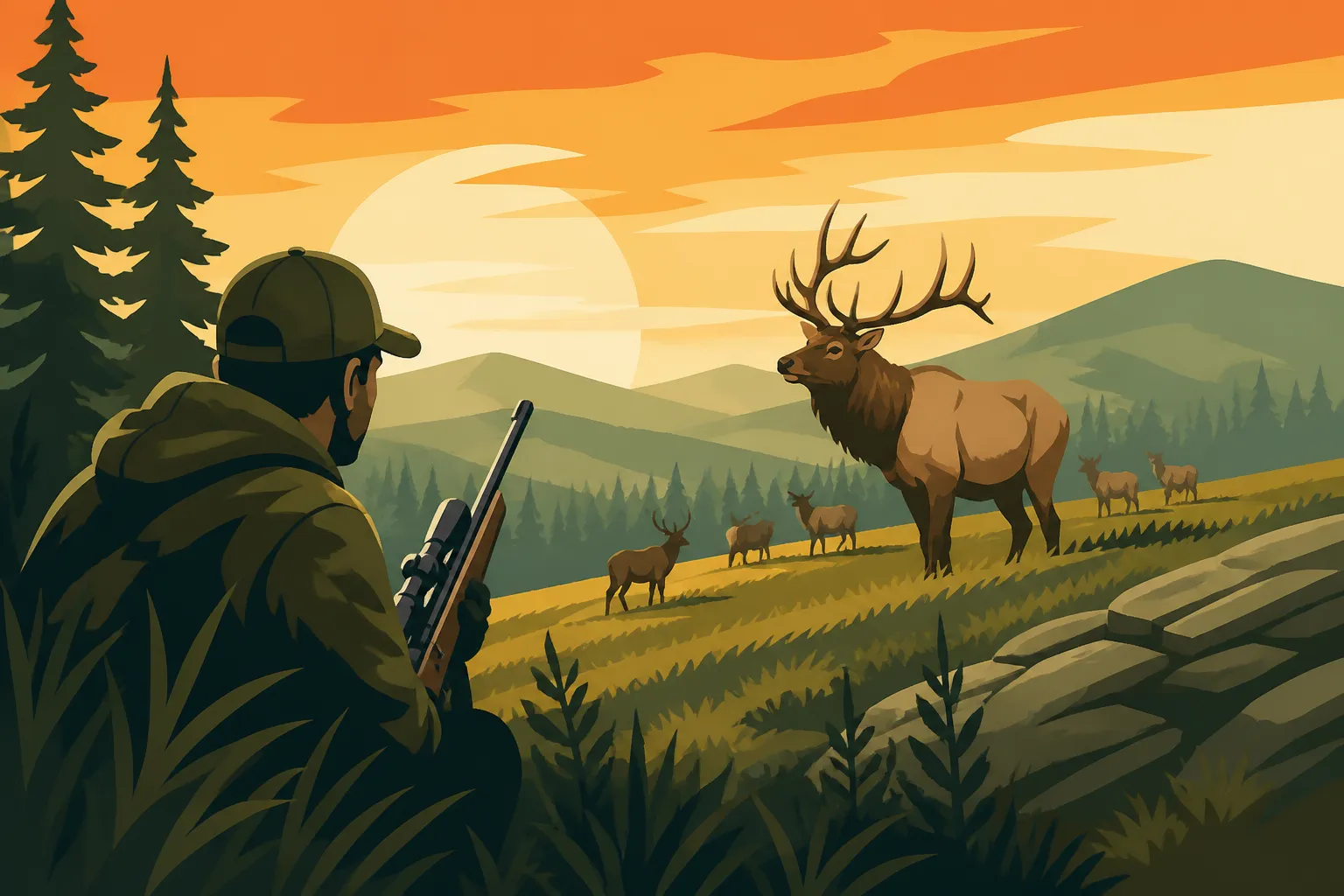
When most hunters dream of elk, they picture towering mountain peaks, endless timber, or rolling foothills. But tucked away in the southeastern corner of Alberta, an unexpected and truly unique elk herd thrives in the Cypress Hills. This plateau, rising dramatically from the surrounding prairie, presents a completely different challenge and experience for those pursuing elk, and understanding its distinct dynamics is key to success. This guide will dive deep into the fascinating world of the Cypress Hills elk, exploring their habitat, behaviors, and the unique strategies required to hunt them in this remarkable landscape.
A Unique Island Ecosystem: Elk in the Cypress Hills
The Cypress Hills are a true geographical marvel, an "island" of elevated terrain that escaped glaciation and stands in stark contrast to the vast plains around it. This creates an isolated ecosystem that supports a rich diversity of flora and fauna, including a surprisingly robust elk population. For hunters accustomed to chasing elk in more traditional mountainous regions, the Cypress Hills offer a hunting experience that is both familiar in its pursuit of wapiti and entirely novel in its setting. It's a place where the unexpected is the norm, and adapting your approach is paramount.
The Cypress Hills Plateau: An Anomaly in the Prairies
Imagine driving for hours across the vast, flat expanse of the southern Alberta prairie, where endless fields and rolling grasslands dominate the horizon. Suddenly, the land begins to rise, ever so gently at first, then more dramatically, culminating in a forested plateau that defies everything you thought you knew about this region. This is the Cypress Hills. Elevated hundreds of meters above the surrounding plains, it catches more moisture, allowing for dense lodgepole pine and aspen forests, alongside fescue grasslands and deep coulees. This elevation difference creates its own microclimate, often receiving more snow and cooler temperatures than the adjacent lowlands, which is a significant factor in how elk utilize the landscape throughout the year.
The topography itself is a game changer for elk. Instead of vast mountain ranges, you have a series of rolling hills, deep ravines, and wide-open meadows interspersed with dense timber pockets. These features create natural sanctuaries and travel corridors for elk, allowing them to remain relatively undisturbed within the plateau. The sheer unexpectedness of such a verdant, timbered landscape amidst the prairie contributes to its allure, making it a bucket-list destination for many hunters curious about this unique Alberta phenomenon. It’s a stark departure from the typical "big woods" elk hunt, demanding a different kind of scouting and strategic thinking.
Historical Context and Elk Reintroduction
While elk were historically present across much of Alberta, including likely transient populations in the Cypress Hills region, their numbers significantly declined due to overhunting and habitat loss by the late 19th and early 20th centuries. The re-establishment of elk populations in many areas, including the Cypress Hills, is a testament to dedicated conservation efforts. Stocking programs in the mid-20th century played a crucial role in bringing elk back to this specific ecosystem, and since then, the herd has flourished, adapting remarkably well to the unique conditions of the plateau.
These reintroductions were carefully planned, aiming to create self-sustaining populations in suitable habitats. For the Cypress Hills, the combination of abundant forage, varied terrain, and relatively isolated nature provided an ideal environment for elk to re-establish a foothold. The success of this reintroduction means that today's hunters are pursuing a truly wild and well-adapted herd, one that has learned to thrive within the confines of this elevated prairie island. Understanding this history gives a greater appreciation for the animals themselves and the conservation efforts that made these hunts possible.
Unique Habitat and Forage for Elk
The diversity of vegetation within the Cypress Hills provides an excellent year-round food source for elk. The forested areas offer cover and browse, particularly during winter, while the numerous meadows and clearings provide lush grasses and forbs in the spring and summer. This varied diet contributes to the health and size of the elk in the region. The mix of aspen bluffs, lodgepole pine stands, and open grasslands means elk have a smorgasbord of options, from woody browse in the colder months to nutrient-rich greens when the snow melts. This rich nutritional base is a significant factor in the quality of the elk found here.
Furthermore, the numerous coulees and drainages that cut through the plateau offer crucial thermal and security cover. These natural depressions provide shelter from harsh prairie winds and deep snow, creating microhabitats that elk depend on. Water sources are also plentiful, ensuring that elk don't have to travel far to find what they need. This combination of food, cover, and water, all concentrated within a relatively compact area, allows the Cypress Hills elk to establish stable home ranges and reduces their need for extensive seasonal migrations, making them somewhat more predictable if you can interpret their local movements.
Understanding the Cypress Hills Elk Herd
Hunting the Cypress Hills elk herd requires more than just knowing where the trees are. It demands an understanding of their population dynamics, behavioral patterns within this distinct environment, and the specific challenges they face, such as disease and the pressure from other hunters. This herd behaves differently than a mountain elk herd, and those nuances are what truly unlock success.
Population Dynamics and Herd Health
The Cypress Hills elk herd is carefully managed to maintain a healthy and sustainable population. This involves regular surveys, monitoring calf recruitment, and assessing overall herd health. While specific numbers fluctuate from year to year due to factors like winter severity, predation, and hunting pressure, the overall goal is to ensure the herd remains robust. Hunters play a vital role in this management by participating in regulated harvests, which helps to keep populations in balance with the available habitat. This also ensures a healthy male-to-female ratio, contributing to strong breeding seasons.
Alberta Fish and Wildlife, often with input from local conservation groups, works to set appropriate draw quotas and season dates. The health of the herd is paramount, and these decisions are based on scientific data and observations from the field. Understanding these management efforts can give hunters insight into why certain WMUs (Wildlife Management Units) or seasons might have different tag allocations, guiding them towards areas where population objectives align with hunting opportunities. For those looking at draw odds, checking historical data on the Alberta Relm website can offer clues on trends.
Behavioural Patterns and Seasonal Movements
Unlike elk in some mountainous regions that undertake long migrations between summer and winter range, the Cypress Hills elk tend to have more localized movements within the plateau. Their "migration" is often a shift from higher, more exposed areas in summer to sheltered coulees and timbered slopes during severe winter weather. During the rut, however, they can become quite vocal and active, and bulls will certainly roam looking for cows. Understanding these localized patterns, especially during the archery and rifle seasons, is critical.
A key aspect of hunting in the Cypress Hills is recognizing how elk use the diverse terrain. They will bed in the dense timber patches for security and thermal cover, especially on windy days or when temperatures drop. At dawn and dusk, they will move into the open meadows and agricultural fringe areas to feed. Observing fresh sign, like tracks, droppings, and rubbed trees, becomes even more important here, as these tell-tale signs reveal travel routes and feeding areas. During the rut, the sound of bugling can echo through the coulees, making calling a viable, if challenging, tactic in some parts of the hills. If you're planning a trip during the rut, read up on Bugling Elk in Alberta's Foothills for some general insights on vocalizations.
Challenges: CWD and Hunter Pressure
The Cypress Hills elk herd, like many cervid populations in Alberta, faces the ongoing challenge of Chronic Wasting Disease (CWD). This neurological disease is a serious concern for wildlife managers and hunters alike, necessitating mandatory CWD submission in designated WMUs. Hunters play a crucial role in monitoring the spread of CWD by submitting heads for testing, providing valuable data to wildlife agencies. Being aware of the specific CWD zones and following all submission protocols is not just a regulatory requirement, but a vital part of responsible hunting in this region. You can find information about Alberta's CWD Testing Requirements on the official Alberta Relm website.
Hunter pressure is another significant factor in the Cypress Hills, especially during peak season dates. Given the relatively compact nature of the elk habitat, elk can become pressured quickly, leading them to adopt more nocturnal patterns or retreat into the densest, most inaccessible cover. This means that successful hunters often need to be willing to hike further, hunt smarter, and adapt to the elk's increased wariness. Scouting before the season, utilizing trail cameras, and being in shape to cover ground can make a substantial difference in locating unpressured animals. Tools like GoHunt can help visualize hunter access points and potential pressure areas, allowing you to plan routes that avoid common spots.
Strategies for Hunting Elk in the Cypress Hills
Hunting elk in the Cypress Hills is a rewarding but often challenging endeavor that requires a blend of traditional elk hunting skills and an adaptation to this unique prairie-forest environment. Success often hinges on meticulous scouting, understanding local regulations, and employing smart tactics that account for the terrain and elk behavior. It's not a hunt for the faint of heart, but for those who put in the effort, the rewards are often spectacular.
Navigating Access and Understanding Regulations
Securing a tag for Cypress Hills elk typically involves participating in Alberta's special license draw system. Given the popularity of elk hunting and the limited availability of tags in specific WMUs, accumulating priority points over several years is often necessary for residents. Non-residents will generally need to hunt with an outfitter. Understanding How Alberta's Draw Application Works and monitoring draw odds for the relevant Cypress Hills WMUs is your first step. Researching the specific regulations for the WMU you're interested in is paramount, as season dates, weapon restrictions, and antler point rules can vary. The provincial regulations are updated annually, so always consult the most current version.
Access to hunting land in the Cypress Hills is a mix of Crown Land, provincial park land (with specific regulations for hunting), and private agricultural land. Gaining access to private land requires obtaining permission from landowners well in advance. Building relationships with local landowners can open up opportunities and reduce pressure on public land. Utilizing resources like the Alberta Recreational Access Tool or land ownership maps on platforms like GoHunt can help identify potential hunting areas and guide your efforts in seeking permission. Remember, even on Crown Land within the Cypress Hills Provincial Park, specific rules regarding hunting zones and vehicle access apply, so don't assume anything.
Scouting and Hunting Tactics for Success
Effective scouting is the bedrock of a successful Cypress Hills elk hunt. This isn't a place where you can just walk into the mountains and expect to find elk everywhere. Prior to the season, spend time glassing from elevated points to identify potential feeding areas (open meadows, agricultural fields adjacent to the hills) and bedding cover (dense timber, deep coulees). Look for fresh sign: tracks, rubs, wallows, and droppings are all crucial indicators of elk activity. Pay particular attention to areas where dense cover meets open feeding grounds, as these are natural transition zones. Digital mapping tools, including the satellite imagery on GoHunt, can be invaluable for identifying these pinch points and travel corridors from home.
During the hunt, a patient approach often yields the best results. Elk in the Cypress Hills are incredibly wary, especially after the season opens. Still-hunting through timbered areas, moving slowly and deliberately with the wind in your face, can be effective for surprising bedded animals. Ambush hunting from treestands or ground blinds overlooking known travel routes or feeding areas is another popular and often successful tactic, particularly in the early morning or late evening. Calling can be effective during the rut, but be prepared for elk to be less responsive in heavily pressured areas. If you're hunting during the September archery opener, consider reviewing tips from Hunting Alberta's September Archery Opener.
| Feature/Aspect | Cypress Hills Elk Hunting | Mountain Elk Hunting (General) |
|---|---|---|
| Terrain | Elevated plateau, rolling hills, deep coulees, dense timber patches, open meadows, prairie fringe. | Steep mountains, vast timber, alpine basins, open parks, river valleys. |
| Habitat Type | Forested "island" surrounded by prairie, mixed woods. | Coniferous forests, sub-alpine, alpine, aspen, riparian zones. |
| Elk Movement | More localized movements within the plateau, less long-distance migration. | Often long seasonal migrations between different elevation ranges. |
| Cover | Dense lodgepole/aspen stands, deep coulees provide security. | Thick timber, cliffs, remote wilderness areas. |
| Access | Mix of Crown land, park land, private land; requires research and permission. | Primarily public land, often requiring extensive backcountry travel. |
| Calling | Can be effective during rut, but elk often wary due to pressure. | Highly effective during rut in less pressured areas. |
| Hunting Style | Spot-and-stalk, still-hunting timber, ambush from blinds; vehicle access often limited. | Backcountry pack-ins, spot-and-stalk, calling, glassing large areas. |
| Challenges | Hunter pressure, CWD, navigating private land access. | Extreme weather, vastness, physical exertion, grizzlies. |
Drawing a Tag and Preparing for the Hunt
Drawing a special license for elk in the Cypress Hills WMUs can be tough, as demand often outstrips supply. This means developing a long-term strategy. Focus on building priority points by applying consistently each year, even if you don't expect to draw immediately. Understanding the draw history for your preferred WMUs can help you set realistic expectations. While it might take a few years, the reward of hunting this unique herd is well worth the wait. For details on Alberta's Special Licence Draws, refer to the official Alberta website.
Once you've secured a tag, thorough preparation is crucial. This includes physical conditioning, as you'll likely be doing a fair amount of walking through varied terrain. Ensure your gear is up to par, including good optics for glassing, reliable footwear, and appropriate clothing for unpredictable prairie weather that can swing from warm to cold rapidly. Familiarize yourself with the WMU by studying maps, satellite imagery, and potentially even making a scouting trip beforehand. A tool like GoHunt can provide detailed topographical maps and public land layers, essential for pinpointing potential hotspots and planning your approach. The more prepared you are, the better your chances of making the most of this exceptional hunting opportunity.
Disclaimer
This article is for general informational purposes only and does not constitute professional advice. Laws, prices and regulations vary by location and change over time. Consult a qualified professional for guidance on your specific situation.