Do Wolves Affect Alberta Moose Numbers?
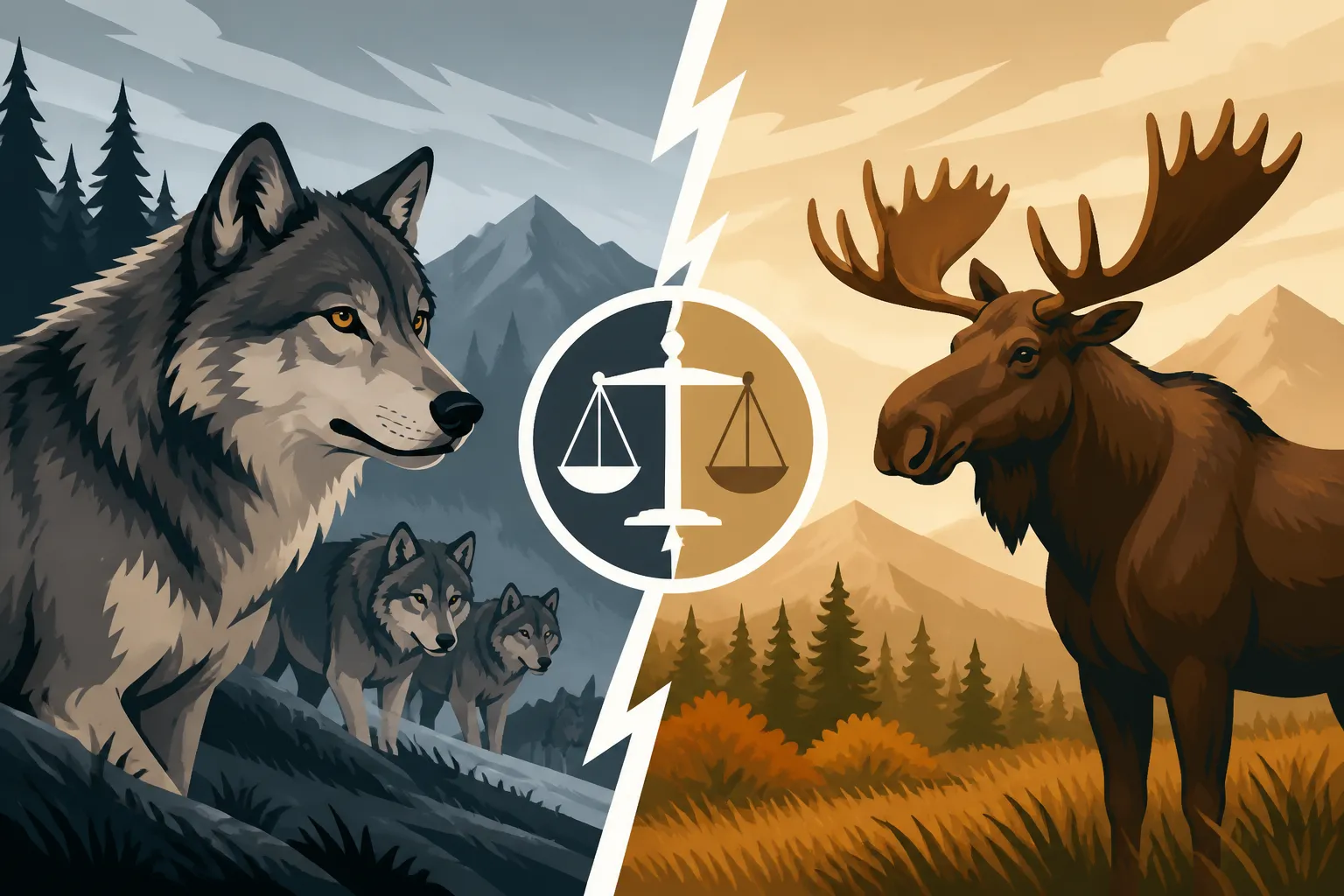
It's a question that echoes through every hunting camp and whispers across coffee shop counters in rural Alberta: are the wolves really the reason moose numbers seem to be struggling in some areas? Many of us have spent countless hours in the bush, seen more wolf sign than moose tracks, and come back empty-handed, wondering if the scales have tipped too far. This guide aims to pull back the curtain on this complex issue, exploring the intricate relationship between wolves and moose, and considering all the other critical factors that play a role in Alberta's moose populations.
The Complex Dance of Predator and Prey in Alberta's Wilds
The relationship between wolves and moose is one of the most enduring and fascinating predator-prey dynamics in the natural world. It's a delicate balance that has shaped ecosystems for millennia, but in today's landscape, it's influenced by far more than just natural selection. For hunters, seeing fewer moose, especially mature bulls, naturally leads to questions about what's happening on the ground, and wolves are often the most visible and impactful predators we observe.
Understanding Alberta's Moose Populations
Alberta's moose populations are a source of pride and frustration for hunters. These majestic animals are widely distributed across the province, from the dense boreal forests of the north to the rugged foothills of the west, and even in some surprising pockets of the parkland. Historically, moose thrived in much of this diverse terrain, adapting to different habitats and forage conditions. However, many hunters report that finding moose, particularly in once-reliable areas, has become increasingly challenging. It's not just a feeling; in some Wildlife Management Units (WMUs), surveys have indicated declining trends.
Moose are creatures of habitat, relying on abundant browse like willow, aspen, and balsam fir. They also need secure cover for calving and to escape harsh winter conditions or relentless summer insects. Factors like the age structure of the population, successful calf recruitment, and the overall health of the herd all contribute to whether numbers are stable, growing, or declining. When these elements are out of sync, the herd begins to show it. For a deeper dive into their range, check out Moose Across Alberta's Boreal and Foothills.
The Role of Wolves in the Ecosystem
Wolves, as apex predators, are an integral and vital component of Alberta's wilderness ecosystems. They are highly intelligent, social animals that hunt in packs, employing sophisticated strategies to take down large prey. Their primary role is often described as culling the herd, targeting the old, weak, sick, or young animals that are less able to escape. This natural selection helps to maintain the overall health and genetic fitness of prey populations. Without wolves, prey species can sometimes overpopulate an area, leading to over-browsing of vegetation and eventually, a crash in their own numbers due to starvation or disease.
It's easy to see wolves as purely destructive, especially when you're specifically pursuing big game, but their ecological role is far more nuanced. They can influence where moose congregate, how they forage, and even their reproductive success over time. When we talk about wolf numbers, it's important to remember they are also part of a larger food web, and their populations fluctuate based on the availability of their prey.
How Wolf Predation Impacts Moose Dynamics
When we consider how wolves affect moose, it's rarely a straightforward equation. It's not just about how many moose a wolf pack kills; it's about the ripple effects that spread throughout the moose population and their environment. The sight of fresh wolf tracks or the sound of a distant howl can instantly change your perspective on a hunt, reminding you of the constant pressure these animals exert.
Direct Predation: More Than Just the Kill
Direct predation, of course, means wolves actively hunting and killing moose. This is the most obvious impact. Wolves are incredibly efficient hunters, and a well-coordinated pack can take down a healthy adult moose, though they often target calves, juveniles, and older or compromised animals. The immediate consequence is a reduction in moose numbers. However, wildlife biologists differentiate between "compensatory mortality" and "additive mortality."
Compensatory mortality occurs when wolves primarily take animals that would likely have died anyway from other causes, such as disease, old age, or starvation. In this scenario, wolf predation replaces other forms of mortality and doesn't necessarily lead to a decline in the overall population. It simply removes surplus animals. Additive mortality, on the other hand, occurs when wolves kill animals that would have otherwise survived, directly reducing the population beyond what other factors would achieve. When wolf populations are high relative to moose, or when moose are already stressed by other factors, wolf predation is more likely to be additive, leading to a noticeable decline in moose numbers. Young calves are particularly vulnerable, and a high rate of wolf predation on calves can severely impact future recruitment into the breeding population.
Indirect Effects: Stress, Movement, and Habitat Use
Beyond direct kills, the mere presence of wolves can profoundly impact moose. Imagine being constantly aware that a predator is lurking nearby; it's exhausting. Moose in areas with high wolf activity spend more time being vigilant and less time feeding, which can lead to poorer body condition, especially for cows trying to raise calves or bulls heading into the rut. This chronic stress can reduce reproductive success and make moose more susceptible to disease or harsh environmental conditions.
Wolves also influence moose movement and habitat use. Moose might avoid prime feeding areas if wolf activity is high there, choosing instead to forage in less desirable, but safer, locations. This can lead to nutritional deficiencies over time. They might also move into denser cover more frequently, increasing their energy expenditure and limiting their access to varied forage. For hunters using tools like GoHunt to scout and plan their trips, understanding these predator-induced movement patterns is crucial. It helps predict where moose might not be, even if the habitat looks ideal. Similarly, areas like Hunting Moose Along Cutlines and Seismic Lines might seem like good access points for hunters, but they can also be corridors used by predators.
Moose will also alter their seasonal movements to escape predation, sometimes leading them to areas where food is less abundant, or where they are more exposed to severe weather. This constant pressure can degrade their overall health, making them less resilient to other challenges they face throughout the year.
Beyond Wolves: Other Factors Influencing Alberta Moose
While wolves certainly play a significant role, it's a mistake to attribute all moose population changes solely to them. The truth is, moose face a multitude of challenges in modern Alberta, and focusing on just one factor ignores the intricate web of ecological pressures. Understanding this broader picture is vital for any hunter who truly cares about the long-term health of our game populations.
Habitat Loss and Alteration
Good habitat is the cornerstone of any healthy wildlife population, and moose are no exception. Alberta's landscape is constantly changing, with a mix of natural and human-caused alterations. Logging, agricultural expansion, oil and gas development, and the growth of human settlements all contribute to habitat fragmentation and loss. When forests are cut, for example, moose might initially benefit from new browse growth, but as these areas mature, suitable forage decreases. Moreover, extensive networks of roads and cutlines, while offering hunter access, also provide easy travel routes for wolves, increasing their hunting efficiency and bringing them into closer contact with moose.
Wildfires are another significant factor. While large, intense fires can destroy vast tracts of forest, smaller, more controlled burns or mosaic fire patterns can actually create excellent moose habitat by promoting the growth of new, nutritious browse. The type and scale of habitat alteration matter immensely. Moose need a mix of mature timber for cover and security, and younger successional forests for food. When this balance is disrupted, their ability to thrive is compromised. This is why tools like GoHunt can be so valuable in evaluating a WMU, showing you aerial imagery to understand habitat types. Understanding how moose utilize different habitats is key, whether it's Hunting a Burned-Over Boreal Block or a mature timber stand.
Disease, Parasites, and Climate Change
Moose are susceptible to various diseases and parasites, some of which are becoming more prevalent or impactful due to changing environmental conditions. One of the most significant concerns is the winter tick (How Winter Ticks Affect Alberta Moose). These tiny parasites can infest moose in the thousands, leading to severe blood loss, hair loss (giving them a "ghost moose" appearance), and extreme stress, often resulting in death from hypothermia or malnutrition. Warmer, shorter winters, unfortunately, create ideal conditions for winter tick survival and proliferation, allowing more ticks to complete their life cycle and infest moose the following year.
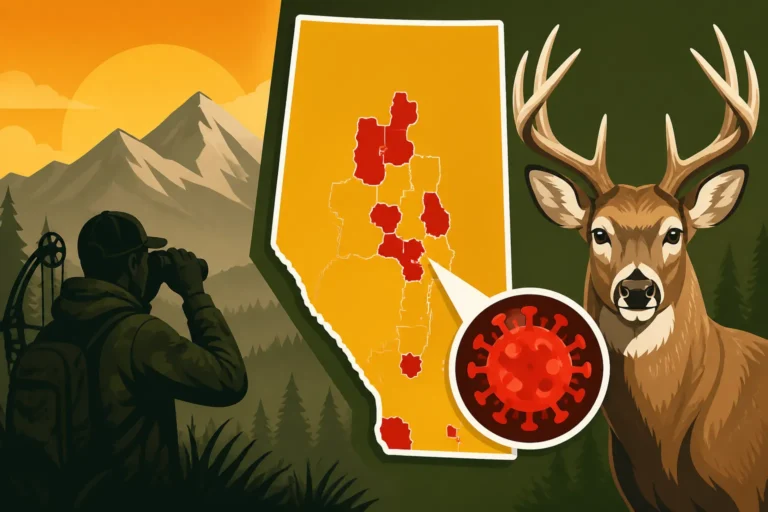
Chronic Wasting Disease (CWD), while not directly a moose disease, indirectly affects the predator-prey dynamic. CWD primarily impacts deer, elk, and moose. If deer populations decline in areas where wolves also hunt deer, wolves may increase their predation pressure on moose if deer become less available. While moose can contract CWD, the rates are generally much lower than in deer and elk, but it's a disease that wildlife managers are closely monitoring across all cervid species.
Climate change also brings broader implications. Shifting temperatures can stress moose directly, as they are a cold-adapted species that struggle in prolonged heat. It can also alter plant communities, impacting food availability, and influence the spread of diseases and parasites. All these factors together create a vulnerable situation for moose, making them potentially more susceptible to predation, even if wolf numbers remain stable.
Human Factors: Hunting Pressure and Access
Regulated hunting is a critical management tool in Alberta, aimed at maintaining healthy game populations and providing recreational opportunities. However, hunting pressure, particularly in readily accessible areas, can also be a factor in localized moose declines. When a moose population is already under stress from habitat issues, disease, or high predator numbers, even moderate human hunting pressure can become additive, contributing to a downward trend.
Furthermore, the very access that makes hunting possible for us also benefits predators. As mentioned earlier, human-made linear features like cutlines, seismic lines, and forestry roads create highways for wolves, allowing them to cover more ground efficiently and access areas they might not otherwise easily reach. This increased access can lead to higher encounter rates between wolves and moose, intensifying predation pressure. It's a double-edged sword: we need access to hunt, but that access can inadvertently make moose more vulnerable. Managing this balance, considering Alberta's Wildlife Management Units and specific regulations, is a continuous challenge for wildlife managers.
Management Strategies and the Future of Alberta Moose
Addressing the complex challenges facing Alberta's moose populations, including the role of wolves, requires a multi-faceted approach. There's no single silver bullet, and wildlife managers are constantly working to balance the needs of various species with human interests. As hunters, understanding these strategies helps us appreciate the bigger picture and contribute positively to conservation efforts.
Current Management Approaches for Wolves and Moose
Alberta employs a range of strategies to manage both wolf and moose populations. For moose, management primarily focuses on regulating hunter harvest through specific licensing systems, draw quotas, and season dates that vary by WMU. The goal is to ensure sustainable harvest levels that don't jeopardize the long-term health of the herd. This includes antlered and antlerless draws, targeting specific segments of the population to achieve desired objectives. Habitat improvement projects, often carried out by groups like the Alberta Conservation Association (ACA) and various forestry companies, also play a vital role in ensuring moose have adequate food and cover.
Wolf management in Alberta is generally less restrictive than for other big game species. Wolves are often managed through regulated hunting and trapping seasons, with specific limits and rules in place. In certain areas where wolf predation is identified as a significant factor in moose or caribou declines, more intensive wolf removal programs have sometimes been implemented, often in conjunction with other management actions. These decisions are not taken lightly and are usually based on scientific data indicating a severe imbalance. Understanding the local regulations is essential for any hunter, and you can find comprehensive details on the Alberta government's hunting regulations website. Learning techniques for Calling Wolves Along a Frozen Cutline can also be part of how hunters interact with this species.
Research and Monitoring: What We're Learning
One of the most crucial aspects of wildlife management is ongoing research and monitoring. Biologists use a variety of tools and techniques to gather data on moose and wolf populations. This includes aerial surveys to estimate population numbers and distribution, ground surveys to assess calf recruitment and habitat use, and collaring studies to track individual animals. Collared moose provide invaluable data on survival rates, movement patterns, and cause of death, helping researchers determine the impact of predation, disease, and other factors. Similarly, collared wolves offer insights into pack territories, hunting success, and their overall impact on prey species.
This data is then analyzed to understand population trends, identify key limiting factors, and inform management decisions. It allows wildlife managers to make science-based adjustments to hunting regulations, habitat restoration efforts, and predator control measures. For hunters, staying informed about these research findings and local population trends, often available through platforms like GoHunt, can greatly enhance your understanding of the landscape and help you plan your hunts more effectively. Tools like Reading an Alberta WMU Map Before You Go can give you an edge by showing you where studies might be focused or where populations are doing better or worse.
| Factor | Impact on Moose Populations | Influence on Wolf Predation |
|---|---|---|
| Habitat Loss | Reduced food, cover, and calving areas. | Increased vulnerability |
| Habitat Improvement | Increased food, cover, and calving areas. | Decreased vulnerability |
| Winter Ticks | Direct mortality, stress, poor body condition. | Easier prey for wolves |
| Other Diseases | Direct mortality, weakened animals. | Easier prey for wolves |
| Climate Change | Heat stress, altered forage, increased parasites. | Increased vulnerability |
| Human Hunting Pressure | Direct removal of animals. | Can be additive or compensatory |
| Human Access (Roads) | Direct disturbance, increased wolf travel corridors. | Increased wolf efficiency |
| Wolf Predation | Direct mortality, stress, altered movement, reduced recruitment. | High, but influenced by other factors |
| Forage Availability | Body condition, reproductive success, overall health. | Impacts moose resilience |
The question of whether wolves affect Alberta moose numbers isn't a simple yes or no; it's a resounding "yes, but it's part of a much larger, incredibly intricate picture." Wolves are undeniably effective predators, and their presence impacts moose populations directly through kills and indirectly through stress and behavioral changes. However, it's crucial to remember that wolves are just one piece of the puzzle. Habitat quality, disease prevalence, parasite loads, climate variability, and human activity all play significant, often interconnected, roles in shaping the health and size of Alberta's moose herds.
For us hunters, this complexity means we need to look beyond single explanations. It means advocating for comprehensive wildlife management that considers all factors, from sustainable harvest levels to habitat conservation and thoughtful predator management. By staying informed, supporting research, and practicing ethical hunting, we can all contribute to the long-term health of Alberta's moose and the vibrant wilderness they call home.
Disclaimer
This article is for general informational purposes only and does not constitute professional advice. Laws, prices and regulations vary by location and change over time. Consult a qualified professional for guidance on your specific situation.