Alberta’s Beaver and Muskrat Populations
It’s easy to think of beavers and muskrats as just another part of the background, those unseen denizens of our waterways and wetlands that sometimes cause a bit of a fuss. But for those of us who spend time in Alberta's wild spaces, whether hunting, trapping, or simply observing, these industrious creatures are far more than just "background noise." They are ecosystem engineers and vital components of our province's rich furbearer heritage. This guide will take a deep dive into Alberta's beaver and muskrat populations, shedding light on their lives, their impact, and the unique opportunities they present.
The Busy Engineers: Understanding Alberta's Beaver Population
You can't talk about Alberta's aquatic landscapes without talking about beavers. These industrious rodents, known for their iconic flat tails and sharp teeth, are truly the architects of our wetlands. Their presence, or absence, dictates so much about the local ecology, from water levels to available habitat for countless other species. Understanding them is key to understanding a vast portion of our natural world.
Beaver Habitat and Distribution Across Alberta
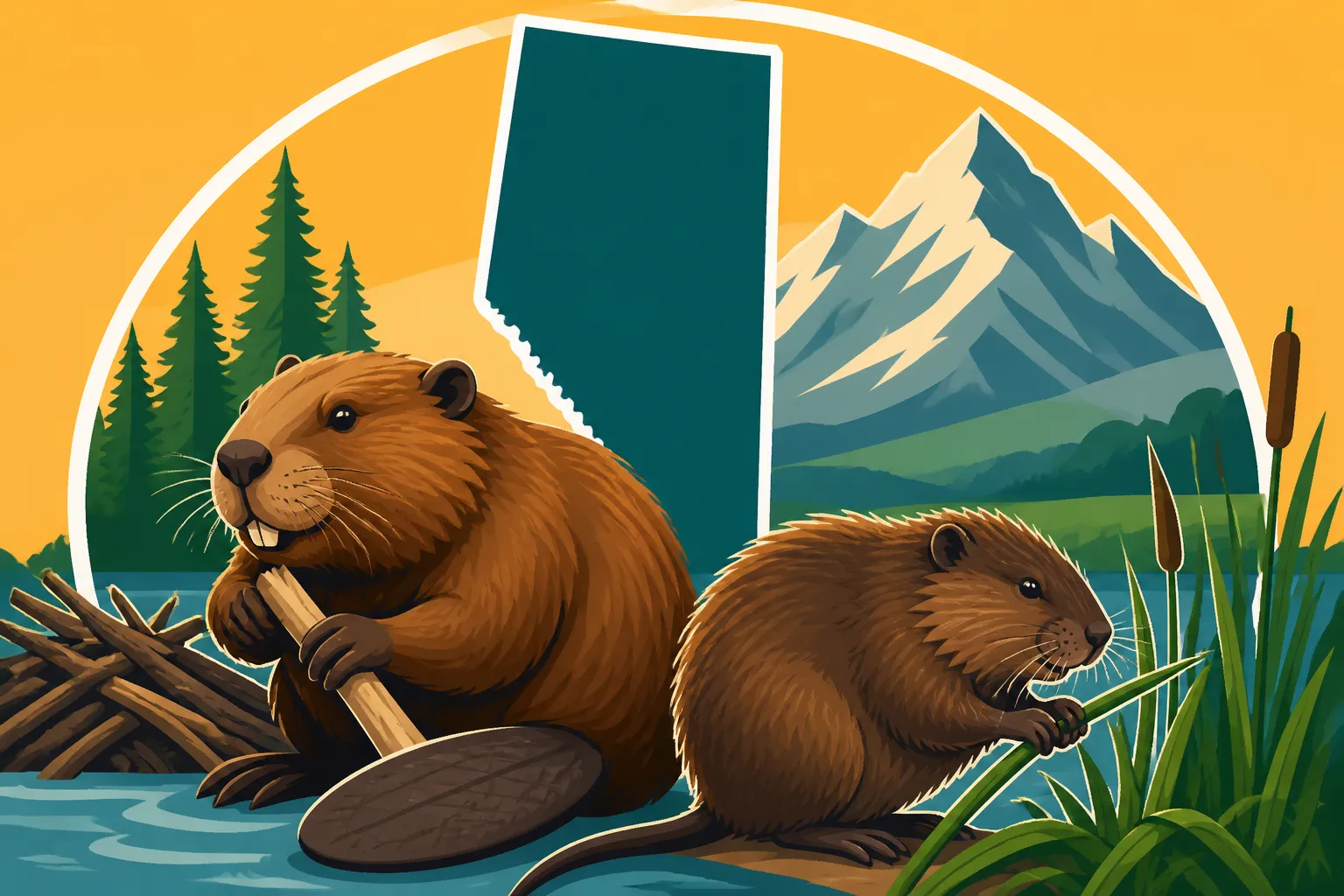
Beavers thrive in areas with slow-moving water and a plentiful supply of deciduous trees, especially aspen, willow, and poplar. This makes much of Alberta, particularly the aspen parkland and the vast boreal forest regions, prime beaver country. They're not picky about the size of the water body; you'll find them in small creeks, large rivers, lakes, and, of course, the ponds they create themselves through their dam-building genius. Their work transforms landscapes, turning flowing streams into series of stillwater ponds, which in turn create entirely new habitats. Think of a quiet backwater slough in the middle of a dense bush – chances are, a beaver had a hand in shaping it. These created wetlands are magnets for waterfowl, provide critical moisture in dry landscapes, and even help to recharge groundwater. This makes areas like Hunting a Beaver Meadow in the Boreal particularly productive for various game.
It's common to see their lodges—those impressive mounds of sticks and mud—dotting riverbanks and lake edges. These are their homes, providing shelter from predators and the harsh Alberta winters. They're incredibly resilient and adaptable, moving into new areas when resources are abundant and even managing to survive in less ideal spots where a consistent water source and some woody vegetation exist. From the foothills streams to the flatlands of the prairies, wherever there's water and wood, beavers are likely to be found, diligently working away.
Population Trends and Management Challenges
Historically, beavers were a cornerstone of the fur trade that shaped much of North American exploration and settlement. After periods of heavy trapping pressure, populations rebounded significantly throughout the 20th century. Today, Alberta's beaver population is generally considered healthy and, in many areas, robust. They reproduce efficiently and have relatively few natural predators that can truly keep their numbers in check across broad landscapes, beyond bears, wolves, and coyotes who might pick off younger, more vulnerable individuals.
However, a thriving beaver population isn't without its challenges, especially when human infrastructure and activities intersect with their natural habits. Beavers are notorious for damming culverts, flooding roads, drowning timber valuable to landowners, and impacting irrigation systems. This is why their management is crucial, and regulated trapping plays a significant role in maintaining ecological balance and mitigating human-wildlife conflict. Without some level of management, their populations can quickly expand, leading to localized flooding and habitat alteration that isn't always desirable for human interests. Trappers, often utilizing their deep knowledge of local ecosystems, are essential partners in this ongoing effort, helping to manage populations in a sustainable manner under rules outlined in resources like Alberta Trapping Season Dates and Fur Management Licence Rules and Fees.
The Shy Swimmers: Exploring Alberta's Muskrat Population
Often overshadowed by their larger, dam-building relatives, muskrats are another integral part of Alberta's aquatic ecosystems. These smaller, semi-aquatic rodents might be more secretive, but their presence is a clear indicator of healthy wetlands, and they offer unique opportunities for trappers and observers alike.
Muskrat Habitat and Their Niche in Aquatic Ecosystems
Muskrats prefer marshy habitats, slow-moving rivers, ponds, and sloughs – places where vegetation is abundant and water depth is relatively shallow. Unlike beavers, they don't typically build large dams; instead, they construct smaller lodges out of reeds and mud, or burrow into banks along waterways. These "push-ups" of vegetation are a common sight in prairie potholes and wetland margins. Their diet consists primarily of aquatic vegetation, such as cattails, sedges, and water lilies, making them efficient grazers within these watery environments.
Their role in the ecosystem is distinct from beavers. While beavers are engineers, muskrats are more like gardeners, pruning aquatic plants and creating open water channels that benefit other species. They are a vital prey species for many predators, including mink, coyotes, owls, hawks, and even large fish. Their relatively small size and high reproductive rate mean they form a crucial link in the food chain, transferring energy from plant matter to higher trophic levels. You'll often find them in close proximity to beaver ponds, utilizing the stable water levels that beavers maintain. Areas like Hunting a Slough Edge for Whitetails are not just for deer; they're also prime muskrat habitat.
Population Dynamics and Trapping Opportunities
Muskrat populations are known for their cyclical fluctuations. Their numbers can boom in years with good water levels and abundant vegetation, only to drop sharply during droughts or harsh winters when water bodies freeze solid and food becomes scarce. Predators also play a significant role in controlling muskrat numbers, especially in smaller, isolated wetlands. Unlike beavers, which can typically break through ice to access their food caches, muskrats are more vulnerable to thick ice, making cold, prolonged winters particularly challenging for them.
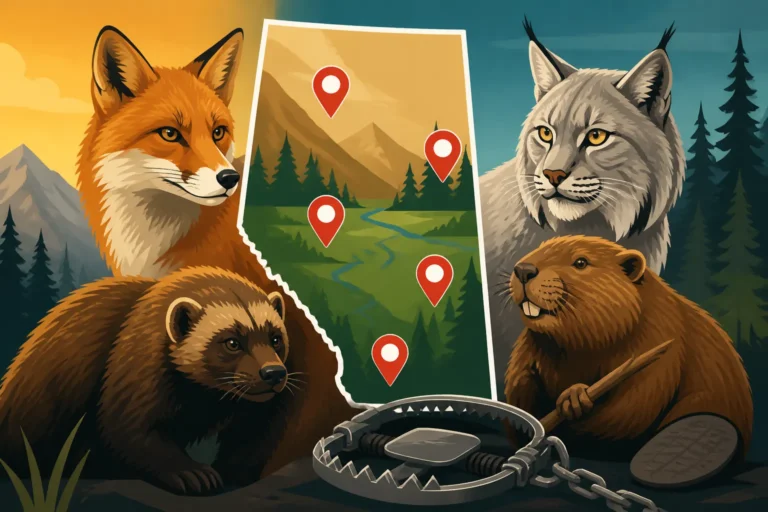
Despite these fluctuations, muskrats remain an important furbearer in Alberta. Their fur is prized, and their relative abundance, even with cyclical downturns, often makes them an accessible target for trappers. For those interested in furbearing opportunities, understanding these cycles and the factors that influence them is key. Regulations ensure sustainable harvesting, and trappers must always be aware of the specific seasonal openings and methods permitted. The value of their fur has varied over time, but the act of trapping itself connects individuals to a long-standing tradition of interacting with the land and its resources. The general health of Alberta's Furbearers and Where They Are Trapped can often be gauged by the muskrat populations.
Ecological Impacts and Coexistence with Other Game Species
Beavers and muskrats are more than just isolated populations; they are active participants in shaping the wider Alberta ecosystem. Their activities have profound ripple effects that influence everything from the local hydrology to the distribution and abundance of other game species. It's a testament to the intricate web of life we cherish in our province.
How Beaver Activity Shapes Wildlife Habitat
The impact of beavers on wildlife habitat cannot be overstated. By building dams, they create impoundments that slow water flow, raise water tables, and form new wetlands where none existed before. These beaver ponds are incredibly diverse and productive habitats. They provide critical breeding and nesting grounds for a wide variety of waterfowl, including ducks and geese, making them ideal for activities such as Pothole Hunting Ducks on Small Water. Fish populations often flourish in the deeper, more stable waters of beaver ponds.
Beyond the aquatic environment, the trees beavers cut down to build their dams and lodges, or to feed on, lead to changes in the surrounding forest. When aspen and willow stands are "clearcut" by beavers, it stimulates new, vigorous growth at ground level. This young, tender browse is a crucial food source for deer, moose, and elk. In essence, beavers create a mosaic of habitats: open water, emergent wetlands, and regenerated forest edge, all of which benefit a host of other species. Observing a beaver pond is like looking at a miniature ecosystem in fast-forward, constantly being reshaped and revitalized.
Managing Beaver and Muskrat Interactions for Broader Ecosystem Health
Given their significant ecological impact, managing beaver and muskrat populations is an important aspect of overall wildlife management in Alberta. It's not just about controlling perceived nuisances but understanding their role in supporting other species and maintaining biodiversity. This often involves balancing the benefits they provide (e.g., creating wetlands for waterfowl) against potential conflicts (e.g., flooding agricultural land or forestry roads).
Integrated wildlife management approaches aim to leverage their positive impacts while mitigating the negative ones. For instance, flow devices can be installed in beaver dams to prevent excessive flooding without completely removing the beavers. Trapping, as mentioned, is a key tool for population control in specific areas, ensuring that beaver and muskrat numbers don't overwhelm localized resources or infrastructure. Understanding where these species are most abundant, and how their activity patterns impact other game, can greatly enhance your hunting and outdoor experience. Utilizing tools like GoHunt, which can help visualize land features and potential habitat, can give you a clearer picture of where these interactions are likely happening.
Trapping and Viewing Opportunities in Alberta
Whether you're looking to set a few traps or simply observe these fascinating creatures in their natural environment, Alberta offers abundant opportunities. However, as with all interactions in the wild, preparation, respect for regulations, and an understanding of land access are paramount.
Accessing Prime Beaver and Muskrat Territory
Finding good beaver and muskrat territory often comes down to identifying suitable habitat. Look for areas with a combination of water, preferably slow-moving, and dense deciduous tree growth. Small creeks winding through aspen bluffs, the edges of larger lakes, river backwaters, and wetlands are all prime locations. You can often spot their presence by fresh cuttings, gnawed trees, slides into the water, and, of course, their dams and lodges. Tools like GoHunt can be invaluable for scouting, allowing you to examine satellite imagery to spot water bodies, forest types, and potential access points even before you leave home. This can help you pinpoint promising areas and understand property boundaries.
Accessing these areas will involve navigating Alberta's land access rules. Much of the boreal forest is Crown land, open for public recreation, but it's essential to understand Public Land Use Zones (PLUZs) and other regulations. On private land, obtaining permission from the landowner is absolutely critical. A polite conversation and clear understanding of your intentions go a long way. Checking the recreational access mapping tool or even just Asking a Grazing Leaseholder for Access can open up vast stretches of productive habitat. Remember, a good map, whether digital via GoHunt or a physical copy, is your best friend when trying to figure out where you can legally access and pursue these furbearers.
Responsible Trapping Practices and Regulations
For those interested in trapping, it's a rewarding activity that connects you deeply with the land and its cycles. However, it's also highly regulated to ensure ethical practices and sustainable populations. You'll need a valid Alberta trapping licence, which requires specific training and adherence to provincial regulations. These rules cover everything from trap types and set locations to season dates and reporting requirements. Before you even think about setting a trap, you must thoroughly understand the current Alberta Guide to Trapping Regulations.
It's also crucial to identify the species correctly and understand local population dynamics. A good trapper is not just a harvester; they are a wildlife manager who contributes valuable data and helps maintain balance. Always check the specific Wildlife Management Unit (WMU) you intend to trap in for any additional or unique regulations. Respecting the animals, the environment, and other land users is key to responsible trapping. A platform like GoHunt can also assist in staying updated on specific WMU boundaries and understanding the surrounding land context, which can sometimes influence local regulations or access.
| Feature | Beaver | Muskrat |
|---|---|---|
| Size | Large (up to 60 lbs) | Small (2-4 lbs) |
| Tail | Flat, paddle-like, scaly | Thin, rat-like, vertically flattened |
| Primary Diet | Tree bark (aspen, willow, poplar), aquatic plants | Aquatic vegetation (cattails, sedges) |
| Habitat Focus | Streams, rivers, lakes; modifies habitat with dams and lodges | Marshes, ponds, sloughs; burrows or small lodges |
| Ecological Role | Ecosystem engineer, creates wetlands | Aquatic herbivore, prey species |
| Primary Value | Fur, castoreum, habitat creation | Fur, prey for other furbearers |
Disclaimer
This article is for general informational purposes only and does not constitute professional advice. Laws, prices and regulations vary by location and change over time. Consult a qualified professional for guidance on your specific situation.