When Snow Geese Pass Through Alberta
Snow goose migration timing in Alberta depends on Arctic weather and agricultural food sources, guiding hunters on bird movements.
Know what you’re after.
Big game, small game, upland birds, and waterfowl — identification, behavior, rut and migration timing, and how each species moves through the season.
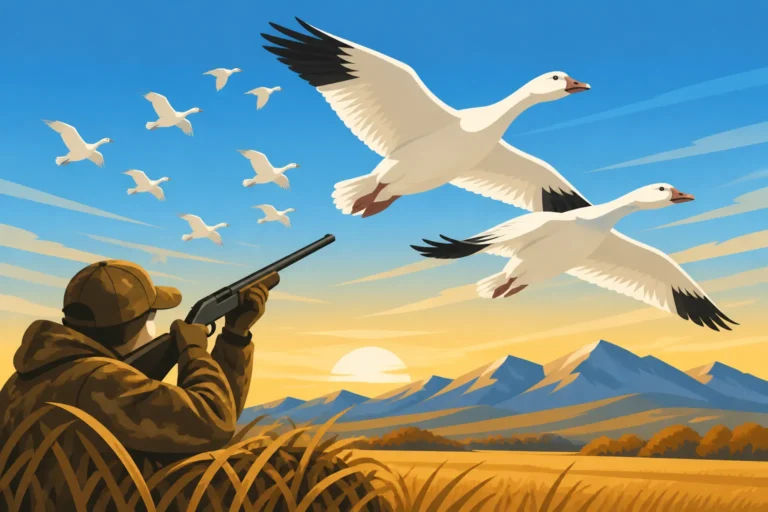
Snow goose migration timing in Alberta depends on Arctic weather and agricultural food sources, guiding hunters on bird movements.
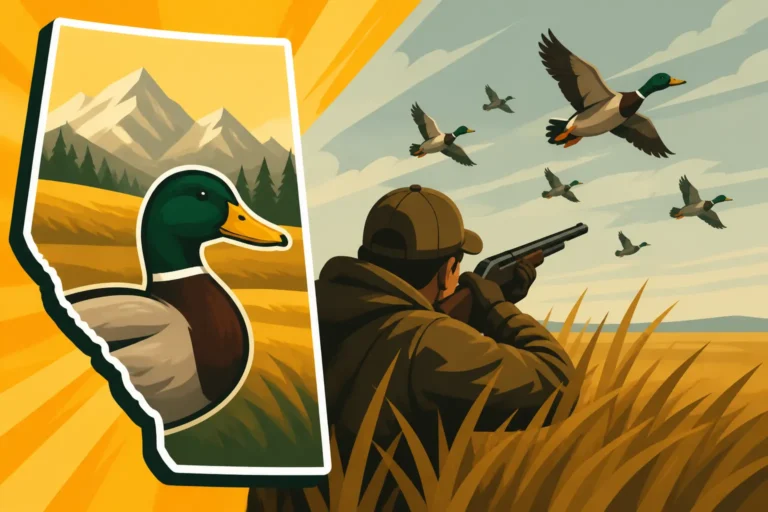
Alberta produces incredible numbers of ducks because glacial potholes, warm springs, and diverse habitats create a breeding haven.
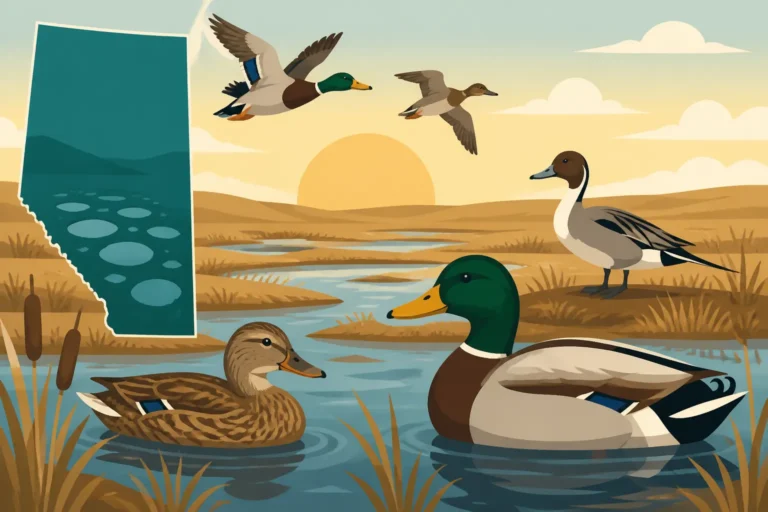
Alberta wetland habitats and pothole country ecosystems explain the biology and nesting preferences of North American waterfowl species.
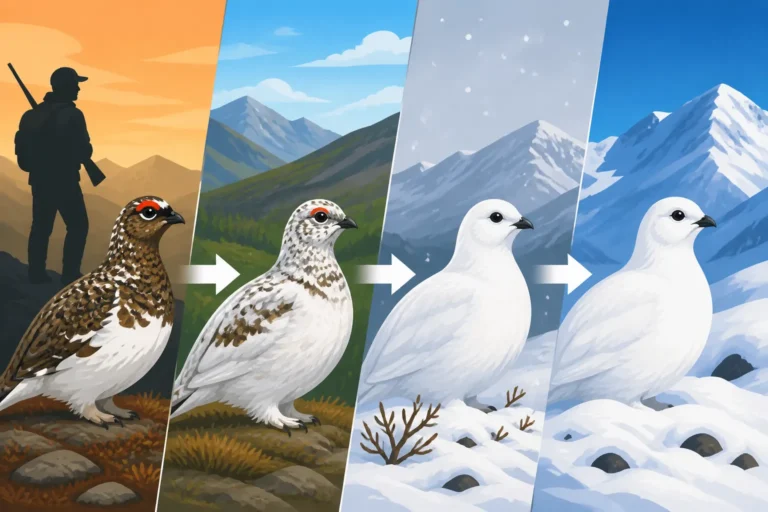
Alberta ptarmigan plumage changes seasonally, providing camouflage matching winter snow and summer tundra rocks and vegetation.
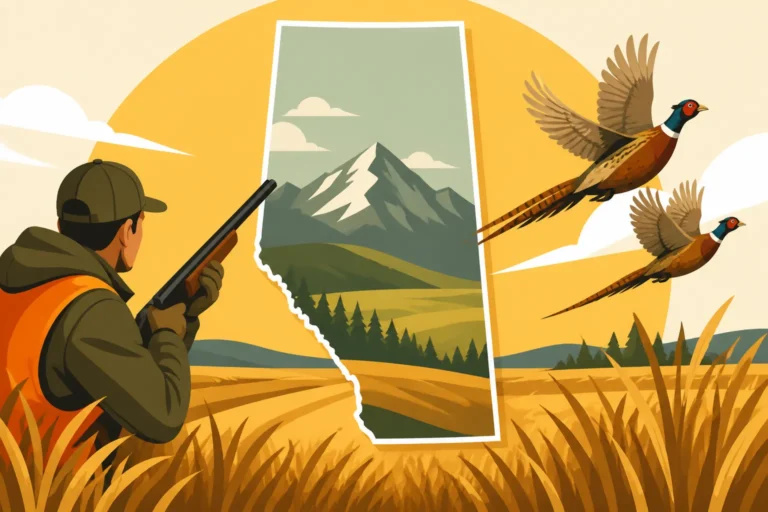
Alberta pheasant release sites managed by the Alberta Conservation Association provide hunters specific locations for upland bird hunting.
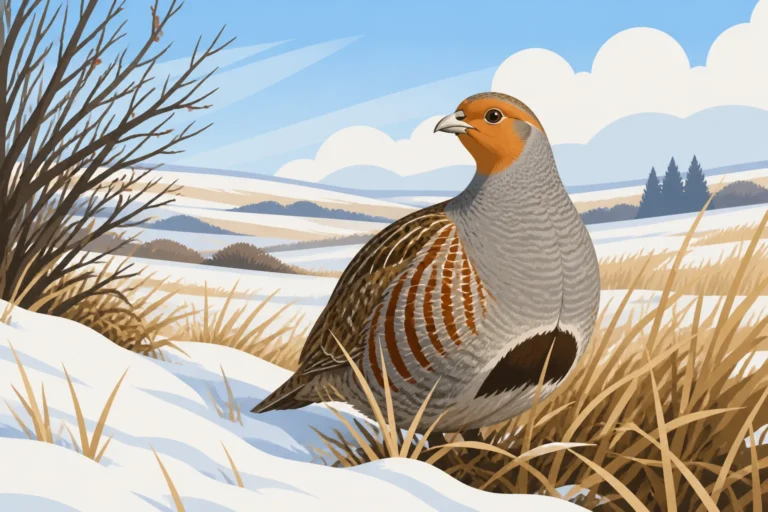
Hungarian Partridge winter survival strategies in Alberta include snow caves, stubble fields, and dense ground cover for thermal protection.
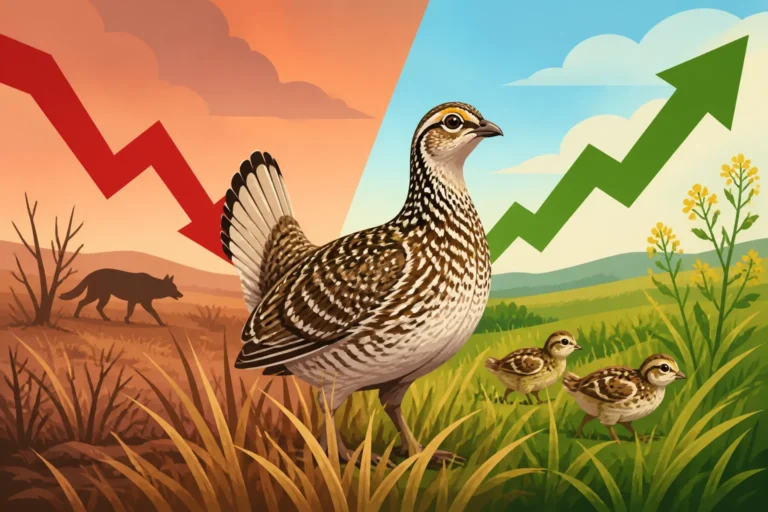
Sharp-tailed grouse population cycles in Alberta are driven by habitat fragmentation, changing food sources, and severe weather events.
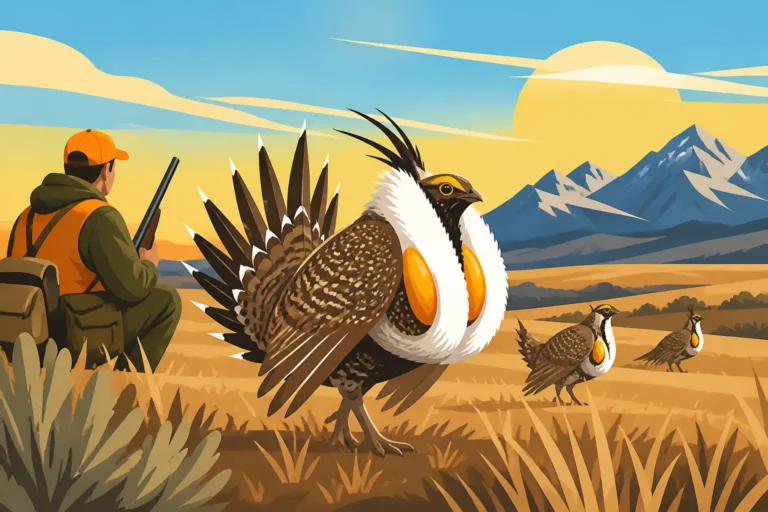
Sharp-tailed grouse leks and spring courtship displays in Alberta grasslands are located through specific habitat identification.
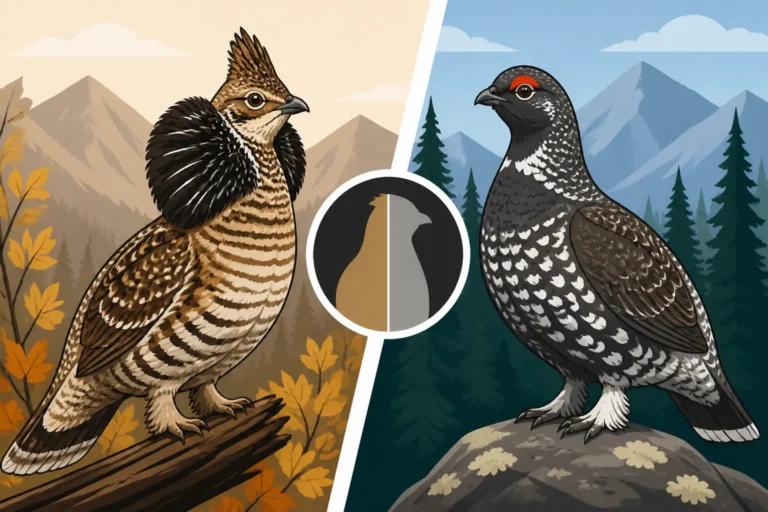
Ruffed Grouse and Spruce Grouse physical traits, tail feathers, and habitats help Alberta hunters identify each species.
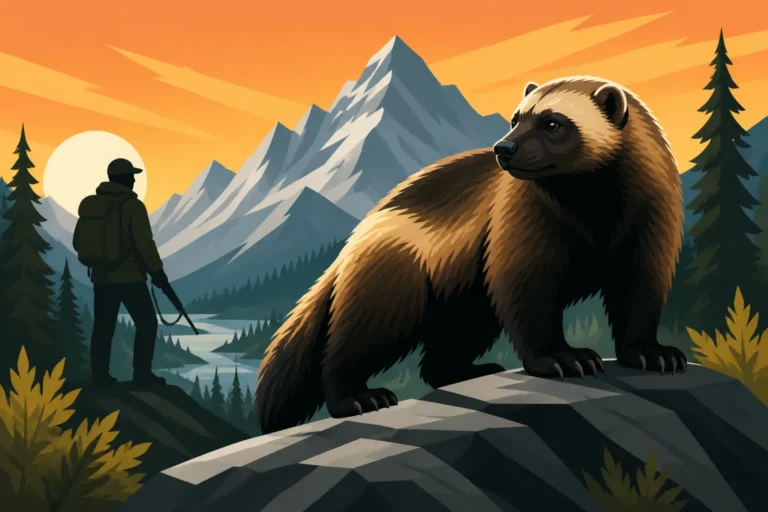
Wolverine habitats, physical adaptations, and survival behaviors in Alberta’s rugged boreal forests and Rocky Mountains.