Where Alberta Releases Pheasants
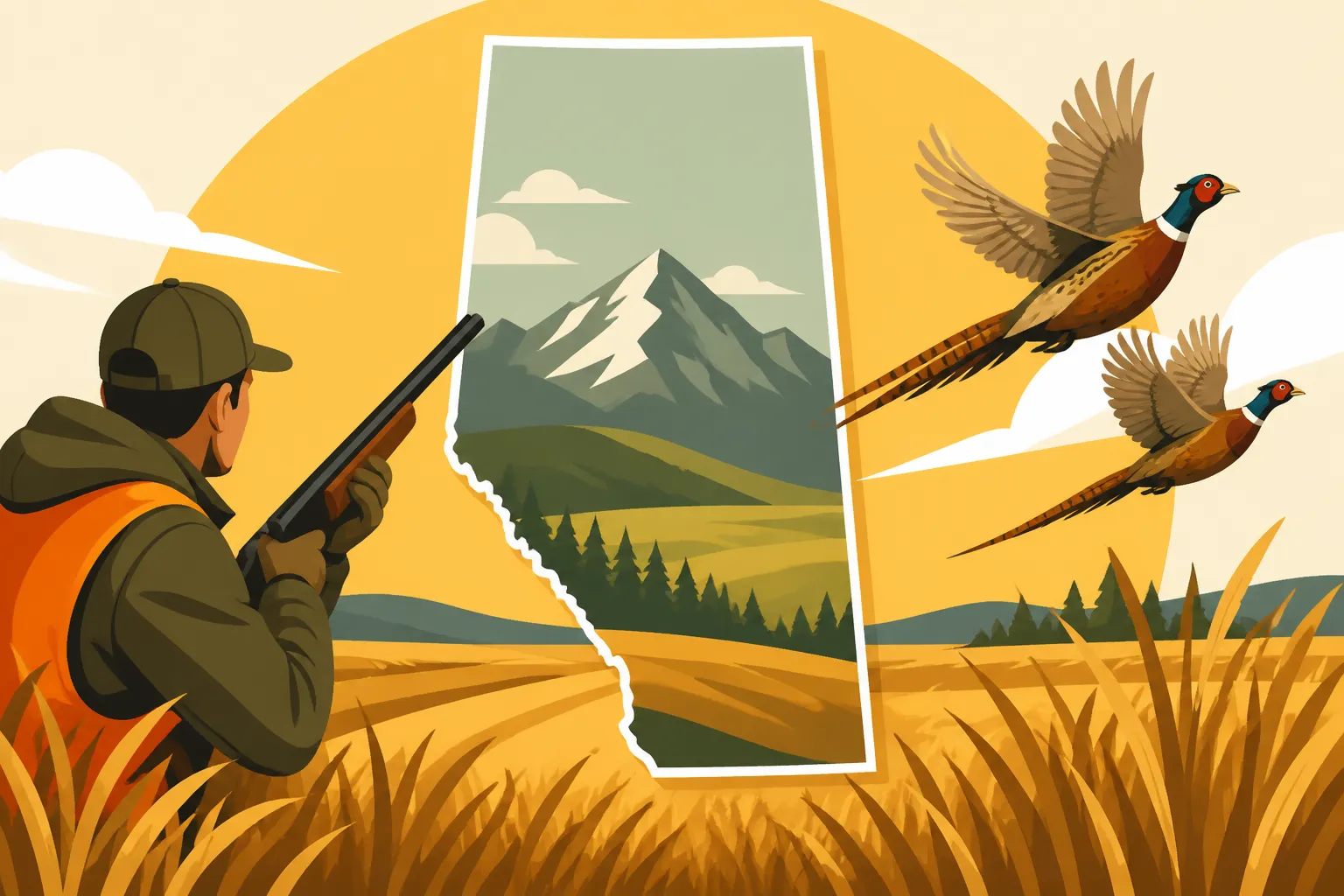
Trying to find a good spot to chase pheasants in Alberta can feel like a real wild goose chase sometimes, especially if you're new to upland bird hunting or just haven't ventured much beyond the well-known wild populations. You might hear whispers of successful hunts but struggle to pinpoint where those birds are actually being found. This guide is here to shed some light on the specific locations and programs in Alberta where pheasants are actively released, giving you a much clearer picture of where to focus your efforts for a rewarding day afield.
Understanding Alberta's Pheasant Release Program
It’s no secret that wild pheasant populations in Alberta, while present in certain pockets, aren't as widespread or robust as many upland bird enthusiasts might wish for. Much of our province's landscape, particularly the northern and western regions, simply doesn't offer the year-round habitat and winter survival conditions that pheasants, originally native to Asia, need to truly thrive without human intervention. This is where dedicated conservation efforts come into play, primarily through release programs designed to enhance hunting opportunities.
Why Pheasants are Released in Alberta
The primary goal of a pheasant release program is to augment hunting opportunities for what is undoubtedly one of North America's most iconic and exciting game birds. While some areas of southern Alberta boast naturally reproducing wild populations, particularly in the irrigated farming regions, these tend to be isolated and can fluctuate significantly due to harsh winters, habitat loss, or predation. The provincial release program helps bridge this gap, ensuring that hunters across a wider range of the province have a chance to experience pheasant hunting. These birds are typically pen-raised, brought to maturity, and then released into suitable habitat shortly before or during the hunting season. This provides a tangible target for hunters and supports the tradition of upland bird hunting.
Who Manages the Release Program
In Alberta, the bulk of the pheasant release program is managed by the Alberta Conservation Association (ACA), often in partnership with local landowners, hunting groups, and other conservation organizations. The ACA operates a significant pheasant rearing facility, raising thousands of birds each year. These birds are then strategically released into designated sites that offer adequate cover, food sources, and public access for hunting. The ACA also works to improve and maintain habitat at these sites, which benefits not only the released pheasants but also other local wildlife. It's a massive undertaking that relies on strong community support and a shared passion for conservation and hunting. For those interested in the broader picture of upland hunting in Alberta, understanding these efforts is key. Upland Bird Hunting in Alberta offers more detail on the various species and regions you might encounter.
Key Public Release Sites for Pheasant Hunting
When we talk about pheasant release sites in Alberta, we're generally looking at areas that have been specifically chosen for their habitat, accessibility, and the ability to sustain a hunting program. These aren't random spots; they are managed locations where the ACA and its partners put in the work to make sure there's a place for hunters to pursue pheasants.
Common Types of Release Areas
You'll typically find pheasant release sites in a few key categories, each with its own characteristics that make it suitable for these birds. Many are located within the "White Area" of Alberta, which is primarily agricultural land with a mix of cultivated fields, shelterbelts, and natural cover. These areas are often adjacent to irrigation systems or natural water sources, which provide crucial moisture for the birds and their insect diet. Other sites might be found on specific public lands or provincial lands managed for multiple uses, including hunting. The common thread is habitat: dense cover for escape and roosting, available food (seeds, grains, insects), and water. These areas are carefully selected to give the birds the best chance to disperse and hold in the landscape, even if only for the season.
Specific Regions and WMUs Known for Releases
While exact release locations can shift slightly year to year based on habitat conditions, weather, and program funding, several regions and specific Wildlife Management Units (WMUs) in Alberta have a long history of being part of the pheasant release program. These areas are typically in southern and central Alberta, where the climate is milder and the agricultural landscape provides more suitable habitat.
Here are some general areas and types of sites where you might find pheasant releases:
- Southern Alberta Irrigated Regions: Areas around Lethbridge, Taber, Bow Island, and Brooks are prime pheasant country, both for wild birds and release sites. The extensive irrigation infrastructure creates lush cover and food sources. You'll often find release sites on public land adjacent to these farming communities.
- Central Alberta Cropland: As you move north into the parkland transition zone, areas with a good mix of grain fields, sloughs, and woody cover can also host releases. Think regions west of Calgary or around Red Deer, particularly where there are active conservation projects.
- Provincial Grazing Reserves (PGRs): Many of Alberta's PGRs offer excellent habitat and are often used as release sites. These large tracts of public land are managed for cattle grazing but also provide extensive upland cover. Always check the specific regulations for each PGR, as some may have unique access rules. Hunting a Provincial Grazing Reserve goes into more detail on how to approach these areas.
- Alberta Conservation Association (ACA) Sites: The ACA actively manages numerous tracts of land across the province specifically for conservation and public access. Many of these "ACA Access Sites" or "Conservation Sites" are primary locations for pheasant releases. Their website or annual regulations guide will often list these sites.
It's absolutely critical to consult the most current Alberta Hunting Regulations, specifically the "Game Bird Seasons and Limits" section, which usually details the official pheasant release sites for the current season. This is updated annually, so don't rely on old information! Websites like GoHunt might also provide valuable mapping overlays that show public lands or potential release areas, which can be a huge help in planning your trip.
Here's a general table outlining common characteristics of pheasant release sites:
| Type of Release Site | Typical Location | Habitat Features | Hunter Pressure | Access Considerations |
|---|---|---|---|---|
| ACA Conservation Sites | Southern/Central Alberta, often near farmlands | Designated cover crops, shelterbelts, food plots, water | Moderate-High | Public access, often well-signed. Check ACA website. |
| Provincial Grazing Reserves | Scattered across southern/central Alberta | Large, diverse habitat; grasslands, coulees, sloughs | Moderate | Public land, but respect grazing operations. Check rules. |
| Private Land (with permission) | Throughout agricultural zones | Farm edges, shelterbelts, unharvested crops, sloughs | Low-Moderate | Requires landowner permission; often less competitive. |
| Other Public Lands | Small pockets within specific WMUs | Grasslands, willow thickets, old field edges | Variable | Verify boundaries carefully, consult maps like GoHunt. |
Remember, while these are common types of sites, each specific location will have its own nuances. Always do your homework before heading out!
Tips for Hunting Released Pheasants
Hunting released pheasants can be a fantastic experience, whether you're a seasoned upland hunter or just starting out. However, these birds can behave a bit differently than their truly wild counterparts, and knowing what to expect can greatly improve your chances of success and your overall enjoyment.
Tactics for Locating and Flushing Birds
Released pheasants, especially early in the season, can sometimes be a little less wary than wild birds. They might hold tighter or flush closer, but don't let that fool you into thinking it's easy pickings. They're still pheasants, and they have an incredible ability to run and disappear into cover.
- Work the Edges and Dense Cover: Pheasants love thick cover. Focus your efforts on the edges of standing crops, long grass, cattail sloughs, willow thickets, and especially dense shelterbelts. They'll use these areas for roosting, feeding, and escaping predators (and hunters!). Walking parallel to a field edge, with a dog working the cover between you and the field, can be very effective.
- Slow and Steady Wins the Race: Don't rush through cover. Pheasants are notorious for running ahead of hunters and dogs. A slow, deliberate pace allows your dog to work thoroughly and gives you time to react when a bird flushes. Many a pheasant has been walked past by an impatient hunter.
- Push Through Cover: Don't be afraid to get into the nastiest, thorniest patches of cover. That's exactly where pheasants want to be. If you're walking an old logging road or a trail in the bush, don't forget to investigate the dense stuff just off the beaten path. Ruffed Grouse Hunting Alberta's Bush Trails shares similar insights on working thick cover for other upland birds.
- The "Blocker" Strategy: If hunting with a group, having one or two hunters walk through a long, narrow strip of cover while another person or two waits at the far end can be very effective. The birds will often try to run to the end of the cover before flushing. This is a common tactic in areas with well-defined shelterbelts or fence lines.
The Role of a Good Bird Dog
Let's be real, hunting pheasants without a good bird dog is like trying to find a needle in a haystack. While it's certainly possible to walk up pheasants, a dog multiplies your success and enjoyment exponentially.
- Pointing Dogs: Breeds like German Shorthaired Pointers, English Setters, or Brittanys are phenomenal. They'll cover ground, locate birds, and then "point," indicating the pheasant's location. This allows you, the hunter, to walk in and prepare for the flush. The thrill of watching a dog lock up on point is unmatched. Using a Pointing Dog on Alberta Prairie details tactics for these amazing canine partners.
- Flushing Dogs: Labs, Springers, and other retrievers are also excellent. They are bred to push birds out of cover and retrieve them once shot. They'll bust through heavy cover that you might hesitate to enter, forcing birds into the air. While you don't get the point, their relentless drive and retrieval skills are invaluable.
- Retrieval is Key: Regardless of whether your dog points or flushes, its ability to retrieve a downed bird is paramount. Pheasants are tough birds, and a wounded bird can run and hide in dense cover very quickly, leading to lost game. A good retriever minimizes this waste.
Safety and Etiquette at Popular Sites
Because pheasant release sites are often well-known and relatively accessible, they can attract a fair bit of hunter pressure, especially on opening weekend or popular days. Practicing good safety and etiquette is crucial for everyone's experience.
- Hunter Orange: Always wear hunter orange, especially when hunting with a group or in areas with other hunters. It increases visibility and reduces the risk of accidents.
- Communicate: If hunting with a group, maintain communication. Know where everyone is at all times. Use hand signals or calls if voice communication is difficult.
- Respect Other Hunters: If you see another group working a field, give them space. Don't crowd them or try to jump ahead. There's enough land for everyone to enjoy safely.
- Watch Your Muzzle: Always be aware of your muzzle direction. Know your shooting lanes and what's beyond your target. Remember, safety first, always.
- Respect Landowner Rights: Even on public access sites, boundaries can be tricky. Always know where you are. If you encounter private land adjacent to a release site, ensure you have explicit permission before stepping foot on it. Alberta Landowner Permission Law provides vital information on this topic.
Navigating Access and Regulations for Pheasant Hunting
Finding the birds is one thing, but knowing the rules and how to access the land legally is just as important. Alberta has clear guidelines for hunting, and pheasant release sites are no exception. Being prepared means checking all the boxes before you even load your shotgun.
Licence and Permit Requirements
Before you even think about stepping into a pheasant field, you need to ensure you have the correct licences and permits. These are non-negotiable and fundamental to legal hunting in Alberta.
- WIN Card: This is your basic identification as a wildlife identification number holder. It's required for anyone purchasing hunting or fishing licences in Alberta. If you don't have one, or yours has expired, you'll need to renew it. Getting an Alberta WIN Card covers the process.
- Wildlife Certificate: This is your annual conservation fee, a mandatory purchase for all hunters and anglers in Alberta.
- Alberta Game Bird Licence: This is the specific licence required to hunt pheasants and other upland birds in the province.
- Federal Migratory Game Bird Hunting Permit: While pheasants are not migratory birds, often the same habitat where you find pheasants might hold ducks or geese. And historically, hunters would carry this for all bird hunting. It's good practice to be aware of all bird hunting stamps and permits. Alberta Migratory Bird Permits gives more details on federal requirements.
- Canadian Wildlife Habitat Conservation Stamp: This stamp is purchased with your federal permit and supports critical habitat work.
Always carry physical or digital copies of all your licences and permits while hunting. Conservation officers conduct checks, and being unprepared can lead to fines and a ruined day.
Checking Season Dates and Limits
The specific season dates and bag limits for pheasants can vary by WMU, and sometimes even within different types of release sites. It's crucial to consult the official Alberta Hunting Regulations (the annual guidebook) for the current year.
- Season Openers and Closers: Pay close attention to when the season opens and closes in the WMU you plan to hunt. Release sites often have specific dates when hunting is permitted.
- Daily Bag and Possession Limits: These limits tell you how many pheasants you can harvest per day and how many you can possess in total. Exceeding these limits is a serious offence.
- Gender Restrictions: While often a "rooster only" hunt for pheasants, always confirm. Shooting hens can negatively impact local wild populations.
- Shooting Hours: Be aware of legal shooting hours for game birds, which are typically defined as a certain time before sunrise to a certain time after sunset.
Always review the regulations carefully for the specific WMU you intend to hunt. The Alberta government's website (albertarelm.com) is the most reliable source for up-to-date information.
Using Mapping Tools for Release Site Boundaries
Once you've identified potential release sites, figuring out their exact boundaries and legal access points is your next big challenge. This is where modern mapping technology truly shines.
- Official Government Maps: The Alberta government often provides maps or lists of designated release sites. These are your primary source.
- Third-Party Mapping Apps: Tools like GoHunt or other popular outdoor mapping apps are invaluable. Many of these apps offer layers that show public land boundaries, Crown land, grazing leases, and even some designated recreational access areas. You can overlay these with satellite imagery to identify prime pheasant habitat like shelterbelts, sloughs, and dense creek bottoms. Using Alberta's Recreational Access Mapping Tool can guide you on using official resources.
- Scouting: Nothing beats boots on the ground (or at least tires on gravel roads) for pre-season scouting. Drive around the area, identify access roads, parking spots, and observe the habitat. Look for signs of bird activity, although released birds might not be present until just before the season opens.
- Asking for Permission: Even around public release sites, you might find adjacent private land with excellent cover. Don't be shy to knock on doors and ask for permission. Many landowners are accommodating to respectful hunters. Knocking on Doors in Alberta Farm Country gives tips on how to approach this.
By combining your official regulations guide with powerful mapping tools and some good old-fashioned scouting, you'll be well-prepared to find those release sites and enjoy a safe, legal, and successful pheasant hunt in Alberta. Happy hunting!
Disclaimer
This article is for general informational purposes only and does not constitute professional advice. Laws, prices and regulations vary by location and change over time. Consult a qualified professional for guidance on your specific situation.