Lynx and Snowshoe Hare Cycles
Snowshoe hare and lynx populations in Alberta surge and crash by ten to twenty times every eight to eleven years in a predictable cycle.
Know what you’re after.
Big game, small game, upland birds, and waterfowl — identification, behavior, rut and migration timing, and how each species moves through the season.
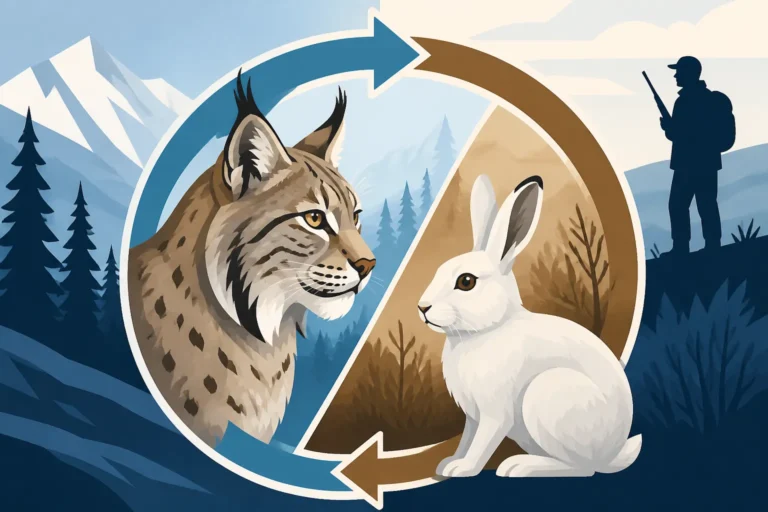
Snowshoe hare and lynx populations in Alberta surge and crash by ten to twenty times every eight to eleven years in a predictable cycle.
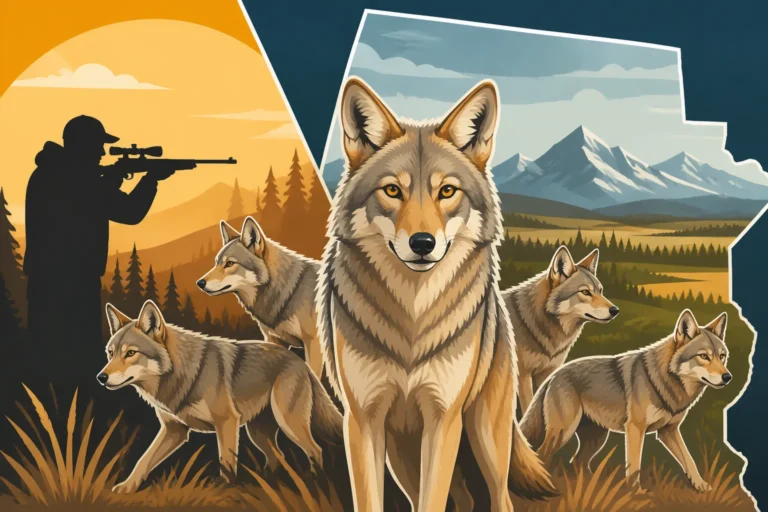
Alberta supports a robust coyote population because agricultural lands, boreal forests, and diverse prey provide abundant food.
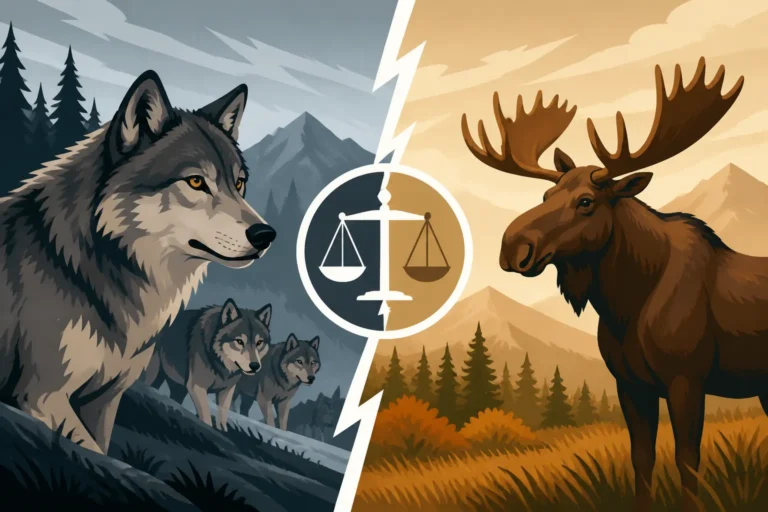
Wolf predation and other critical factors that shape declining moose populations across Alberta wildlife management units.
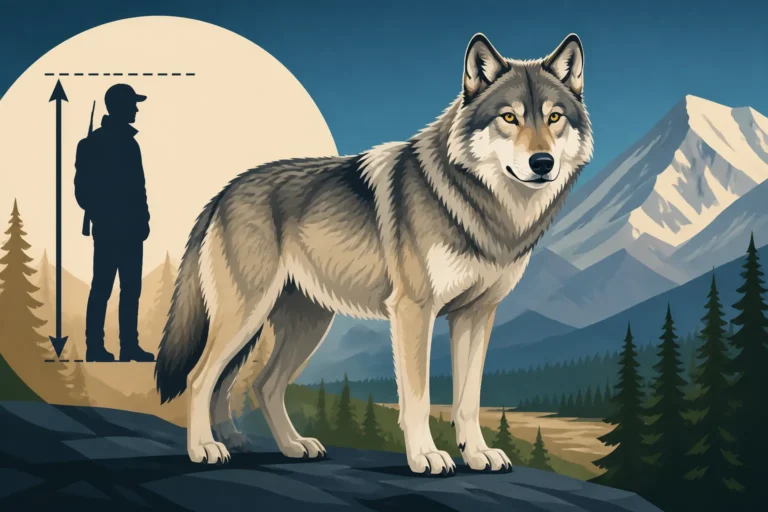
Adult northern timber wolves in Alberta weigh eighty to one hundred twenty pounds, with males reaching ninety to one hundred twenty.
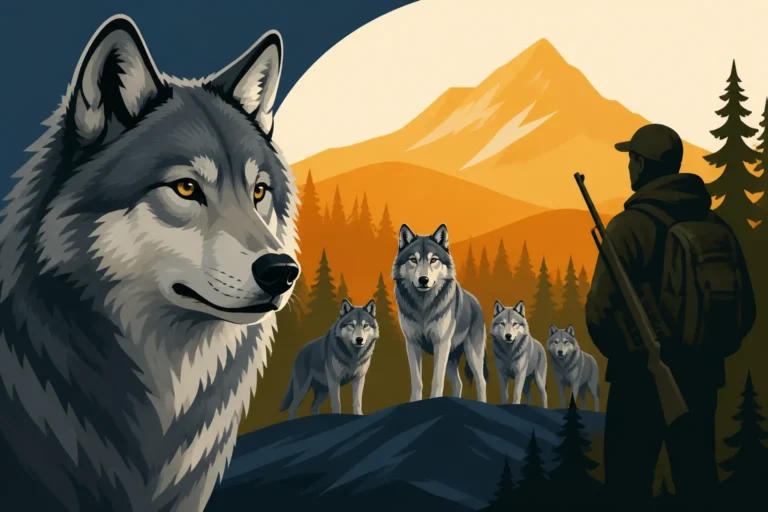
Wolf pack size in Alberta boreal forests depends on moose, deer, and elk biomass, territory scale, and food availability.
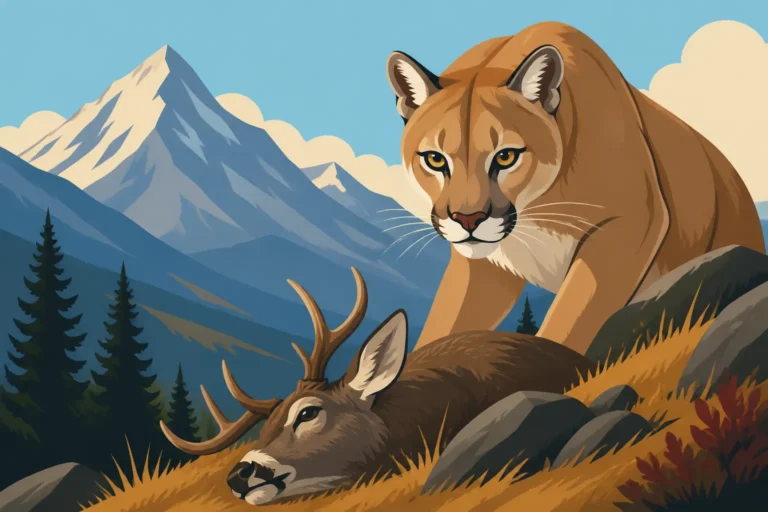
Cougar diets in the Alberta Foothills consist primarily of mule deer and whitetail deer, along with snowshoe hares and beavers.
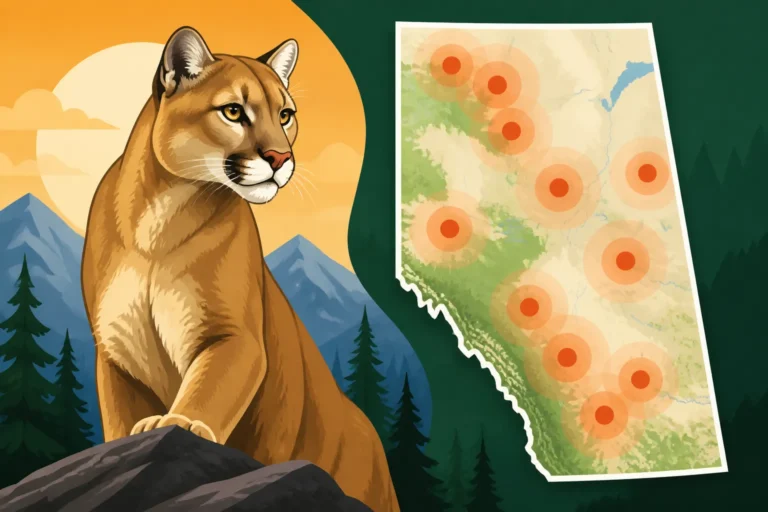
Alberta cougar expansion details historical mountain strongholds, western habitats, and the causes behind their spread into new areas.
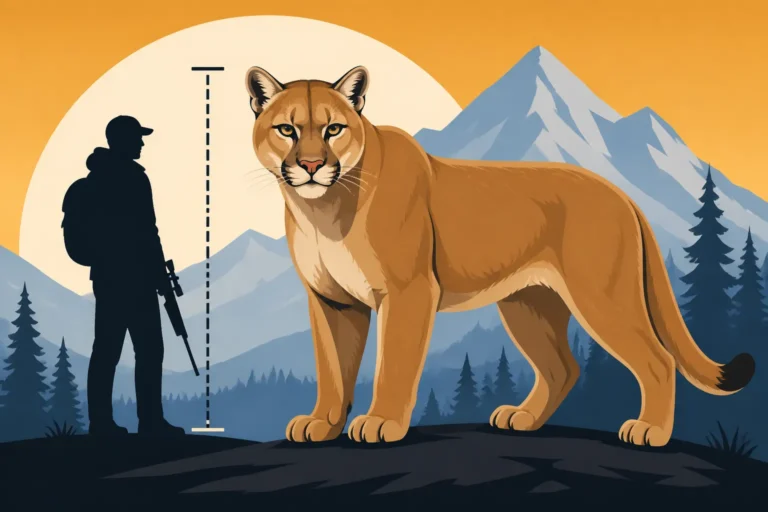
Adult Alberta cougars weigh 80 to 180 pounds, with males reaching lengths up to 8.5 feet and shoulder heights of 32 inches.
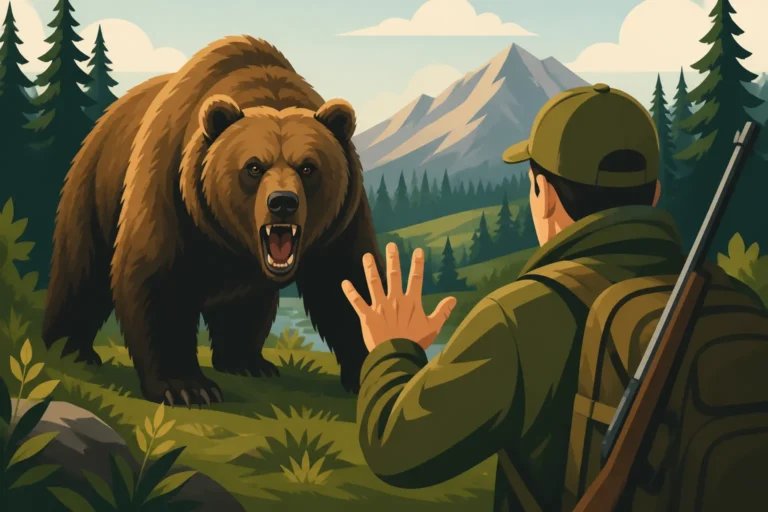
Grizzly bear encounters in Alberta wilderness require knowing seasonal habitats, track identification, and practical safety precautions to survive.
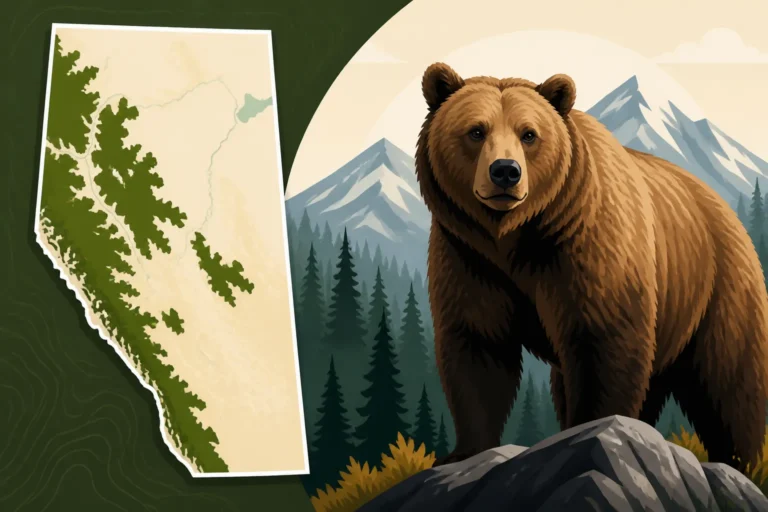
Alberta grizzly bear distribution now includes the Rocky Mountains, foothills, and expanding eastern prairie fringe habitats.